





 English
  Francês
  Alemão
  Italiano
  Japonês
  Norueguês
  Portuguese
  Spanish
  4 min of reading


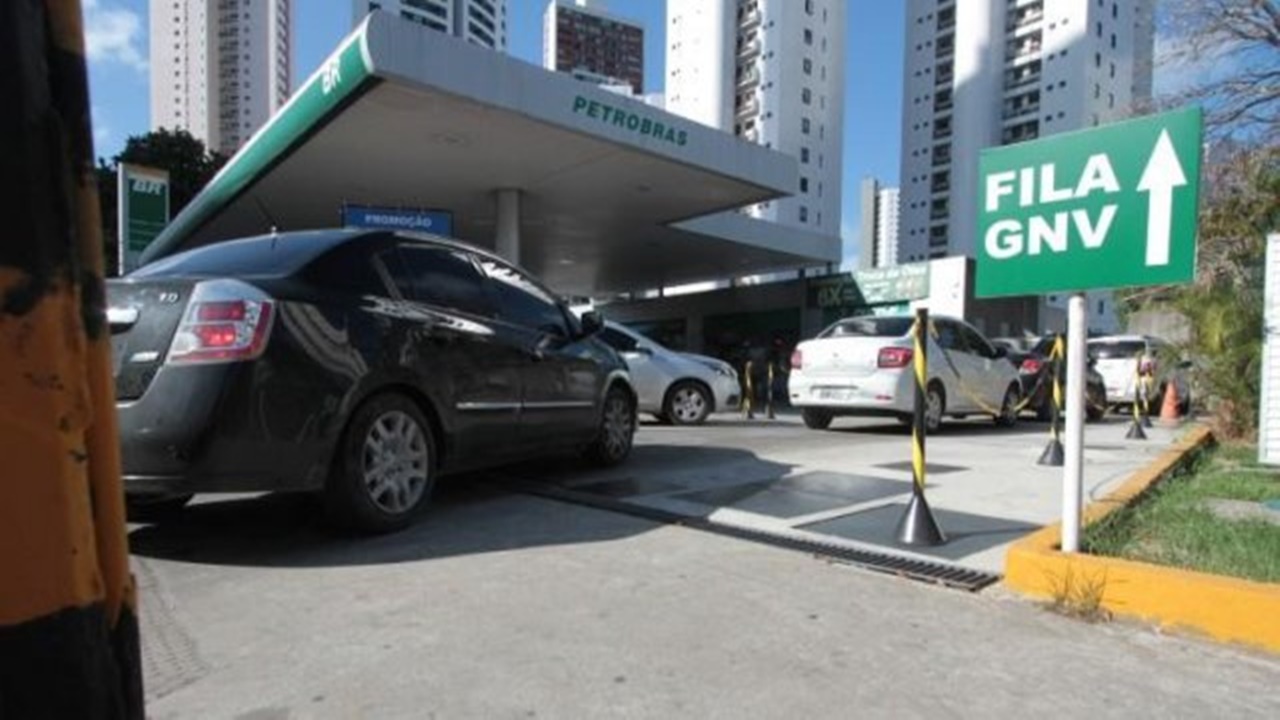
Ethanol And Gasoline Prices Keep Soaring, CNG Hits Record High Of R$ 5 At Gas Stations, And App Drivers, Taxi Drivers, And Workers Are Desperate
Research conducted between May 30 and June 5 by the National Agency of Petroleum, Natural Gas and Biofuels (ANP) shows that fuel prices have risen again in Brazil, and consumers have nowhere to turn. The price of regular gasoline reached R$5.89, and the additive version hit R$6.29. The price of ethanol has also significantly risen at the plants, and its parity with gasoline passed 70%, not to mention that CNG, the fuel widely used by app drivers and taxi drivers, surpassed R$ 5.00 per cubic meter, a record!
Read Also
- Shell Sells Lubricants Division To Raízen, The Largest Global Ethanol Producer
- Ethanol Plant In Bahia Will Require More Than 8,000 Job Openings In Construction, Maintenance, And Logistics
- General Motors Unleashes Cheap Electric Cars In China; Costing Ten Times Less, The Mini EV Makes American Automaker Tesla Tremble
- Ethanol Vanishes In The Plants Amid Soaring Sales From Distributors, Reaching 1.5 Billion Liters, The Second Largest Monthly Volume In History In April
- 60% Of Brazil’s Natural Gas Returns To Offshore Fields Due To Lack Of Infrastructure And Thermoelectric Plants Pay In Dollars For The Input, The Electricity Bill Soars And It’s The Brazilians Who “Pay The Bill”
To give you an idea, excluding freight, ICMS, and PIS/Cofins, the price per liter of hydrated ethanol closed the week at R$ 2.9983 at the plants and distilleries in São Paulo, a significant increase of 4.17%.
The most sold biofuel in Brazil has lost its competitiveness, with its parity to gasoline exceeding 70%, depending on the pace at which distributors pass costs to gas stations, in addition to the 2.14% increase observed in Paulínia’s bases this week.
-
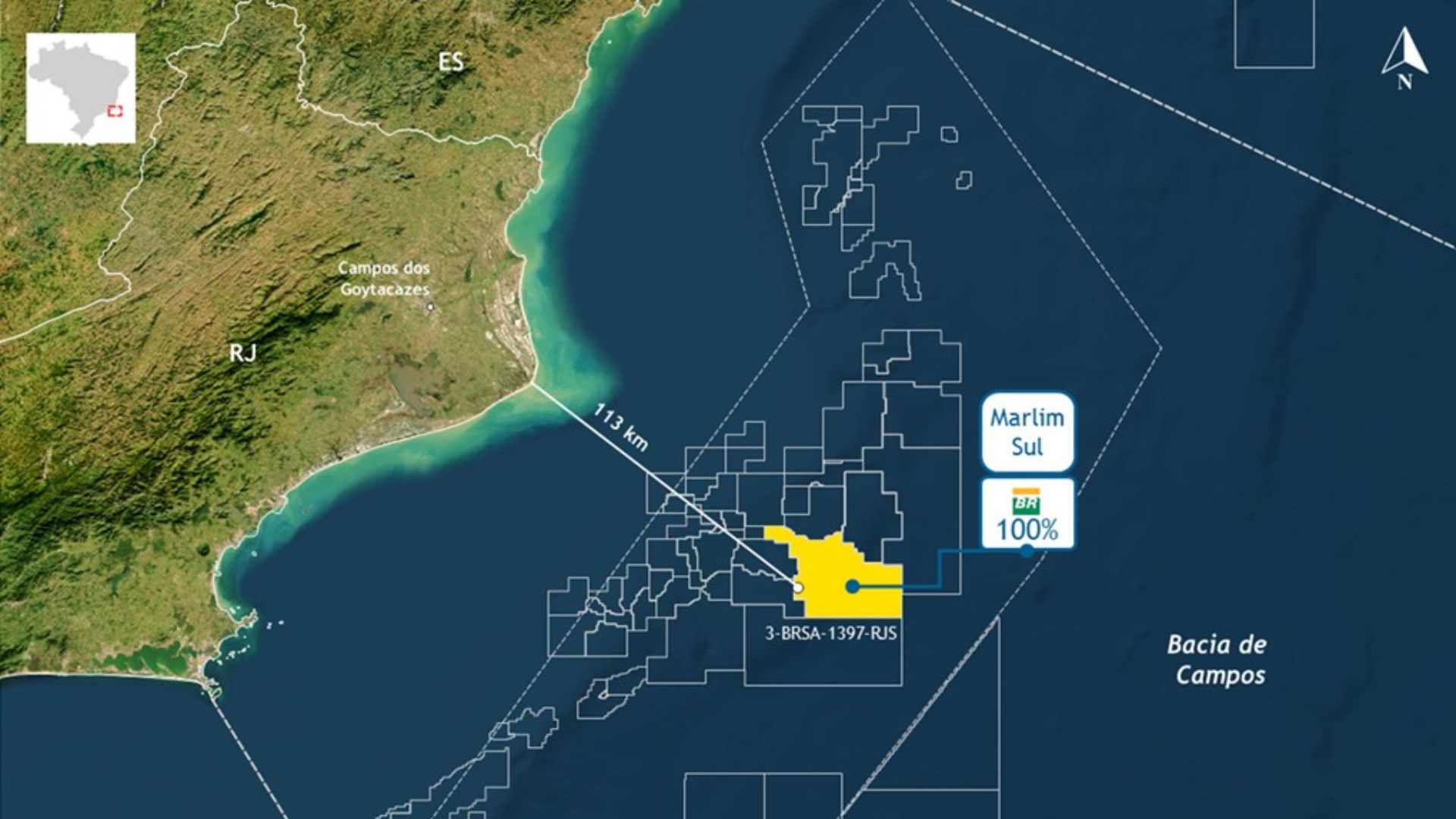
Petrobras announces new oil discovery in the pre-salt of the Campos Basin and reinforces Brazil’s prominence with high-quality reserves that can increase production and energy revenues.
-
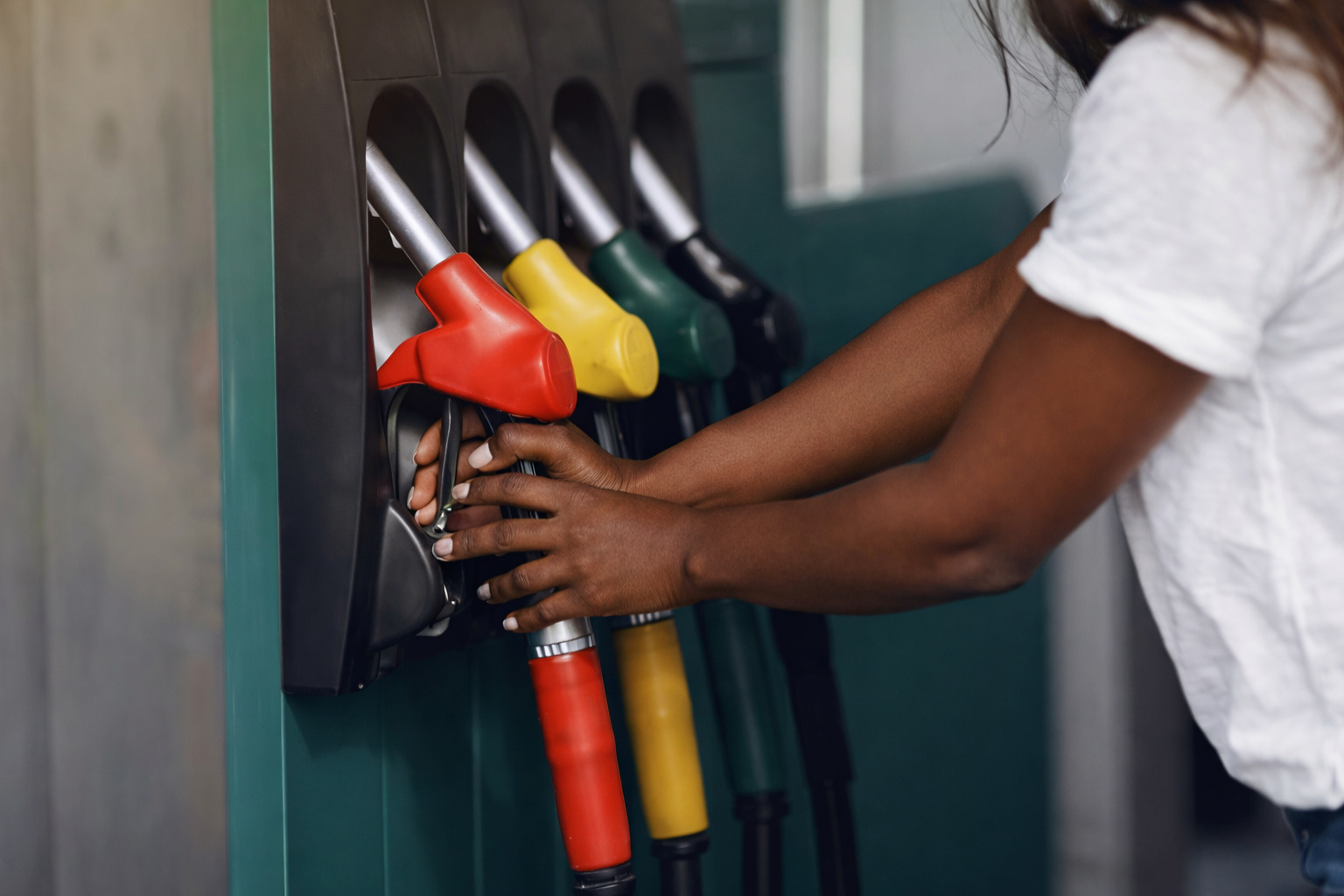
Alert in the fuel market: Analysts and a former director of ANP warn that oil prices may worsen in the coming months due to global instability.
-
Ocyan brings executives and digital solutions to Macaé Energy 2026 and highlights offshore expansion with Nexio and a new base in Macaé.

-
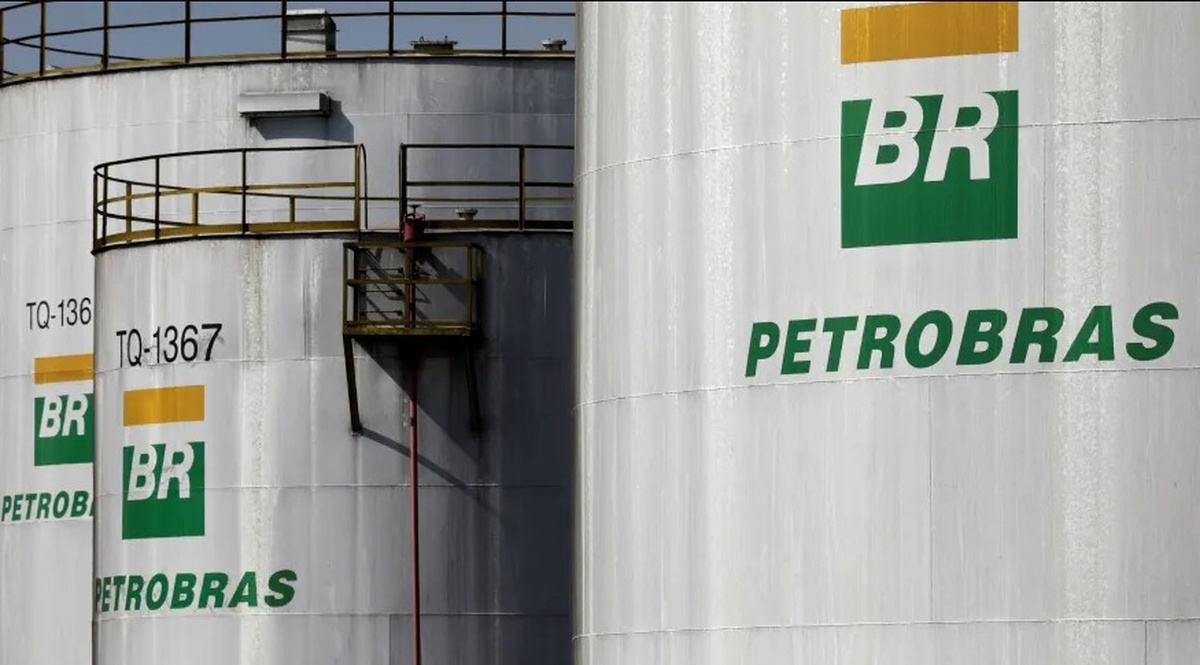
Petrobras advances 4.6% with rising oil prices and the dollar, reigniting the debate on macro risks, pricing policy, and fiscal impact in Brazil.
According to data collected by Cepea, during the five working days immediately before (from the 24th to the 28th), the price of ethanol reached R$ 2.8783 at the plants.
The slower ethanol production harvest, marked by decreased sugarcane availability and slightly increased sugar content against more favorable international prices, dictates the law of supply against a firmer demand.
Moreover, the price of oil has also influenced the rise in ethanol prices. On June 4, the barrel in London closed above US$ 71.60, but the dollar, following a decline (R$ 5.04, down 0.95%, also on Friday), is providing breathing room for Petrobras in raising gasoline prices, increasing the parity among fuels.
Gasoline, Ethanol, Diesel, And CNG Prices Keep Rising, And The Newest Fuel, Biogas, Has Come To ‘Save’ App Drivers, Taxi Drivers, And Workers
With each passing day, gasoline, ethanol, and diesel prices continue to rise, and Brazilians who work in passenger transport, such as taxi drivers and app drivers who relied on Compressed Natural Gas (CNG), are migrating to biogas, as CNG is also starting to strain their budgets. Biogas can be used effortlessly in vehicles equipped with gas kits.
Petrobras has implemented a new increase in the price of CNG, raising it by 39% for distributors. According to a survey conducted by the National Agency of Petroleum, Natural Gas and Biofuels (ANP), in the last week of May, the price of vehicle gas for end consumers had already reached R$ 5.00 in some areas of the city of Rio de Janeiro. As a result, despite not being a new solution, biogas has become popular for being more efficient and cheaper.
Biogas Has Similar Characteristics To CNG, However, It Is More Efficient And Safe, With Less Risk Of Explosion And Fire
According to Jorge Mathuiy, commercial director of the cylinder industry MAT, CNG can be derived from sources associated with oil; for example, biogas has similar characteristics but is extracted from organic materials — landfills, composting, and sugarcane bagasse, among others. Hence, it is also known as green gas.
Currently, only ten gas stations in Rio de Janeiro offer biomethane, but, according to Mathuiy, by the end of the year, this number should increase significantly, as biomethane has a lower acquisition cost and is completely safe.
The main advantage of using biomethane is that, in addition to greater autonomy, the fuel offers increased safety, as it is lighter than air, causing it to dissipate quickly in case of a leak, which reduces the risk of explosions and fires. While alcohol ignites at 200ºC, and gasoline at 300ºC, for biogas to ignite, it needs to be subjected to a temperature exceeding 620ºC.
Drivers still face challenges in identifying biogas at gas stations. The tip is to ask the attendant if the option is available or to check on the pump if the supplier is one of the companies distributing the fuel, such as Neogás.









Seja o primeiro a reagir!