Portuguese
  Spanish


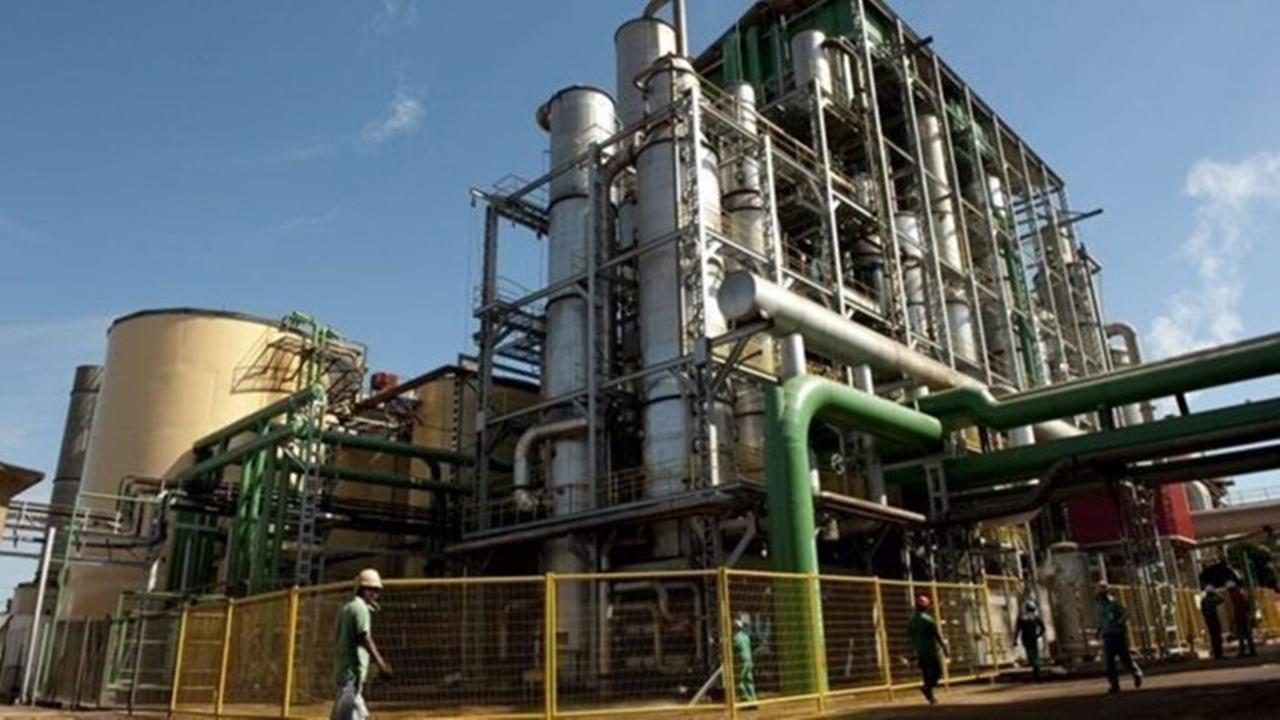

Sales Volume of Hydrated Ethanol Marketed in Brazil by Distributors Surged and the Sale of the Biofuel Reached 1.5 Billion Liters in April
The commercialization of hydrated ethanol by distributors surged in April, and the sale of the biofuel reached 1.5 billion liters, a 25.20% increase compared to the same month in 2020 (1.2 billion liters). The data is from the National Agency of Petroleum, Natural Gas and Biofuels (ANP).
Read Also
- Volkswagen Announces Installation of Moura Battery Factory in Its Industrial Complex in RJ for Production of Brazil’s First Electric Truck!
- Gasoline, Ethanol, Diesel and CNG Prices Keep Rising and the Latest Fuel GNC Came to ‘Save’ App Drivers, Taxi Drivers and Workers
- The Sale of Hydrated Ethanol Between Distributors Was Definitively Prohibited by the National Agency of Petroleum, Natural Gas and Biofuels
- Ethanol Price Surges and Reaches Nearly R$ 7 at Fuel Stations; Reduction Promises to Arrive in the Coming Weeks to Ease Consumers’ Wallets
- Brazil, the Largest Producer of Ethanol and the Second Largest Producer of Biofuel in the World, Has Real Conditions to Achieve Zero Carbon Emissions Before 2050
- Gasoline, Ethanol and Diesel Prices Keep Rising, Lawmakers Refuse to Change ICMS Amidst Soaring Fuel Prices and Petrobras ‘Pays the Price’
The ANP informed, through a press release, that this was the second highest monthly sales volume for the month of April in the historical series that began in the year 2000, only lower than the volume sold in April 2019 (1.8 billion liters).
Compared to March (1.6 billion liters), there was a decline of 2.58% in the total sales volume of ethanol in April and an increase of 0.67% in the daily average sales of the biofuel.
-
Many Unaware: Seniors Entitled to Monthly Income, Free Transport, Medication, and Property Tax Exemption in Brazil

-
Brazilian Farmers Develop Wheeled Metal Lever to Ease Cassava Harvesting Without Heavy Machinery

-
Brazil’s BNDES Funded Metro and Steel Plant Projects in Venezuela with Brazilian Support
-
Abandoned Building in Brazil to Become Biotechnology Unit with $10 Million Investment, Bridging Science, Industry, and Public Health


For the first four months of 2021, sales of hydrated ethanol totaled 6.4 billion liters. This volume represents an increase of 1% compared to the same period last year.
According to the National Agency of Petroleum, Natural Gas and Biofuels, ethanol imports (anhydrous and hydrated) totaled 18 million liters in April this year, which represents a decrease of 87.52% compared to April of last year (144.4 million liters).
Raízen Will Help Brazil Expand Globally by Licensing 2nd Generation Ethanol Technology to Other Countries
Francis Queen, Vice President of Ethanol, Sugar and Bioenergy at Raízen, stated that the company can license second generation ethanol technology, or 2G, to other countries. “We need to have more producing countries; this is essential for ethanol to be a global commodity,” he said on May 25 during the Fenasucro & Agrocana Trends event.
Also present at the event was Pietro Mendes, Director of Biofuels at the Ministry of Mines and Energy. Mendes said the government is working to expand ethanol globally both in terms of public policies and with the private sector. “It’s important for other governments to understand how Brazil developed a public ethanol policy and how the regulation works. But this also doesn’t work without the private sector,” he said.
For Pablo di Si, Head of Volkswagen in Latin America, the current moment is critical in defining whether Brazil “will be a protagonist or not” in ethanol. “Technology and energy are changing very rapidly, and we need to embrace this.” When asked about electric vehicles powered by ethanol, he said that more research is still needed.
Ethanol Generates 90% Less Emissions Than Gasoline and Is Internationally Recognized for Not Posing a Risk to Native Forests
Vehicles with flex engines were launched in Brazil in March 2003, and since then, the new technology allowing the use of ethanol fuel has prevented the emission of more than 566 million tons of CO2 in the atmosphere, reported the Sugarcane Industry Union (Unica). This volume is equivalent to the annual emissions combined of neighboring countries: Argentina, Venezuela, Chile, Colombia, and Uruguay.
The information was based on the methodology for measuring greenhouse gas (GHG) emissions standards of fuels established by the National Biofuels Policy – RenovaBio, and utilized data from the National Agency of Petroleum, Natural Gas and Biofuels (ANP).