





 Portuguese
  English
  Spanish
  4 min of reading
  0 comments



Fuel Prices Remain High in Brazil: Diesel Saw Sharp Drop at Petrobras, but Discount Barely Reached the Pumps.
Despite the series of cuts made by Petrobras since 2023, the price of fuels, especially diesel, remains high for the end consumer in Brazil.
Between January 2023 and December 2025, the price of diesel sold by the state-owned company to distributors accumulated a decline of 27.4%, while at the pumps, the reduction was only 6.9%, according to official data from the Ministry of Mines and Energy.
The difference exposes a mismatch caused by taxes, margins in the distribution chain, and increased biodiesel.
-
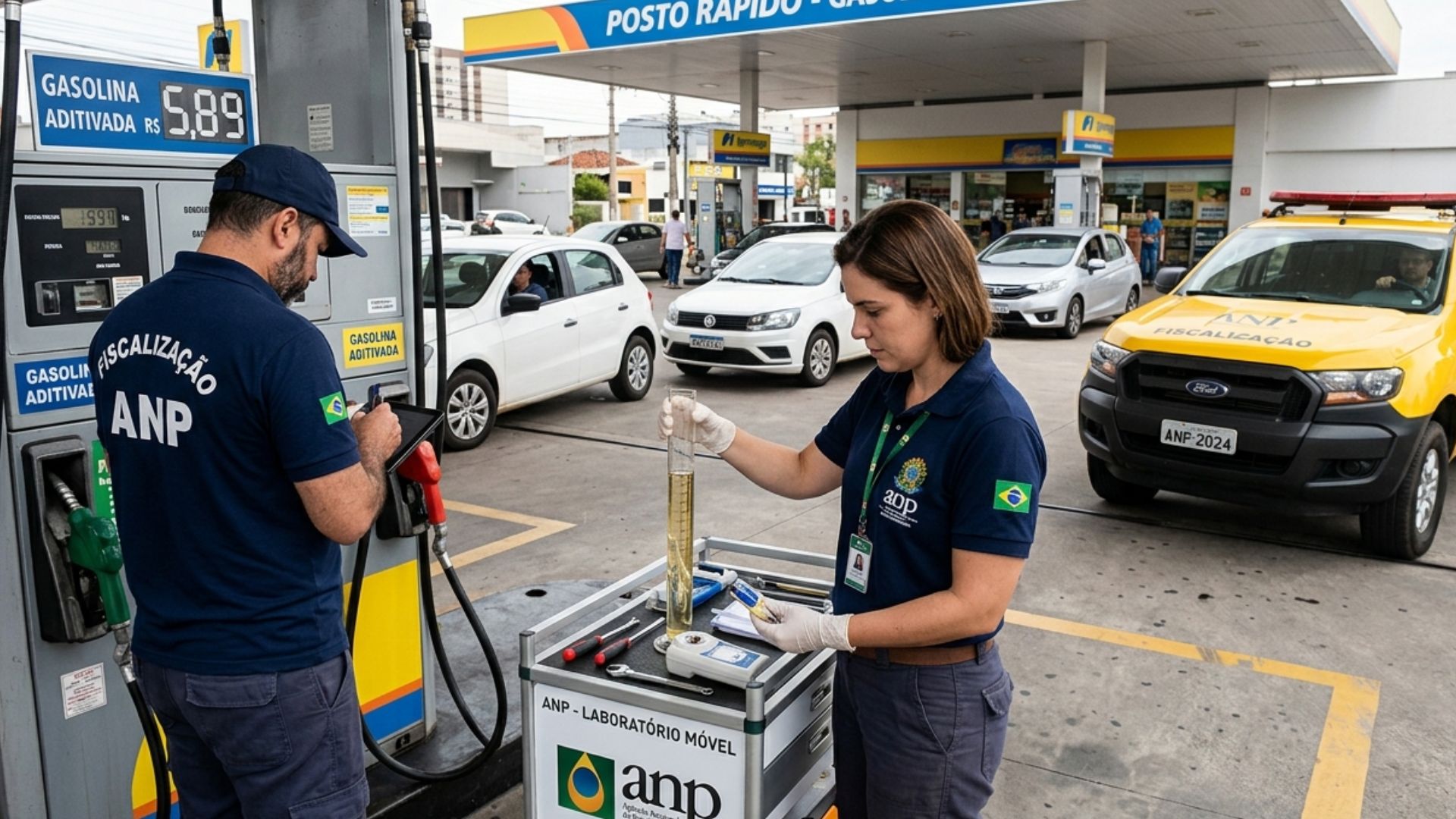
Fuels come into focus: national task force expands oversight at over 5,300 fuel stations, identifies price distortions, and promotes measures that enhance consumer protection and transparency in the sector.
-
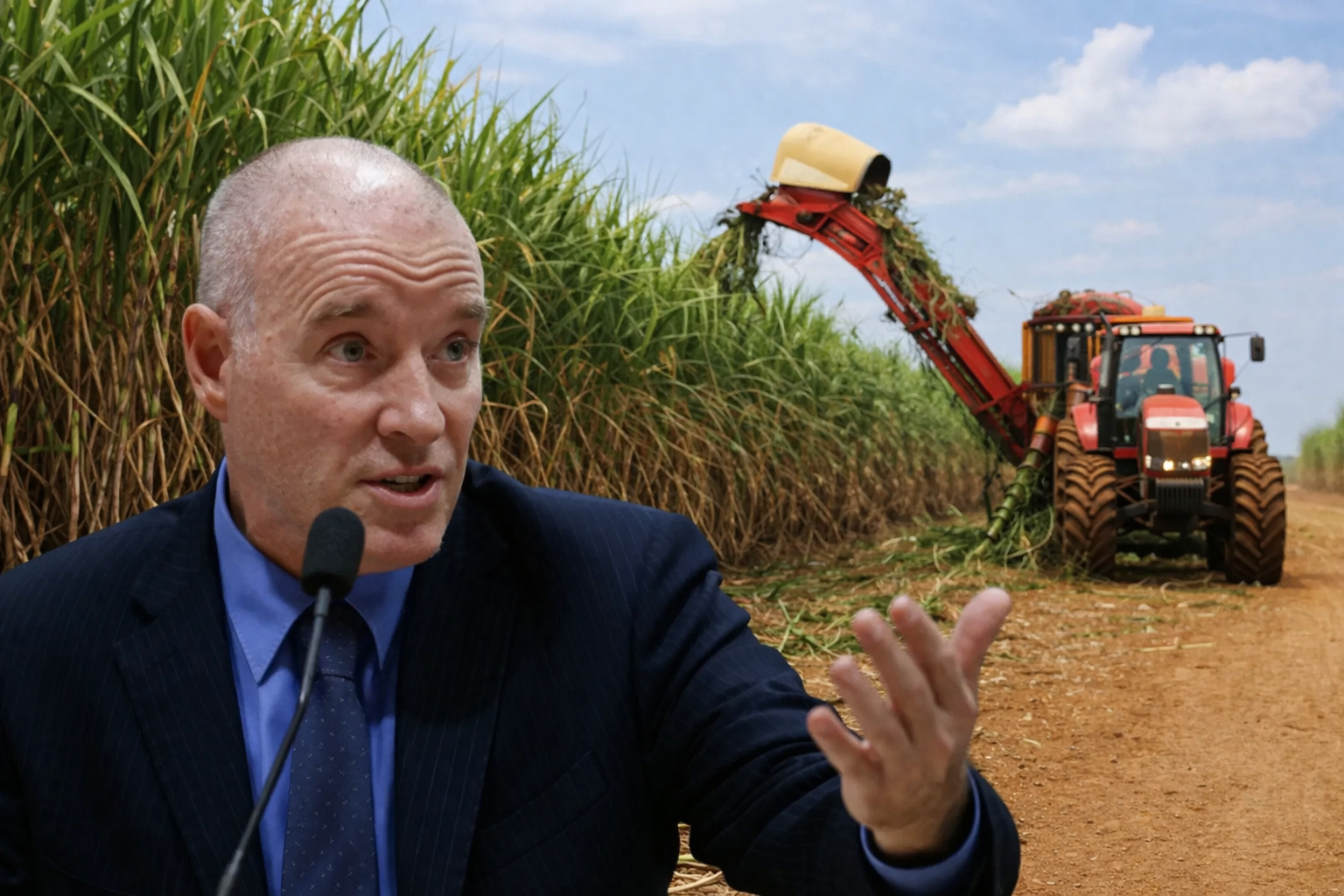
3 times more ethanol per hectare can be produced with Eike Batista’s supercane amid rising gasoline prices — how can this technology change fuel prices in Brazil?
-
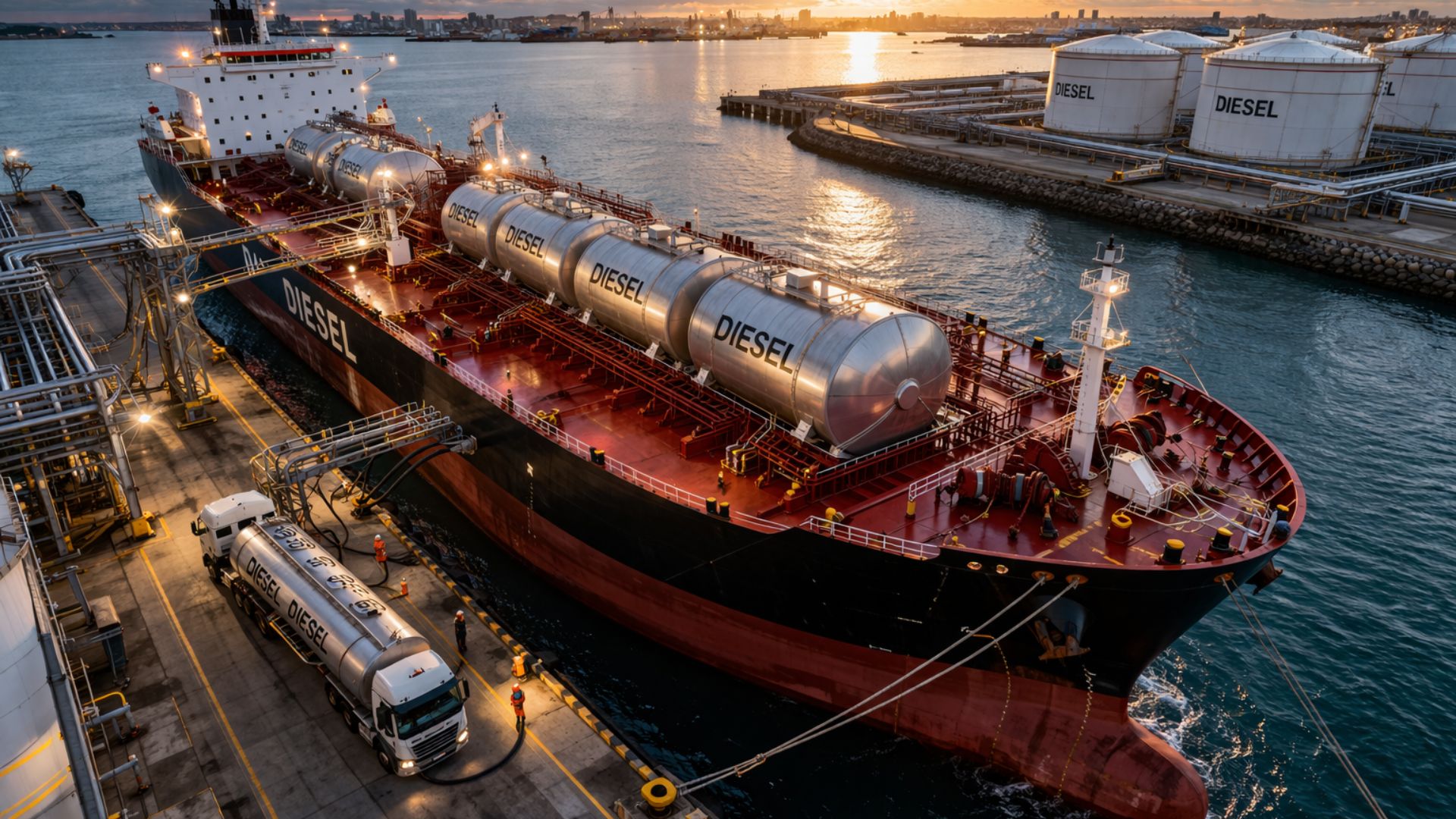
Former president of IBP highlights that dependence on diesel imports pressures prices in Brazil, increases vulnerability to global crises, and underscores the need for more robust and sustainable energy policies.
-
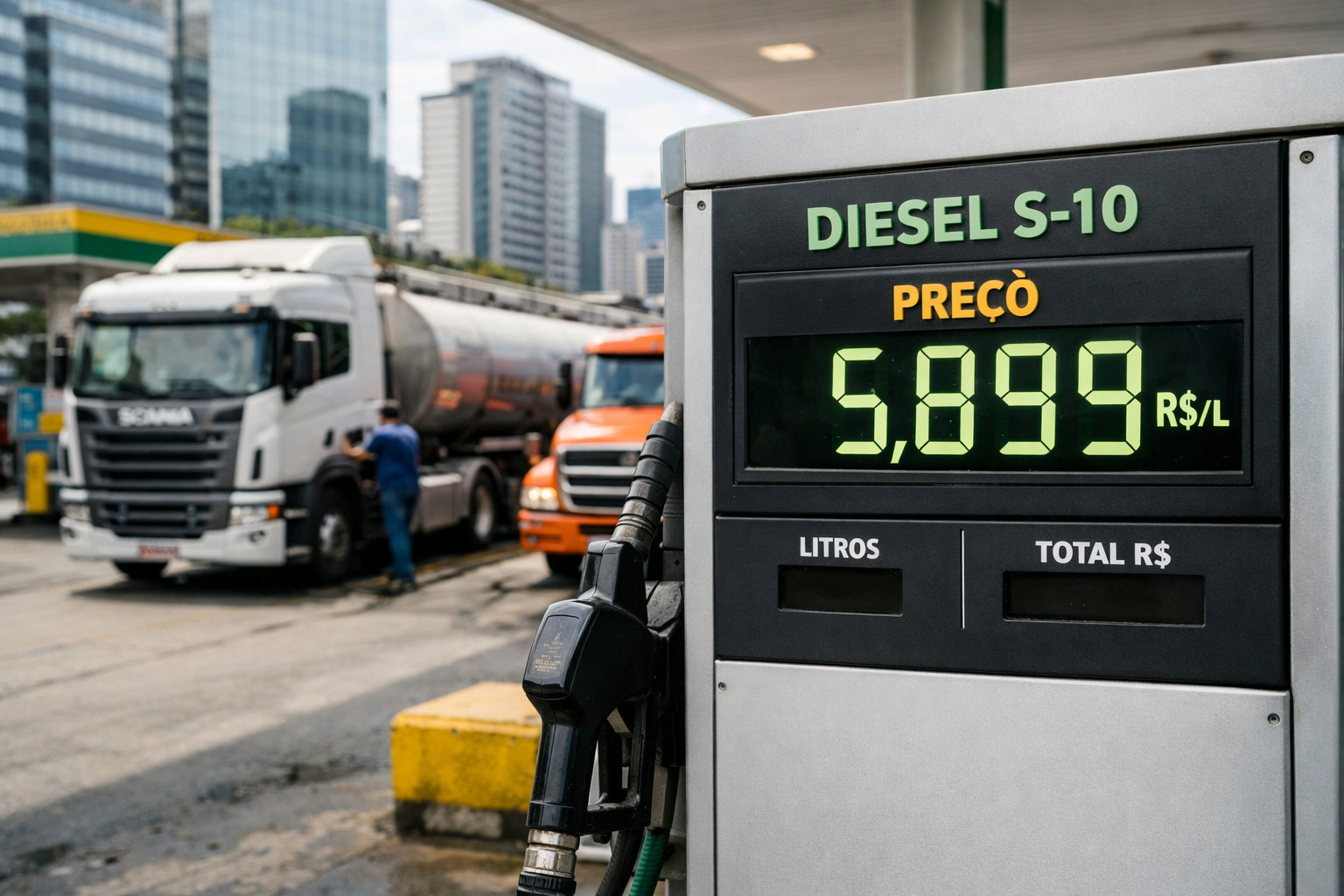
Middle East War Drives Up Oil Prices, And Petrobras Increases Diesel: Fuel Reaches R$ 3.65 Per Liter At Distributors

Cheaper Diesel at Petrobras Since 2023
The first adjustment authorized at the beginning of the current administration occurred on January 7, 2023. At that time, Petrobras was selling diesel for about R$ 4.05 per liter to distributors. Since then, the state-owned company has made new cuts, bringing the price down to R$ 2.94 in the latest adjustment on December 6, 2025.
Thus, from Petrobras’s point of view, the drop was significant. The pricing policy aimed to align internal values with international market conditions and reduce volatility. However, the practical effect for those fueling trucks, buses, and diesel vehicles fell well below expectations.
Drop in Diesel Prices at the Pumps is Limited
While Petrobras’s pricing retreated sharply, the end consumer felt little relief. The national average price of diesel per liter fell from R$ 6.51 in January 2023 to R$ 6.06 currently.
This represents a decline of only 6.91% during the period. In practical terms, the price of fuels continues to pressure transportation, food, and industrial product costs throughout Brazil.
Federal Taxes Weighed Heavily Again
Part of this difference is linked to the resumption of the tax burden. At the end of the previous government, federal taxes on diesel had been eliminated to contain rising prices, which reached R$ 7.67 per liter in July 2022.
Currently, the federal government is again collecting R$ 0.32 per liter in federal taxes. Therefore, even with the drop in diesel prices at Petrobras, the return of taxes nullified part of the discount to consumers.
Uniform ICMS Raised the Burden in the States
In addition to federal taxes, the states have increased their share in the final price. Since February 2025, the so-called monofasic ICMS taxation on fuels has been in effect, with a uniform rate across the country.
At the beginning of 2023, states charged around R$ 0.79 per liter. Today, that amount is R$ 1.12, an increase of 41.77%. Thus, the ICMS practically kept pace with the increase in federal taxation, reducing the impact of the drop implemented by Petrobras.
Production Matters More, but Doesn’t Decide Alone
According to experts, the production price is still the largest component of diesel, but it is far from being the only determining factor.
“The final price of diesel is a combination of different factors, with the production price — the portion from Petrobras — being the largest component,” explains Márcio D’Agosto, a full professor of transportation engineering at COPPE at UFRJ. “Other factors include federal taxes (PIS/Cofins) and state taxes (ICMS), the price related to the addition of biodiesel, and the margins of both the distributor and fuel stations.”
Privatization of BR Distribuidora Enters the Debate
For D’Agosto, the privatization of the former BR Distribuidora, now Vibra Energia, is at the root of the distortion. “The government lost control over the prices charged by distributors,” he states.
According to him, the change reduced competition and weakened public policy tools aimed at the price of fuels, which involve not only economics but also energy security in Brazil.
Distributor Margins Remain Opaque
Under the current model, distributors buy pure diesel, bear taxes, biodiesel costs, and logistics, and then add their own margin before passing it to the stations.
“This margin is a commercial secret and, of course, is not disclosed by the distributors,” emphasizes D’Agosto. This complicates public monitoring and amplifies the perception that the drop at Petrobras dissipates along the chain.
Biodiesel Raises the Final Price of Diesel
Another relevant factor is the increase in the mandatory mix of biodiesel. Between 2023 and 2025, the percentage rose from 10% to 15%.
Additionally, the price of biodiesel increased from R$ 0.58 to R$ 0.88 per liter. “Biodiesel today is more expensive than fossil diesel,” explains Edmar Almeida, a professor at the Energy Institute of PUC-Rio. “This raises the average final price.”
Direct Impact on Transport and the Economy
In 2024, Brazil consumed about 67 billion liters of diesel. The fuel accounts for up to 40% of a transport company’s operating costs and directly influences freight prices.
As road transport moves about 60% of goods in the country, the cost of diesel affects the entire production chain. On average, freight represents 30% of the final cost of products.
Reducing Taxes Would Be the Only Immediate Solution
According to experts, the only quick way to lower the price of fuels would be to reduce taxes. However, this would require governments to forgo about R$ 75 billion in revenue, with R$ 21 billion from the federal government and R$ 53.6 billion from the states.
Stations and Transporters Respond to Criticism
From the side of the stations, Fecombustíveis rejects the role of villain. “Margins are getting tighter and tighter,” says James Thorp, president of the entity.
On the other hand, the transport sector also feels the effects. “The market is unstable, with low cargo volume, which makes it difficult to implement adjustments,” says Marcelo Rodrigues, president of SETCESP. He also points to the privatization of BR Distribuidora as one of the obstacles to a more significant drop in diesel prices in Brazil.









Seja o primeiro a reagir!