






 Portuguese
  Spanish
  2 min of reading
  0 comments


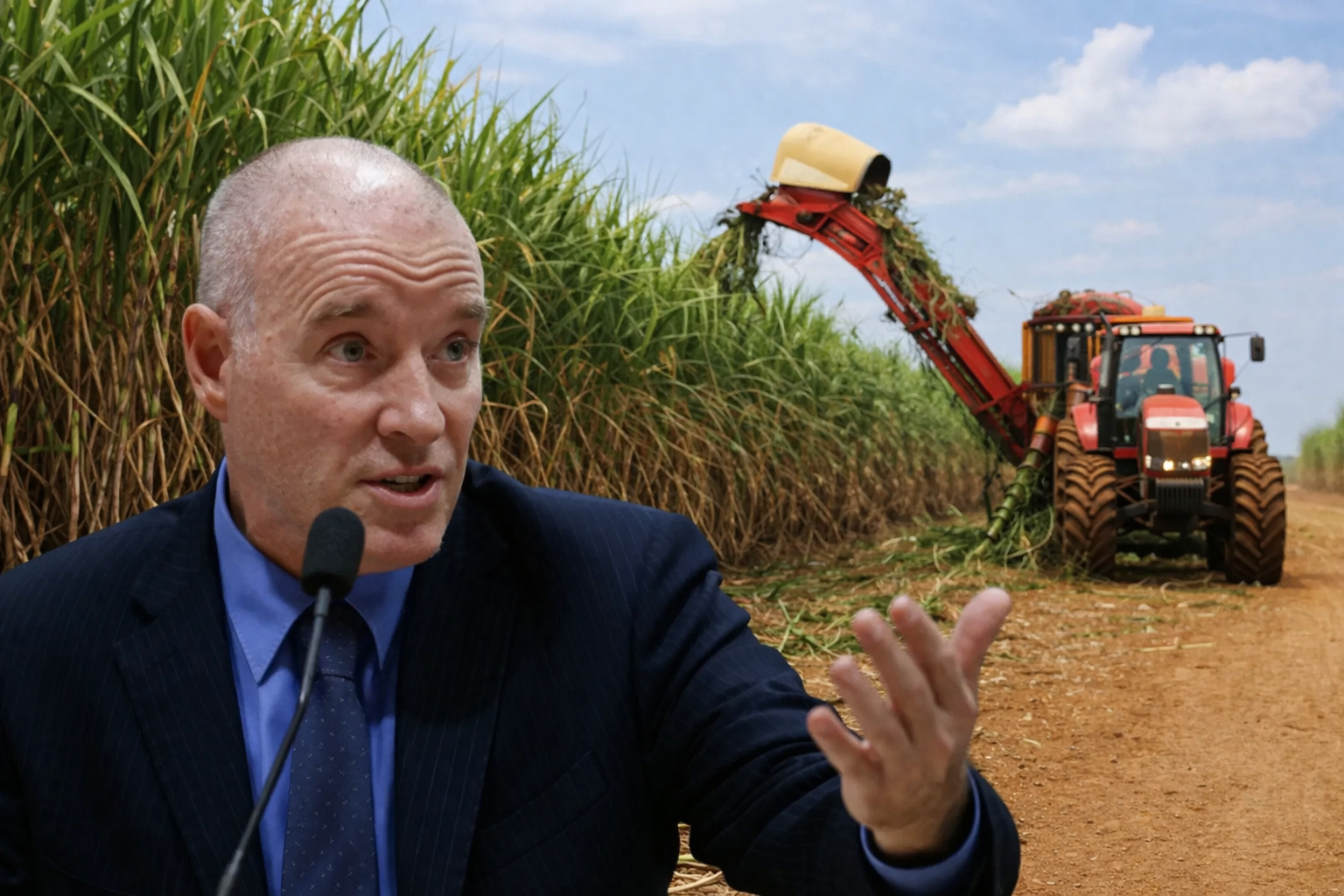
Project based on supercane promises to increase ethanol production, reduce costs, and impact the energy market in Brazil
In 2026, amid rising gasoline prices, businessman Eike Batista returned to the spotlight with a new energy proposal.
The initiative presents the so-called supercane, a technology aimed at producing biofuel with greater efficiency.
The project emerges in a scenario of expensive fuels, which increases market and consumer interest.
-
Drivers are falling for these scams without realizing: operation reveals closed gas stations, adulterated fuel, and hidden losses when refueling.

-
New Fiat EV, priced at R$ 77,000, will bring a reinterpretation of the 147 and a consumption equivalent to 70 km/l.

-
Petrobras surprises the market by cutting diesel by R$ 0.35 per liter, and the decision may ease the tax impact for drivers and transport companies.
-
Gasoline at R$ 4.99 makes drivers wait more than an hour at Havan gas stations in Santa Catarina, during a “zero tax” promotion with a limit of 15 liters per car and 25,000 liters available across five units of the network.





An energy proposal focused on high productivity
The project’s foundation uses a genetically modified sugarcane, designed to enhance production.
According to the businessman, this plant generates up to three times more ethanol per hectare compared to traditional cane.
This technological advancement positions itself as a competitive differential while increasing curiosity about its impact on final prices.
Biofuel can serve as a more accessible alternative
The proposal does not represent conventional gasoline, although the public refers to it as “new gasoline.”
The fuel derived from supercane acts as a cleaner and more economically viable alternative, with large-scale production.
According to Eike Batista, the high productivity allows for a final cost similar to that of kerosene, which enhances competitiveness.


Project will be developed in the north of Rio de Janeiro
The project is in its initial phase and is moving towards installation in the north of Rio de Janeiro, near the Port of Açu.
The strategy aims to enable large-scale production with a focus on export, expanding commercial reach.
The biomass generated by supercane also serves for the production of biodegradable products, expanding applications.
Experts evaluate potential with caution
Experts analyze the proposal with caution, although they recognize the potential of the technology in the Brazilian context.
Brazil has a solid tradition in ethanol production, which strengthens initiatives of this kind and increases market interest.
The advancement of the project could create a more sustainable and economical alternative, even without defined timelines.
Price has not yet been defined for the consumer
The consumer still does not know the price of the fuel at the pumps, which keeps expectations about the final cost.
The projection points to a product cheaper and less polluting, which reinforces public interest.
The project continues to be monitored, raising reflections on the future of fuels in Brazil.
In light of this scenario, can supercane really transform the Brazilian energy market in the coming years?





Be the first to react!