





 Portuguese
  English
  Spanish
  2 min of reading
  0 comments


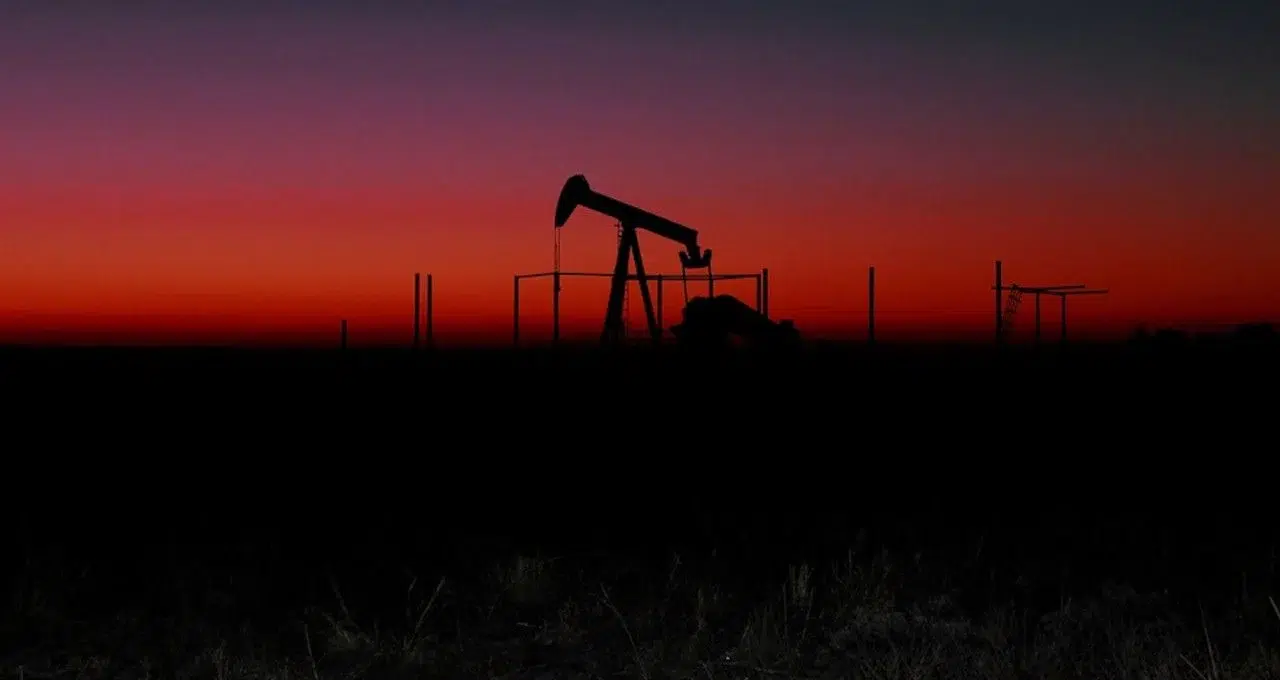
The Middle East Faces Volatility in 2024 with Ceremonies Honoring Military Personnel and Rebel Attacks. Price Changes and Conflicts Remain Concerning.
Conflicts in the Middle East continue to cause instability in the region. Recent attacks in Iran, Israel, and Yemen heighten tensions and concerns regarding the price of oil. With the world’s largest oil producers located in this area, it is natural that changes in the price of oil impact global markets. However, to what extent can this instability affect the Brazilian economy?
The price of oil changes daily, influenced by various factors such as production, export, geopolitical conflicts, and demand. Currently, WTI and Brent crude oil prices range from $70 to $80 per barrel. According to analysts at Bank of America, Brent crude is expected to average $80 per barrel in 2024. Despite the volatility, Petrobras’ new pricing policy and advances in pre-salt exploration should keep prices for petroleum derivatives, such as gasoline and diesel, stable in Brazil. However, extreme geopolitical events may still generate more pronounced influences on international oil prices.
Oil Prices Drop After Price Changes During Ceremony
-
Brazilian giant expands borders in the Southeast: Petrobras confirms new oil discovery in ultra-deep waters in the pre-salt of the Campos Basin.

-
Alert in the global energy market: Severe tropical cyclone hits the coast and disrupts gas production at major plants in Australia, threatening global supply.

-
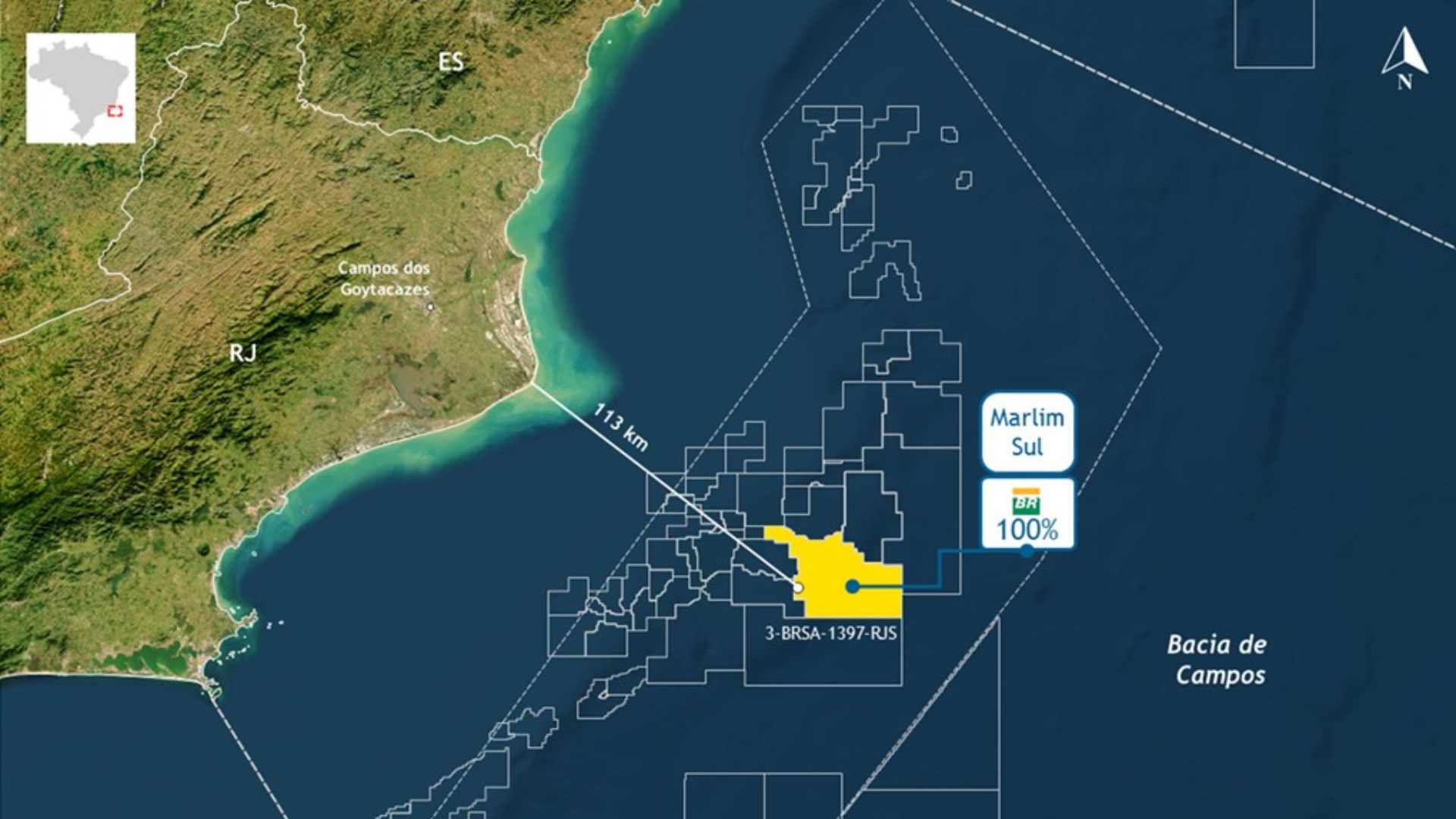
Petrobras finds high-quality oil in the pre-salt at 113 km from RJ and reignites expectations about strategic reserves in the Campos Basin.

-
Ocyan opens registrations for startups focused on innovation in the oil and gas sector and will select projects for Innovation Day with the support of Nexio.


The price of oil saw a significant drop this week, following price changes during the opening ceremony of the New York Futures Exchange. The volatility of oil prices has been a topic of discussion in global markets amidst conflicts in the Middle East and the attacks on oil facilities. Experts point out that the recent decline is linked to tensions between ISIS and Houthi rebels, which have impacted the production of oil in the region.
In the last trading session, the price of oil closed at $60.50 per barrel, reflecting investors’ uncertainty about supply and demand for the commodity. The expectation is that volatility will continue in the coming days, due to recent attacks on oil facilities in the Middle East. Analysts also warn of the possibility that oil prices could reach values close to the record highs seen earlier this year if the situation in the Middle East worsens.
In light of this scenario, the oil industry has been seeking alternatives to ensure market stability, considering the unpredictability of geopolitical conditions. Additionally, the expectation of a rebound in global oil demand has influenced price projections for the coming months. Despite the uncertainties, the price of oil remains one of the key economic indicators worldwide, reflecting the interconnectedness between financial and geopolitical markets.
Source: MoneyTimes









Seja o primeiro a reagir!