Portuguese
  Spanish


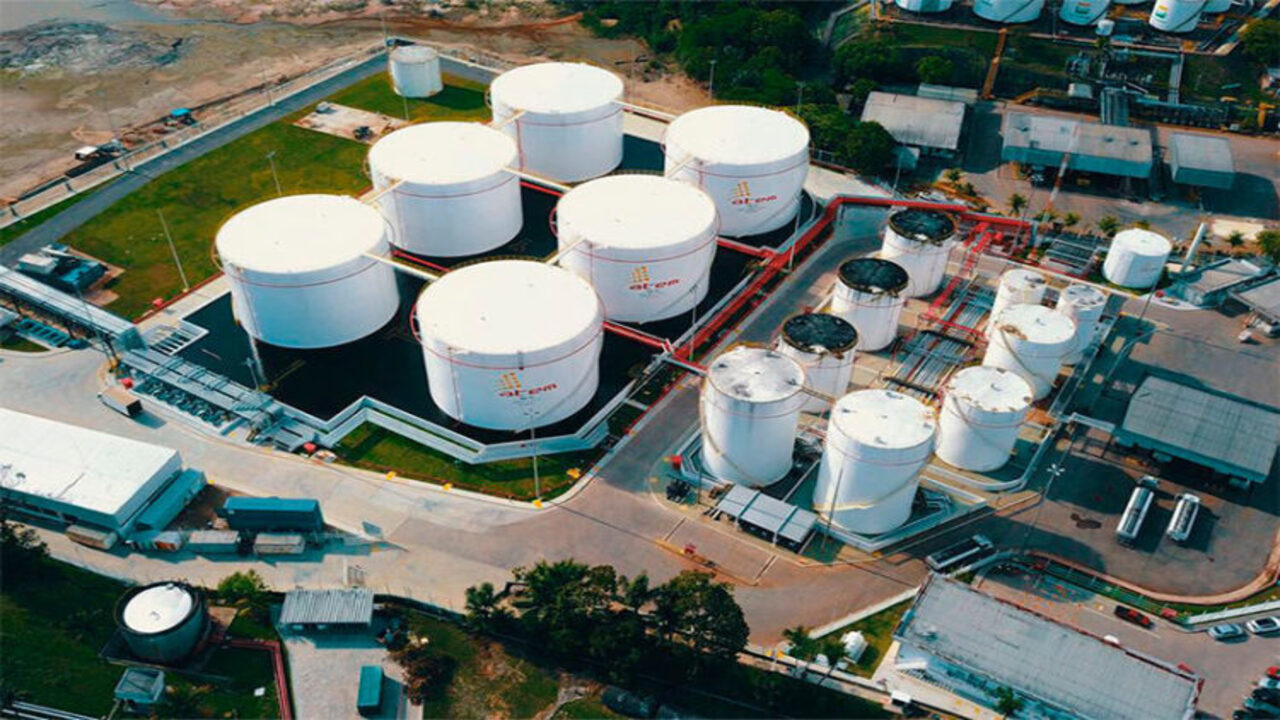

Since Petrobras Announced Change in Its Pricing Policy, the Amazon Refinery (Ream) Has Caused Debates About Its Impact on Consumers.
The refinery stated that it will maintain parity with the international oil market. In light of this scenario, Ream announced that the new pricing policy from Petrobras “does not interfere” with the pricing structure. Ream also stated that the parity model with the international market improves the reflection of production costs.
The change in the pricing policy of Petrobras aims to offer more competitive prices in the national market. The commercial strategy seeks to balance with international markets and provide the best alternatives to customers. The expectation is that this change will reduce price volatility and bring more stability.
Ream and Its Petrobras Pricing Policy
Despite the change in the pricing policy of Petrobras, Ream emphasized that there were no changes in its own. Ream stated that, just this year, it has reduced gasoline prices 12 times, with four reductions between April and May. The Amazon Refinery highlighted that it does not set the final fuel prices for distributors and gas stations.
-
Oil production grows in Rio, but reserve replacement raises a warning sign

-
Petrobras is expected to complete the drilling of the Morpho well in the Foz do Amazonas in August 2026, the first well in the Equatorial Margin, an oil frontier that the ANP estimates at more than 30 billion barrels and could redraw the map of Brazil.

-
Oil returns to the center of concerns with tension between the US and Iran

-
IEA reduces forecast for global oil demand in 2026 after impacts of the Middle East crisis



Ream is one of Petrobras’s companies that maintains its activities in the Northern region of Brazil. The company is responsible for large-scale oil refining and has a production capacity of about 46 thousand barrels of oil per day.
Pricing Policy: Campaign Promise
The issue of fuel prices in Brazil is a controversial topic and has been discussed for years. Petrobras’s pricing policy was based on the premise of price fluctuations in accordance with international values. This practice has been criticized by those who believe that such variation causes a disproportionate increase in fuel prices.
Petrobras Announces Change in Pricing Policy