





 English
  Francês
  Alemão
  Italiano
  Japonês
  Norueguês
  Portuguese
  Spanish
  4 min of reading


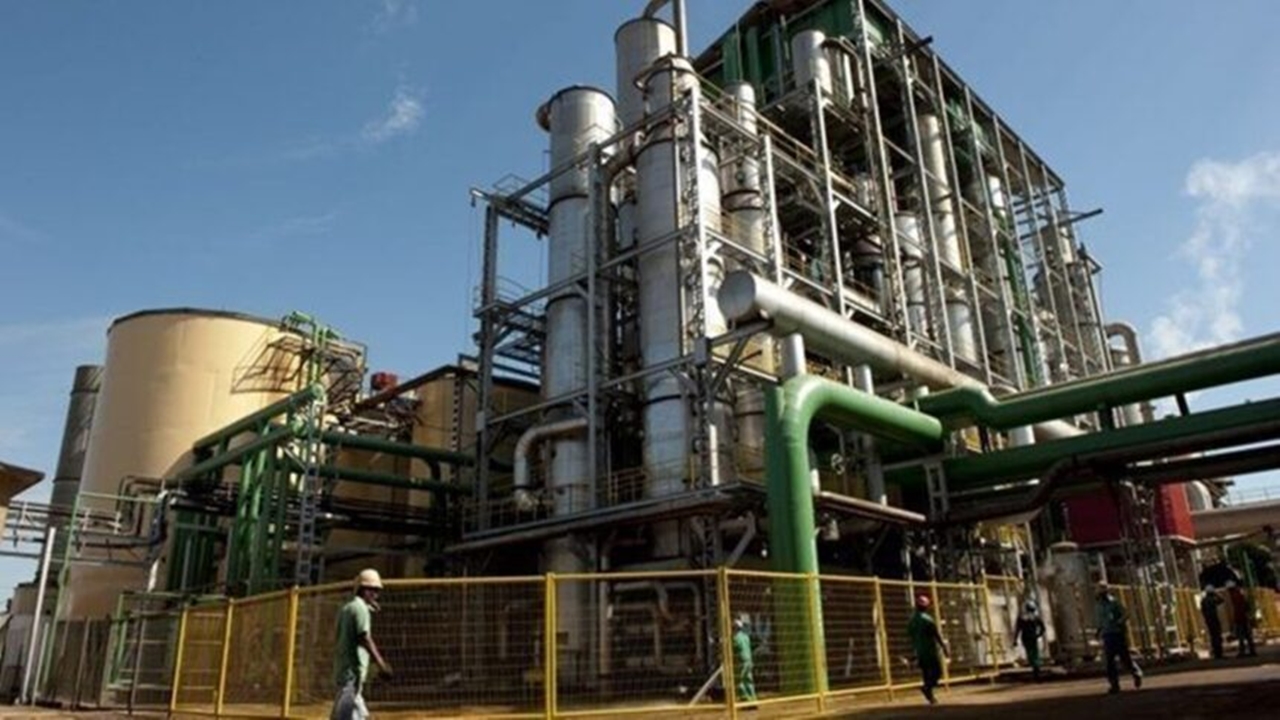
Ethanol Reached Record Prices Throughout the Year, but Anhydrous Proves More Advantageous for Mills as Gasoline Prices Continue to Rise in Brazil
Ethanol mills are betting on anhydrous, which is mixed with gasoline, and the fuel is gaining space in Brazilian production. In the first three months of the 2021/22 sugarcane harvest, from April to June, 35.54% of the total produced in the Center-South was anhydrous. This share is expected to grow, according to the Commercial Director of BP Bunge Bioenergia, Ricardo Busato Carvalho. “Our market intelligence predicts that, by the end of the harvest, nearly 40% of ethanol production in the Center-South will be anhydrous,” he said.
Also Read
- On top of the high prices of gasoline, diesel, ethanol, and cooking gas, Brazilian wallets have to face the surge in electricity prices, caused by the worst water crisis in recent times
- Ethanol and gasoline prices register the smallest increase in the Southeast region, providing relief for app drivers, taxi drivers, and workers
- Rise in gasoline, diesel, ethanol, and rubber prices hits consumers hard at both gas stations and grocery aisles and raises alarm bells for transport companies
- Hydrated and anhydrous ethanol: from the mill to the pump, see the difference between the fuels used for fueling, but in different ways
- Demand for ethanol is expected to drop with the accelerated arrival of electric cars in the country, and Brazil will flood the global sugar market
According to the data, this season, the share of this type of ethanol in total production is the highest for the period since 2017/18, when Brazil was still undergoing a change in gasoline pricing policy that began to see more frequent adjustments based on international parity.
Anhydrous Ethanol Prices Prove More Advantageous
Currently, anhydrous has proven to be more economically advantageous than hydrated ethanol – which is added directly to vehicles, without any mixture.
-
While Russia dominates the global wheat market, Brazil emerges as an unexpected competitor in the Cerrado, offering grain available in July and August when stocks in the Northern Hemisphere are at their lowest point of the year.

-
China returned almost 20 Brazilian ships with soybeans, but now everything could change: the country that buys 80% of the grain is considering relaxing regulations after impurities held up shipments of thousands of tons and caused million-dollar losses.
-
Chinese giant worth nearly R$ 4 billion that manufactures cables for electric cars, solar energy, and robotics wants to open a factory in SC.

-
Many employers do not know, but the law guarantees domestic workers a 25% increase in salary during trips, 50% for overtime, 20% for night shifts, and 17 additional benefits that can lead to labor lawsuits if not paid.

“This harvest, the price of anhydrous has risen significantly,” says Stonex sugar and ethanol consultant Bruno Lima. “In mid-May, (the price) reached 14% above hydrated.” Additionally, mills do not want to jeopardize the policy that mandates a 27% blend of the biofuel into gasoline C – industry entities representing distributors have called for a reduction of this percentage, citing the sugarcane harvest shortfall and the high price of the biofuel.
“No one wants to put this at risk,” said the technical director of the Sugarcane Industry Union (Unica), Antonio Padua Rodrigues. He recalls that the anhydrous ethanol market is regulated and has already been contracted with distributors.
Anhydrous is usually traded under annual contracts with distributors. Hydrated ethanol, on the other hand, is primarily sold in the “spot” market, or on-the-spot.
Ricardo Carvalho of BP Bunge Bioenergia sees the market capable of meeting the demand for fuels. “No country in the world can change the mix like Brazil, which also has good flexibility between anhydrous and hydrated,” he emphasized.
This view reflects that of the majority of the Brazilian sugar-energy sector, which considers the chance that supply will not meet demand to be small. Some suspect that distributors’ requests are more related to price than to availability.
Ethanol Prices Reached Record Highs Throughout the Year
Ethanol prices reached record highs throughout the year, due to the expectation of a sugarcane harvest shortfall in Brazil, the rise in sugar prices, and a rebound in oil prices following a partial resumption of consumption with the start of COVID-19 vaccinations.
The importation of ethanol has also been lower this year, as the dollar and the price of corn (the raw material for biofuel in the United States, where Brazil seeks to cover any shortfall) discourage purchases from abroad. As a result, the biofuel also helps to push up gasoline prices. With the high volume of sugar already fixed by mills in a year of lower sugarcane production due to climate conditions, anhydrous and hydrated prices are expected to remain supported.
Lima of StoneX says that mills “are very committed to sugar fixation, so the space for mix changes is smaller.” Forward sales of the sweetener are at high levels. The price of sugar in reais reached nominal record highs throughout the year.
Many mills are considering changing mixes, but few are executing them,” says the analyst. “We see more contract cancellations due to performance related to the harvest shortfall than for switching to ethanol.”









Seja o primeiro a reagir!