Portuguese
  Spanish


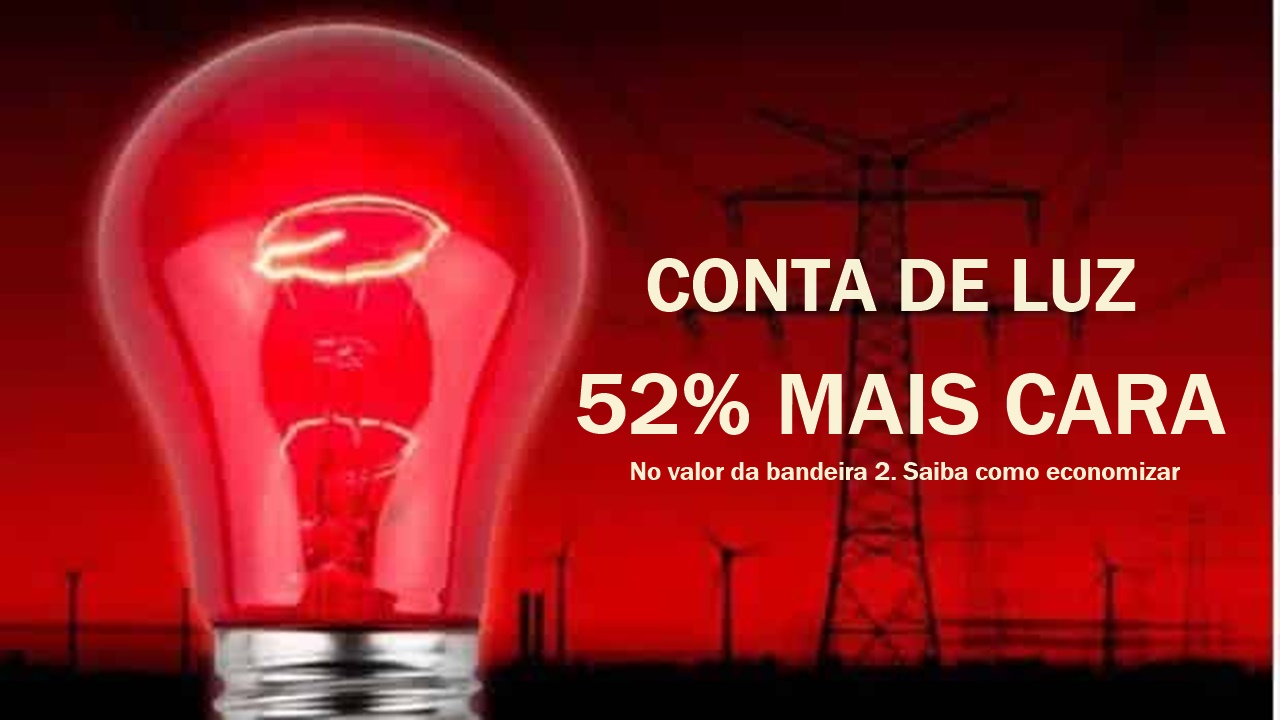

Scarcity Of Rain In Brazil In 2021 Is The Worst In 91 Years And Aneel Increases By 52% The Value Of The Red 2 Flag And Spikes In The Electricity Bill Affecting Brazilian Wallets Even More
The arrival of winter in Brazil brings, in addition to lower temperatures, the period of greatest drought in the country. With less rain, hydroelectric plants are significantly impacted during the coldest season of the year. According to the National Electric System Operator (ONS), the scarcity of rain in Brazil in 2021 is the worst in 91 years for electricity generation. In other words, as if the spike in the price of gasoline, ethanol, and diesel were not enough, Brazilian wallets will have to deal with the new 52% adjustment in Aneel’s electricity bill, with the red flag 2, which is the most expensive electricity level in the country.
Read Also
- Latin America’s Leading Mining Multinationals Invest In Smart Security To Accelerate Growth In The Sector
- Brazil Misses The Opportunity To Develop Its Own Electric Car, And Brazilians Will Have To Pay A Fortune And Submit To Imports
- Embraer, The World’s Third Largest Jet Manufacturer, Builds Exclusive Ground Runway To Test The Largest Aircraft Ever Made In Brazil, The Giant Military Cargo Plane C-390
- Portugal Calls Brazilian Labor For 400 Job Openings To Work At The French Multinational Natixis; No Age Limit
- The Brazilian Oil Giant Chooses SBM Offshore For A 26-Year Charter Of The Largest FPSO Platform In Brazil To Be Installed In The Largest Deepwater Oil Field In The World
Water Crisis In Brazil Leads Aneel To Implement A 52% Adjustment In The Value Of The Red 2 Flag, Which Is The Most Expensive Electricity Level In The Country
The water crisis in Brazil led the National Electric Energy Agency (Aneel), to state in June that there would be an increase of more than 20% in energy tariffs across Brazil due to the transition to red flag operations.
Aneel estimates that 67% of the energy generated in Brazil during 2021 comes from hydroelectric plants — those powered by water sources, such as rivers. The drought caused by the scarcity of rain leads to the activation of thermal power plants.
-
Robots Clean Solar Panels in Desert Power Plants Without Water, Preventing Energy Losses

-
Brazil’s Offshore Wind Energy Potential Worth $1 Trillion Stalled by Long-Delayed Agreement

-
World’s Largest Engie Solar Plant in Brazil Highlights Billion-Dollar Energy Waste Issue: Company Considers Batteries and Bitcoin Mining to Avoid Wasting Production

-
Air Products Cancels $2.9 Billion Clean Hydrogen Megaproject in Louisiana, Shuts Down Arizona Unit, Highlighting High Costs of U.S. Energy Transition


More rare and costly to operate, thermal power plants function by burning fossil fuels. The Ministry of Mines and Energy predicts that a cost of R$ 9 billion will be passed on to consumers starting in 2022, resulting in further increases in energy bills.
The current scenario led Aneel to apply a 52% adjustment in the value of the red flag 2, which is the most expensive electricity level in the country. The charges began in July and are expected to last until November 2021. The price jumped from R$ 6.24 to R$ 9.49 for every 100 kWh consumed.
Check Out The Video Below And Understand All Those Strange Names On Your Electricity Bill


Learn How To Save Electricity
The rational use of electricity can not only reduce the bill amount but also create more sustainable habits that can be maintained after the water crisis. Check below for good habits to adopt that will lighten your wallet:
- Turn Off The Lights: If you are not in a room, remember to keep the lights turned off.
- Pay Attention To Electronics: Items like TVs, radios, video games, and computers also consume energy while plugged in. Prefer to keep them disconnected from the outlets when not in use.
- Choose More Energy-Efficient Bulbs: Currently, it is much easier to find electronic or LED bulbs, which are more economical and sustainable models.
- Upgrade Your Air Conditioner: Modern air conditioner models with “inverter” technology help reduce energy consumption by detecting the correct cooling or heating need for the room. This is an important measure to save and lower the electricity bill. According to experts, an inverter model can be up to 70% more economical than traditional models.
- Don’t Place Clothes Behind The Refrigerator: This habit can impair the appliance’s motor operation, which was not designed to dry fabric pieces. Use the good old clothesline to dry your clothes.
- Take Short Showers: A hot shower is great, but it’s an enemy of your electricity bill. Electric showers are among the appliances that consume the most energy, so avoid very long showers.
- Make The Best Use Of Your Washing Machine: To avoid wasting water and energy, remember to use this appliance at its maximum capacity. If your machine has a heated water function, avoid using this resource.
- Use Heaters Wisely: In regions of the country where the cold is more intense, a heater can be a great comfort ally — but do not forget the impact of its frequent use on the electricity bill. To avoid waste, turn off the heater after reaching the desired temperature for the room.
- Avoid Dishwashers With A Hot Water Function: Cold water can be used for scrubbing plates and glasses. Reserve hot water only for rinsing.
- Opt For Products With The Procel Seal: The National Electric Energy Conservation Program classifies the most economical products. If you are buying a new appliance, look for the Procel A seal.