





 English
  Francês
  Alemão
  Italiano
  Japonês
  Norueguês
  Portuguese
  Spanish
  3 min of reading



Tension Between Russia and Ukraine Represents Risk to Global Oil and Natural Gas Market, as Russia Is the Second Largest Producer in the World, Only Behind the United States
According to projections by JPMorgan, oil prices could soar to US$ 150 per barrel if Russian crude oil exports are affected by tensions with Ukraine. An energy expert also assures that if there were a war between Russia and Ukraine, gas and oil prices would skyrocket. A barrel of oil would exceed US$ 100, and in the United States, a gallon of gasoline could reach US$ 4.
Read Also
- Petrobras Meets Production Goals, Sets Record in Pre-Salt, and Increases Refinery Loads in 2021; Results Demonstrate the Oil Company’s Commitment to Focusing on Oil and Gas Fields in Deep and Ultra-Deep Waters
- Arab Sovereign Fund Mubadala, of the Crown Prince of Abu Dhabi, Purchased the RLAM Refinery from Petrobras in Bahia, Increasing the Price of Gasoline and Diesel More Than the State-Owned Company
- Gasoline and Diesel Prices May Plunge and Be Up to R$ 3.00 Cheaper If the Senate and Congress Create a Fund with Profits Gained by the Government from Rising Dollar and Oil Prices to Subsidize Fuel Adjustments
- Despite US Sanctions, Iran Has Been Sending Gasoline and Oil Products to Venezuela; During the Administrations of Hugo Chávez and Mahmoud Ahmadinejad, the Countries Became Strategic Allies, and More Oil Has Been ‘Emerging’ from the Depths of Venezuelan Soil
JPMorgan emphasizes how a potential invasion of Ukraine would cause widespread ripple effects, which would be felt by inflation-weary consumers worldwide. “Any disruptions in oil flows from Russia, in a context of low unused capacity in other regions, could easily send oil prices to US$ 120,” wrote Natasha Kaneva, head of global commodities strategy at JPMorgan, in a report published at the end of last Tuesday.
Peak of US$ 91 in the price of oil per barrel, which reached a new seven-year high last Wednesday, would further increase fuel prices at the pump.
-
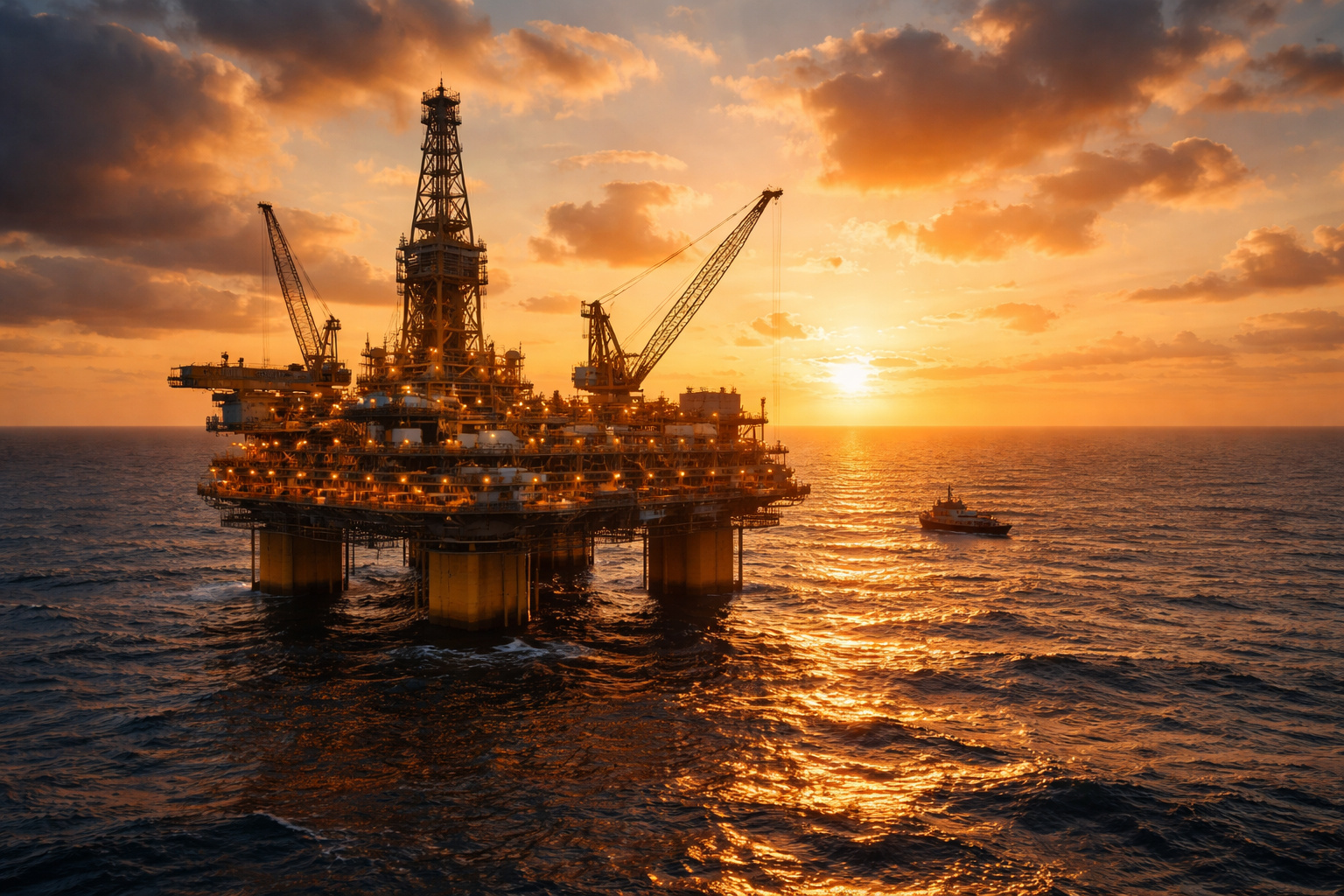
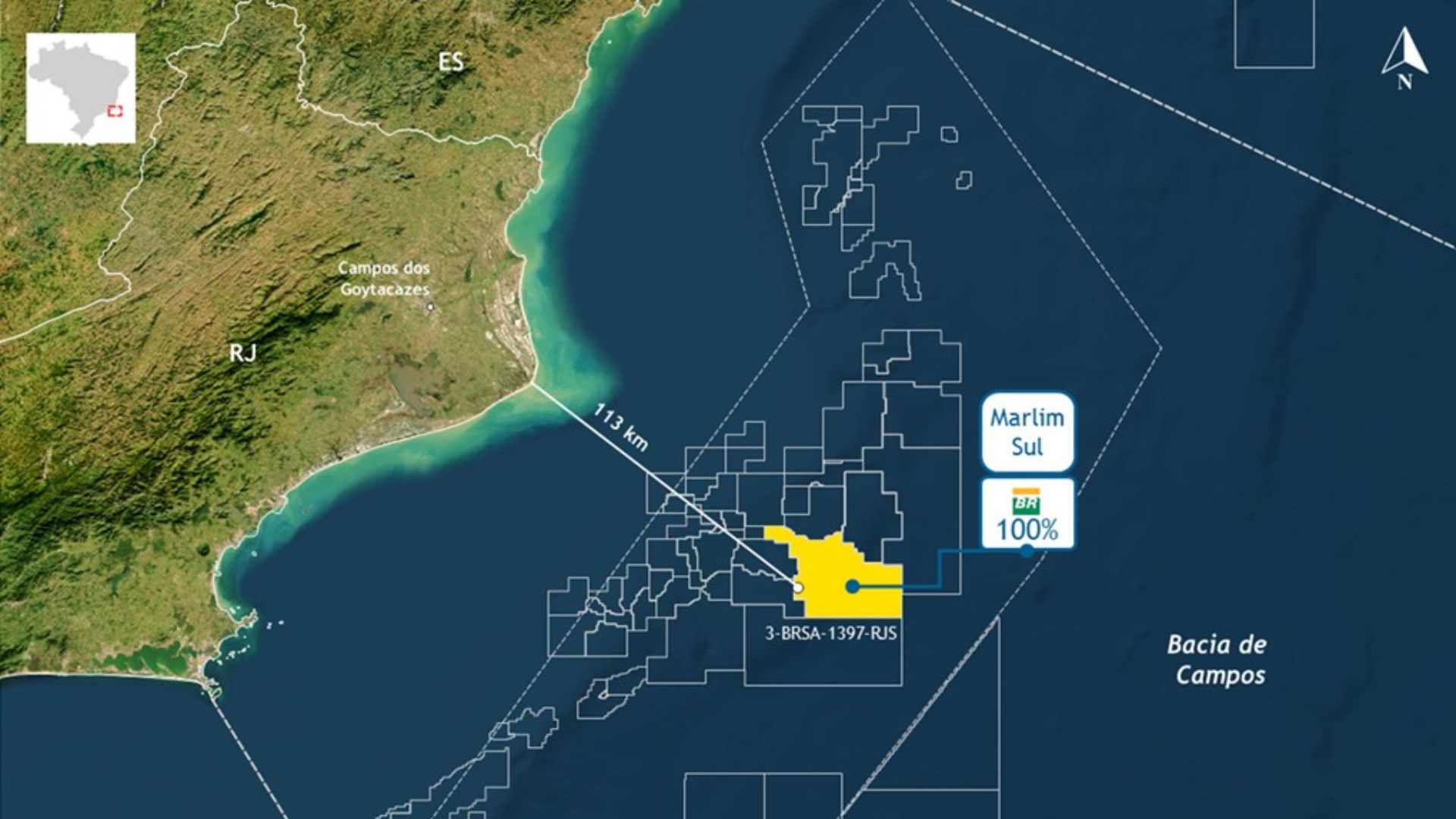
Petrobras finds high-quality oil in the pre-salt at 113 km from RJ and reignites expectations about strategic reserves in the Campos Basin.
-
Ocyan opens registrations for startups focused on innovation in the oil and gas sector and will select projects for Innovation Day with the support of Nexio.

-
Petrobras announces new oil discovery in the pre-salt of the Campos Basin and reinforces Brazil’s prominence with high-quality reserves that can increase production and energy revenues.
-
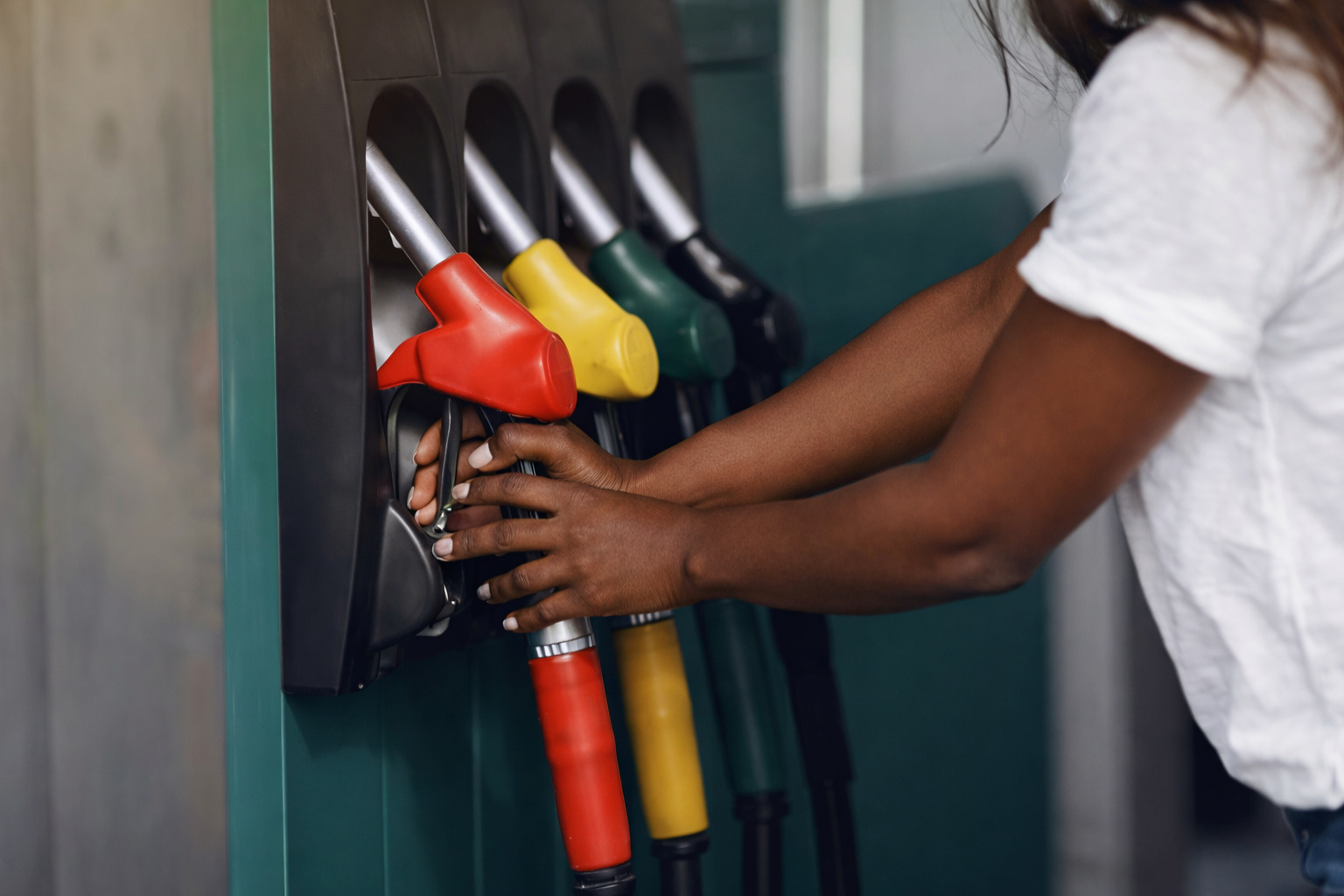
Alert in the fuel market: Analysts and a former director of ANP warn that oil prices may worsen in the coming months due to global instability.

JPMorgan warned that if Russian oil exports are cut in half, Brent oil prices would likely surge to US$ 150 per barrel. The highest all-time price for oil was established in July 2008, when Brent soared to a record US$ 147.50 per barrel.
Russia-Ukraine Tensions Have Helped Inflate Oil Prices Worldwide in Recent Weeks
The Russia-Ukraine tensions have helped inflate oil prices in recent weeks. Brent crude oil hit a fresh seven-year high of US$ 94 per barrel on Monday, although it has since retreated to US$ 91.
Russia is the second-largest producer of oil and natural gas, only behind the United States in each category. The country plays a key role in OPEC+, the group of producers that has only gradually added back production that was sidelined during the early days of Covid. The Russia-Ukraine crisis presents several risks to the oil market.
First, such a conflict could potentially harm energy infrastructure in the region. Second, Western powers might seek to punish Russia by imposing sanctions that affect the country’s energy exports, although US authorities have signaled a preference for penalizing other sectors of its economy first.
And then there is the risk that Russian President Vladimir Putin would retaliate by weaponizing oil and natural gas exports. Higher natural gas prices in Europe would increase demand for oil as factories and power plants shifted to oil.
Russia is also the top producer of natural gas — and its largest customer is Europe, which is already dealing with very high domestic heating costs. “Any disruption in exports from either of the main pipelines could put Europe’s natural gas balance in a precarious position, especially considering that 2022 began with record gas inventory levels in Europe,” JPMorgan warned.










Seja o primeiro a reagir!