





 English
  Francês
  Alemão
  Italiano
  Japonês
  Norueguês
  Portuguese
  Spanish
  3 min of reading



The Rising Gasoline Prices, Driven by Recent Conflicts Between Russia and Ukraine, Are Accelerating the Discovery of Various Scientists in the Race for Alternative Fuels with Uncommon Raw Materials
Between March 13 and 19, the average price of all fuels increased; cooking gas had an average rise of 6.2% in the country. The new price adjustment by Petrobras was announced on Friday (18), but to escape the high prices, scientists around the world, including in Brazil, are working on alternative fuels with ideas ranging from melted chocolate, sewage gases, and seawater. Check out some studies involving alternative fuels around the world.
Alternative Fuels


Chocolate is a great source of energy, but being turned into an alternative fuel is something unusual. With the mission of reducing pollutant emissions, Ecotec, a British company specialized in fuels, decided to develop a chocolate-derived fuel.
To make this dark-colored fuel, it was placed in a mixer with 100 ml of methanol and also potassium hydroxide. This generates a fuel similar to honey. This technology for chocolate fuel was created by Rudolf Diesel, the inventor of the peanut oil-powered diesel engine.
-
Brazilian giant expands borders in the Southeast: Petrobras confirms new oil discovery in ultra-deep waters in the pre-salt of the Campos Basin.

-
Alert in the global energy market: Severe tropical cyclone hits the coast and disrupts gas production at major plants in Australia, threatening global supply.

-
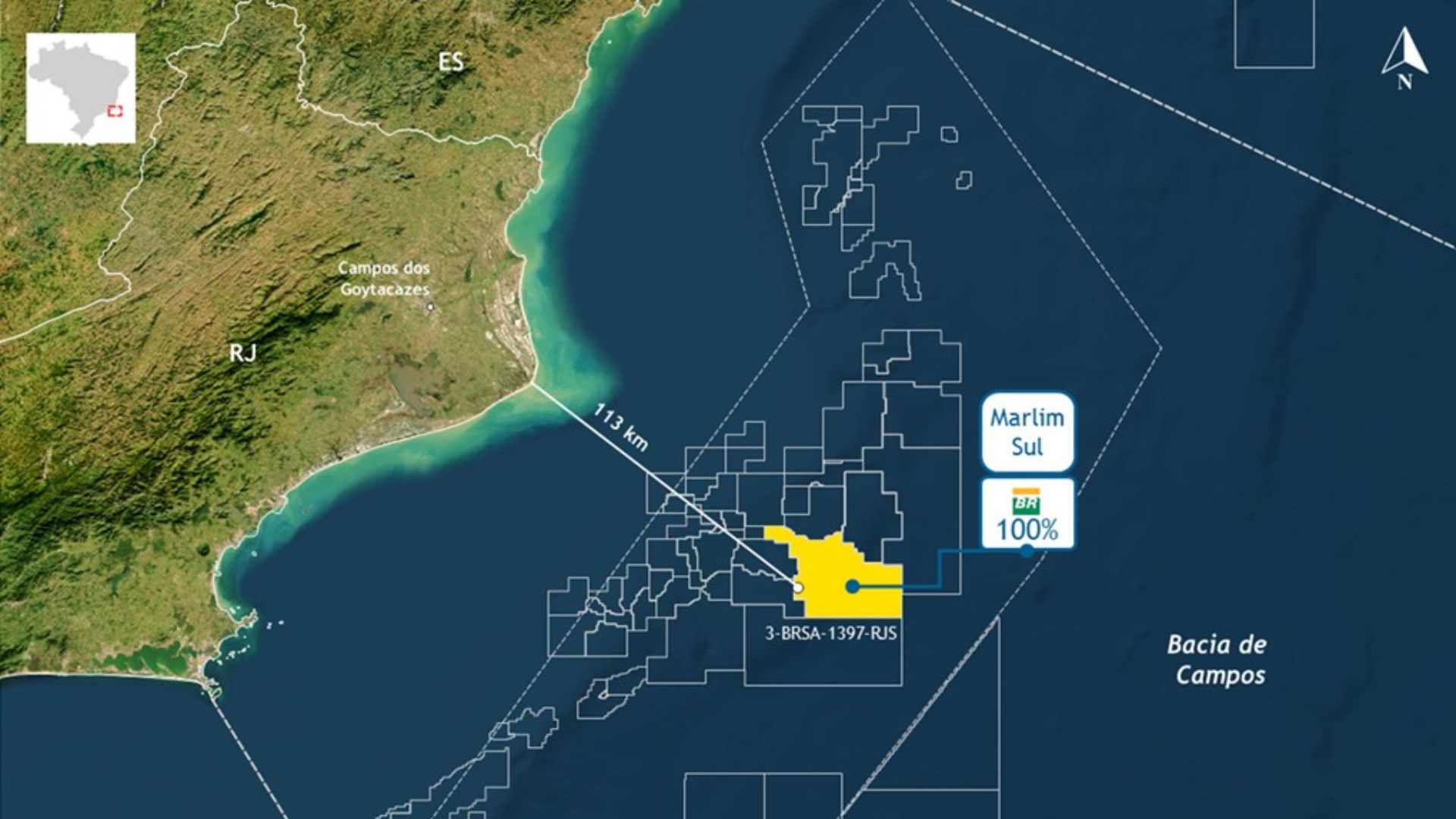
Petrobras finds high-quality oil in the pre-salt at 113 km from RJ and reignites expectations about strategic reserves in the Campos Basin.

-
Ocyan opens registrations for startups focused on innovation in the oil and gas sector and will select projects for Innovation Day with the support of Nexio.


Besides chocolate, why not use salty water as energy for high-performance engines? Considering that the planet is 70% composed of this liquid, scientists at Stanford University had this brilliant idea, and the tests are already in advanced stages. The first method used to develop this “gasoline” consists of removing carbon from seawater and transforming it into a flammable liquid. But a newer method employs nanotechnology to extract hydrogen from the oceans.
Alternative Fuels Produced from Sewage
Another alternative that may seem a bit unpleasant for the development of synthetic gasoline is the use of gases present in sewage. This technology has already been used in Brazil through a partnership between a German company and the Basic Sanitation Company of the State of São Paulo (Sabesp).
Through the technology developed between them, it is possible to filter and capture gases released during the decomposition process of sewage, extracting methane that can be used to power combustion engines.
Bio-Bean, an English startup, developed an alternative fuel that is also a delightful energy source for many Brazilians. It consists of coffee grounds, which have been transformed into biofuel. To produce this gasoline, waste collected by the company is taken to a processing unit where the coffee grounds are dried and turned into an oil used in carbon-neutral vehicles.
Scientist Suggests That People Around the World Can Produce Gasoline Just by Drinking Water
Scientist Gerardine Botte from the University of Ohio, USA, is an expert in converting urine into hydrogen fuel. That’s right, the urine you produce has two compounds that are sources of hydrogen, ammonia and urea. The hydrogen gas, which is produced by placing an electrode and a gentle current in the liquid, can be used to power a fuel cell.
In addition to seawater, another option for raw materials from the maritime environment is algae, which are being treated with great attention by scientists as they offer numerous advantages over other alternative fuels used. With over 30,000 known species, algae can proliferate in a wide variety of conditions and environments. To produce synthetic gasoline, algae are processed at high temperatures to be transformed into an oil used in vehicles.









Seja o primeiro a reagir!