





 Português
  Inglês
  Espanhol
  3 min de leitura


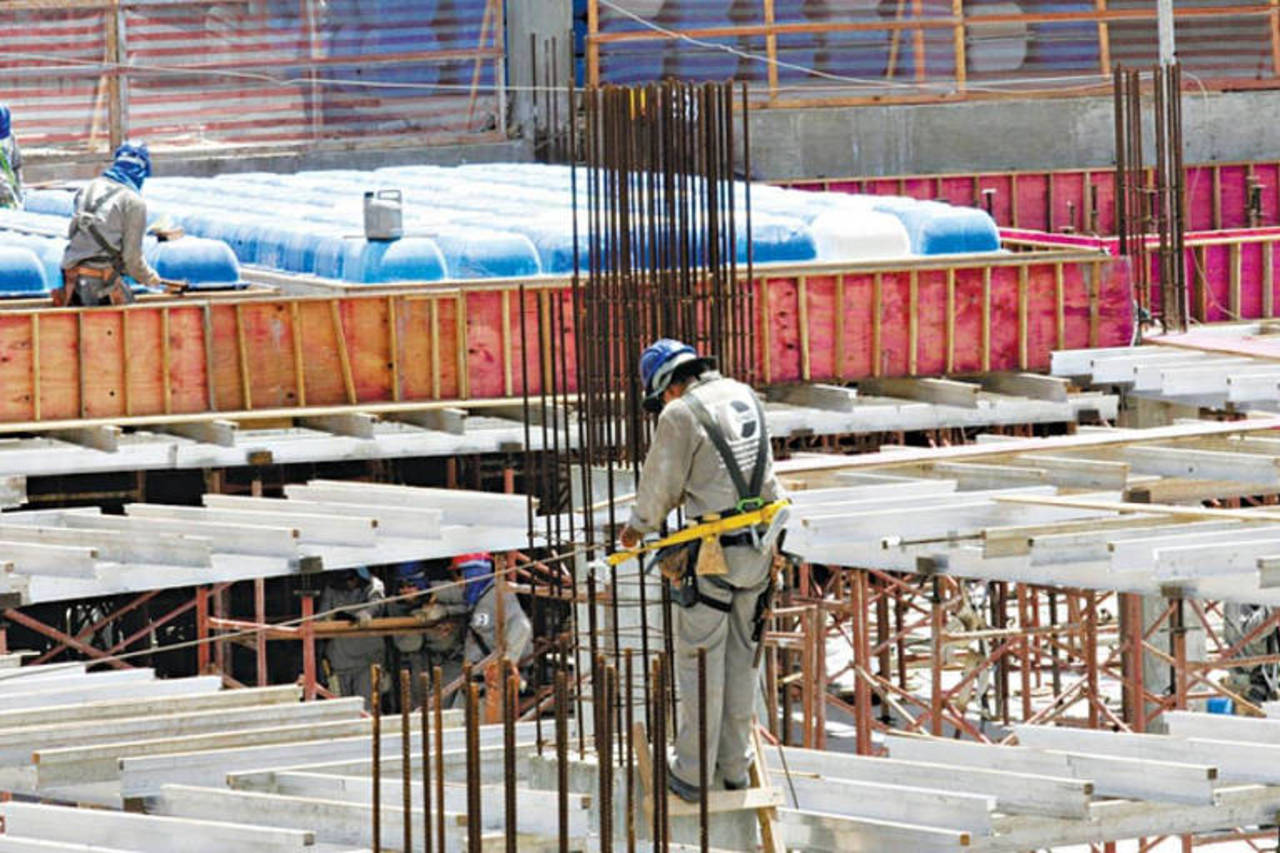
According to IBGE, the national cost of the civil construction industry and inputs rose from R$ 1,252.10 per square meter in November to R$ 1,276.40 per square meter in December 2020
The National Civil Construction Industry Index (INCC/Sinapi), released on Tuesday, 12th, by the Brazilian Institute of Geography and Statistics (IBGE), increased by 1.94% regarding inputs in December, following a rise of 1.82% in November. The accumulated rate in 2020 was 10.16%, the highest in the historical series with the exemption of payroll taxes for companies in the sector, initiated in 2013.
Also Read
According to IBGE, the national cost of inputs in the civil construction industry rose from R$ 1,252.10 per square meter in November to R$ 1,276.40 per square meter in December. The share of materials increased by 3.39%, while the cost of labor rose by 0.25%.
Increase in Inputs Undermines Resumption of Construction
“The civil construction industry was greatly impacted, starting in July, by the sequential increases in input prices,” explains the survey manager, Augusto Oliveira.
-
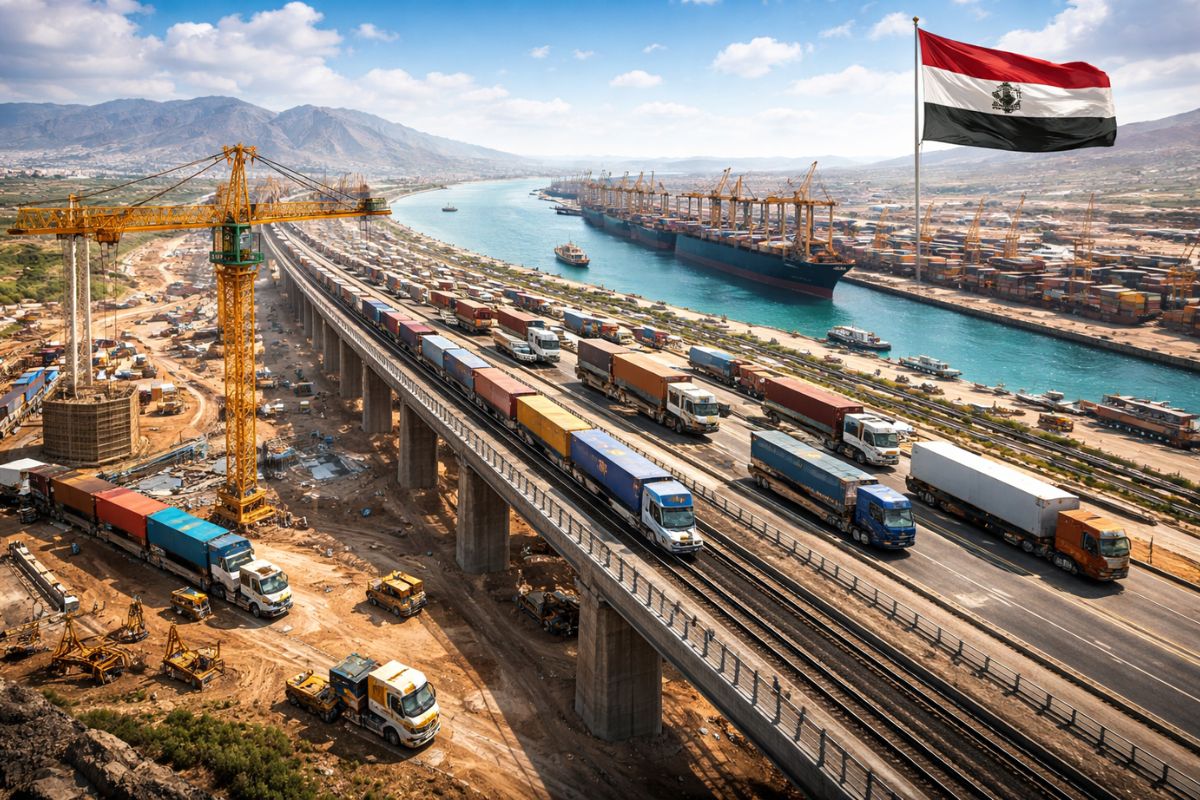
A megaproject worth R$ 89 billion is advancing in Iraq and promises to change the game in global trade by creating a new corridor between Asia and Europe, reducing traditional routes and repositioning the country as a logistics powerhouse.
-
Goodbye bedside table: floating shelves become a trend in 2026 by freeing up space in the bedroom, improving circulation, bringing visual lightness, and integrating technology without taking up floor space.

-
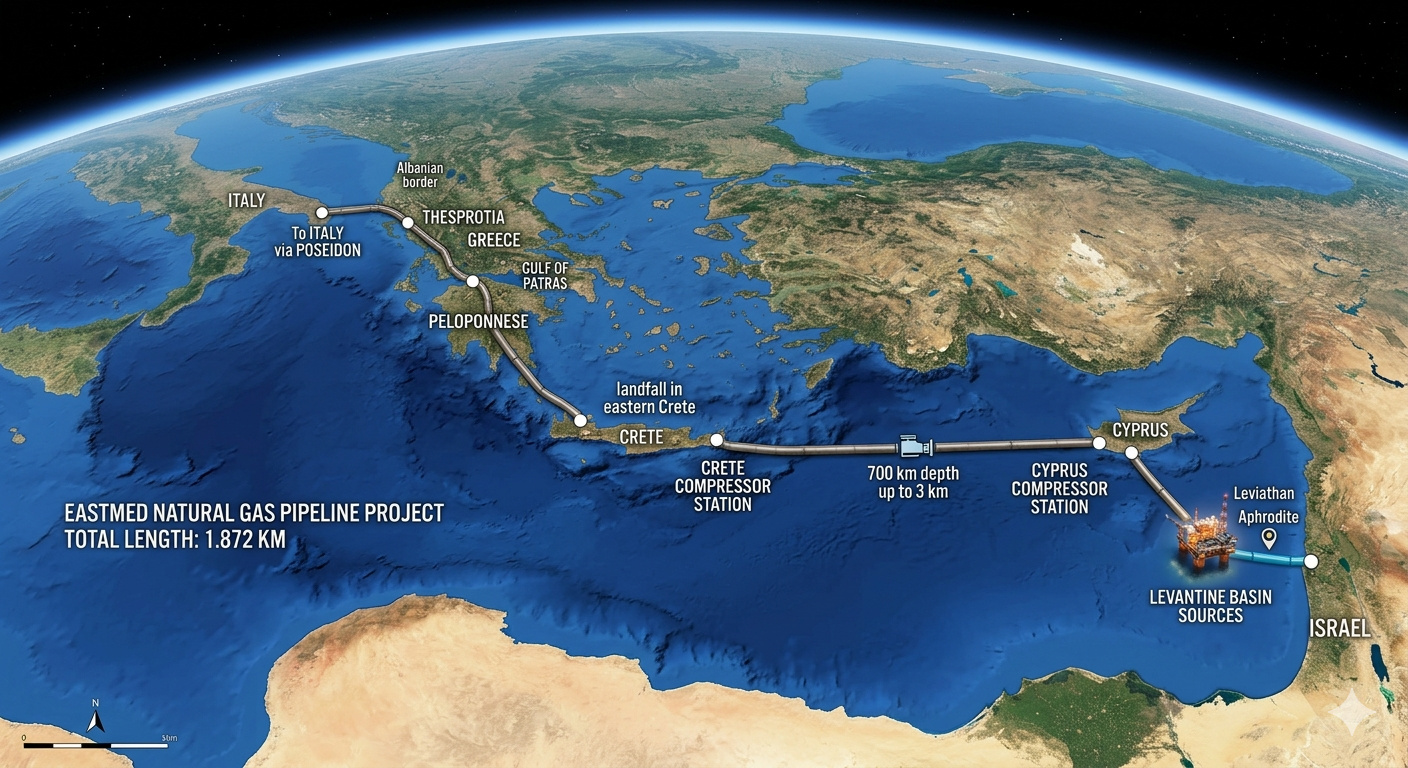
Israel, Greece, and Cyprus signed an agreement in 2020 to transport gas from the Mediterranean to Europe via a 1,872 km pipeline, but Turkey claimed sovereignty over part of the maritime route, and the project never materialized.
-
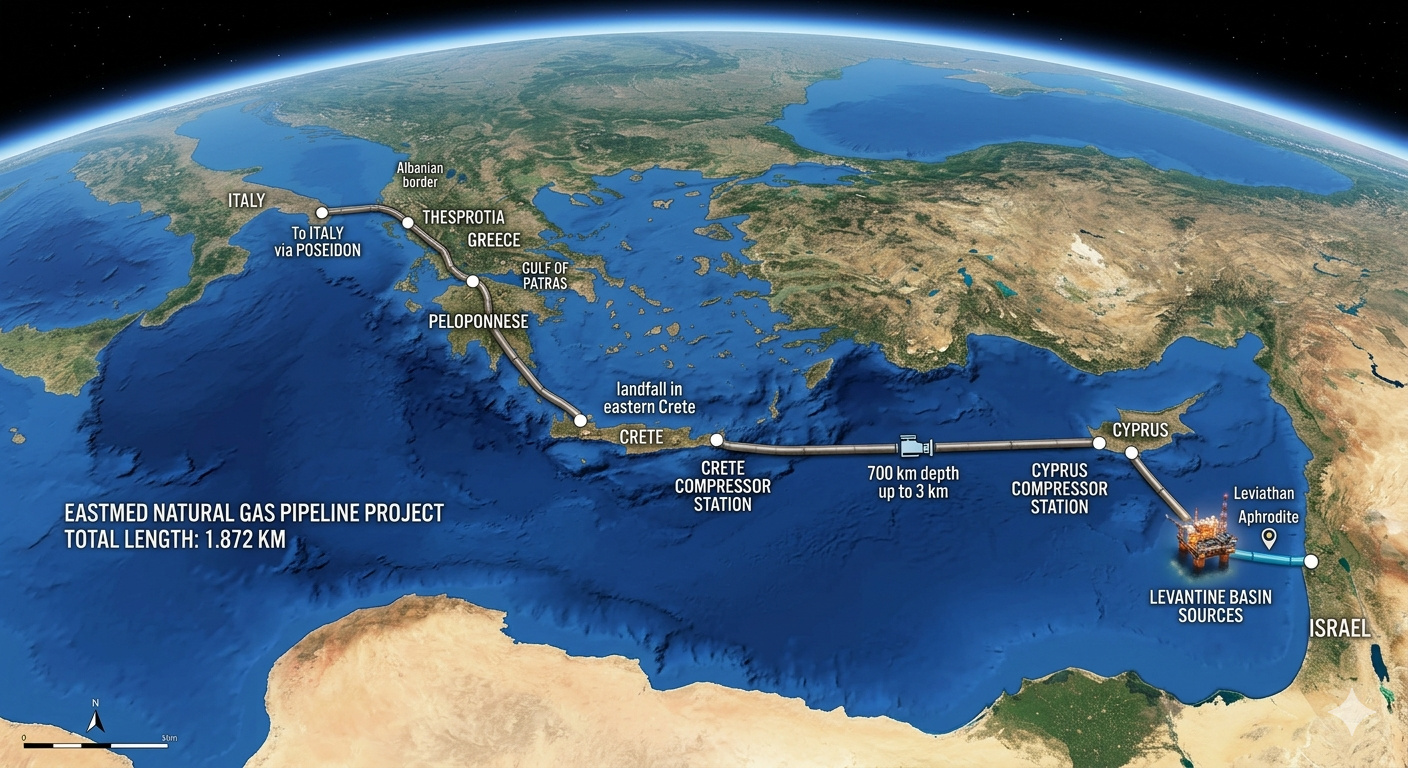
Israel, Greece, and Cyprus signed an agreement in 2020 to transport gas from the Mediterranean to Europe via a 1,872 km pipeline, but Turkey claimed sovereignty over part of the maritime route, and the project never materialized.

On the other hand, the civil construction industry was negatively affected. Companies in the sector saw the prices of various basic inputs rise, such as cement and steel (used in rebar) and estimate that this increase could harm not only private real estate developments but also impact the cost of public works.
Imbalance in Civil Construction Contracts
“The increases have been surprising, and the consequence of this is very bad. It creates an imbalance in public works contracts, industrial contracts, real estate launches that are scheduled to take place, and those already underway. At a time when it is necessary to generate jobs, income, and drive the economy, this is a danger,” evaluates the president of the Union of the Civil Construction Industry of Espírito Santo (Sinduscon), Paulo Baraona.
He states that there is a shortage of material in the market, which, along with high demand, has driven prices up. This scarcity, according to Baraona, is caused by a cooling in the production of inputs like cement and steel, which began before the pandemic but has intensified since then.
Influenced by the significant increase in the share of materials, the Northeast region showed the highest regional variation in December (2.37%) and the highest accumulated result in 2020 (12.50%). In other regions, the results were: 1.75% (North), 1.69% (Southeast), 2.27% (South), and 1.35% (Central-West).










Seja o primeiro a reagir!