





 Portuguese
  English
  Spanish
 4 min of reading
  0 comments



The Stoppage at the Factory in Porto Feliz, Which Has Already Removed 30 Thousand Vehicles from the Production Line and Delayed the Launch of the Yaris Cross, Has Caused a Shortage of New Units and Record Appreciation of Used Cars, According to Automotive Sector Experts
The Toyota is experiencing one of the most critical moments in its history in Brazil. After the heavy storm that hit Porto Feliz (SP) on September 22, 2025, the automaker announced that it will stop producing 30 thousand vehicles by January 2026, according to information released by Estadão. The climate disaster caused severe damage to the engine factory, responsible for producing the 2.0 flex engine of up to 175 hp, used in the Corolla, Corolla Cross, and the awaited Yaris Cross.
According to experts, the impact is profound: the suspension of operations alone represents a loss of 10 thousand vehicles per month, both for the domestic market and for exports to Mercosur. In addition, it is estimated that 12 thousand engines will no longer be sent to the United States, affecting the brand’s global supply chain.
Storm Devastated the Factory in Porto Feliz
The affected unit, considered one of the most modern in the country, suffered severe damage. The storm ripped zinc roofs off, which were found kilometers away, and compromised high-precision equipment, critical for the assembly line. “If we compare it to a car, it was a total loss for the factory,” said Leandro Soares, president of the Metalworkers’ Union of Sorocaba, in an interview with Reuters.
-
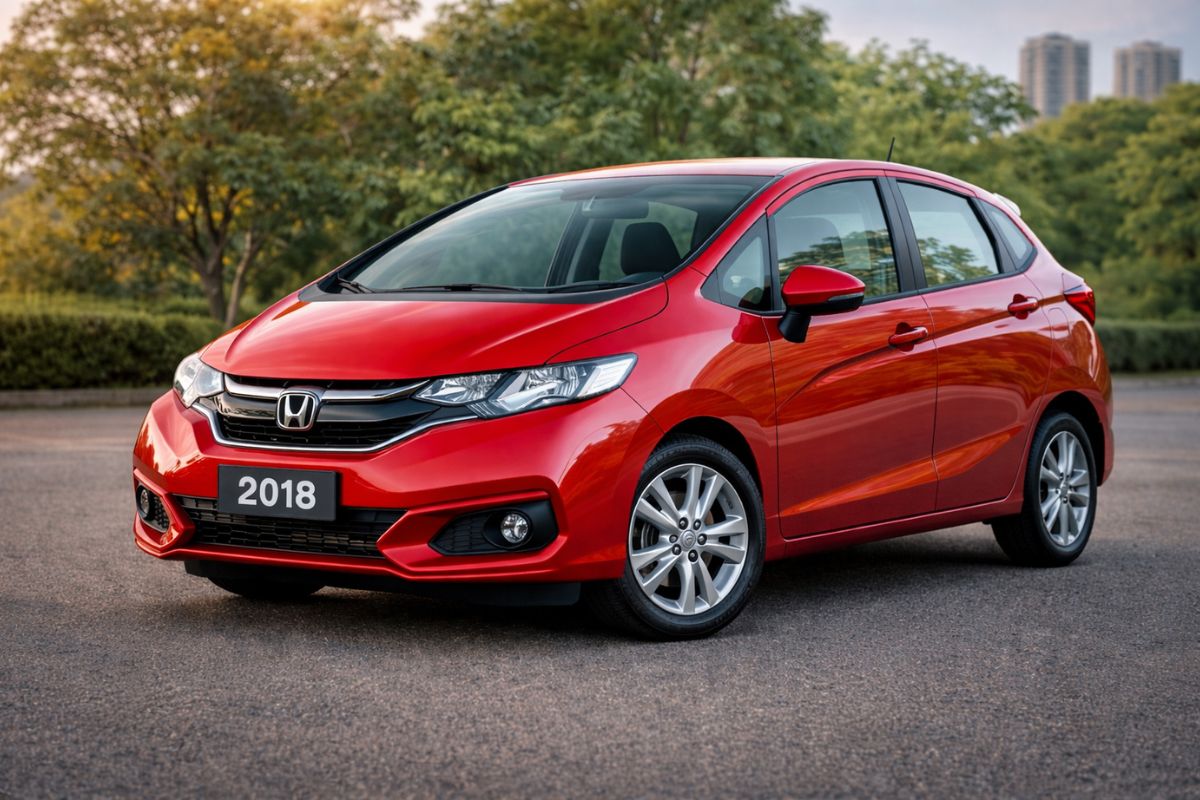
The Honda Fit has been discontinued for years, but the 2018 model is worth more today in the Fipe table than it cost brand new, proving that this used car, valued with a 1.5 i-VTEC engine and Magic Seat, only increases in price.
-
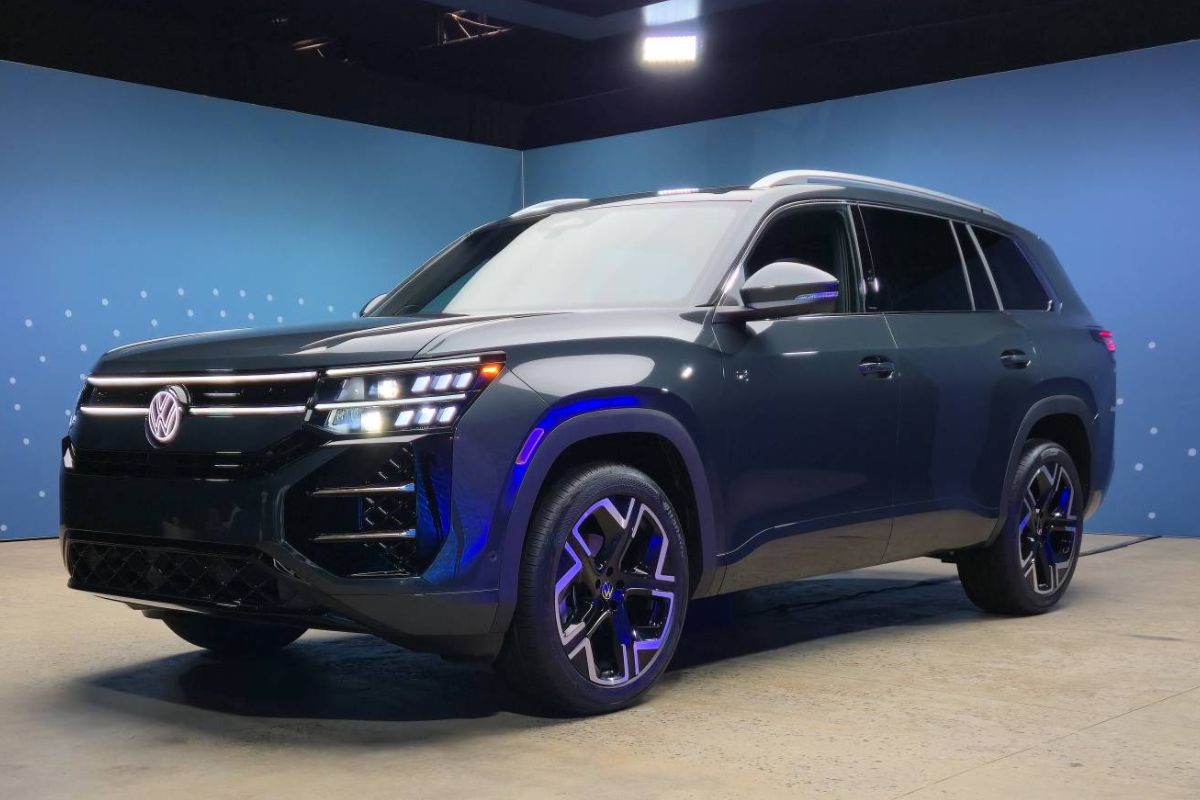
Volkswagen unveiled the 2027 Atlas with a 282-horsepower EA888 turbo engine, a 15-inch screen, massage seats, and a completely new interior to finally elevate the three-row SUV built on the MQB platform to a new level.
-
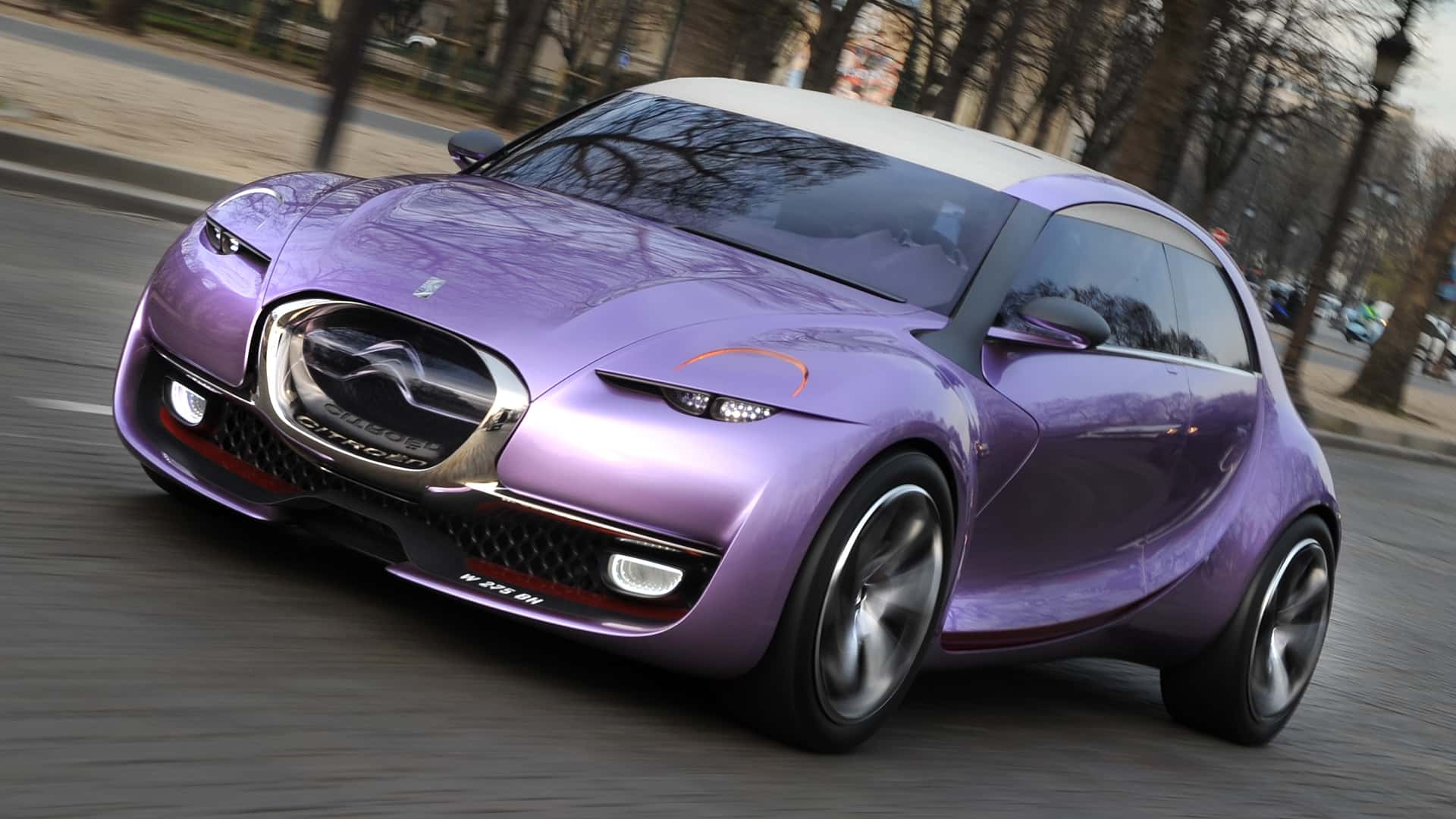
After decades out of the spotlight, Citroën is preparing to bring back the legendary 2CV as a low-cost electric vehicle, betting on the revival of one of the most popular cars in history and aiming to enter the race for affordable compact cars.
-
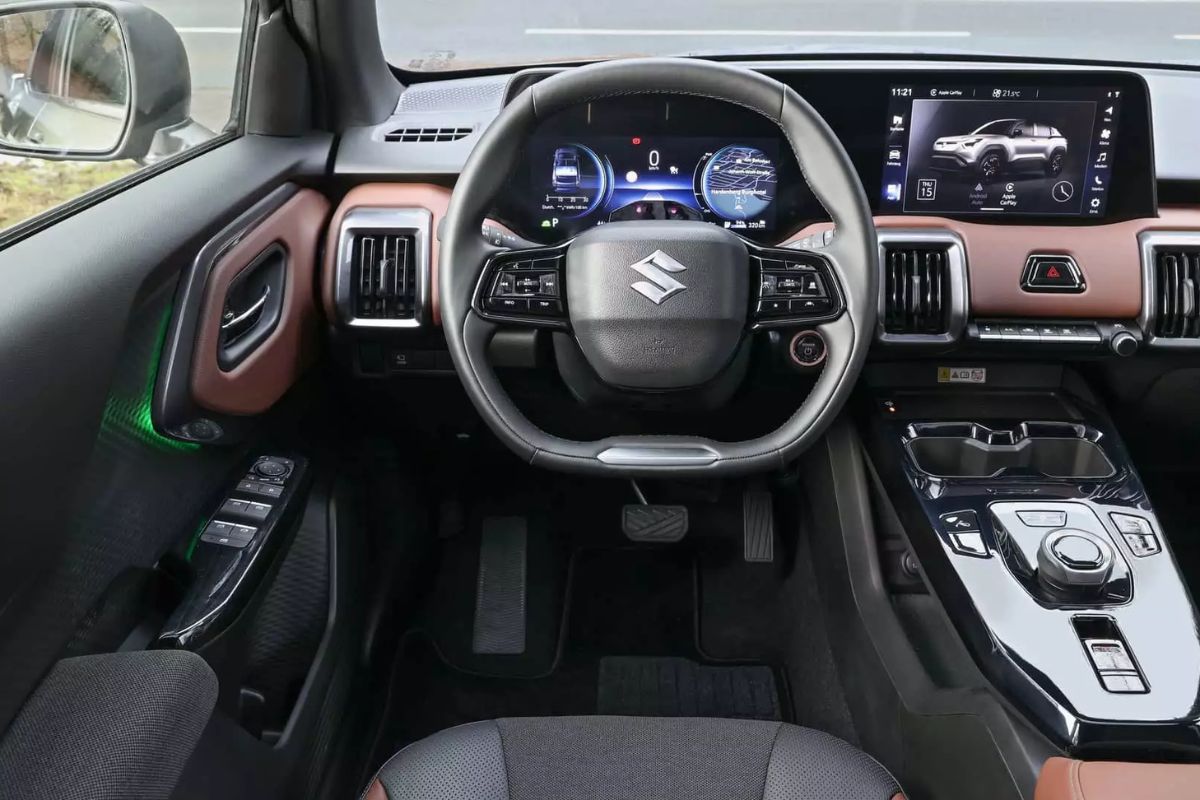
The 2026 electric Vitara arrives in Brazil and proves that Suzuki is not leaving: 4×4 traction, 184 hp, 61 kWh LFP battery, 293 km range, R$ 259,000, and a trunk capacity of 224 L.

The controlled environment of the plant, essential for the operation of extremely sensitive machines, has been completely compromised. Recovery is expected to be slow and complex, as it involves not just replacing parts but rebuilding entire processes. As highlighted by David Wong, partner at the consulting firm Alvarez & Marsal, the interruption also forced the postponement of the Yaris Cross launch, initially scheduled for October 2025, a traditionally strong month for sales in the sector.
Used Cars Become the Immediate Solution for Customers and Dealerships
With production halted and no short-term normalization in sight, the direct effect falls on consumers and dealerships. According to a report published by UOL Carros, the demand for used Corolla and Corolla Cross vehicles has skyrocketed across the country. Even before the tragedy, these models already had long waiting times, and now they have become the only alternative for those seeking a Toyota.
Dealerships have started offering special conditions for purchasing used vehicles: cash payments, quick evaluations, and prices above the table are attractive incentives that emphasize the urgency in restocking inventory. Experts say this trend will drive unprecedented appreciation in the used vehicle market, making these models almost immune to the typical depreciation of used cars.
Prices of New and Used Cars Will Soar in the Coming Months
The crisis at the Porto Feliz factory does not only affect used cars. Automotive consultant Cássio Pagliarini from Bright Consulting explains that the supply shortage will force dealerships to reduce discounts and consequently raise new car prices. This adjustment in new vehicles will inevitably push up the prices of used cars, creating a cycle of appreciation.
According to Pagliarini, dealerships will face at least two months of hardship until the logistics for importing engines is regularized. During this period, both customers and retailers will have to deal with a scenario of scarcity, price inflation, and increasingly fierce negotiations for well-maintained units.
Brand Loyalty Increases Pressure in the Market
Another factor driving up prices is the brand loyalty of Toyota consumers. Some owners have been with the brand since 1993, the year the Corolla began to be produced in Brazil, and are unlikely to consider switching to another automaker. For this audience, changing cars almost always means switching to another Toyota.
In the face of a lack of new options, many prefer to postpone their purchase or opt for used cars, which reduces availability in the market and further increases the value of available models. The scenario confirms experts’ predictions: Corolla and Corolla Cross will become rare and expensive assets in the coming months, especially in major urban centers, where demand is more intense.
The storm that devastated Toyota’s factory in Porto Feliz has triggered an unprecedented crisis for the automaker in Brazil. In addition to the immediate loss of 30 thousand vehicles and 12 thousand engines for export, the stoppage is already directly affecting consumers’ wallets, with projected increases in prices for both new and used cars.
According to reports from UOL Carros and Estadão, the appreciation of used cars will be inevitable, driven by stock shortages and customer loyalty to the brand. For those considering buying or selling a Corolla or Corolla Cross, the coming months will be marked by intense negotiations and record prices in the Brazilian automotive market.






Seja o primeiro a reagir!