





 Portuguese
  English
  Spanish
 6 min of reading
  0 comments


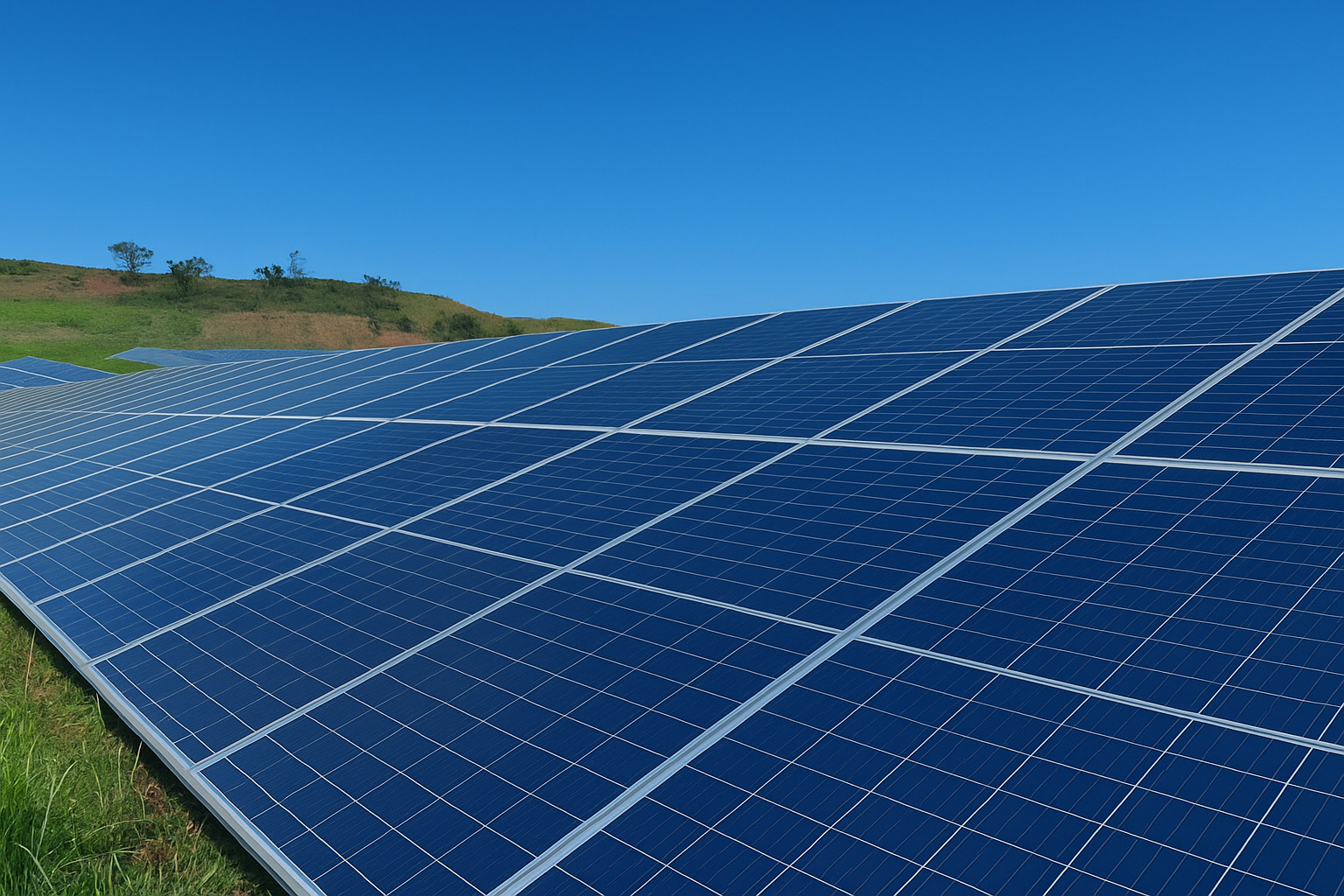
Discover How the Municipality of Campos Invests in Solar Energy to Reduce Costs, Gain Autonomy, and Modernize the Municipal Energy Matrix.
In recent years, Brazil has experienced a transformation in the energy sector, marked by the growth of renewable sources and increased public and private interest in cleaner and more economical alternatives.
Additionally, solar energy stands out as a strategic solution, as it helps to reduce costs and increases municipal autonomy. In this context, the Municipality of Campos has been drawing attention with its solar energy investment plan, aimed at decreasing dependence on Enel and modernizing the local energy matrix.
Historical Context and Energy Transformation in Brazil
Historically, large utility companies like Enel concentrated the supply of electricity in Brazil, operating in the so-called captive market. Therefore, residential, commercial, and public consumers had little choice over their energy provider and paid rates determined by the utility and the government.
-
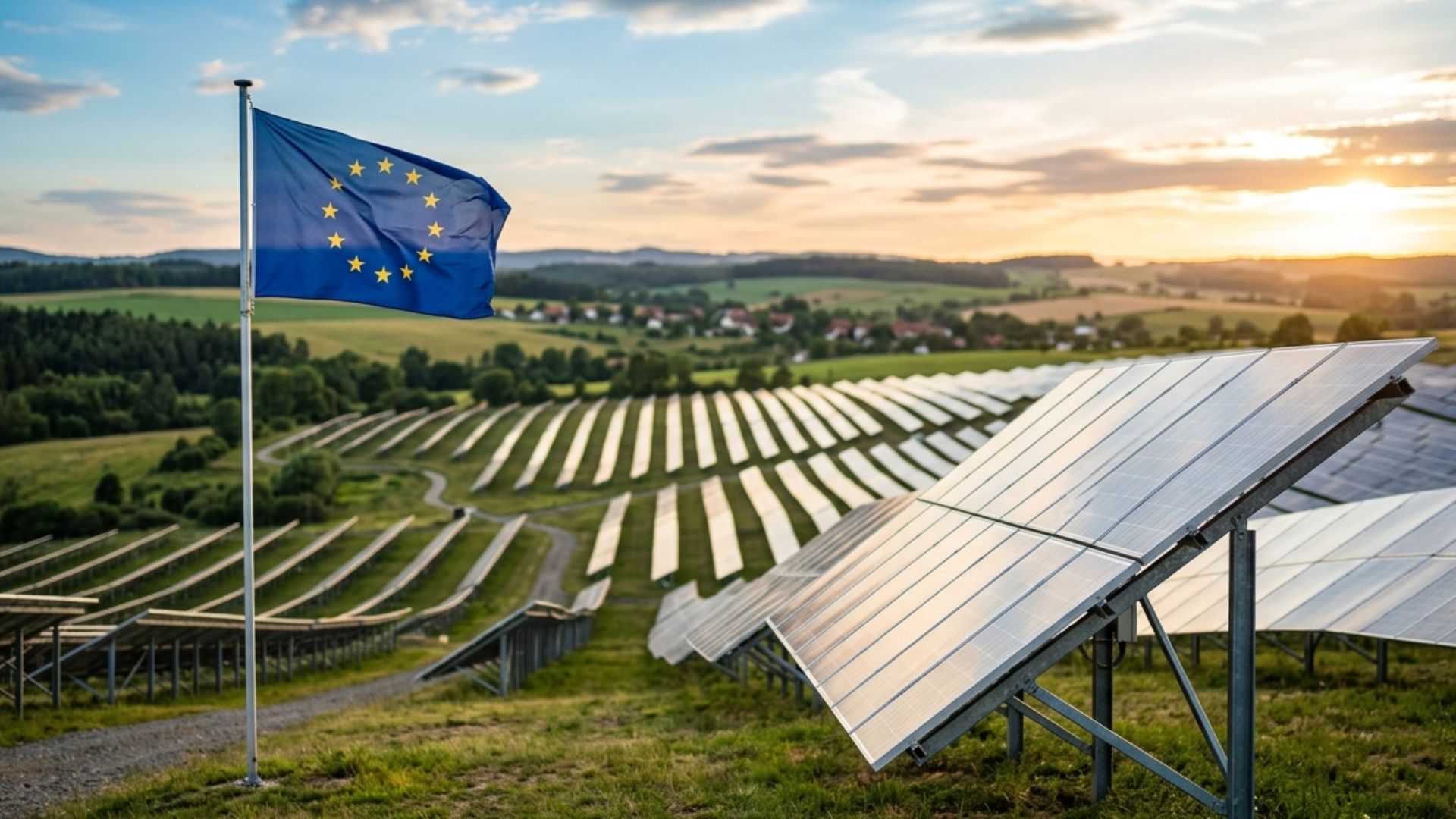
Europe records strong euro economy with solar energy in March and sparks curiosity about which country leads growth that redefines the energy market and reduces costs.
-
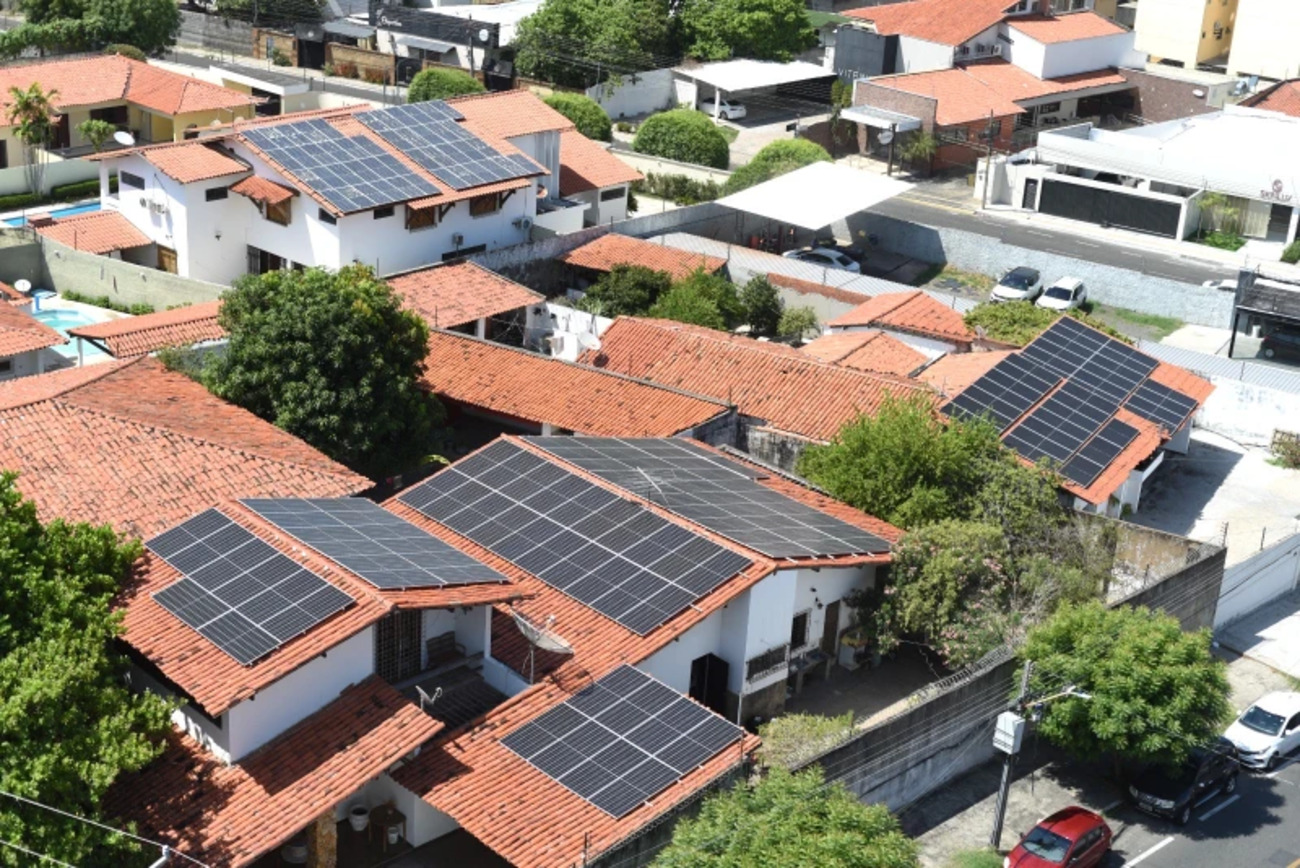
Piauí reaches a historic milestone in energy transition: State records nearly 160,000 households powered by solar energy and leads growth in the Northeast.
-
Argentina debuts its first 100% solar-powered highway and transforms an entire road into a showcase of clean energy.

-
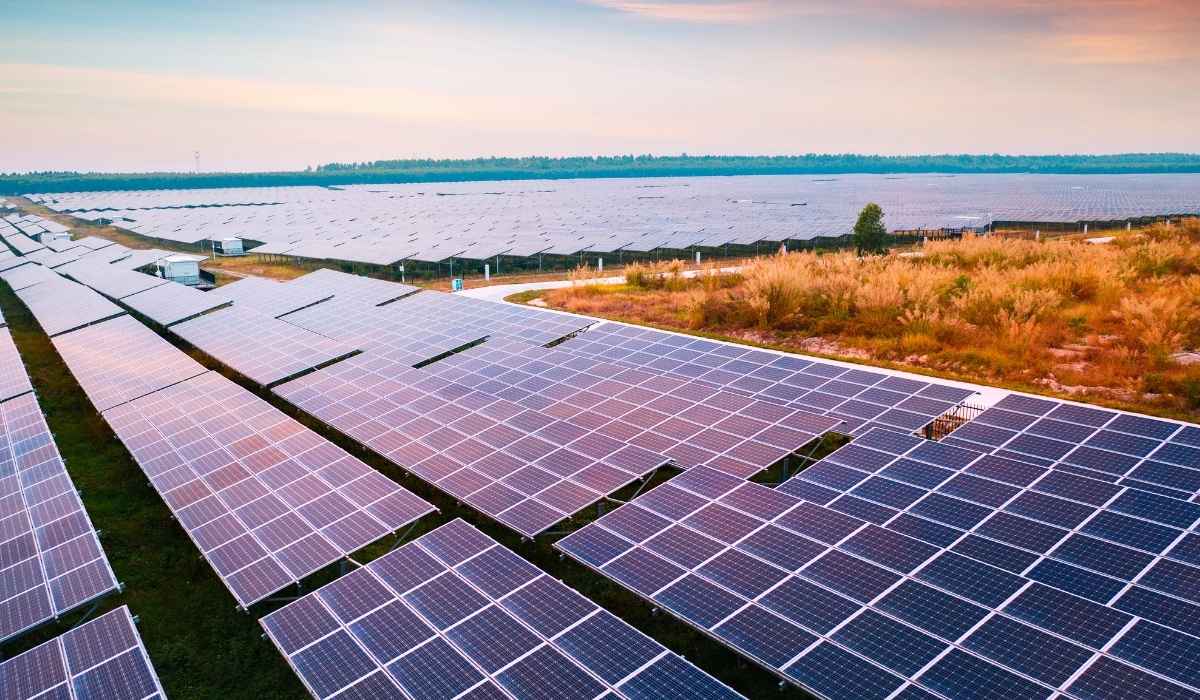
Minas Gerais reaches a historic record and surpasses the power of Itaipu, but network costs generate debate: Understand why solar energy in MG impacts the electricity bill of those without panels.

With the rising demand for clean energy and the interest in reducing expenses, municipalities like Campos began to explore alternatives. For example, the free energy market allows direct negotiation with generators or traders, increasing autonomy and flexibility.
The initiative of the Municipality of Campos is part of this modernization movement. Thus, the project plans for the municipality to install photovoltaic solar plants through a Public-Private Partnership (PPP), with shared operation and maintenance between the public and private sectors.
In this way, the central objective is to ensure economy, sustainability, and budget predictability, serving schools, hospitals, offices, and other public buildings with clean, cheaper, and more reliable energy. At the same time, the municipality reduces its vulnerability to tariff increases and exclusive dependence on Enel.
The investment in solar energy is also aligned with a historical movement toward decentralization of electric generation. For many years, energy production concentrated on large hydroelectric plants and private utilities.
Today, thanks to photovoltaic technologies, cities and residences can produce their own energy, making the energy matrix more resilient and less susceptible to failures or sudden increases in tariffs. Additionally, this type of generation encourages innovation and local technological development.
Solar Energy: Past, Present, and Future
The concept of solar energy, although updated today with advanced technologies, has deep historical roots. Since the 19th century, researchers and inventors have sought ways to capture sunlight to generate electricity and heat.
In Brazil, interest in photovoltaic systems has grown in recent decades, driven by public policies encouraging renewable energy, reduced equipment costs, and greater environmental awareness. Thus, investments in solar energy not only offer immediate economic benefits but also form part of a long-term vision for energy sustainability.
In the case of Campos, the PPP represents a concrete step toward energy autonomy. Therefore, by investing in municipal solar plants, the city can operate in the free energy market, contracting suppliers according to its needs and utilizing the energy it generates.
In this way, this strategy reduces electricity costs, provides greater budget predictability, and contributes to the reduction of pollutant gas emissions.
Besides the economic aspect, the project also generates social and environmental benefits. Indeed, Campos has various schools, hospitals, and public centers that require continuous and reliable energy.
By generating electricity locally through solar panels, the city increases supply security, reduces environmental impacts, and promotes awareness about sustainability among its citizens. Thus, this initiative combines modernization, environmental responsibility, and administrative efficiency.
Another important benefit is the creation of direct and indirect jobs. That is, the installation of solar panels and the maintenance of plants generate opportunities for local professionals, in addition to encouraging the development of renewable energy-related technologies and services.
With this, the local economy strengthens and the population engages in sustainable projects.
Partnerships and Energy Independence
The investment in solar energy does not completely replace the relationship with Enel, but complements the municipal strategy. Moreover, the utility continues to operate in social and cultural areas, supporting initiatives such as sports and arts projects.
This balance shows that public partnerships with private companies can coexist with policies aimed at energy independence. Thus, Campos demonstrates that it is possible to reconcile social cooperation and administrative autonomy, without compromising public service efficiency.
On the technical side, the municipality studies feasibility, selects lands, installs photovoltaic panels, energy storage systems, and integrates production into the municipal electrical grid.
Although it may seem complex, the investment in solar energy pays off with economic returns over the years. National studies indicate that well-planned solar systems can reduce energy bills by up to 30% to 50%, depending on consumption and project scale.
For Campos, which has a large number of public buildings, the anticipated savings are significant and contribute to the financial sustainability of the city.
Cities that have invested in solar energy have demonstrated consistent results. Additionally, various Brazilian municipalities have implemented self-production energy projects and reported cost reductions, greater budget predictability, and better utilization of natural resources.
These experiences show that the investment in solar energy is not just a passing trend, but a lasting strategy that stands economically and ecologically.
Furthermore, the use of solar energy helps to preserve the environment. By reducing dependence on fossil fuels and hydroelectric plants, the municipality lowers greenhouse gas emissions.
Thus, municipalities adopting such projects reinforce their image as sustainable and innovative cities, attracting investments and partnerships in other sectors.
Solar Energy and Global Trends
The bet on solar energy is also aligned with global trends. Countries around the world seek to reduce dependence on fossil fuels and increase the share of renewable sources in their energy matrices.
Thus, Campos aligns itself with international practices of efficiency and sustainability, showing that Brazilian municipalities can be protagonists in the energy transition.
Another important point is that local electricity generation allows the municipality to have greater control over its expenses and the continuity of essential services. This reduces risks associated with tariff increases and supply interruptions, common in traditional contracts with utilities.
Therefore, the investment in solar energy ensures that public resources are applied efficiently, directly benefiting the population.
The adoption of solar energy also strengthens environmental education. For instance, schools and universities can use the plants as living laboratories, promoting knowledge about sustainability and clean technologies among students and professionals in the field.
In this way, a culture of innovation and environmental responsibility is created that lasts for generations.
Campos as a Model of Sustainability
The investment in solar energy in Campos represents an example of how innovation, strategic planning, and environmental responsibility can come together to transform the energy reality of a municipality.
Thus, the city reduces costs, increases its autonomy, and enhances sustainability awareness, creating a model that can serve as a reference for other locations in Brazil.
The historical trajectory of solar energy, from its first experimental applications to modern photovoltaic systems, demonstrates that this technology has potential for continuous growth.
Therefore, for Campos, the PPP project and the investment in self-produced electricity symbolize the ability of a municipality to adapt to present demands without losing sight of future needs.
In summary, the Campos project shows that the investment in solar energy is not just an economic measure, but a comprehensive strategy that combines sustainability, efficiency, innovation, and autonomy.
With initiatives like this, the city strengthens its energy matrix, promotes the responsible use of natural resources, and builds a secure path to the future, reducing reliance on utilities and ensuring quality public services for all citizens.










Seja o primeiro a reagir!