





 Portuguese
  English
  Spanish
  4 min of reading
  0 comments


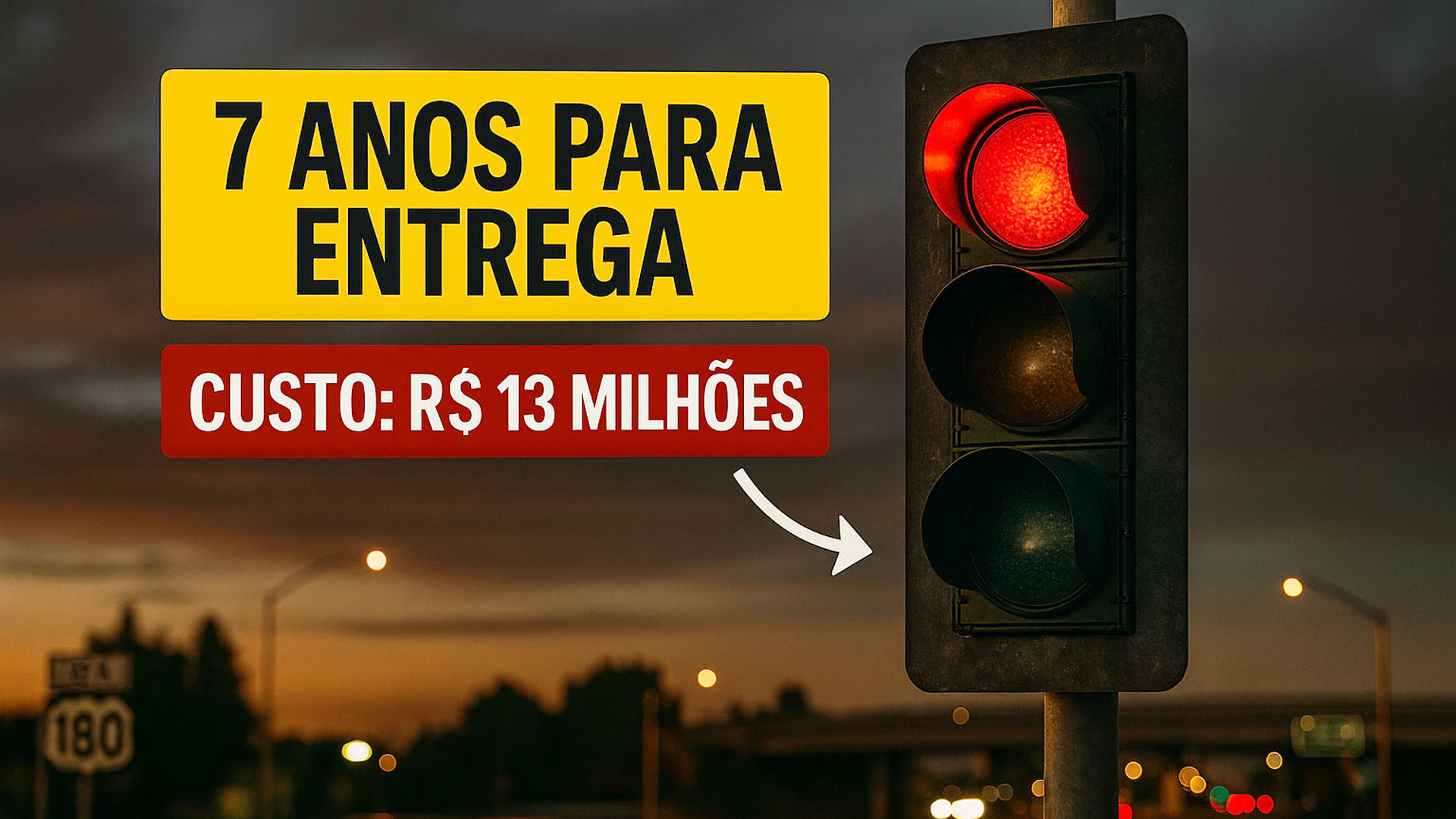
In One of the Largest Cities in California, a Traffic Light Cost About US$ 2.4 Million, Approximately R$ 13 Million at Current Exchange Rate, and Took Almost Seven Years to Function. The Case Exposes How Overlapping Authority and Technical Requirements Can Inflate Deadlines and Costs in Simple Construction.
In Fresno, California, an intersection with direct access to the 180 Freeway got a traffic light that took 7 years to be delivered and was only activated in October 2025. It cost US$ 2.4 million and the wait began in 2018. The equipment remained 10 months turned off, with the structure ready, while the community faced temporary stop signs and traffic jams.
The intersection of Fowler and Olive avenues is strategic for those entering and exiting the 180. When the signal finally turned on, residents and merchants reported relief in traffic flow and fewer risky maneuvers.
The episode became a metaphor for how layers of bureaucracy and jurisdiction disputes hinder the delivery of projects that are relatively low-cost but have a high impact on urban daily life.
-
These are the drivers who may stop paying tolls on highways in a project that promises to reduce costs for those who live from transportation in Brazil.
-
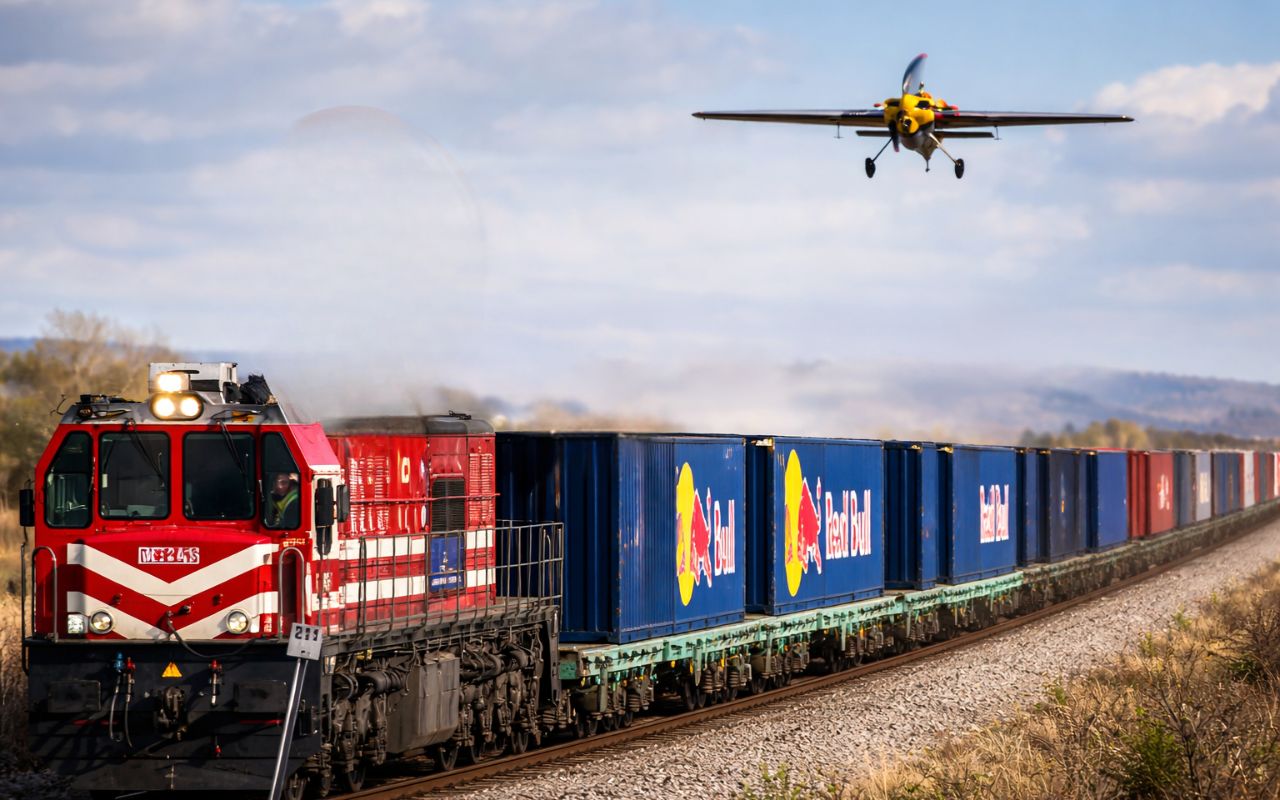
(Video): Italian pilot lands plane on moving train at 120 km/h and achieves unprecedented feat in aviation, even with a narrow runway and without direct visual contact.
-
It seems to have come out of a science fiction movie: A Brazilian city where it rains almost every day, recording over 4,000 mm per year, driven by climatic factors — a direct result of its strategic location in the Amazon.

-
The water crisis that could change everything this year has already begun; it’s not just about the climate, it affects technology, raises product prices, and can halt entire companies without warning.


How a Traffic Light Becomes a Seven-Year Project
The planning began in 2018. The list of steps included land acquisition, tree removal, equipment purchase, and adjustments to the required urban standards. The sum of requirements extended the timeline and budget.
Even with the infrastructure set up, the light remained 10 months inoperative. Local reports describe the equipment as covered in black plastic, while drivers relied on makeshift solutions.
The total cost reported was US$ 2.4 million. The initial projection from the county authority mentioned a project of up to US$ 3 million, with delivery estimated for early 2025, showing the fluctuations between forecasts and execution.
Who Is in Charge: City, County, and the “Sphere of Influence”
Although the project belongs to the County of Fresno, the area of the intersection lies within the “sphere of influence” of the municipality. This required everything to be built according to the city’s technical standards and for the city hall to sign off on the final release. Future maintenance will also be the city’s responsibility. Layers of governance, a single asset.
This arrangement helps explain the delay: one entity designs and pays, another standardizes and approves, and both influence decisions. An institutional design with clear risks of friction and rework.
Local authorities acknowledge that planning should have occurred earlier, at the time of expansion eastward of the 180 freeway, which could have prevented some of the bottleneck.
How Much It Cost in Reais and Who Funded It
At the recent exchange rate in October 2025, the dollar fluctuated around R$ 5.37–R$ 5.40. Thus, US$ 2.4 million is approximately R$ 13 million, an amount that helps to contextualize the project for the Brazilian public.
Part of the bill was covered by state subsidies, according to official reports and local media. Still, the public perception was one of excessive cost and time for a routine piece of equipment.
Meanwhile, Fresno is a metropolis of about 550,000 inhabitants and a hub for agribusiness in the San Joaquin Valley, with 1.88 million acres of farmland in the county. Car dependency makes efficient signals even more critical.
The Contrast 2.5 Km Away: Three Months from Layout to Activation
About 1.5 miles (≈ 2.4 km) away, at the corner of Temperance and McKinley, another traffic light went from marking on the asphalt to activation in three months. The key difference: fewer bureaucratic layers and simpler jurisdiction.
The parallel highlights how overlapping jurisdictions and divergent requirements extend deadlines. In low unit value infrastructure, governance weighs as much as capex.
For the user, what matters is the wait time at the intersection. For the manager, the lesson is clear: process matters and can cost millions.
Traffic, Safety, and Driver Experience
During the 10 months of inoperability, drivers dealt with traffic jams and uncertainty. Local merchants report immediate improvement in flow after activation, reducing risky exits and turnaround maneuvers.
According to the county, the goal was to reduce emissions and address the severe delays at peak times, typical of areas with high traffic and few controlled accesses to the freeway. Well-timed traffic lights have a direct impact on road safety.
A technical assessment suggests safety and time gains, but communication failed to explain the causes and timeline to users, amplifying the sense of waste.
What the Story Teaches Brazil
For those debating bureaucracy in public works in Brazil, the Fresno case serves as a case study: when regulations from different entities overlap, traffic lights become high-friction projects. Lean governance and clear decision criteria tend to reduce deadlines.
There is also a message about standardization: requiring standards from those who will operate and maintain makes sense. The risk arises when this requirement is not accompanied by realistic schedules and clearly defined responsibilities.
Finally, transparency about costs and public milestones help mitigate frustration. Reporting completed steps, pending issues, and technical justifications reduces the feeling of a stalled project.
Do you think this case is about costly bureaucracy or legitimate caution to ensure urban standards and safety? Leave your comment: are “blind” deadlines due to regulations worth R$ 13 million and seven years for a single traffic light?







Seja o primeiro a reagir!