





 Portuguese
  English
  Spanish
  4 min of reading


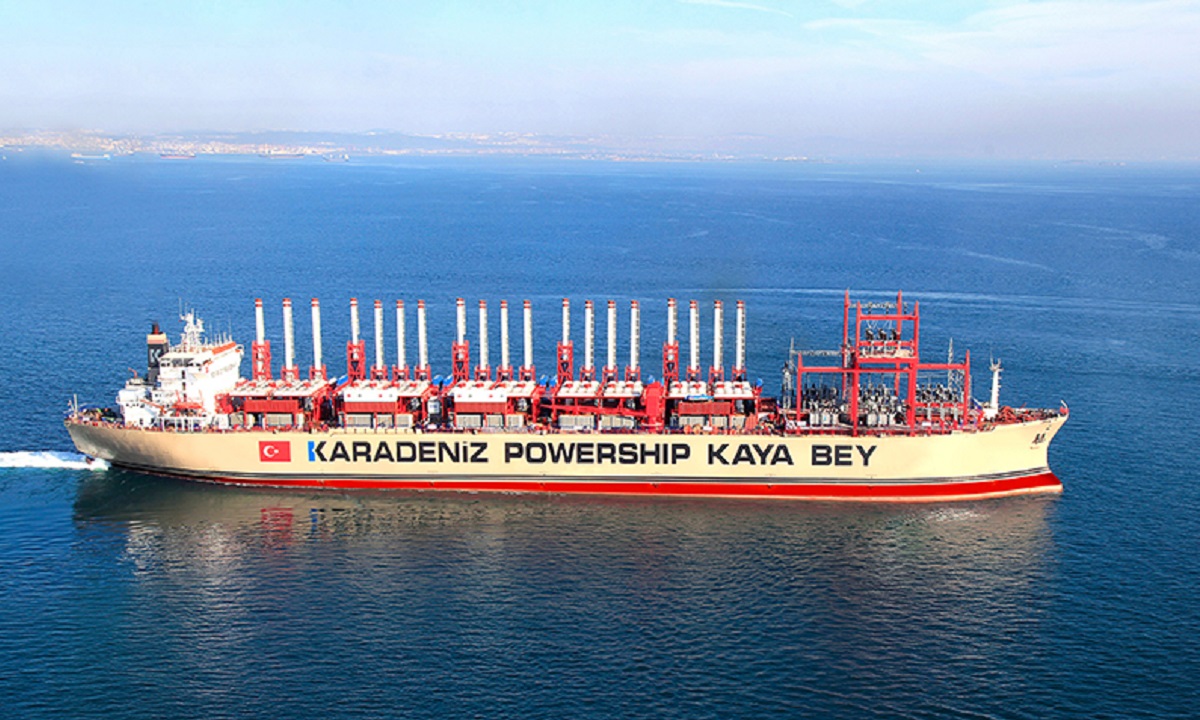
The Power Ships Were Supposed to Start Delivering Energy on May 1st. However, the Project Delay Caused Fines and Compensation
The Brazilian government contracted, in October of last year, four power ships in response to the specter of the energy crisis. The contract ended up being a legal imbroglio capable of producing a penalty of R$ 3.7 billion against the Turkish company Karpowership (KPS), owner of the ships. The project was supposed to be operational off the coast of Rio de Janeiro; however, the project delay caused the fines and compensation.
Check What Caused the Delay in Operations
The government’s “simplified” auction anticipated that the four power ships, which carry thermal power plants on their hulls, were to start delivering energy on May 1st, but that did not happen. An additional period of three months was therefore given for everything to be activated by August 1st.
According to information released by the newspaper O Estado de S. Paulo, if this did not happen, the contracts could be canceled by the Brazilian government, which eventually occurred. The National Electric Energy Agency (Aneel) rejected five justifications presented by Karpowership to explain the delays on August 9th. The Turkish company explained that it was not at fault for failing to meet the deadline and that the delays occurred due to factors beyond its control, such as delays in issuing licenses, public civil actions filed by the Public Ministry, and the slowness in public utility declarations necessary for the installation of a 15-kilometer transmission line that would connect to the ships.
-
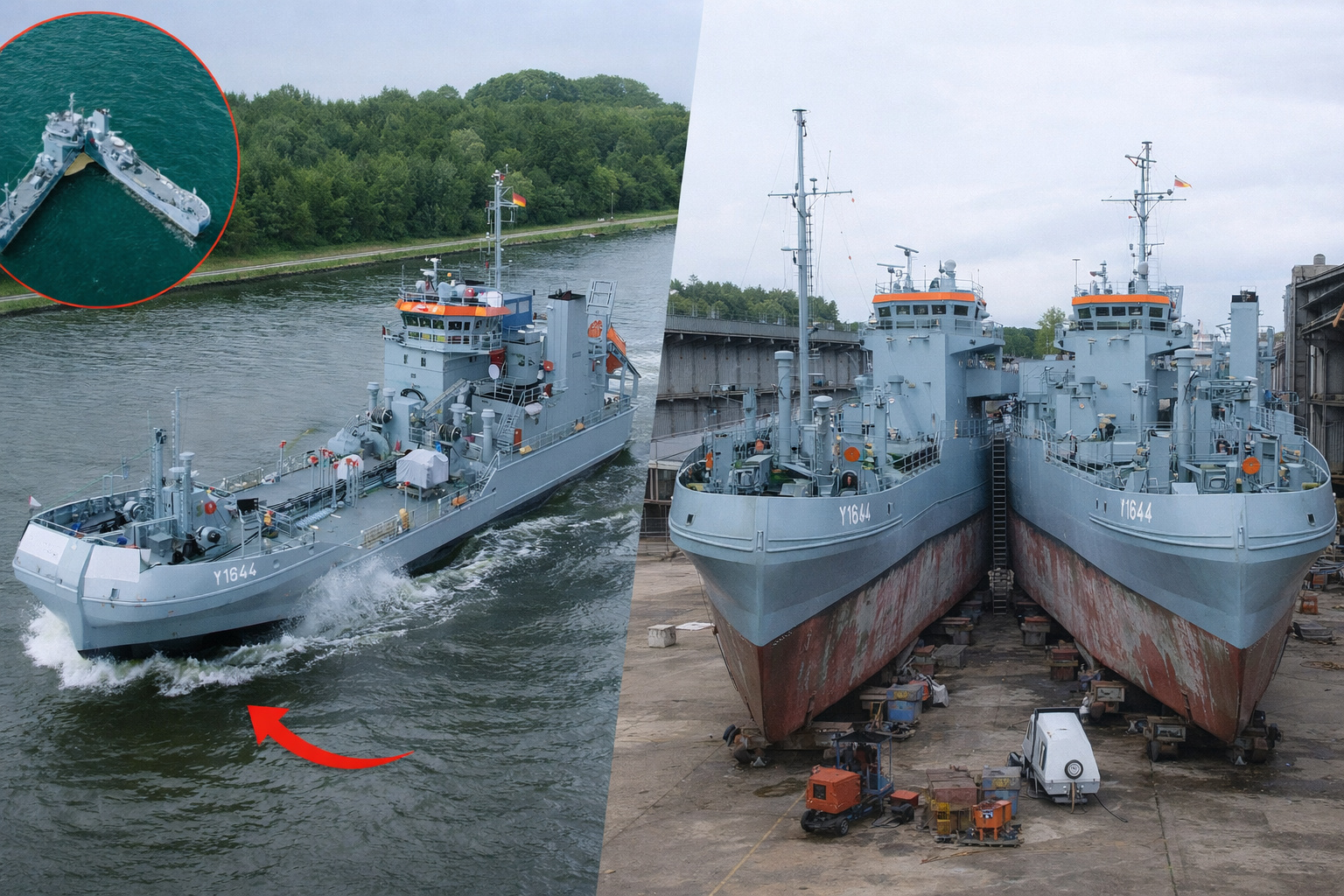
The German ship Bottsand splits its hull in two halves in the middle of the ocean to swallow spilled oil on the surface, separating the oil from the water inside a 790 cubic meter tank and then closing again. It is the only ship in the world factory-designed to split in half as part of normal operations, and the crew of six people who operate everything is civilian.
-
With almost 70 meters in width at the stern and a shape resembling a “giant slice of cheese,” the Ramform Titan tows up to 24 seismic cables to sweep the ocean floor in 3D and reveal oil reserves hidden beneath kilometers of sediment.

-
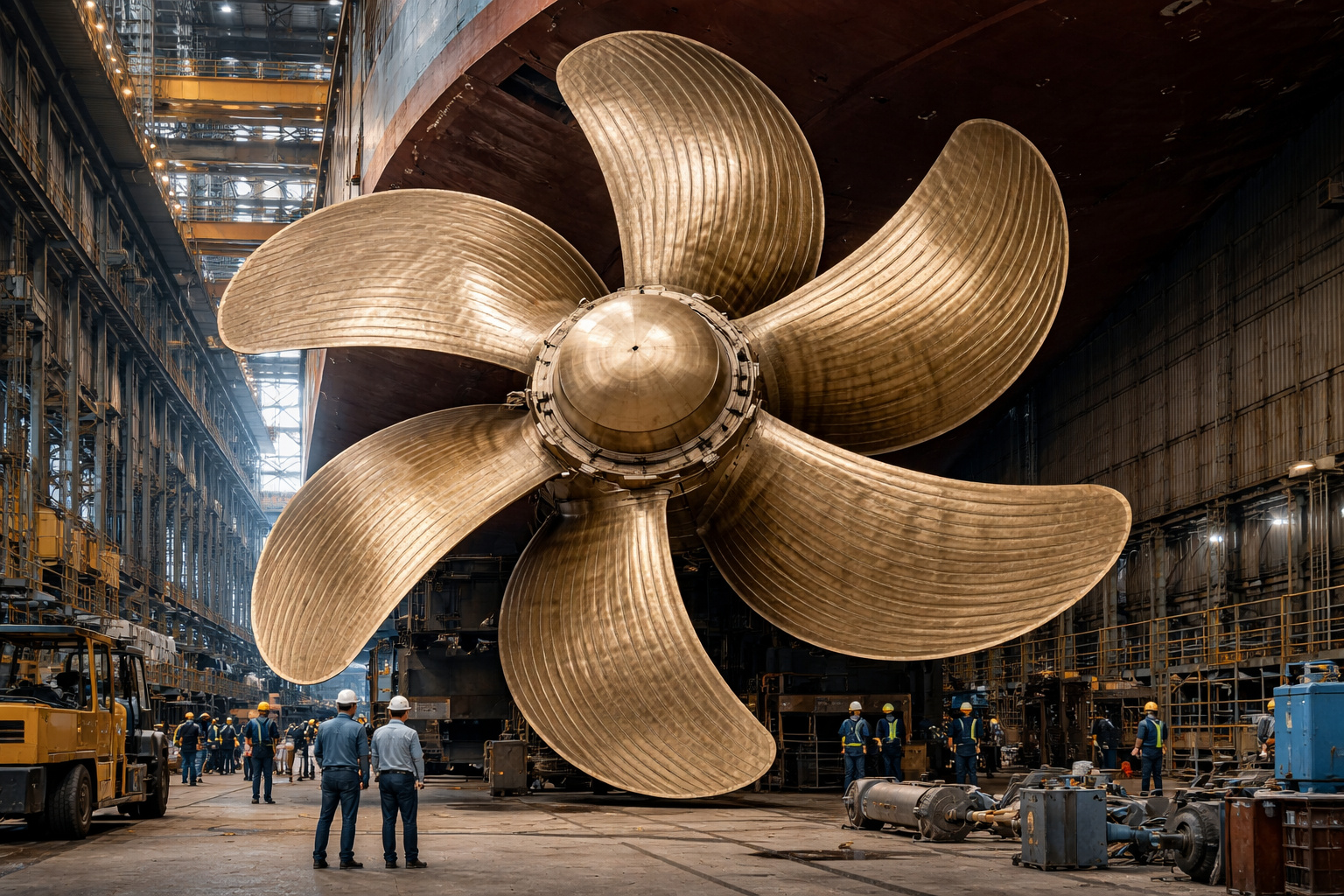
How a 131-ton, 11-meter propeller supports 90% of global trade and transforms the largest container ships on the planet.
-
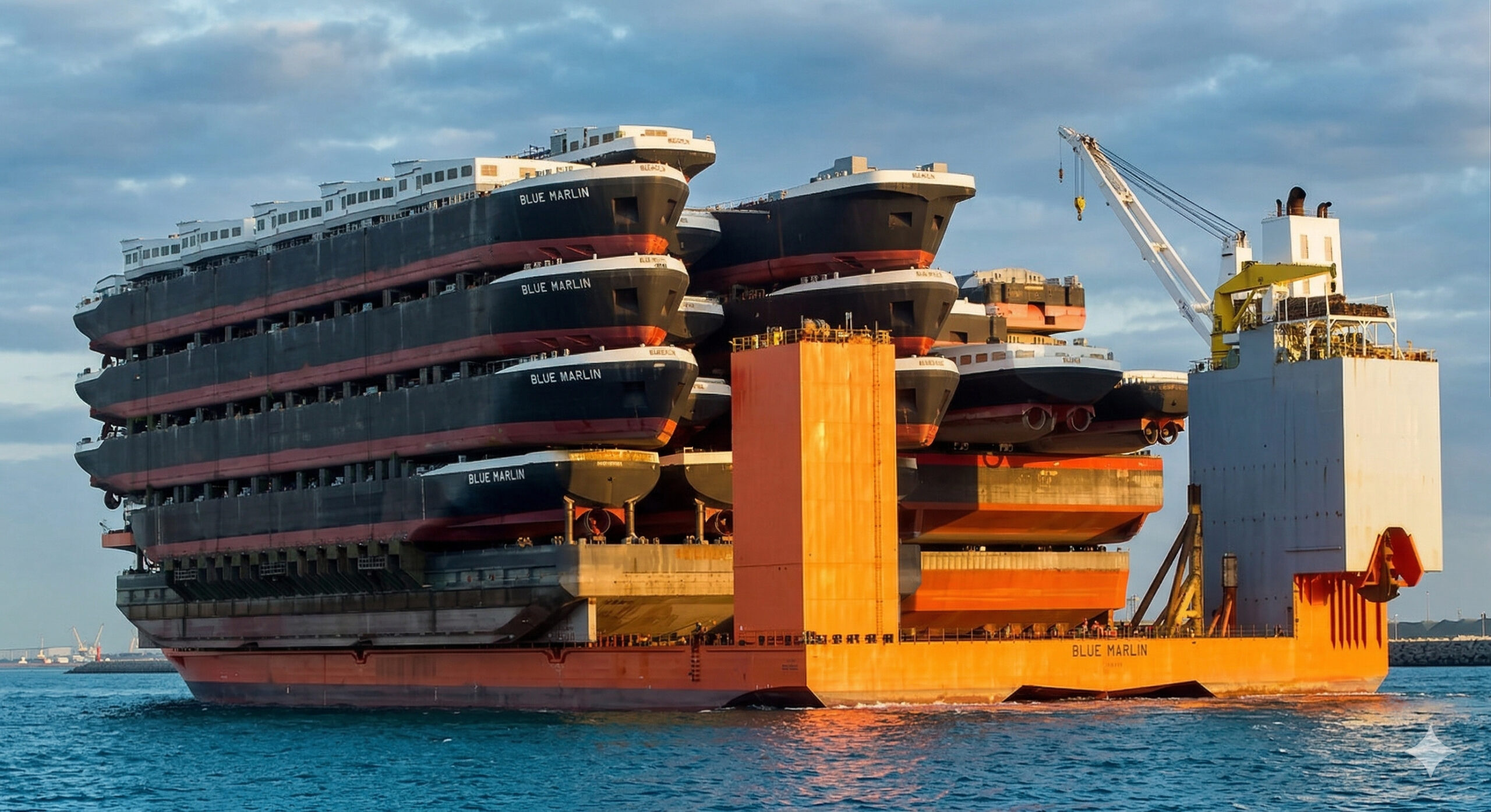
With a length of 225 meters and a capacity of 76 thousand tons, this ship “sinks” its own deck down to 28 meters deep to accommodate war destroyers, oil platforms, and giant radars floating above, and then emerges with everything intact on top like a colossal tray crossing oceans.

Nothing convinced Aneel’s board, which chose to extinguish the concessions, following what was advised in a notification sent by the Electric Energy Trading Chamber (CCEE). Karpowership appealed, claiming that it could request a re-examination of its claims and that the annulment of the contracts could only occur after this first stage was completed.
KPS Disagrees with Aneel and Claims Ready to Generate Energy
Karpowership (KPS), owner of the power ships contracted amid the energy crisis, criticized Aneel’s decision to annul the contracts. The company, in a letter to the agency, stated that it is an extremely hasty measure and a violation of Brazilian legal order, going against the public interest and potentially causing serious and irreparable harm not only to KPS but also to the security of power supply in the electricity sector.
The company claims to have invested more than R$ 620 million to install its vessels in the Sepetiba Bay area, fully funded with resources from the Karpowership group. It states that if its requests are hastily resolved by the agency, KPS will not only see the hundreds of millions of reais it invested in the project completely evaporate but will also be subject to a fine exceeding R$ 3 billion. Additionally, the company will face other contractual and bidding penalties that, in total, could exceed R$ 700 million.
The company argued that the project’s execution involved contracting more than 100 engineering firms, service providers, and equipment suppliers, the creation of two offices in the state of Rio de Janeiro, payment of taxes to municipalities, the state, and the union, and the generation of more than 1,500 direct and indirect jobs, causing a positive impact on the development of the municipality of Itaguaí and the surrounding region.
Does Aneel Go Back on Its Decision?
The company reports that the infrastructure is now ready to generate energy. Legally, however, the contract is suspended due to the appeal the company needed to file with Aneel in an attempt to reverse the decision. It is expected that a definition will happen soon, although Aneel does not comment on the matter, still under review.
KPS stated to the report from O Estado de S. Paulo, through a note, that it believes in the judgment of Brazilian authorities and respects national legislation. The company stated that it follows administrative procedures and operates with the aim of ensuring compliance with all regulations since the beginning. It declared that the world is facing significant energy challenges, and Brazil has a strategic opportunity to generate energy quickly, safely, and sustainably. It informed that the project is ready to operate with cutting-edge technology and adheres to high international sustainability standards.








Seja o primeiro a reagir!