





 Portuguese
  English
  Spanish
  2 min of reading


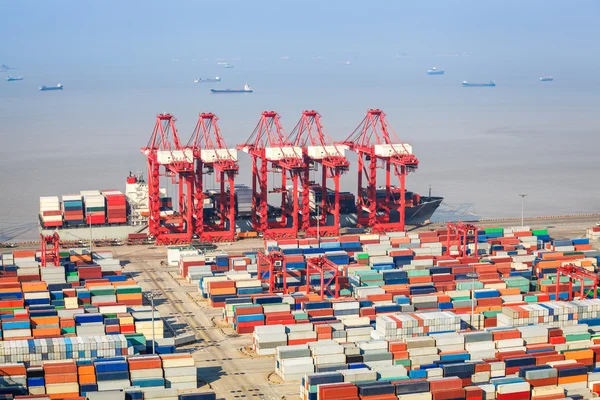
The Prominence of Chinese Products in the Import Market Is Undeniable, Leading the Ranking in 14 Brazilian States in 2022, According to Recent Research.
The robust trade partnership between Brazil and China remains strong for the 13th consecutive year, according to information provided by the Ministry of Development, Industry, Commerce, and Services (MDIC). In 2022, the intensity of trade activities between both nations hit records, totaling US$ 150 billion in imports and exports. Notably, among the 27 Brazilian federative units, 14 indicated China as the main destination for their exported products. Rodrigo Giraldelli, a renowned specialist in the import sector, signals a forecast for even greater growth in this number during 2023. “Mass production of goods is a Chinese characteristic that results in more competitive prices, encouraging Brazilian consumption. Furthermore, China has improved the quality of its products. They have also significantly invested in the infrastructure needed to increase productivity,” he explains.
Leader in Brazilian Trade: The Empire of China
China, besides being a primary trade partner, is also the largest buyer of Brazilian products. The agribusiness, animal protein, and iron ore sectors are particularly favored. However, Brazil’s trade advantage over China receded last year, influenced by the impact of the pandemic. One factor that could further boost Chinese imports is the recent signing of a Memorandum of Understanding between the Central Bank of Brazil (BCB) and the People’s Bank of China (PBC). This agreement aims to enhance cooperation in financial services, facilitating trade operations in renminbi (RMB) – the official Chinese currency, more commonly known to Brazilians as yuan. This agreement eliminates the need for dollar-based currency exchange, allowing for direct transactions from reais to yuan. The expectation is that this partnership will begin in July 2023 and will be mediated by an institution authorized by the Chinese government.
New Perspectives for Brazilian Importers and Exporters
reduce operation costs.”
-
Oncorp wins auction and enables biodiesel and gas thermal plants in Brazil, with strategic projects in Suape and Xavantes Aruanã.

-
Raízen Recovery: Shell Cosan May Reduce Control After R$ 65 Billion Debt

-
Outback Montes Claros: Chain Confirms First Unit in Northern Minas in 2026

-
Inpasa Creates Advisory Council and Brings José Olympio to Strengthen Corporate Governance


Along with these new developments, there has been an increase in the import of Chinese products compared to pre-pandemic levels. “Chinese items are the main foreign purchases for most states. Even before the pandemic, China was already the top destination for Brazilian exports. Therefore, the changes have certainly favored the Asian country,” concludes the CEO of China Gate.










Seja o primeiro a reagir!