





 English
  Francês
  Alemão
  Italiano
  Japonês
  Norueguês
  Portuguese
  Spanish
  6 min of reading


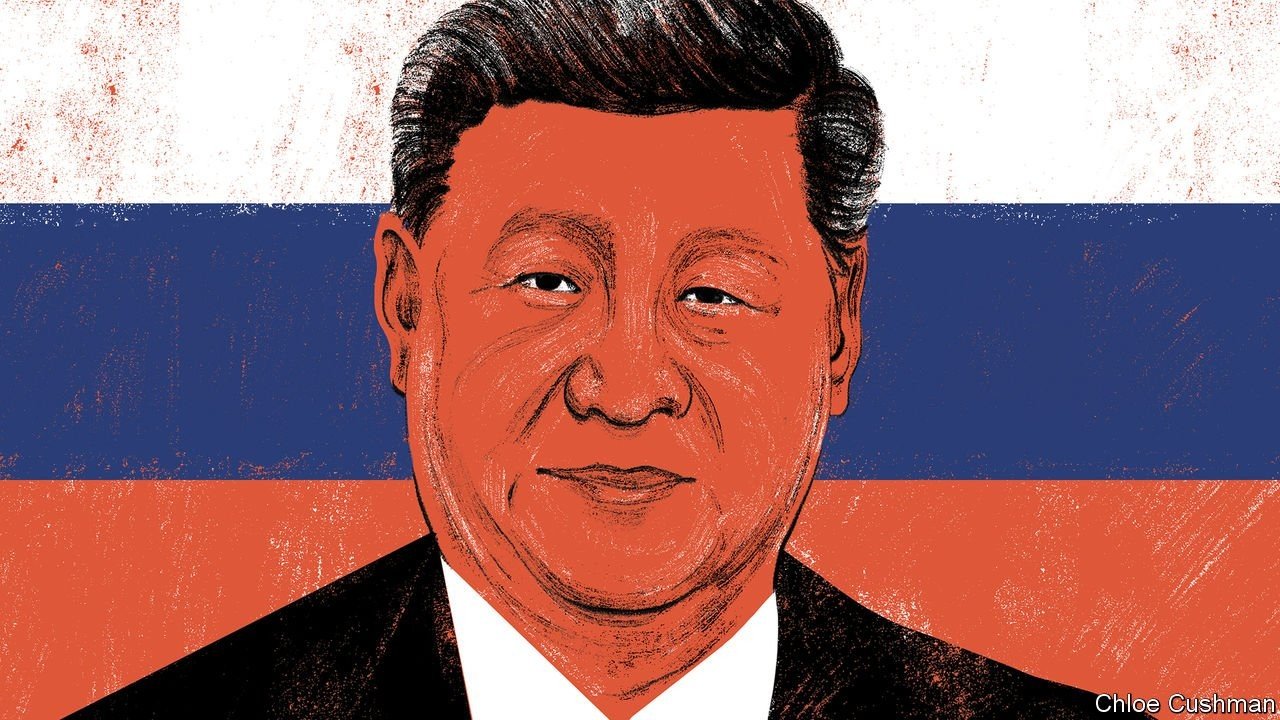
China Has Capital to Invest, Technology to Sell, and an Increasing Appetite for Oil, Gas, and Other Commodities. Russia’s Economy, While Sick, Complements China’s by Offering Natural Resources, Oil Pipelines, Railways, and Maritime Routes Immune to Foreign Naval Blockades
China offered support to Russia amid its impasse with the US and NATO over Ukraine, stating that Moscow had “reasonable security concerns” and that Washington and its allies should take them “seriously.” Wang Yi, the Chinese Foreign Minister, told Antony Blinken, the US Secretary of State, that regional security in Europe could not be guaranteed without “strengthening or even expanding military blocs,” in comments that seemed to support Russia’s opposition to Ukraine joining NATO in the future.
Read Also
- After Halting Vehicle Production and Leaving the Country, Ford Asks for Help to Manufacture 600,000 Electric Vehicles in Just 22 Months
- China, the World’s Largest Oil Importer, ‘Dodge’ US Sanctions and Buys Over 324 Million Barrels from Venezuela and Iran at Low Prices
- China Overtakes the US and Will Be the Only Country to Have Its Own Space Station; To Take the Lead in Space Exploration, the Chinese Government Will Build a Base with Russia at the Moon’s South Pole
- China, Which Will Have the Largest GDP in the World by 2030, Changes a Nearly 30-Year Rule to Allow Foreign Automakers in the Country to Manufacture 30 Million Vehicles by 2025; Decision Will Affect the Entire Global Automotive Industry
- China is Accumulating More Than Half of the World’s Food, Becoming Responsible for Rising Prices and Soaring Global Inflation
- China Creates Rare Earth Giant and Establishes Control Over Mining, Potentially Using It as Leverage to Pressure the US and Japan, Currently Its Biggest Buyers
- Eike Closes Partnership with China and Gains ‘Infinite’ Capital to Implement Oil and Gas, Mining, Renewable Energy, and Infrastructure Projects in Brazil
Speaking on Thursday (January 27) during a video conference call with Blinken, Wang urged all parties to “abandon the Cold War mentality” and called for “balanced” negotiations to resolve tensions over Ukraine, according to a statement from the Chinese Foreign Ministry. The State Department said Blinken emphasized the need for de-escalation and diplomacy in his appeal to Wang, but also “understood the economic and global security risks posed by further Russian aggression against Ukraine.”
Russia has amassed over 106,000 soldiers at its border with Ukraine, raising fears that President Vladimir Putin is preparing to invade. NATO has bolstered its presence in eastern member states, while several Western powers have ramped up arms and equipment supplies to Kyiv.
-
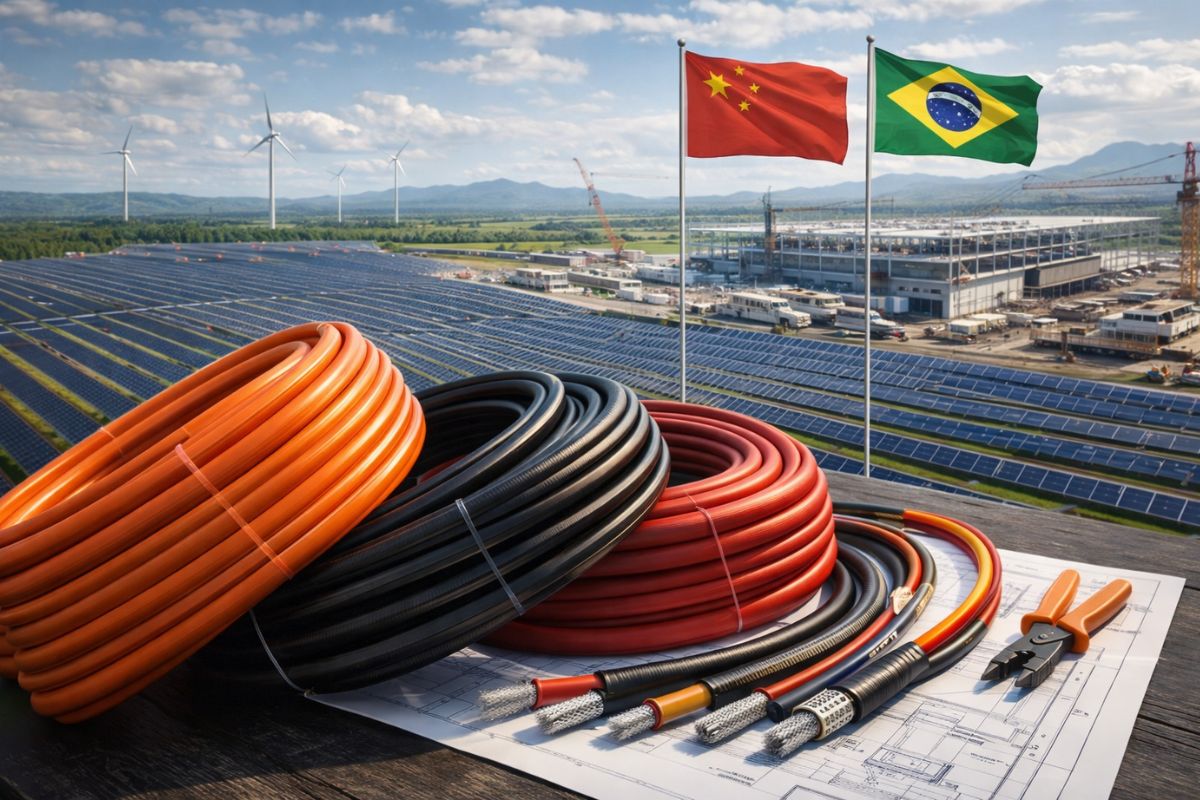
Chinese giant worth nearly R$ 4 billion that manufactures cables for electric cars, solar energy, and robotics wants to open a factory in SC.
-
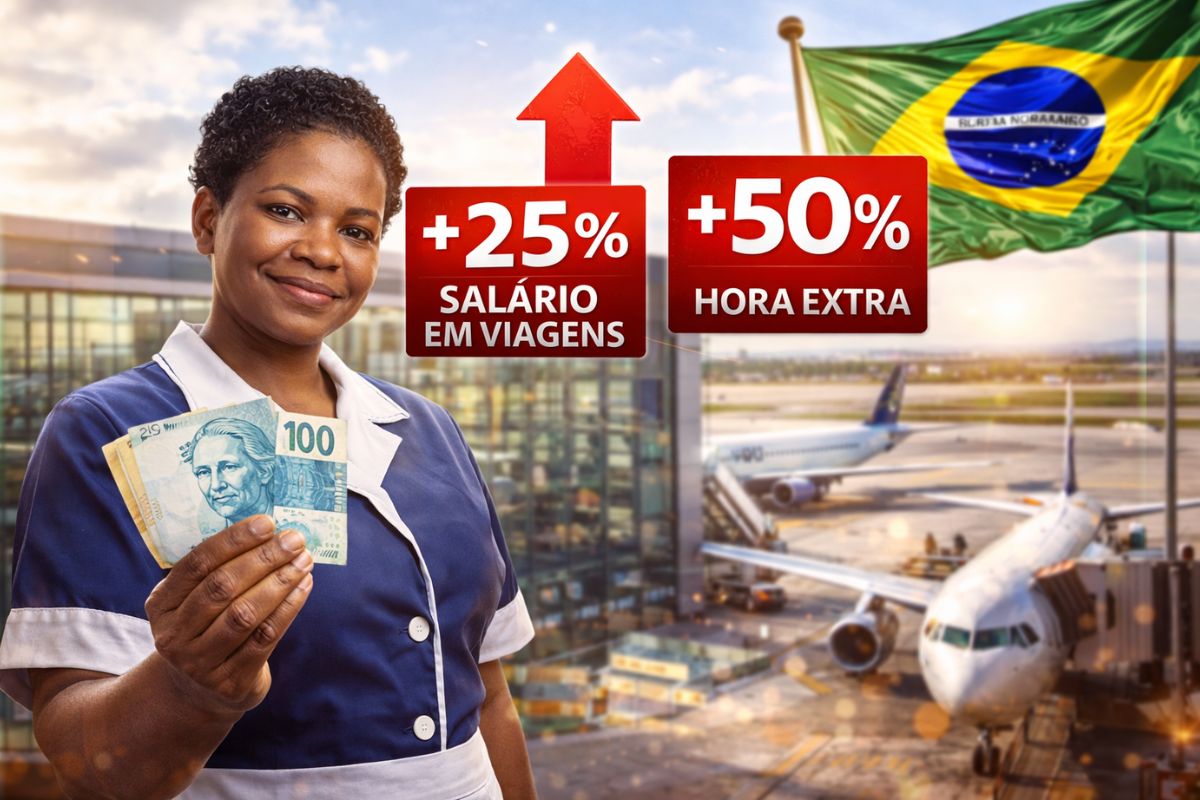
Many employers do not know, but the law guarantees domestic workers a 25% increase in salary during trips, 50% for overtime, 20% for night shifts, and 17 additional benefits that can lead to labor lawsuits if not paid.
-
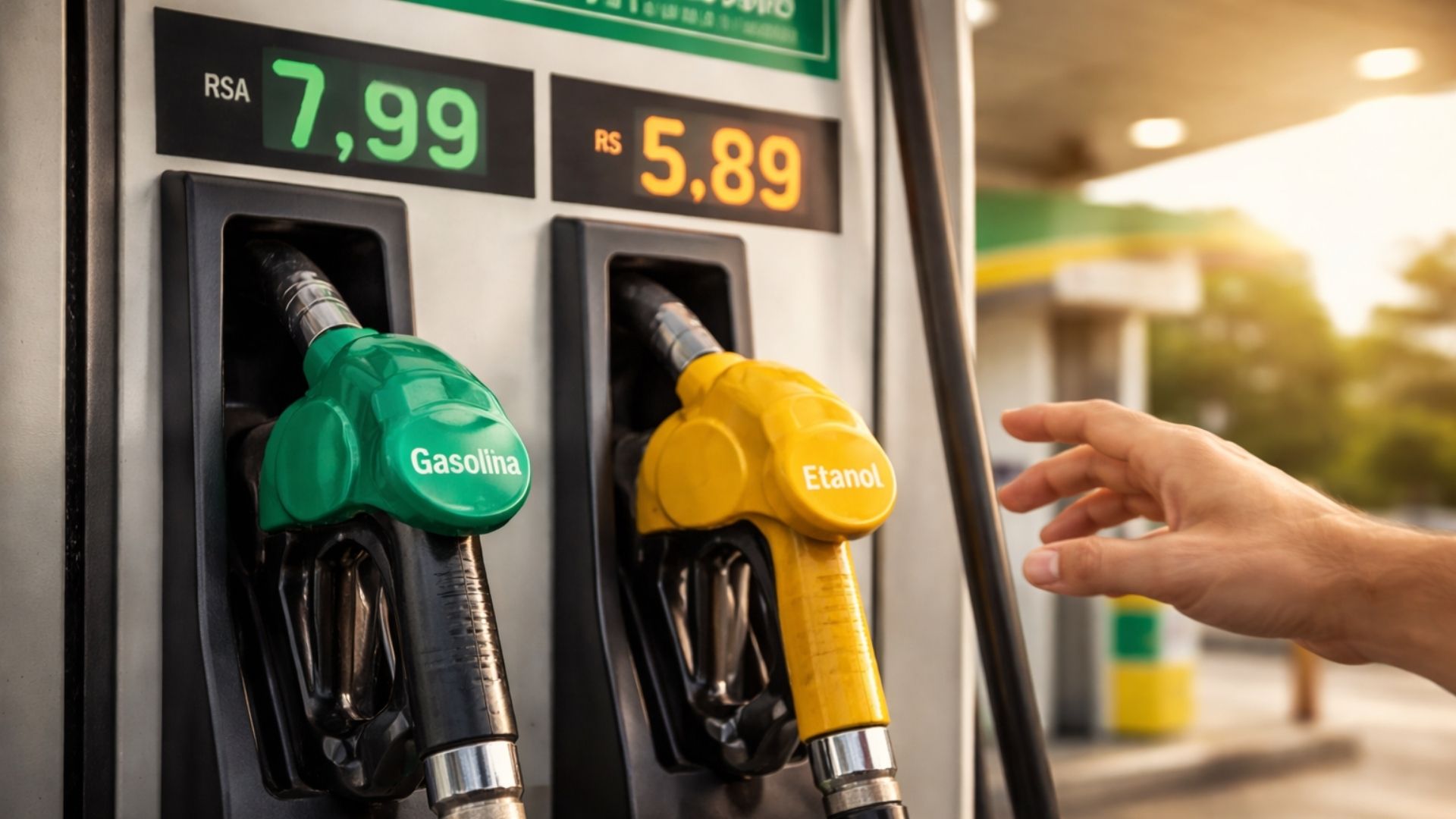
Gasoline prices soar and the question arises: is ethanol more advantageous? The 70% rule reveals the limit with gasoline.
-
The government has made a decision and is starting a test with more ethanol in gasoline, anticipating a mixture of up to 35%, diesel with 25% biodiesel, and a study to assess the impacts on engines.

Moscow has demanded security guarantees from the West, including that Ukraine should never become a NATO member and that the security alliance should reverse deployments in states that joined after 1997. The US and NATO delivered formal written responses to Moscow on Wednesday (January 26), echoing previous statements that Russia’s main demands were unacceptable and that all countries should be able to apply for NATO membership. Russia said the responses left “little cause for optimism,” but suggested that a conversation would continue “on secondary issues.”
Wang’s comments come as China prepares to host the Beijing Winter Olympics, which it hopes will not be overshadowed by the war in Ukraine. They also point to growing concern in Beijing over US efforts to bolster alliances in Asia and Europe to counter China’s rise. China and Russia have also intensified cooperation over the past year, including conducting more joint military exercises. Chinese President Xi Jinping has also spoken to Putin more than any other foreign leader over the past year.
Washington has warned Moscow that it will impose powerful financial sanctions in response to an invasion. In a call with Ukrainian President Volodymyr Zelensky on Thursday afternoon, Biden said the US and its allies were ready to “respond decisively” in the event of a Russian invasion, according to the White House. The US president also said that the United States was exploring “additional macroeconomic support” to help the Ukrainian economy withstand pressure from Russian threats—and assured the Ukrainian president that the US embassy in Kyiv remained open, despite the departure of diplomats’ family members.
The Biden administration is closely monitoring any signs that Beijing may plan to help ease pressure on Moscow should Washington pursue any sanctions. Victoria Nuland, US Under Secretary of State for Political Affairs, said on Thursday that it would not be in China’s interest to side with Russia.
“If there is a conflict in Ukraine, it will not be good for China either,” Nuland said. “There will be a significant impact on the global economy. There will be a significant impact on the energy sphere.” Wang also urged the US to “stop playing with fire on the Taiwan issue” and “stop interfering” in the Beijing Winter Olympics, which are set to begin next week. The US will not be sending diplomatic representatives to the Games in protest of China’s alleged human rights violations in Xinjiang.
The specter of Taiwan-China relations looms large as Beijing responds to Moscow’s aggression in Ukraine. Ukraine and Taiwan have historical significance for Russia and China, respectively, and some experts view the US response to a Russian invasion of Ukraine as a test of how it would react to a Chinese move to invade Taiwan, an autonomous island over which Beijing claims sovereignty.
Chinese President Xi Jinping Calls Russian Leader Vladimir Putin His “Best Friend”
China’s relations with Russia are the strongest they have been in 70 years. When President Xi Jinping receives Vladimir Putin, the Russian leader he calls his “best friend,” at a summit planned just before the opening of the Beijing Winter Olympics on February 4, powerful interests will unite the two men.
China has capital to invest, technology to sell, and an increasing appetite for oil, gas, and other commodities. Russia’s economy, while sick, complements China’s by offering natural resources that can be supplied through pipelines and railways that are—in a fortunate contrast to maritime supply routes—immune to blockading by foreign navies. A sense of history unites the leaders. Both see a world order being reshaped by American fatigue and doubt, creating opportunities to test and divide the democratic West. Chinese and Russian diplomats and propaganda organs convey and amplify parallel narratives about the benefits of a firm hand order over American-style dysfunction. Joint military exercises demonstrate increasing confidence.
In a recent speech in Australia, aimed at rallying “freedom-loving democracies,” British Foreign Secretary Liz Truss described China and Russia as aligned and “encouraged in a way we haven’t seen since the Cold War.” In Washington, commentators suggest that China and Russia see a shared interest in a Russian armed adventure in Ukraine that tests President Joe Biden’s resolve and finds it wanting.
Some go further, arguing that Mr. Xi may watch an uncontested Russian attack on Ukraine and conclude that he can safely invade Taiwan, the self-governing democratic island of 23 million people that China claims as its own. In this narrative, China’s scruples about Ukraine mainly involve timing. An American news service recently reported that Mr. Xi asked Mr. Putin not to attack during the Olympics, citing anonymous diplomats. China’s embassy in Moscow called this report “a fabrication and a provocation.”






Seja o primeiro a reagir!