Portuguese
  Spanish



China: The Asian Giant Spent, Just in 2020, US$ 98.1 Billion on Food Imports. The Result of This Buying Movement Came in the Form of Global Inflation
According to USDA (United States Department of Agriculture) projections, China, the Asian giant, will control 69% of the world’s corn reserves by the first half of 2022, as well as 60% of the rice reserves and 51% of wheat, an accumulation of about 20 percentage points over the last 10 years.
Read Also
- The World’s Largest Wind Turbine Will Be Chinese: Wind Turbines China Plans to Use in Building Its Most Ambitious Wind Farm Are More Powerful Than General Electric’s Haliade-X
- Eike Closes Partnership with China and Gains ‘Infinite’ Capital to Implement Oil and Gas, Mining, Renewable Energy, and Infrastructure Projects in Brazil
- China Seeks to Force Down Oil Prices
- The Largest and First Offshore Converter Station in the World Has Been Installed! The Giant Steel Structure Weighing 22,000 Tons and 15 Floors Will Supply Electricity to 1.36 Million Homes in China
- China Challenges Google and Builds the World’s Most Powerful Quantum Computer
- 91,300 Tons of Nickel, a Key Raw Material Used in Electric Vehicle Battery Production, Produced in Bahia, Were Exported to China by the Only Producer of the Ore in Brazil, Atlantic Nickel
- China Tested a Nuclear-Capable Hypersonic Missile Able to Circle the Earth, Leaving the United States Stunned by the Chinese Glider
Since these projections come from China’s greatest rival, the statement could have a suspicious bias. However, the country’s “hunger” is corroborated by statements from the Chinese government itself.
“China currently has food stocks at historically high levels […], which can meet a demand equivalent to a year and a half,” said Qin Yuyun, head of the grains department at the National Food and Strategic Reserves Administration of Beijing, last November.
-
Havan Competitor Expands in Brazil with 170 Stores, Offering Everything from Stationery to Asian Food and Focusing on Affordable Products to Attract Shoppers

-
Norway’s $2 Trillion Dilemma: How Oil Revenue Created a Massive Savings Fund with Too Much Money to Spend

-
Microsoft Lays Off 4,800 Employees, Cuts 20% of Xbox Staff Amid AI Pressure on Major Tech Firm

-
Brazil’s ANP Opens 86 New Oil Blocks in the Equatorial Margin, Expanding the Amazon River Mouth Frontier

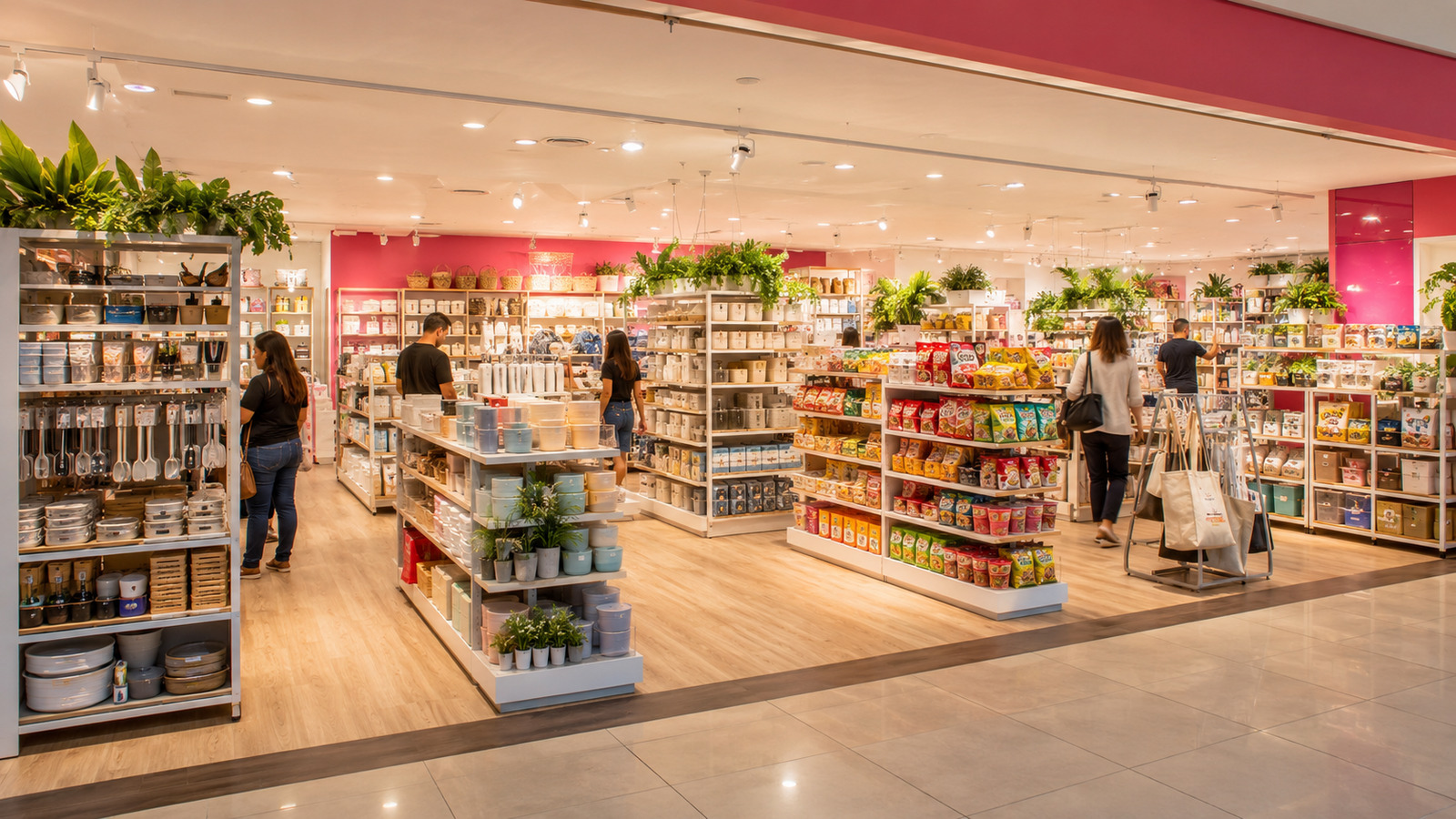



China Spent US$ 98.1 Billion on Food Imports Just in 2020
China spent, just in 2020, US$ 98.1 billion on food imports, according to data from the country’s General Administration of Customs.
From January to September 2021, Beijing bolstered its reserves to the highest levels since 2016 by buying more soybeans, corn, and wheat, between two to twelve times more than Brazil and the U.S., for example.
The Accumulation of Food Reserves by the Chinese Government Generated Price Increases and a Surge in Global Inflation
The result of this accumulation of food reserves in China came in the form of inflation: according to data from the Food and Agriculture Organization of the UN, food prices soared by 30% globally in the year. In November, the United Nations’ food index recorded a new 10-year high.
“China’s accumulation is one of the reasons for the price increase,” said Akio Shibata, president of the Tochigi Natural Resources Research Institute, in an interview with Nikkei Asia.