





 Português
  Inglês
  Espanhol
  3 min de leitura



The President of Petrobras, General Joaquim Silva e Luna, Criticized This Tuesday the Government’s Plan for Taxing Crude Oil Exports from Brazil.
According to the company’s president, this could be detrimental to Petrobras’s business and discourage future buyers of the shares in the indirect privatization process being negotiated in the National Congress.
According to the president, there are other ways to stabilize the price of petroleum derivatives in the domestic market that do not involve such a severe restriction on the operations of Brazil’s largest oil company.
- Ativa Investimentos estimates that Petrobras needs to raise gasoline prices by 6% to eliminate the gap between the fuel price in the country and its international quotation
- Fuel Price Increase: Petrobras Is Accused of Misleading Advertising Regarding Gasoline Prices
- Senator Presents Bill Authorizing Direct Sale of Ethanol by Cooperatives, Sugarcane Suppliers, and Rural Producers’ Associations Without the Need for Distributor Intermediation
The statement was made by the president during a hearing in the Senate Economic Affairs Committee to explain the rise in fuel prices to the senators.
-
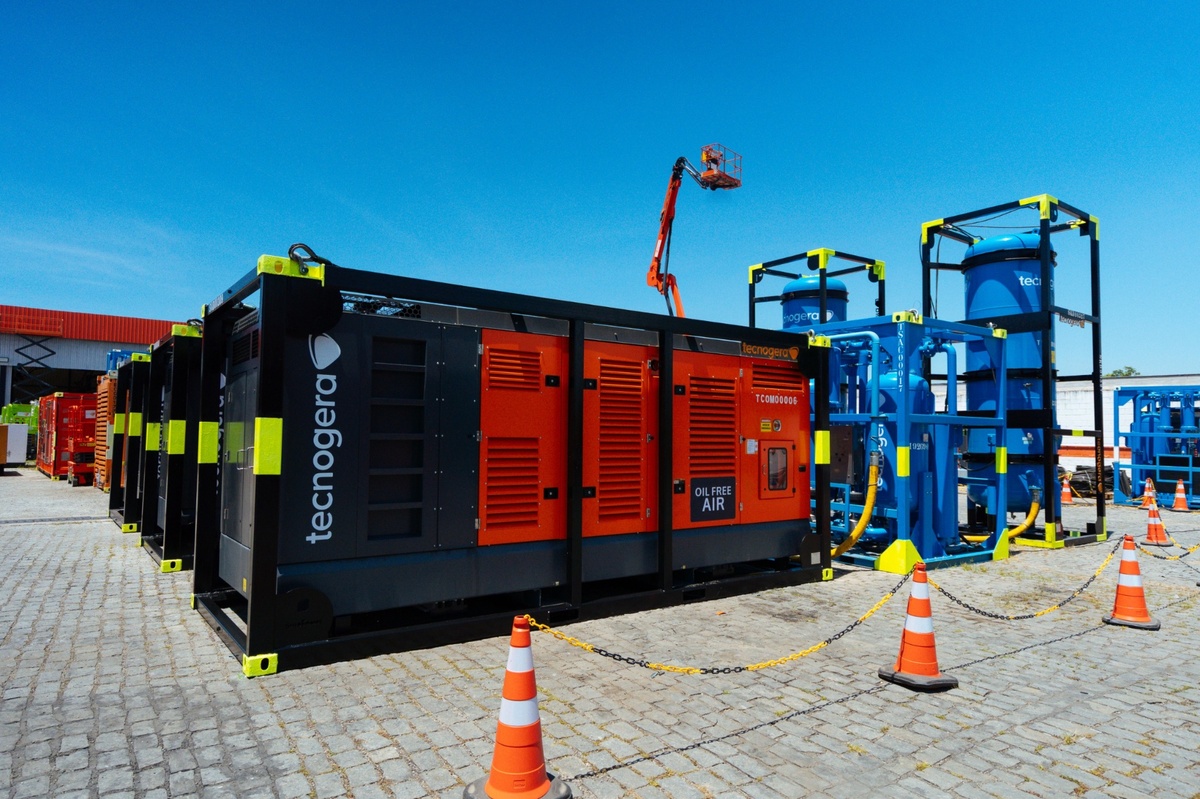
Offshore industrial demand in Macaé skyrockets with the recovery of oil and gas and could grow by up to 396% by 2026 in the Campos Basin.
-
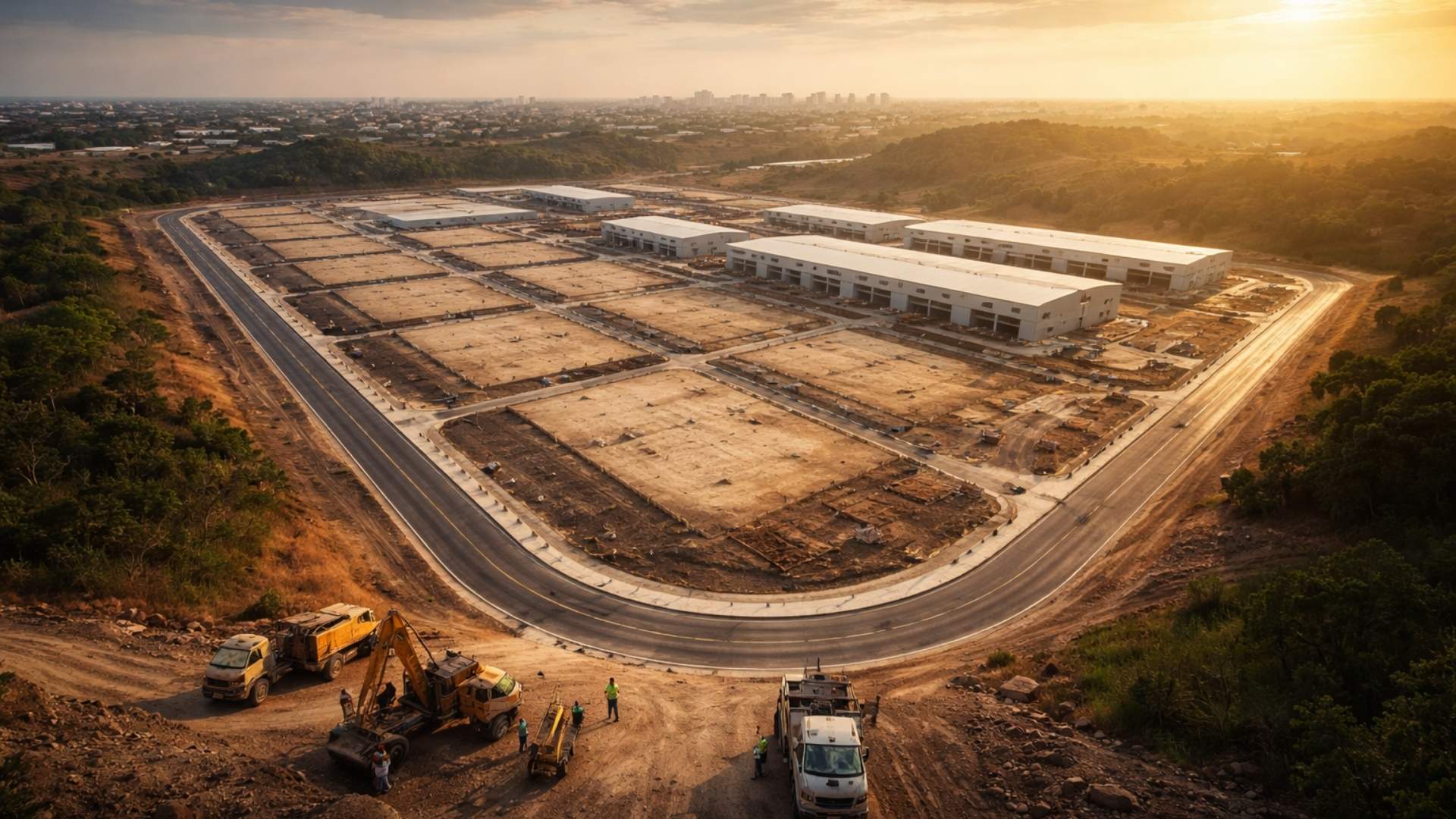
Brazilian city gains industrial hub for 85 companies that is equivalent to 55 football fields.
-
Peugeot and Citroën factory in Argentina cuts production by half and opens a layoff program for more than 2,000 employees after Brazil drastically reduced purchases of Argentine vehicles.

-
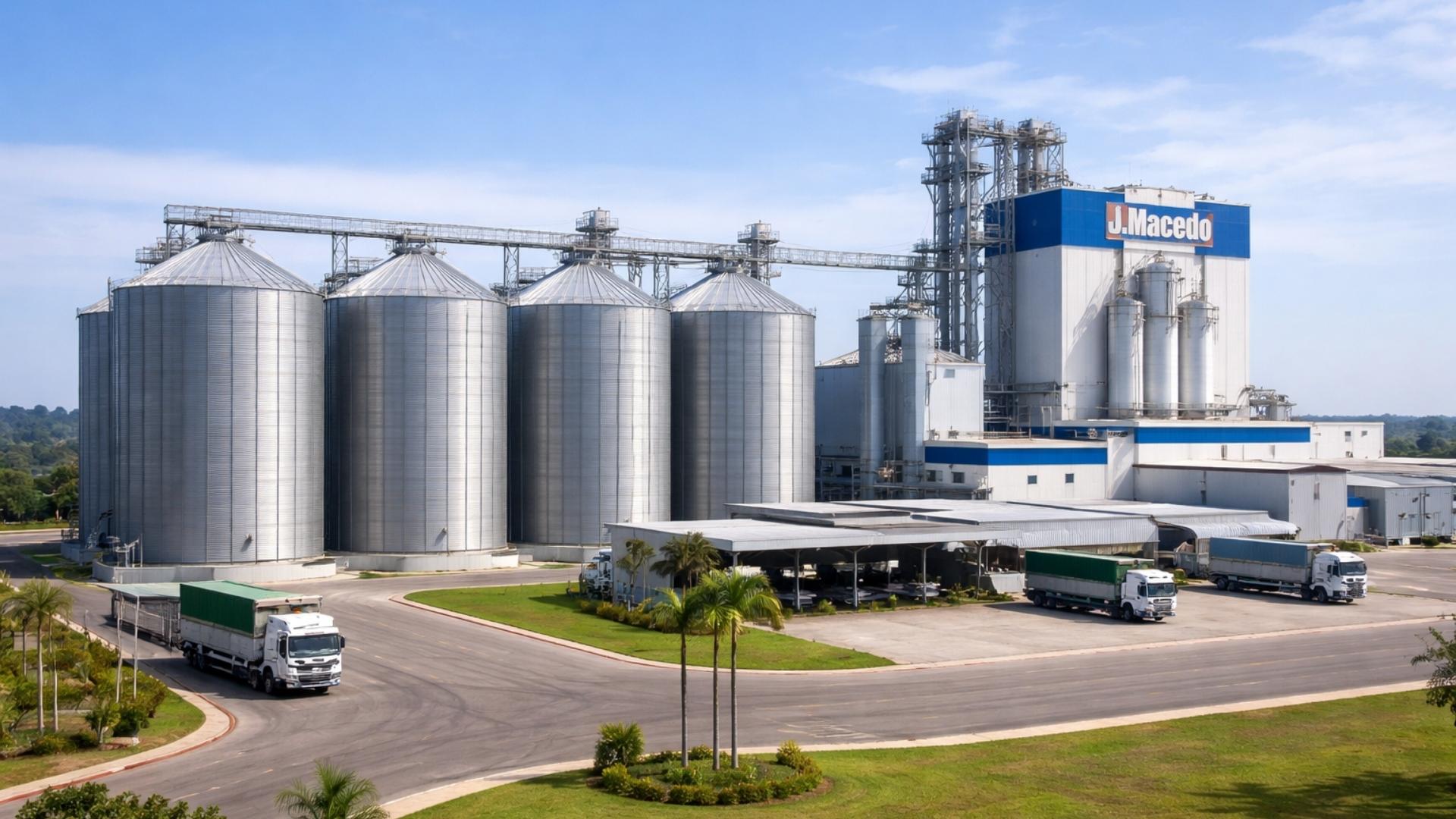
A Brazilian city gains a factory worth R$ 300 million with the capacity to process 200 thousand tons of wheat per year, a mill of 660 tons/day, silos for 42 thousand tons, and an industrial area of 276 thousand m².

In the same statement, Luna claimed that “Petrobras is not a monopoly, and there are already several competitors in the fuel sector, including Vibra, Ipiranga, and Raízen”


What We Know About Crude Oil Export Taxation So Far?
The export tax on crude oil aims to create a stabilization fund for fuel prices, thus preventing the rising dollar and oil barrel prices in the international market from continuously pushing up fuel prices, one of the factors for the recent inflation increase.
The president was not the only one to speak negatively about the tax. The Director of Commercialization and Logistics, Cláudio Mastela, classified the idea of creating this fund through taxing crude oil exports as: “an easy way out with a terrible effect.”

Petrobras’s dissatisfaction with the tax proposed by the Senate arises precisely from the fact that the new strategy of the mixed-capital company seems to involve much more crude oil production and export than its refinement, a strategy evidenced by the sale of Petrobras refineries to other groups in the market.
Alternatives for Crude Oil Export Taxation
In his speech today, the president of Petrobras also stated that there are more interesting alternatives for creating this fund than taxing crude oil.
One of the examples cited is the use of Petrobras’s dividends as a source of income for creating and managing this fund, as this year the company’s dividends reached a new record.
General Silva e Luna also stated that society is exaggerating Petrobras’s role in the price increase process “The rise in fuel prices does not correspond to Petrobras and is being attributed to it.”
Other Perspectives on Fuel Price Increases.
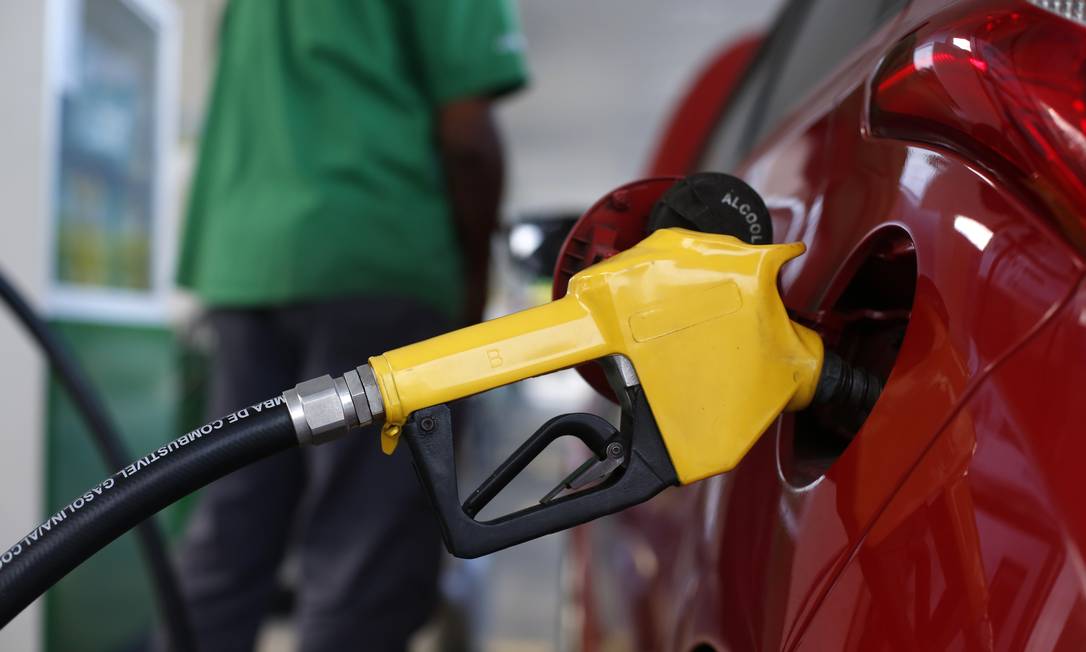
Despite General Silva e Luna’s statements, there are other authorities and researchers who disagree with his assessment.
The researcher from the Institute of Strategic Studies of Oil, Natural Gas, and Biofuels, Carla Ferreira, recently commented to UOL that a large part of the responsibility for fuel prices lies precisely with Petrobras.
According to her, these increasingly higher prices are reflections of the pricing policy adopted in 2016, which links the price of oil sold nationally to the value of oil barrels in the international market, and intends to charge in dollars, which causes the values involved in this transaction to become even higher with the instability of the real.










Seja o primeiro a reagir!