






 Portuguese
  Spanish
  3 min of reading


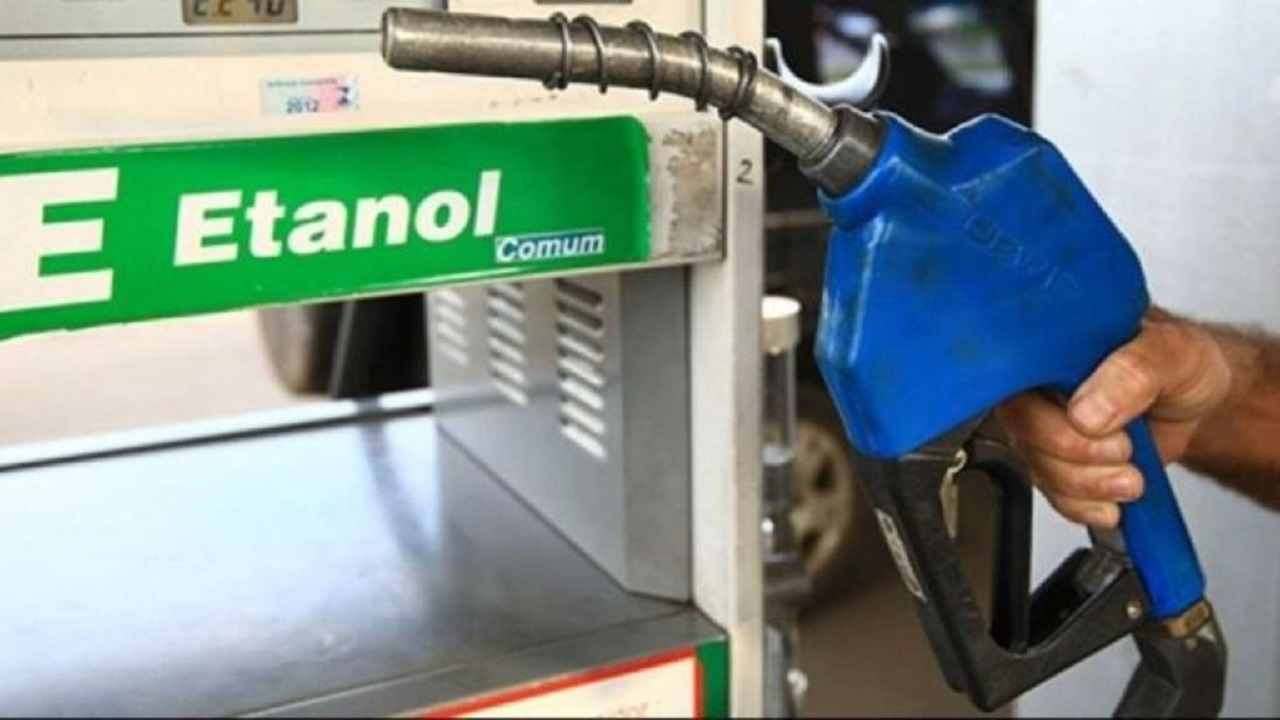
In Order to Avoid Unnecessary Costs, Senator from PP/RS Presents Bill That Excludes the Need for Intermediaries, Allowing Direct Sale of Ethanol by Sugarcane Suppliers
On Wednesday (28), Senator Luis Carlos Heinze (PP/RS) presented a bill that authorizes the direct sale of ethanol by sugarcane suppliers, cooperatives, and associations of rural producers, excluding the need for intermediaries.
Read Also
Limit of 30% of the Equivalent to the Volume of Sugarcane


The senator’s bill will be valid for fueling vehicles, tractors, agricultural aircraft, and machines of cooperatives, associates, and affiliated members. The proposal limits the purchase of the biofuel to 30% of the equivalent to the volume of sugarcane delivered for personal consumption. The bill also allows cooperatives and associations to maintain ethanol distributors solely for supply to their associates.
-
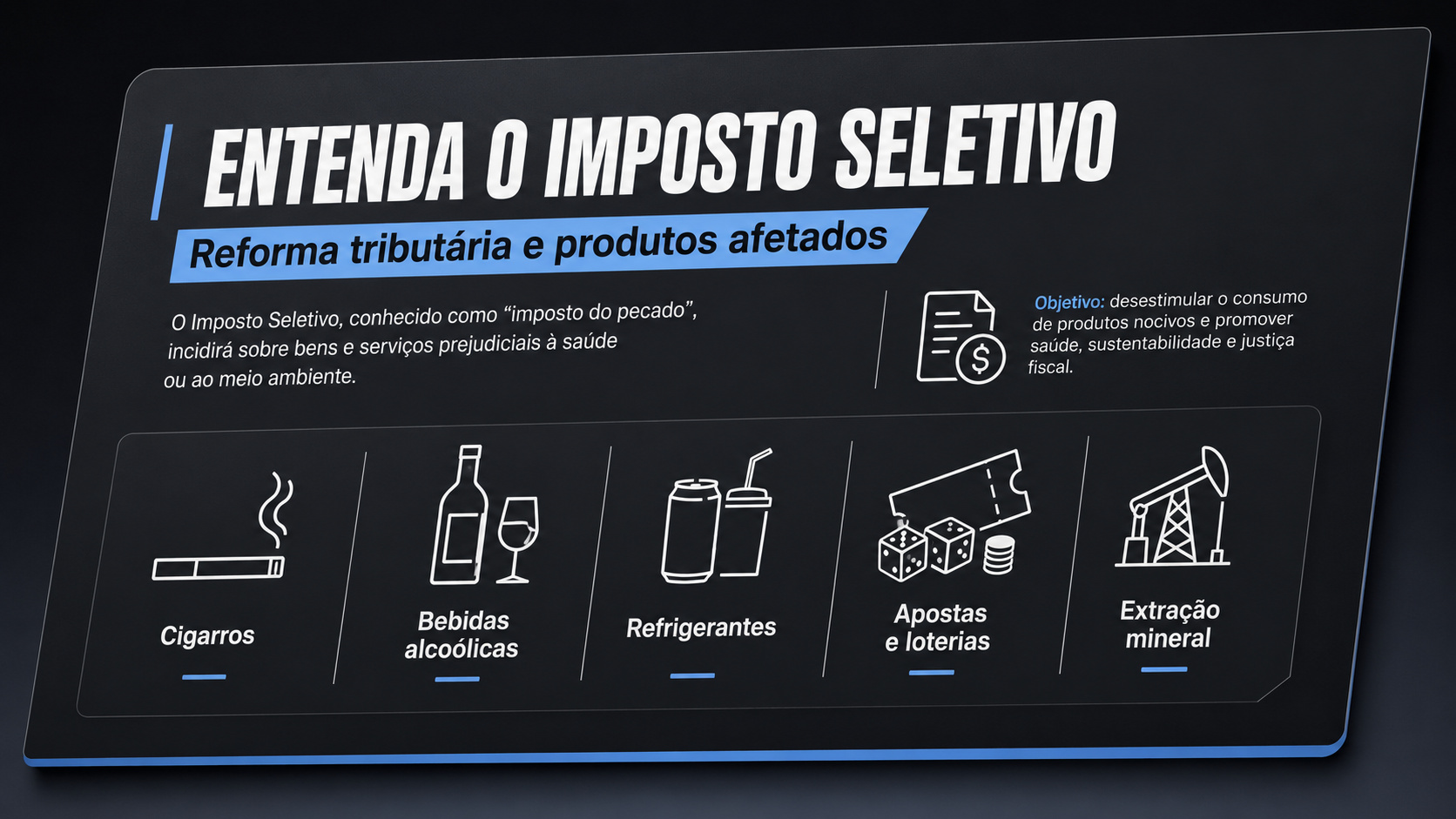
Government confirms sin tax for 2027 and explains why alcoholic beverages and cigarettes should not become more expensive right away, despite the new tax also covering soft drinks, polluting vehicles, mineral extraction, lotteries, betting, and fantasy sports games in a change that still depends on Congress.

-
Anvisa reveals flaws in supplements from IDNLABS and suspends 11 batches that include creatine, BCAA, beta-alanine, and multivitamins; the measure affects products with quality, composition, and labeling issues, while consumers are advised to check the printed codes on the packaging.
-
Ypê expands exchange and refund of products suspended by Anvisa, but consumers still need to check final batch 1, manufacturing date, and category before using laundry detergents, dishwashers, and disinfectants.
-
Son of a Chinese immigrant who sold tea in the countryside of São Paulo, Zhang Ye almost went bankrupt in 2021 and today, at 28 years old, claims to earn 1 million reais per day and has become the number 1 on TikTok Shop in Latin America.




In the bill, the senator also authorizes the formation of cooperatives and associations for the commercialization of ethanol. Heinze offers amendments to the law 9.478/97, concerning energy policy, which fosters decentralization and establishes new criteria for the production and distribution of the biofuel. Among the amendments is direct sale to distributors, gas stations, associations, cooperatives, and even for the external market.
According to the senator, the intermediaries of distributors cause losses to rural producers who struggle against efficiency losses in their productive systems and also incur additional costs. The industrialization of ethanol for personal use or direct sale will represent the democratization of the biofuel distribution system in Brazil.
In his justification for the bill, the senator states that consumption closer to the production site reduces environmental impact by decreasing the transportation of bulk cargo. He asserts that there is a way to generate jobs, income, and development throughout the production of ethanol from sugarcane.
Drivers Replace Ethanol With CNG
With rising fuel prices, drivers see natural vehicle gas (CNG) as a cost-effective fuel that provides better efficiency and is significantly cheaper.
According to experts, the new fuel can reduce fuel costs by up to 50% compared to conventional fuels, such as ethanol, for example. Just in the state of Pernambuco, in May 2021, the number of conversions per month for using CNG was the highest in 15 years, with over 1,000 conversions and a total exceeding 4,700 in the first six months. Now, the state has over 70,000 vehicles running on natural vehicle gas.
Brazil May Miss the Second Wave of Ethanol
Ethanol has made rapid advancements and is very important in the fight against global warming, as it reduces carbon dioxide (CO2) emissions by 70% compared to a fossil fuel.
Although the scenario is favorable for ethanol produced from sugarcane and corn, there is a chance that Brazil may miss out on this growth due to the “Custo Brasil.”
According to Luis Carlos Júnior Jorge, president of the National Center of Sugar-Energy and Biofuels Industries, the country will be left out due to the country’s costs and also claims that we are not competitive concerning the tax burden, but there is still time for everything to be resolved, and for Brazil’s base industry to be part of the great ethanol market that is coming.








Be the first to react!