





 Português
  Inglês
  Espanhol
  3 min de leitura
  0 comentários


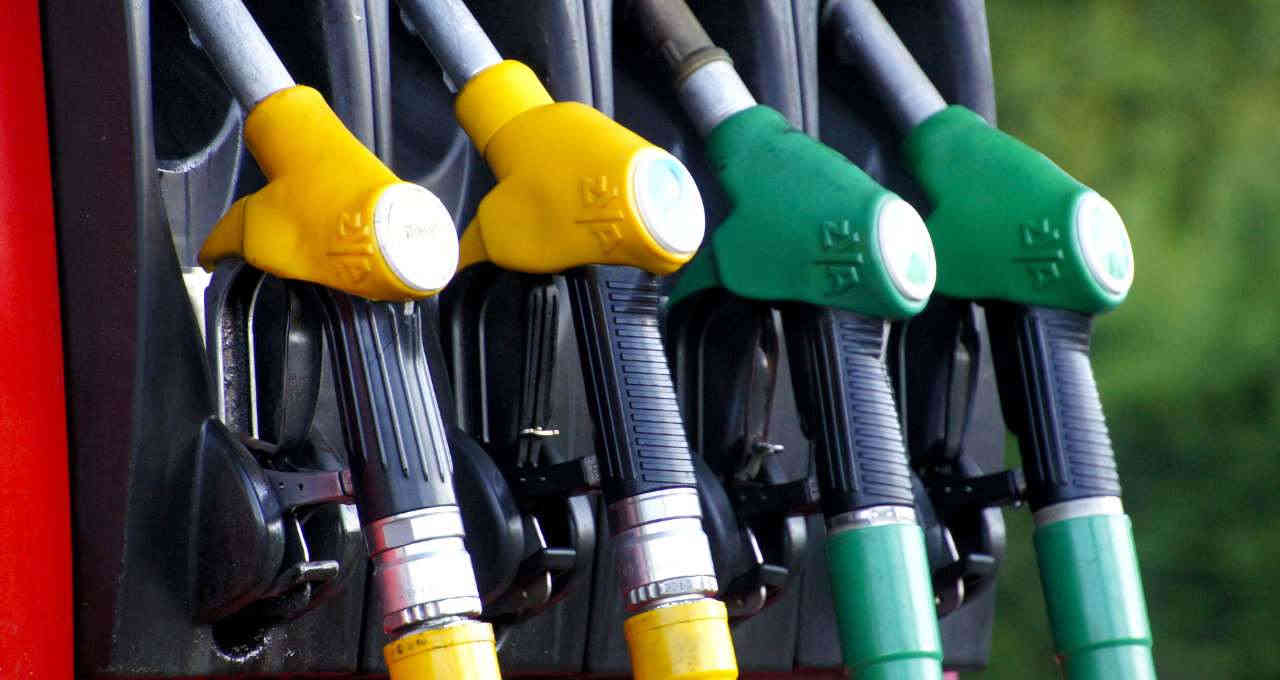
“Fuel Prices in 2024 Should Be More Stable Due to Exchange Rates and Oil, but With Pressure from Demand. Average Price Fluctuating at R$ 4.85.”
Fuels have been a matter of great concern, mainly related to fuel prices. The expectation is that this year the scenario will be much more stable, according to Bruno Pascon, executive director of the Brazilian Center for Infrastructure (CBIE). The assessment is that the market expects a much lower economic growth cycle, which is ‘basically the economies of the West due to monetary tightening, which increased interest rates from 0% to 5%’, he states. According to Pascon, without pressure from demand, the market will look at the supply side. Furthermore, he emphasizes that, contrary to what was expected, China has not pressured oil prices, just as winter in the northern hemisphere has not shown any seasonal signal of higher prices, whether for gas or oil.
In the overall picture, according to the analyst, the higher biodiesel blend, which tends to have a greater price pressure effect at the pump (between R$ 0.9 and R$ 0.18), and the effect of reinstating PIS/Cofins charges starting in January, is more than compensated by the commodity scenario, with oil prices down and the exchange rate under control. The impact of the exchange rate and oil is essential in this scenario, with the expectation that the price of oil this year will be between US$ 75 and US$ 80 per barrel, compared to US$ 82 in 2023. ‘Obviously, the price of oil can be volatile due to geopolitical events, but at least fundamentally, the expectation is for lower average prices,’ he comments.
Fuels: Rising Prices and Economic Impacts
The current scenario has been marked by strong pressure on fuel prices, which has significantly impacted consumers’ wallets. The price of fuel, which was already fluctuating around R$ 4.85, has faced greater pressure recently, resulting in a significant increase. This demand pressure, coupled with seasonal signals of higher prices, has driven the average price up, causing impacts on the economic growth cycle.
-
Offshore industrial demand in Macaé skyrockets with the recovery of oil and gas and could grow by up to 396% by 2026 in the Campos Basin.
-
Offshore industrial demand in Macaé surges with the recovery of oil and gas and could grow by up to 396% by 2026 in the Campos Basin.
-
Brazilian giant expands borders in the Southeast: Petrobras confirms new oil discovery in ultra-deep waters in the pre-salt of the Campos Basin.

-
Alert in the global energy market: Severe tropical cyclone hits the coast and disrupts gas production at major plants in Australia, threatening global supply.


Additionally, the approval of tax reform has contributed to a monetary tightening, which in turn has led to an increase in interest rates. Consequently, demand pressure has driven up oil prices. The higher biodiesel blend has also had an impact, due to the effect of reinstating PIS/Cofins charges.
In light of this scenario, weaker economic performance has been observed as consumers are facing difficulties with rising fuel prices. The dependence on the exchange rate and oil has also exerted influence, resulting in an environment of uncertainty and rising prices.
Therefore, it is crucial for policymakers and economic authorities to adopt measures to address this price pressure to avoid negative impacts on the economic growth cycle. Seeking solutions that can ease the pressure on fuel prices is essential to ensure economic stability and the well-being of citizens.
Source: MoneyTimes










Seja o primeiro a reagir!