





 Portuguese
  English
  Spanish
 4 min of reading
  0 comments


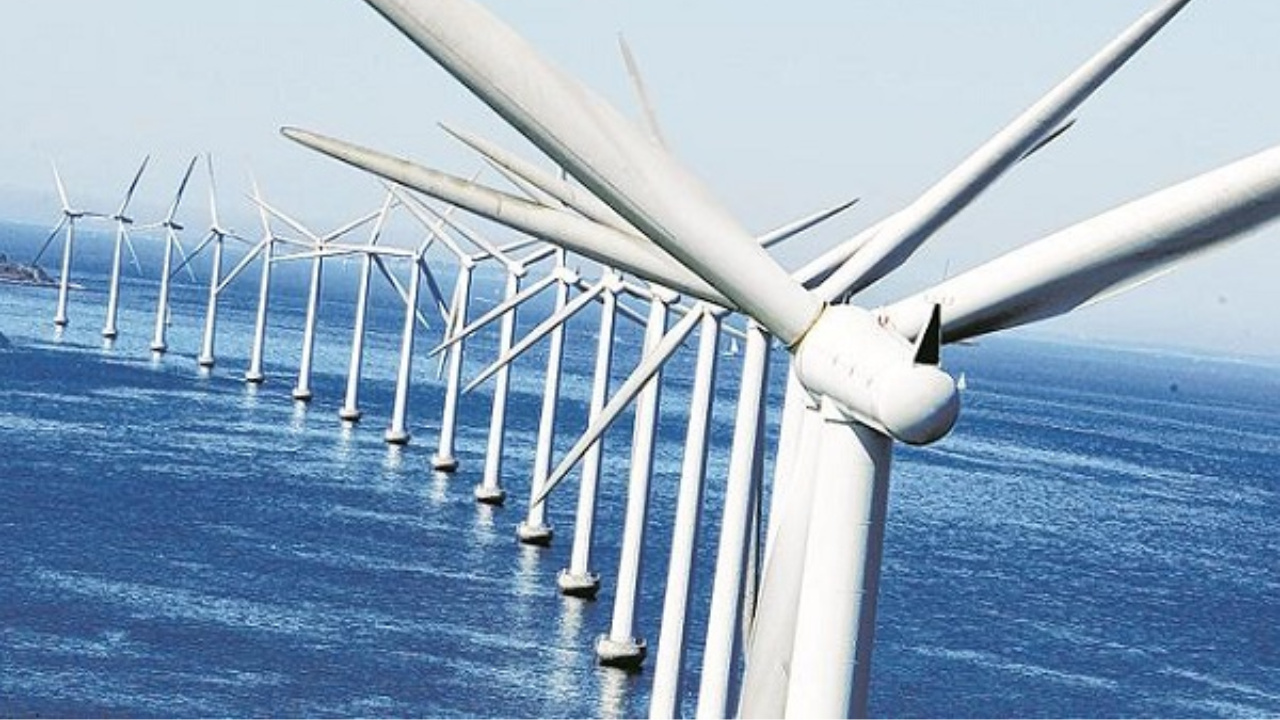
ANP Releases Merit Declaration for the Offshore Wind Power Project in Areia Branca (RN), Unlocking Brazil’s First Testing Site and Strengthening Regulatory Progress for Offshore Generation.
Brazil took a strategic step to consolidate its presence in the offshore wind energy sector. The National Agency of Petroleum, Natural Gas, and Biofuels (ANP) approved the issuance of the Merit Declaration for the Areia Branca Wind Turbine Testing Site, in Rio Grande do Norte.
This decision, although still initial, marks an essential advance in the process that seeks to create an adequate regulatory environment for the development of offshore projects.
Moreover, it reinforces the government’s commitment to structuring a new phase of the energy transition.
-
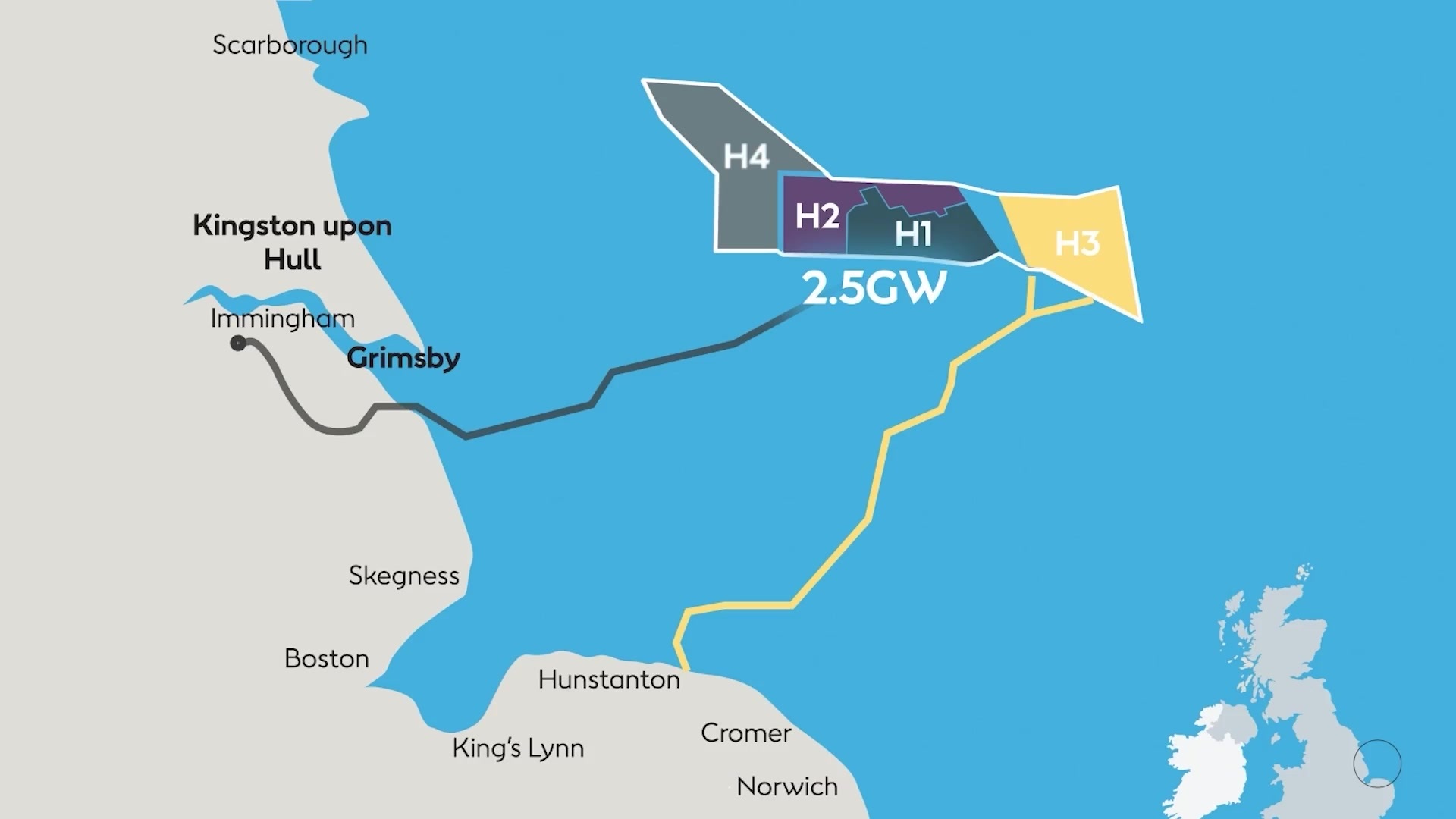
231 turbines of 260 meters at 160 km from the coast, monopiles weighing as much as nine blue whales embedded in the North Sea, and a crane ship taller than the Eiffel Tower: Hornsea 3 will be the largest offshore wind farm on the planet by 2027, and its first components have already arrived in England.
-
International Certification Puts Senai Norte on the Renewable Energy Map and Expands Access to Essential Training for Qualified Wind Power Professionals

-
The Winds of the Northeast Are in Foreign Hands: Nearly 70% of the Region’s Wind Farms Are Owned by International Companies, with France, China, and Italy Leading Investments in Wind Energy in Brazil
-
Echoenergia’s Wind Farms Receive Diamond and Platinum Seals and Boost Carbon Credits with Projects that Prevent Large Volumes of Annual Emissions
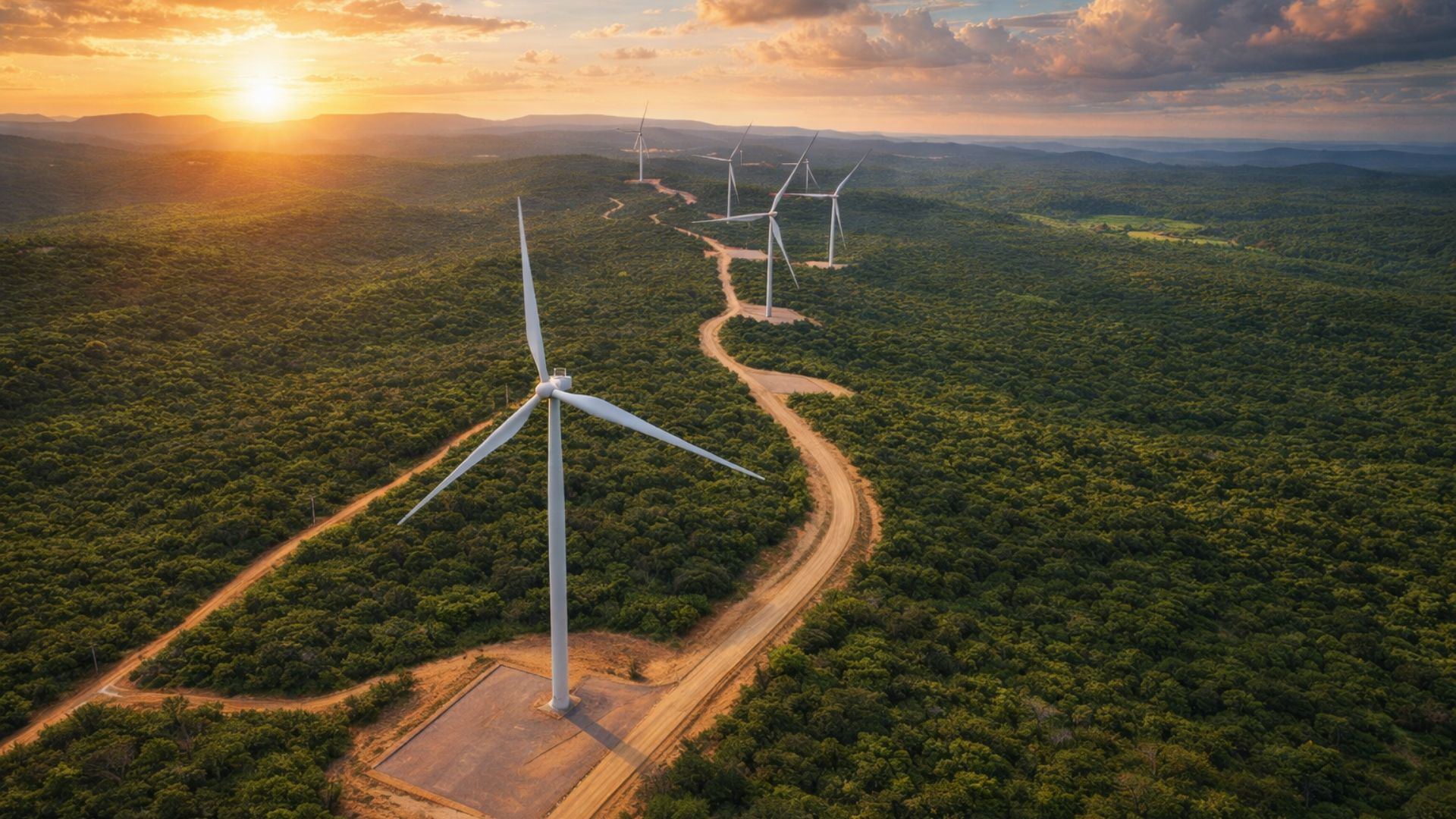

Opinion Opens the Way for the Country’s First Offshore Testing Area
With the approved technical analysis, the pilot project now has an important validation: the chosen area does not present conflicts with fields, wells, or pipelines related to oil and gas activities.
This confirmation was awaited by the Ministry of Mines and Energy (MME), which requested the evaluation.
The Merit Declaration, although it does not replace environmental licenses or definitive authorizations, signals predictability for investors and for the government itself.
The document exclusively assesses interactions with the oil and gas industry, leaving other stages—such as licensing, technical qualifications, and area allocation—for later phases.
Even so, the ANP’s opinion reinforces that the selected territory is suitable for receiving wind turbines, consolidating Brazil’s first offshore wind energy testing site.
Areia Branca Testing Site: What Will Be Installed in the Potiguar Sea
The project foresees the initial installation of two wind turbines in an area already certified by the National Heritage Secretariat (SPU) and licensed by Ibama. It is a testing environment designed to operate under real offshore conditions.
In this experimental space, it will be possible to evaluate mechanical performance, maintenance, environmental impact, climatic conditions, port logistics, and continuous operation efficiency.
The government highlights that this will be the first open laboratory of its kind in Brazil—and one of the few in the Southern Hemisphere—dedicated exclusively to developing solutions for offshore wind energy.
The goal is to reduce uncertainties and accelerate national technological dominance in the offshore segment, which has very different challenges from those found in onshore wind farms.
The advancement of the project occurs in accordance with the regulation of Law No. 15.097/2025. This legislation establishes guidelines for the use of maritime areas designated for offshore energy generation and structures the relationship between federal, state, and municipal agencies throughout the entire process.
Thus, the testing site will also serve as a platform for regulatory learning. The pilot will allow the government to observe, in practice, how the interaction occurs between institutions responsible for licensing, oversight, and maritime space usage authorizations.
As a result, the country gains a real laboratory to improve administrative procedures, shorten timelines, and make the processes that will come in future commercial projects more predictable.
Strategic Nature and Potential to Guide Public Policies
The Ministry of Mines and Energy officially reinforced the strategic value of the initiative. In a statement, it highlighted that the testing site will serve as “an experience to validate ANP procedures” and, at the same time, as a reference for public policies aimed at the implementation of larger-scale ventures.
This movement comes at a time of strong interest from investors in Brazil’s offshore wind energy potential. Government estimates indicate that the country could reach over 700 gigawatts (GW) of installed capacity offshore.
However, to transform this expectation into viable projects, the sector still requires legal security, industrial infrastructure, and clear rules for the use of the sea.
The testing site, therefore, seeks to fill in gaps that currently affect the entire planning cycle for offshore generation.
Rio Grande do Norte: Leadership in Wind Energy and Ambitions at Sea
The state of Rio Grande do Norte is a natural protagonist in this trajectory. After all, it has led onshore wind energy generation for over a decade. Now, it aims to take this vocation to the next frontier: the ocean.
With geographical characteristics considered advantageous, RN is increasing investments in port modernization, stimulating green hydrogen projects, and seeking to attract productive chains linked to the offshore industry.
The implementation of the Areia Branca Testing Site strengthens this strategy and helps reduce technological and regulatory risks for the early stages of this industry.
The initiative also contributes to bringing together companies, universities, suppliers, and regulatory institutions, creating a more complete ecosystem ready for offshore challenges.
Although the ANP’s opinion represents a significant advance, the sector still needs to address issues involving environmental licensing, authorizations for the use of maritime space, and access to strategic areas. Such procedures are considered to be among the most relevant bottlenecks for offshore development in Brazil today.
However, the pilot project may help simplify this journey. By observing the dynamics between federal, state, and municipal agencies involved, the government hopes to develop clearer and more efficient administrative flows, promoting legal security and reducing risks.








Seja o primeiro a reagir!