





 Português
  Inglês
  Espanhol
  3 min de leitura


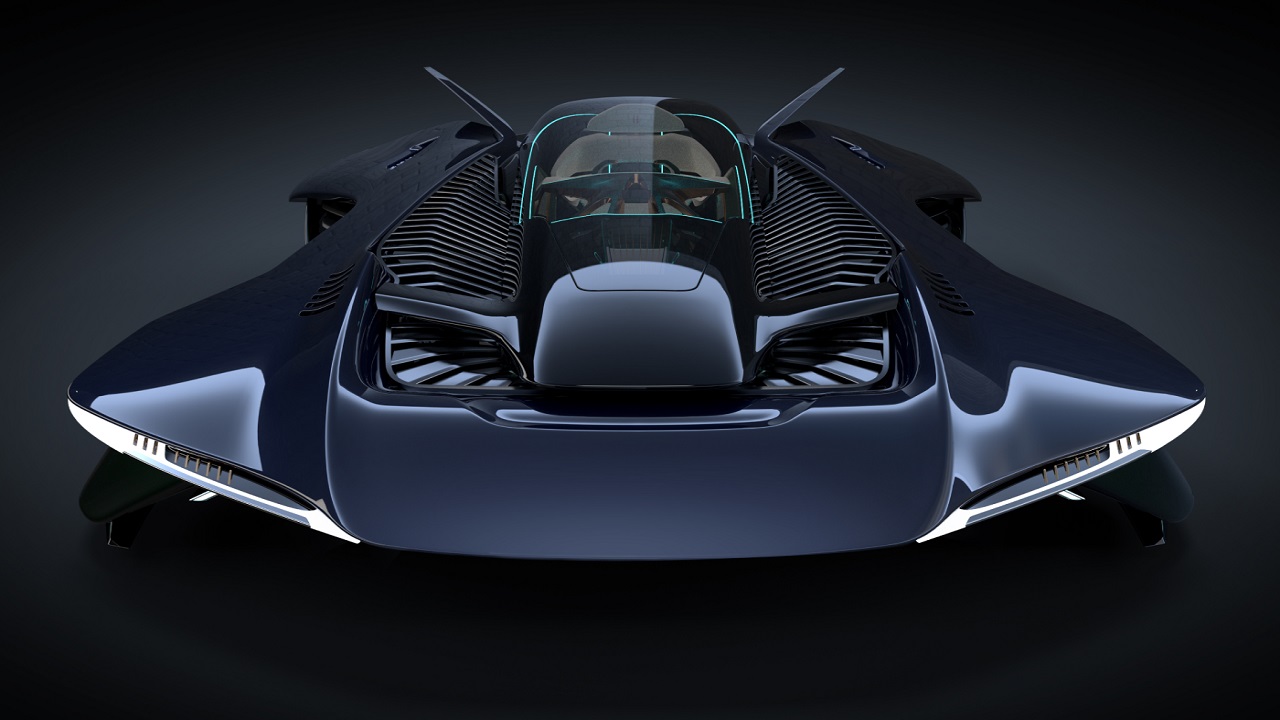
Company Develops Sports Electric Vehicle with Futuristic Design. The Flying Car Can Reach 227 km/h and a Maximum Altitude of Almost 1 Kilometer.
The Bellwether Industries, a British company based in London, has unveiled its latest electric flying vehicle with vertical takeoff and landing (eVTOL) capabilities. This revolutionary flying car is called Volar. The new electric vehicle combines several technologies to be the first super sports car that flies, utilizing advancements from drones and the traditional takeoff and landing methods of Harrier fighter jets.
New Flying Car Can Reach 227 km/h Top Speed


The design of the Volar makes it a prototype of a futuristic sports vehicle, with angular edges and an aerodynamic design typical of race cars. However, the electric flying car does not only feature an incredible design: engineers expect it to reach 227 km/h and a maximum altitude of 914 meters.
According to the company responsible for the project, it is believed to be inevitable that people will drive in the skies in the coming decades. Thus, the flying car was designed with the thought that anyone can fly at any time and place.
-
OMODA & JAECOO grows in Europe in 2026 with an integrated strategy of sales, innovation, local production, and technological advancement in the United Kingdom, Italy, and Spain.

-
OMODA & JAECOO expands after-sales service in Brazil with competitive maintenance, a 7-year warranty, and high availability of parts for technological SUVs.

-
OMODA & JAECOO appoints Alessandra Souza as executive marketing director in Brazil and accelerates brand expansion with a focus on innovation, networking, and hybrid portfolio.

-
Jaecoo 7 with super hybrid SHS system exceeds 1,200 km of combined range with a 1.5 turbo engine, high-density battery, and intelligent energy management.


Currently, the company is developing the flight systems based on a prototype that has been in testing for some time. In an initial flight, the vehicle reached 4 meters in height at a speed of 40 km/h. Regarding the development of the electric flying car, the company states that the first prototype should be ready for testing sometime in 2023.
The company estimates that by 2028 it will have developed a fully functional model in the market to meet taxi needs or platforms like Uber and, finally, in 2030, launch it to the general public. The price of the flying car has not been disclosed.
Company Develops Electric Flying Car with Fluidic Propulsion
Jetoptera is also in the process of developing an electric flying vehicle that does not use propellers, through fluidic propulsion. The company plans to launch the flying car within two years, aiming to provide an electric air taxi.
The project, named J-2000, is a VTOL vehicle, vertical takeoff and landing aircraft, which has a lower cost than a helicopter. The propulsion system of Jetoptera’s electric flying vehicle differs from other companies, being very similar to common bladeless fans, without rotating blades in the propulsion systems.
It is important to highlight that there are other rotating blades in other parts of the flying car’s system, requiring fluid passage to take a small flow of compressed air and use it to suck in a larger volume of ambient air at high speed. The company emphasizes that this type of system improves propulsion efficiency by 10% and reduces fuel usage by 50%.
Flying Motorcycles May Also Hit the Market Soon

A company from Japan has developed a flying electric motorcycle that costs around R$ 4 million. The model is named X-Turismo, the first hybrid flying motorcycle produced on a large scale.
The project by the company Aerwins has replaced its wheels with propellers and measures 3.7 meters in length, making it longer than a Renault Kwid or Fiat Mobi.
The flying electric motorcycle weighs 300 kg and the brand recommends that the rider weighs no more than 100 kg. The flying motorcycle is powered by a hybrid system that combines an internal combustion engine from Kawasaki, an electric propulsor, and a battery.










Seja o primeiro a reagir!