





 Portuguese
  English
  Spanish
  4 min of reading
  0 comments


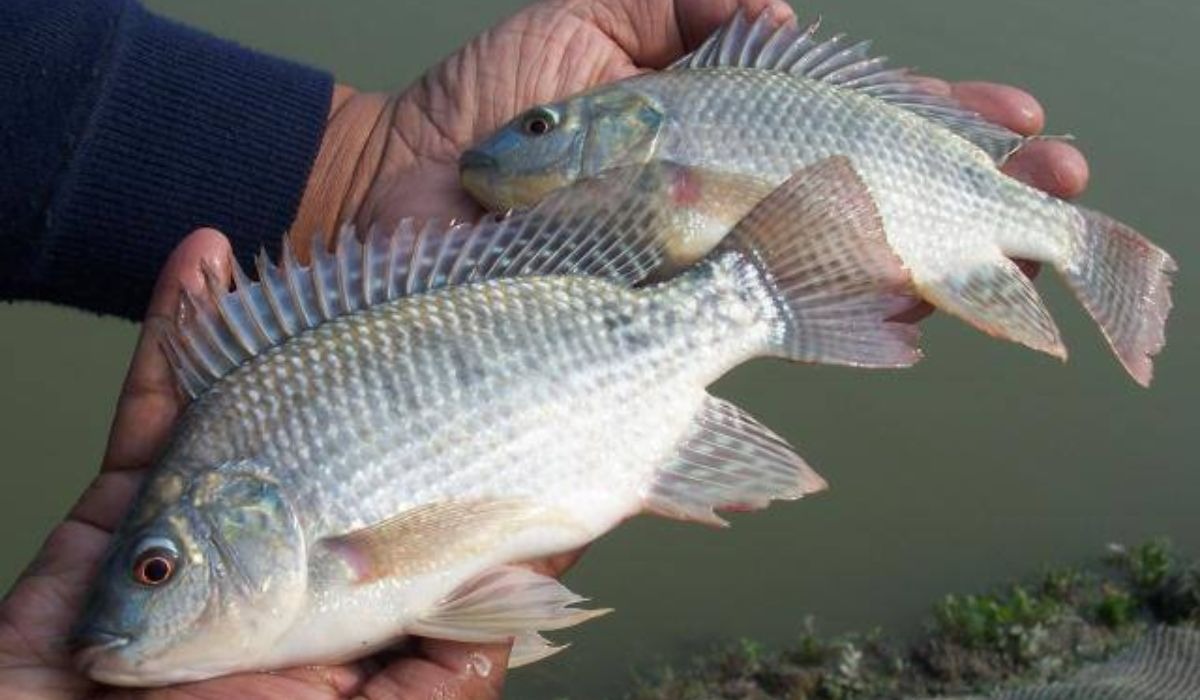
The Proposal Under Review by the National Biodiversity Commission Looks to Include Tilapia on the List of Invasive Exotic Species, Sparking Strong Reactions from Agriculture, Lawmakers, and Ministries Linked to Production.
The possibility of including tilapia on the National List of Invasive Exotic Species, currently under review by the National Biodiversity Commission (Conabio), has triggered an intense wave of reactions.
The vote on the new list of non-native species in Brazil is scheduled for December and involves not only tilapia — the main fish cultivated and consumed in the country — but also eucalyptus, pine, vannamei shrimp, and brachiaria used in pastures, according to the Parliamentary Front for Agriculture (FPA).
In a statement released last week, the Ministry of the Environment and Climate Change (MMA) stated that including tilapia will not imply prohibitions on cultivation within the national territory.
-
The water that almost everyone throws away after cooking potatoes carries nutrients released during the preparation and can be reused to help in the development of plants when used correctly at the base of gardens and pots, at no additional cost and without changing the routine.

-
The sea water temperature rose from 28 to 34 degrees in Santa Catarina and killed up to 90% of the oysters: producers who planted over 1 million seeds lost practically everything and say that if it happens again, production is doomed to end.

-
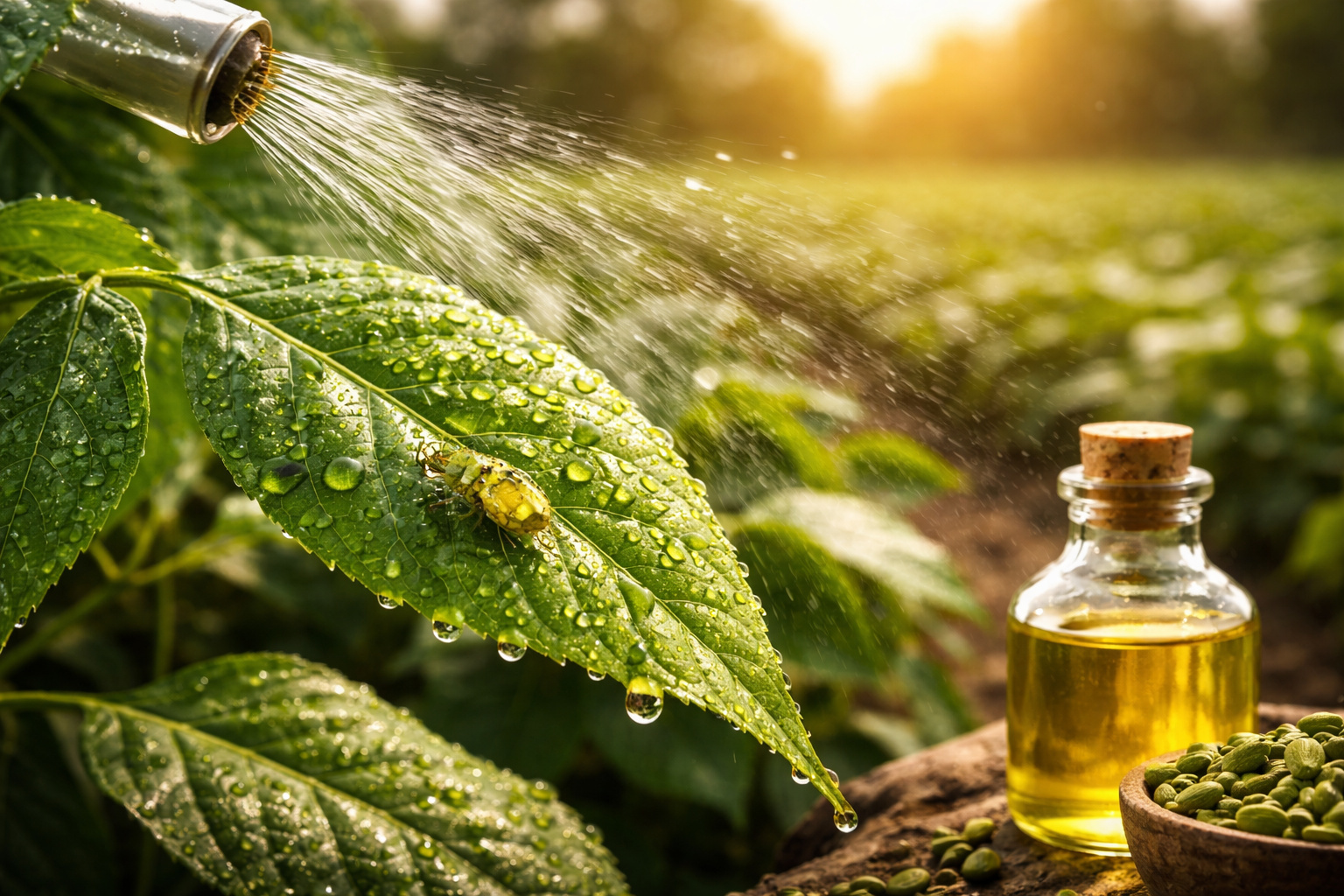
An Indian tree that grows in the Brazilian Northeast produces an oil capable of acting against more than 200 species of pests and interrupting the insect cycle, gaining ground as a natural alternative in soybean, cotton, and vegetable crops.
-
The rise in oil prices in the Middle East is already affecting Brazilian sugar: mills in the Central-South are seeing their margins shrink just as ethanol gains strength.


The agency emphasized that the Brazilian Institute of Environmental and Renewable Natural Resources (Ibama), responsible for authorizing the creation of exotic species, allows the cultivation of the fish and that there is no proposal to stop this activity.
“It is important to emphasize that including a species on the list has a technical and preventive character, not implying a ban, prohibition of use, or cultivation,” stated the ministry.
According to the ministry, the proposal is being widely discussed, with a focus on prevention measures, early detection, and rapid response to new biological invasions.
The Productive Sector Reacts and Criticizes the Proposal
Despite the official explanations, the productive sector reacted with concern. Federal Deputy Pedro Lupion (PP-PR), president of the FPA, considered the process a threat to the productive chain.
He cited article 7 of Ibama’s ordinance No. 145-N/1998, which prohibits the reintroduction of aquatic species intended for fattening and slaughter, interpreting that classifying tilapia as invasive could open the door for future restrictions.
“That is the final objective: to place tilapia on a list of invasive and exotic species to then apply the normative instruction and the Ibama ordinance effectively to prohibit this production. It is absurd. It is embarrassing,” stated the congressman.
The Brazilian Association of Fish Industries (Abipesca) also expressed its opinion. In a statement, the entity classified the measure as “technically imprecise, economically disastrous, and legally hazardous,” claiming that it ignores the reality of legally licensed productive chains.
“Even if ‘technical and preventive’ character is claimed for the proposed listing, its adoption opens the door for regulatory insecurity, cascading effects on related norms, and an immediate retraction of credit and investments,” Abipesca added. The entity warned that the decision could affect thousands of jobs and raise food prices across the country.
The Ministry of Fisheries Seeks Clarifications
The topic has generated divergences even within the government itself. The Ministry of Fisheries and Aquaculture (MPA) requested additional information from the MMA regarding the possible impacts of the measure on the environmental licensing of productive activities.
According to a statement released by the MPA on October 25, the species under review represent about 90% of national aquaculture production, totaling an estimated value of R$ 9.6 billion. The ministry fears that including the species on the list will hinder environmental licensing, since current federal legislation does not authorize the regularization of species classified as invasive exotics — only those already detected in specific hydrographic regions.
In light of the uncertainties, the MPA called an extraordinary meeting of the National Council of Aquaculture and Fisheries (Conape), which brings together representatives from civil society, producers, and researchers, to deepen the debate and assess the possible effects of the decision.
Structure of Conabio and Advisory Role
The National Biodiversity Commission (Conabio), responsible for analyzing the list, is made up of the MMA and 11 other ministries, as well as autarchies and representatives from various sectors — including agriculture, livestock, industry, environmental agencies, universities, research institutes, family farming, artisanal fishers, indigenous peoples, traditional communities, environmental organizations, and youth networks for biodiversity.
Created by Decree No. 4,703/2003 and updated by Decree No. 12,017/2024, Conabio acts as an advisory body to the MMA, with the mission of monitoring and guiding the implementation of national biodiversity policies and their instruments.
The outcome of the vote scheduled for December will determine the regulatory future of tilapia and other species of significant economic and environmental impact. While the government attempts to balance technical criteria and ecological concerns, the productive sector and parts of Congress mobilize to prevent the decision from bringing legal insecurity or barriers to the continuation of aquaculture activities in the country.









Seja o primeiro a reagir!