





 Portuguese
  English
  Spanish
  3 min of reading
  0 comments


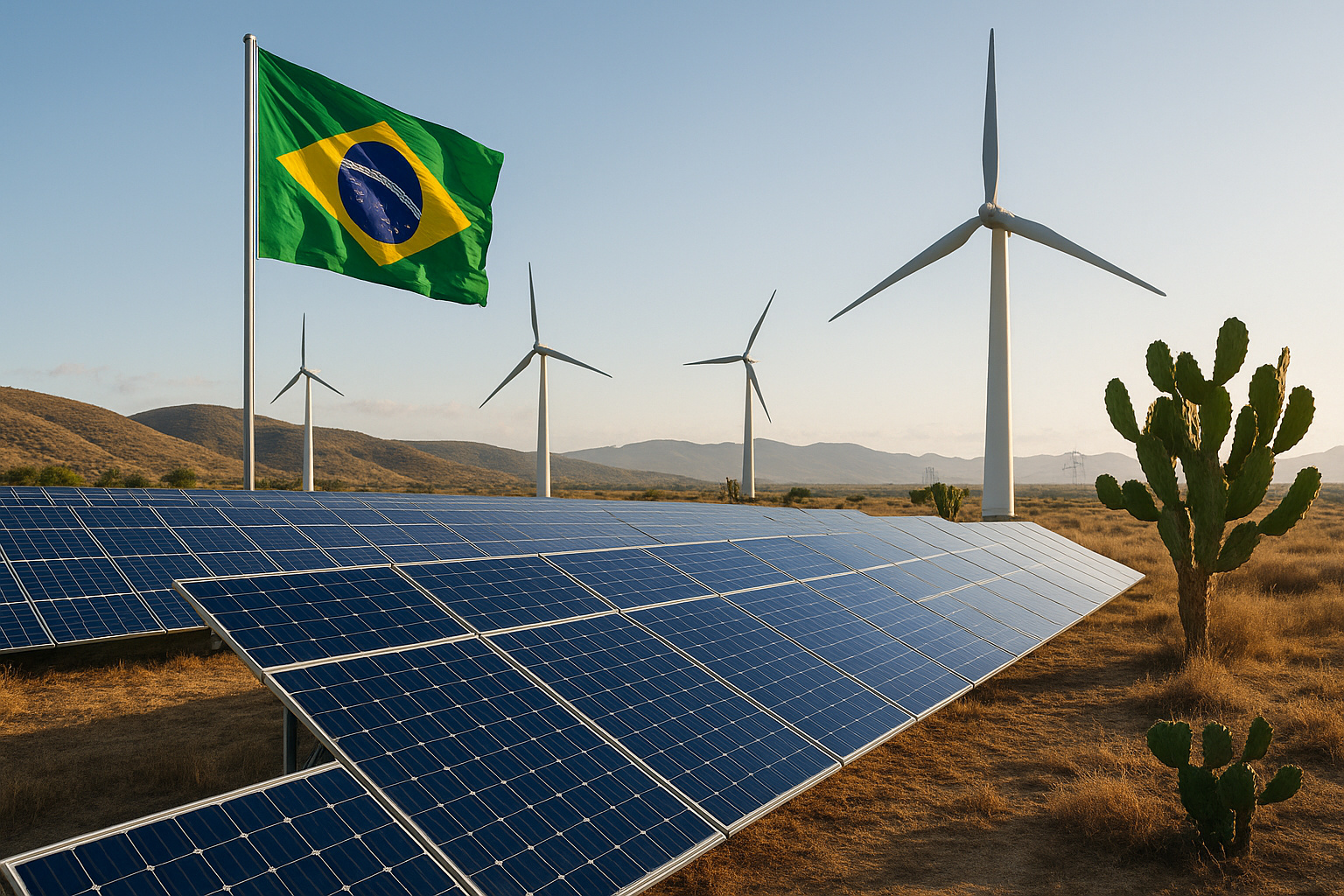
Measure Creates Accelerated Access to Transmission Lines and Reorganizes the Queue of the Electric System
A strategic decision by the federal government redefines how large energy consumers will be connected to the electric system in the Northeast. President Lula is expected to sign a decree this week that establishes a new priority mechanism for data centers and green hydrogen, creating an expedited process for access to transmission lines. This mechanism also reorganizes the queue currently managed by the National Electric System Operator (ONS).
This move comes in a context of growth in wind and solar generation in the region, which causes episodes of reverse blackouts due to an oversupply of renewable energy. Thus, the government seeks to bring large ventures closer to generation areas, which reduces stress on the national system.
Technical Investigation Reveals Need for Reorganization of Transmission Flow
The decree proposes a faster process for connection, allowing strategic ventures to advance in the access queue. However, this change does not occur in isolation. It directly responds to the impacts of the continuous injection of solar and wind energy, which extends until early evening, when solar production ceases.
-
The Brazilian state accelerates industrial competitiveness with a focus on the extraction of strategic minerals to boost the energy transition in Goiás.

-
A Canadian retiree creates a hydroelectric system on a real river, generating energy continuously throughout the day and demonstrating how the power of water can supply a house with stability even in a simple structure.

-
Petrobras reaffirms its commitment to the market and ensures that it will carry out the energy transition safely to maintain national sovereignty.

-
Researchers discover a possible hydrogen deposit of up to 46 million tons beneath an ancient coal basin, and the volume could exceed half of the entire global production.


As a result, hydroelectric plants, which have a slower response time, do not come online quickly enough. This limitation triggers instabilities and power outages. For this reason, ONS has been conducting scheduled shutdowns throughout the day to control pressure on the system.
Although the decree does not completely eliminate these episodes, the government estimates that the additional local consumption could reduce current stress by up to 4 gigawatts. This change creates a more stable and predictable operational environment.
Operational Impacts and Structural Changes in Access to Transmission
The text stipulates that projects for data centers, green hydrogen, and large-scale activities must have their requests analyzed within ten months, ensuring absolute priority during this period. After this timeframe, new access to transmission networks will be defined by periodic auctions, held at least twice a year.
In this process, each participant must pay a participation fee and submit prior technical documentation. This criterion seeks to ensure greater transparency and technical control. Thus, the ventures that offer the most value for the right to connect will be selected, respecting the capacity for expansion of the existing infrastructure.
The revenue generated from these auctions will be used to offset energy tariffs, strengthening the financial balance of the sector.
Regional Reorganization and Stability Challenges
The Northeast, which already accounts for a significant portion of the country’s wind and solar generation, will now receive direct incentives to host large consumers close to production hubs. This proximity reduces losses and accelerates operational efficiency.
However, reverse blackouts remain a challenge, as they reflect the dynamics between slow-response sources and intermittent generation sources. Therefore, the government and ONS are coordinating complementary measures to mitigate risks. These actions are especially important as the system goes through structural adjustments.
New Scenario Imposes Responsibilities and Strategic Decisions
The priority process, periodic auctions, and the use of revenue to reduce tariffs create an innovative environment for electrical expansion in the country. However, each change requires a balance between operational security, regulatory predictability, and economic efficiency. This point becomes even more relevant in a region with rapid renewable expansion.
Thus, the central question remains: will the accelerated advancement of these new ventures be sufficient to reduce pressure on the system and ensure stability in the Northeast?
What do you believe should be the priority: the accelerated increase of local consumption to relieve the system, or a more cautious and gradual transition to avoid new episodes of instability?










Seja o primeiro a reagir!