





 Portuguese
  English
  Spanish
  2 min of reading


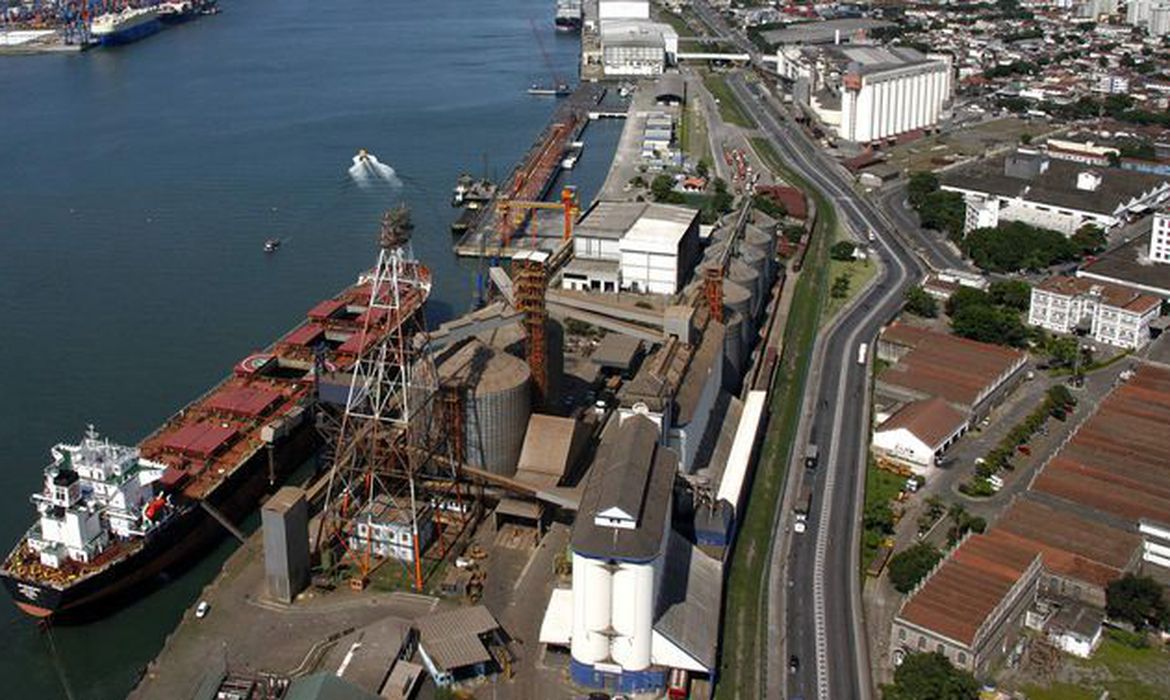
During FGV Event, Experts Discussed Why the Privatizations of Brazilian Ports and the Transition of the Naval Industry Are Positive for the Economy
On July 21 of this year, FGV held a live event on its YouTube channel, focusing on the privatizations of ports and the transition of the naval industry, featuring the participation of Fábio Abrahão (Director of Infrastructure, Concessions and PPPs at BNDES), Patrícia Lascosque (Superintendent of Ports at Suzano and President of the Association of Private Port Terminals – ATP), and Ricardo Arten (CEO of Brazil Terminal Portuário – BTP and Regular Advisor of the Brazilian Association of Container Terminals – ABRATEC).
Also Read
Privatizations of Ports and the Transition of the Naval Industry
As previously stated by the Ministry of Infrastructure, the next frontier for the port sector is seeking a more effective model through Privatizations, with flexibility and increasing the capacity for investments through private resources for the logistics of Brazilian ports and preparing the ground for the transition of the naval industry.
Thus, Privatizations would be a definitive turning point in this process, which includes the initiation of studies for the privatizations of ports, one example being the port of Santos, which is responsible for 28% of Brazil’s trade flow.
-
With 74% of companies facing difficulties in hiring, technicians and engineers in renewable energy are becoming scarce in Brazil and are essential to support the expansion of solar, wind, and green hydrogen projects.

-
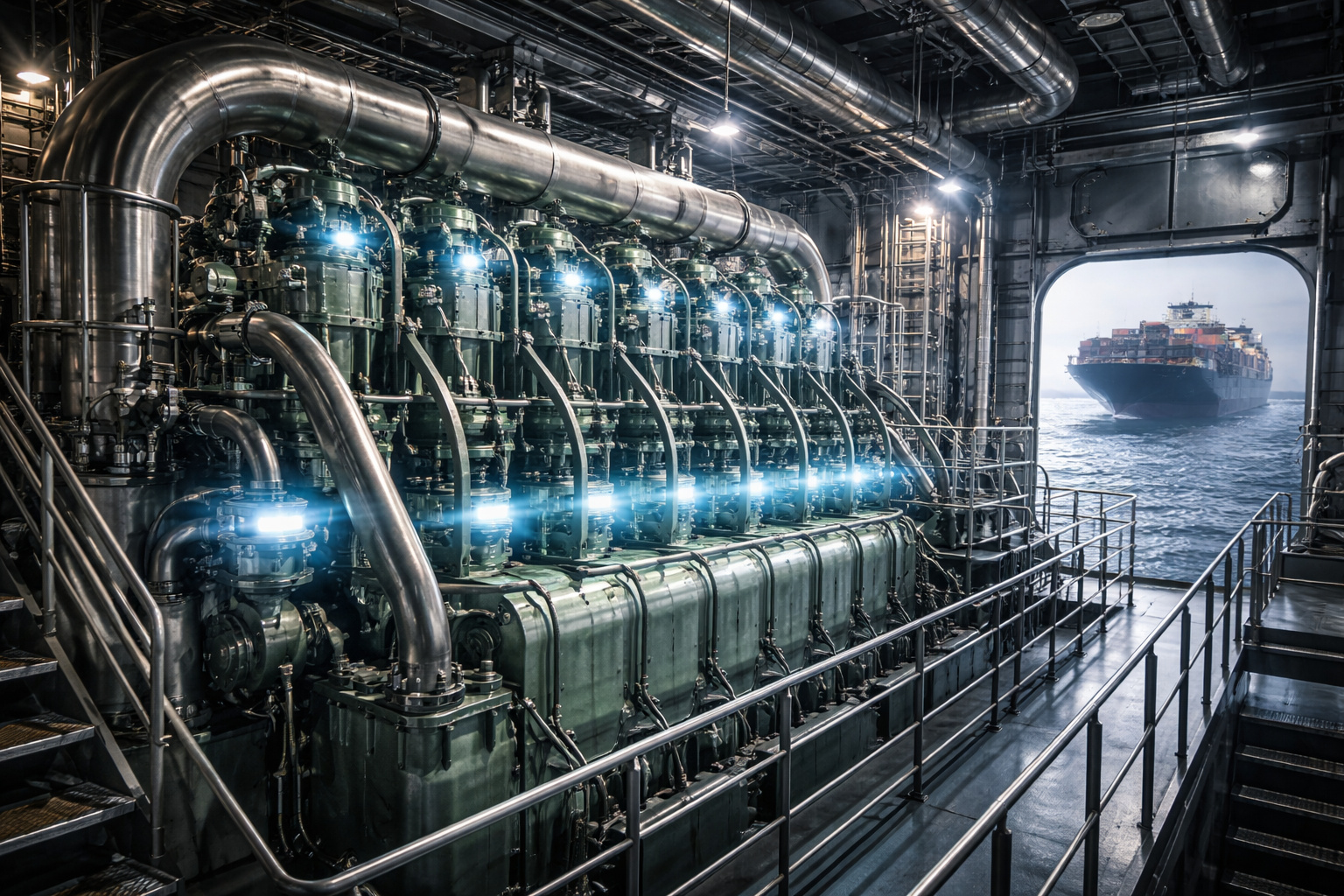
Europe is trying to create an ammonia-powered marine engine without auxiliary fuel, which could unlock the race for giant emission-free ships. The technology aims to eliminate one of the biggest obstacles to clean maritime propulsion.
-
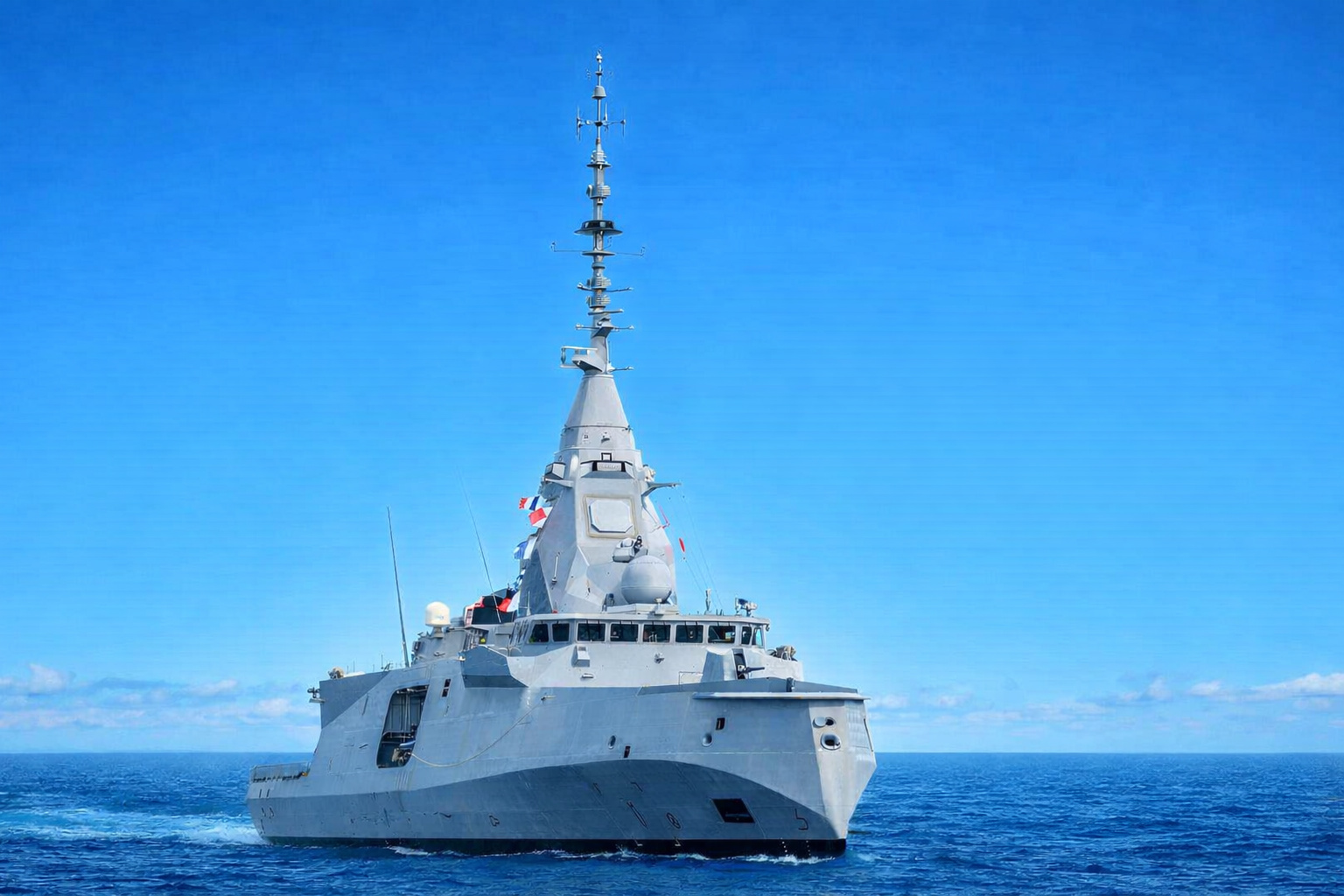
A 4,500-ton frigate with just over 100 crew members, state-of-the-art radar, and cruise missiles is being touted as the new standard of naval warfare in the 21st century.
-
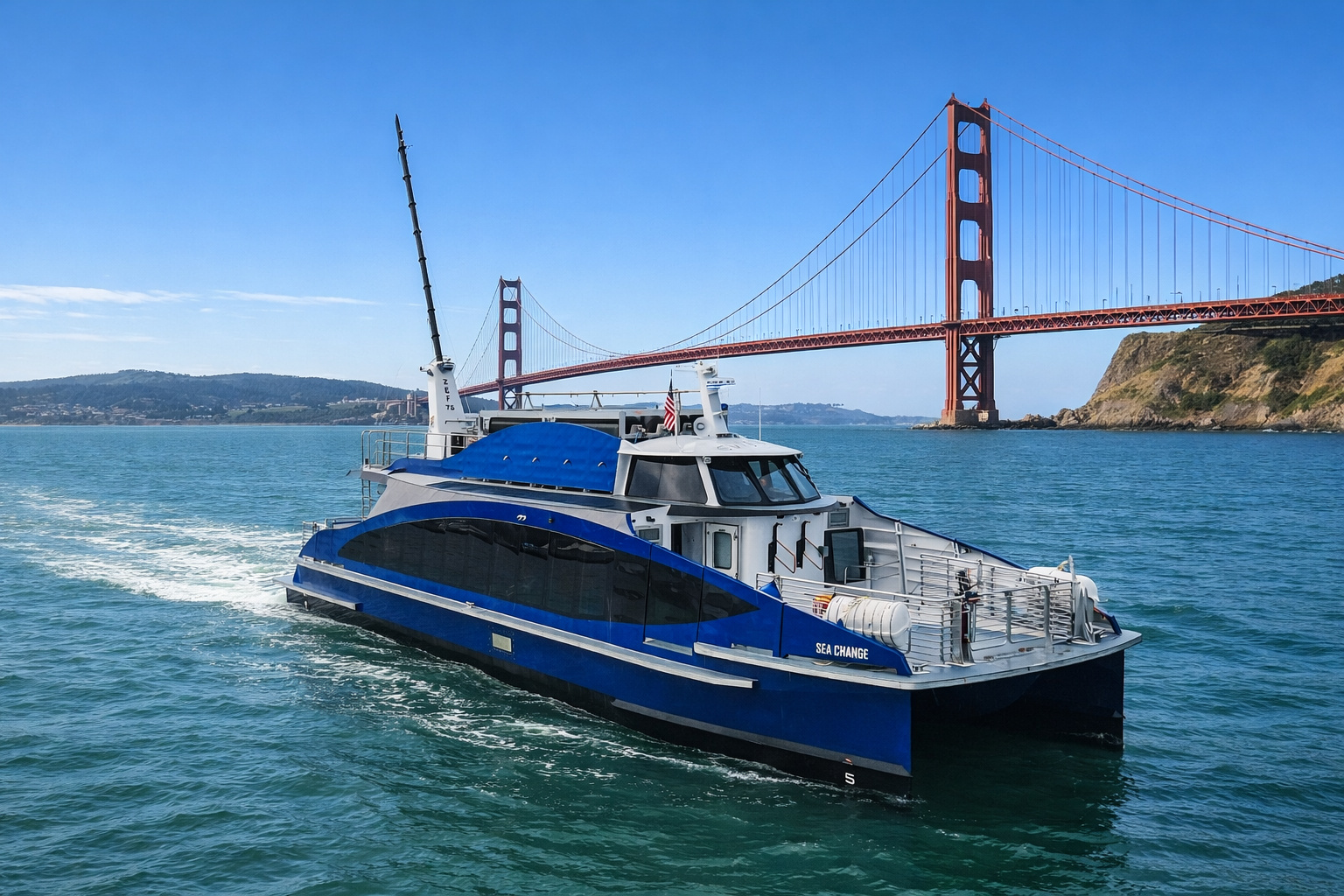
The first commercial hydrogen-powered ferry enters operation in the U.S., eliminates the use of diesel, uses fuel cells to generate clean energy on board, and transforms San Francisco Bay into a landmark of the new era of emission-free navigation.

Development and Modernization of the Naval Industry and Brazilian Ports
The development and modernization of Brazilian ports and the naval industry are of utmost importance for the country’s economic growth, considering that the demand for maritime trade is expected to triple between 2015 and 2050, according to projections from the Organization for Economic Cooperation and Development (OECD), and ships will account for more than 75% of global cargo transportation.
Currently, the waterway mode is responsible for more than 13% of the cargo transportation matrix in Brazil, according to the National Land Transportation Confederation (CNT) – with about 9% of cabotage and 5% of river transport.
A simulation for the year 2025, from the National Logistics Plan (PNL) of the federal government, indicates that there will be a recovery in the balance of cargo transportation matrix, particularly with strong investments in railways; however, waterway transport, cabotage, and river transport will remain at their current level, potentially boosted by privatizations.








Seja o primeiro a reagir!