





 English
  Francês
  Alemão
  Italiano
  Japonês
  Norueguês
  Portuguese
  Spanish
  2 min of reading



Recent Data Released by the National Agency of Petroleum, Natural Gas, and Biofuels Shows Significant Drop in Processing at Brazilian Refineries
The impacts on the oil and gas sector due to the coronavirus keep coming, and the downstream has been proof of that. According to recent data provided by ANP (National Agency of Petroleum, Natural Gas, and Biofuels), oil processing at Brazilian refineries fell 26% in April compared to the previous month.
See Other News:
- GE Renewable is Hiring for Positions in Equipment, Logistics, Health, Safety, and More
- Multinational Modec Opens Internship Position in Chemical Engineering
- Professionals in Maintenance and Purchasing Are Requested by an Agribusiness Company for Job Openings on This Day 24
In total, 40.1 million barrels were processed during the month of April, compared to 54.3 million recorded in March.
The largest drop was observed in aviation kerosene production. In the period in question, the production of the derivative plummeted by 82%, totaling only 537 thousand barrels compared to 2.9 million recorded in the previous month. According to ANAC (National Civil Aviation Agency), demand for domestic flights in April fell by 93.1% and for international trips by 96.1%.
-
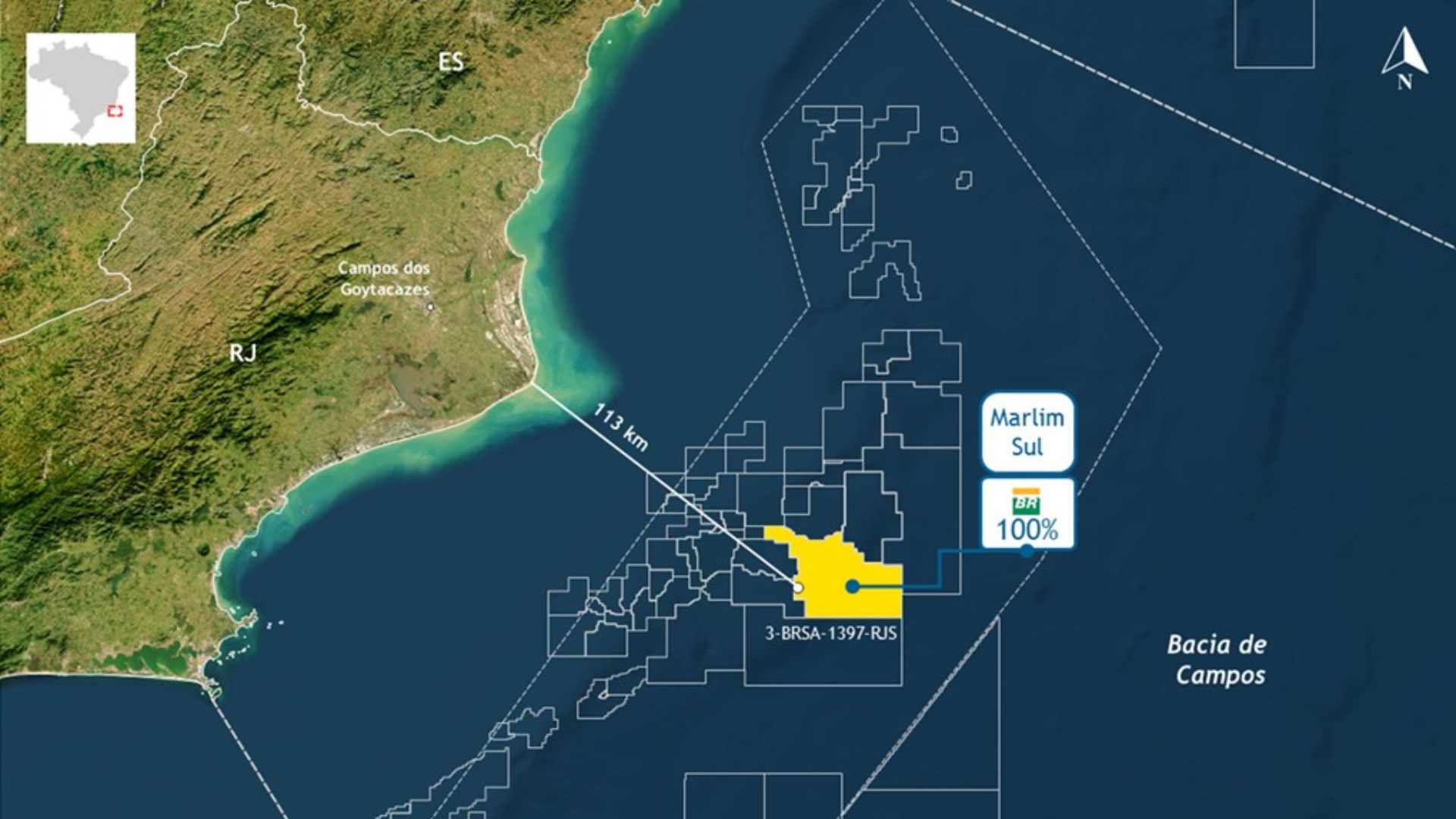
Petrobras announces new oil discovery in the pre-salt of the Campos Basin and reinforces Brazil’s prominence with high-quality reserves that can increase production and energy revenues.
-
Alert in the fuel market: Analysts and a former director of ANP warn that oil prices may worsen in the coming months due to global instability.

-
Ocyan brings executives and digital solutions to Macaé Energy 2026 and highlights offshore expansion with Nexio and a new base in Macaé.

-
Petrobras advances 4.6% with rising oil prices and the dollar, reigniting the debate on macro risks, pricing policy, and fiscal impact in Brazil.

As for gasoline production, type A for example, there was a drop of 32% (from 10.8 million to 7.4 million in April).
Studies conducted by Rystad show that demand for fuels for land vehicles will see a decline of 10.8% in 2020, totaling 5.1 million barrels per day. However, the demand for aviation kerosene will suffer a decrease of nearly 34%.
“We expect global commercial air traffic to fall by at least 34.4% this year compared to the levels seen in 2019, which we estimate to be around 99,700 flights per day,” wrote the consultancy.









Seja o primeiro a reagir!