





 Portuguese
  English
  Spanish
 4 min of reading
  0 comments


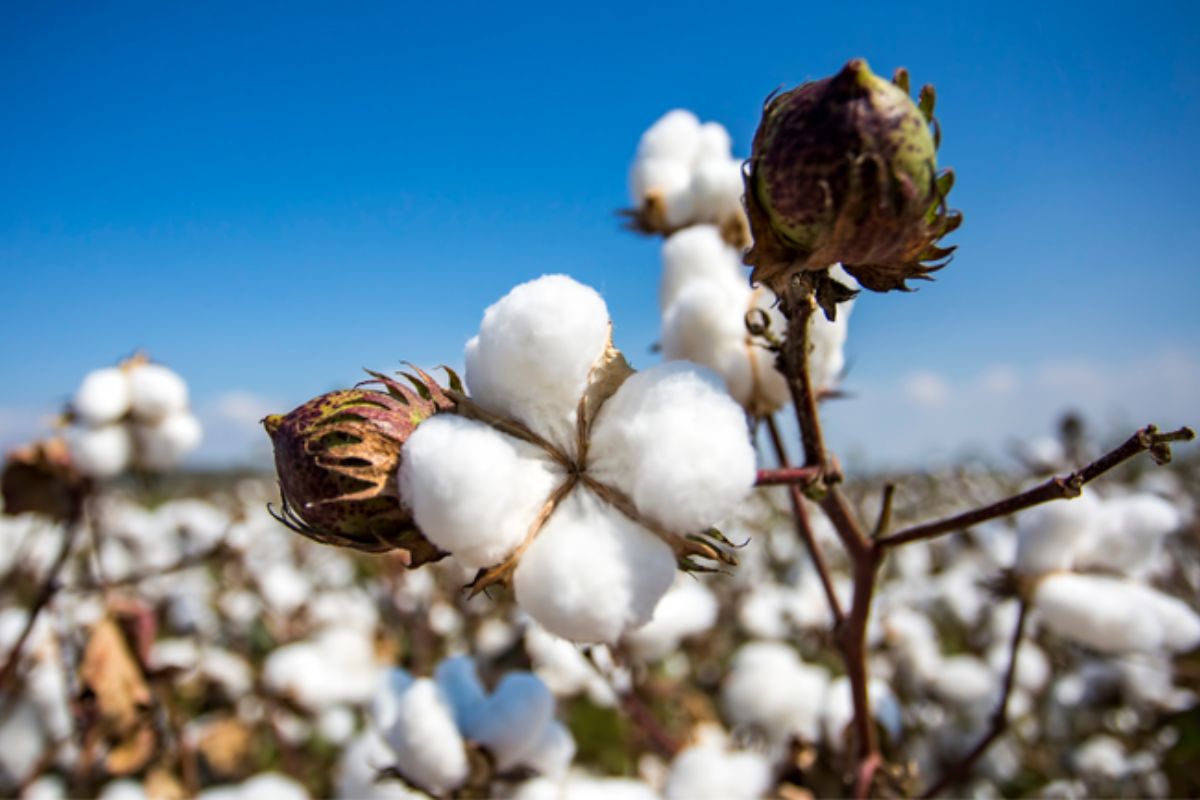
Brazilian Cotton Production Stands Out for High Productivity, Record Exports, and Sustainability, Consolidating Cotton Production in Brazil Among the Main Forces of the National Agribusiness
The cotton production in Brazil is one of the major protagonists of the national agribusiness and is consolidated among the five main crops in the country, according to an article published.
The sector generates billions of reais, creates jobs, and strengthens Brazil’s image as a global agricultural powerhouse.
According to data from the Ministry of Agriculture and Livestock (Mapa), the Gross Value of Production (VBP) of cotton reached R$ 36.6 billion by August 2025, resulting from technological advancement, sustainability, and productive efficiency that characterize Brazilian agriculture.
-
While Russia dominates the global wheat market, Brazil emerges as an unexpected competitor in the Cerrado, offering grain available in July and August when stocks in the Northern Hemisphere are at their lowest point of the year.

-
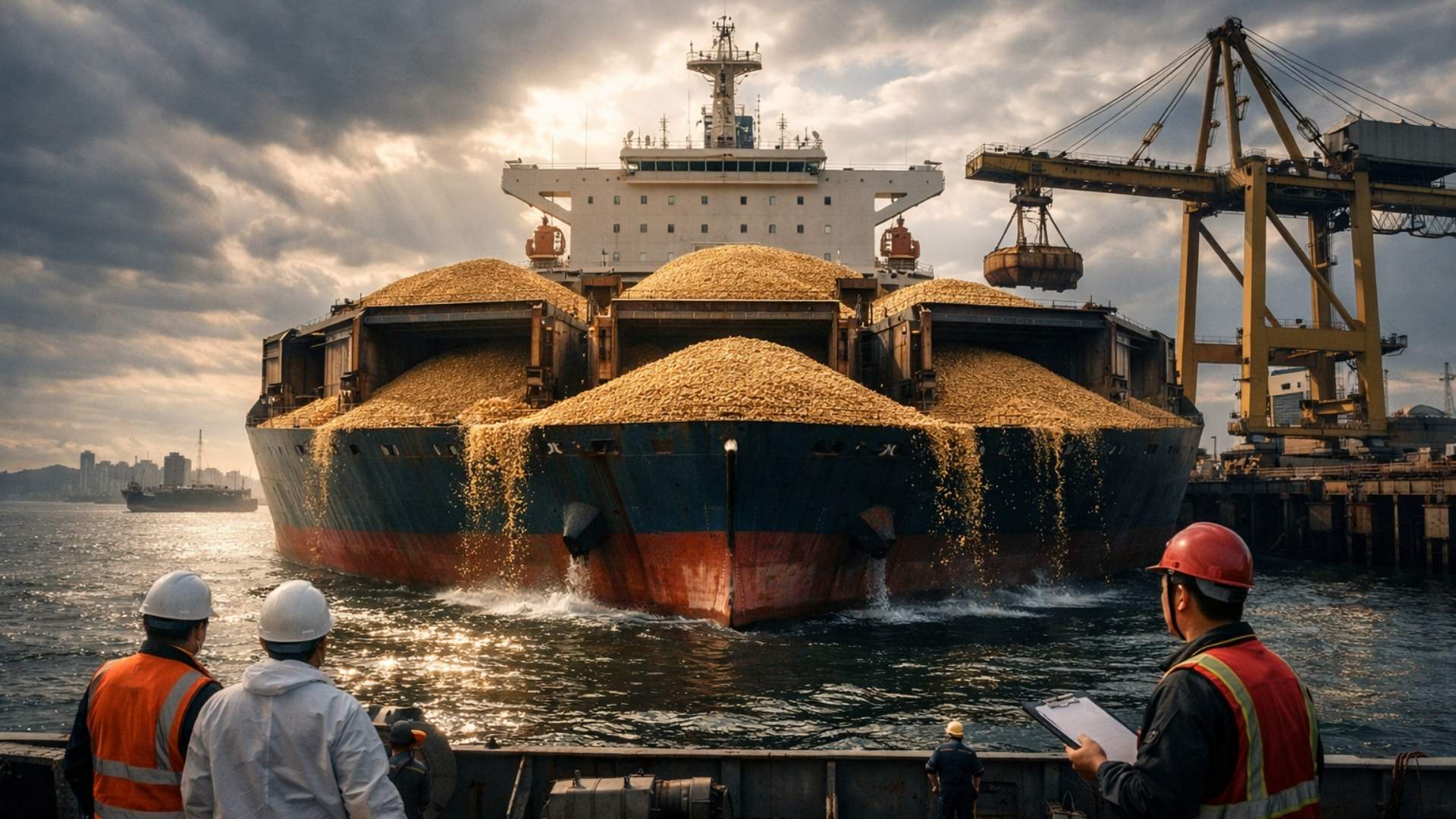
China returned almost 20 Brazilian ships with soybeans, but now everything could change: the country that buys 80% of the grain is considering relaxing regulations after impurities held up shipments of thousands of tons and caused million-dollar losses.
-
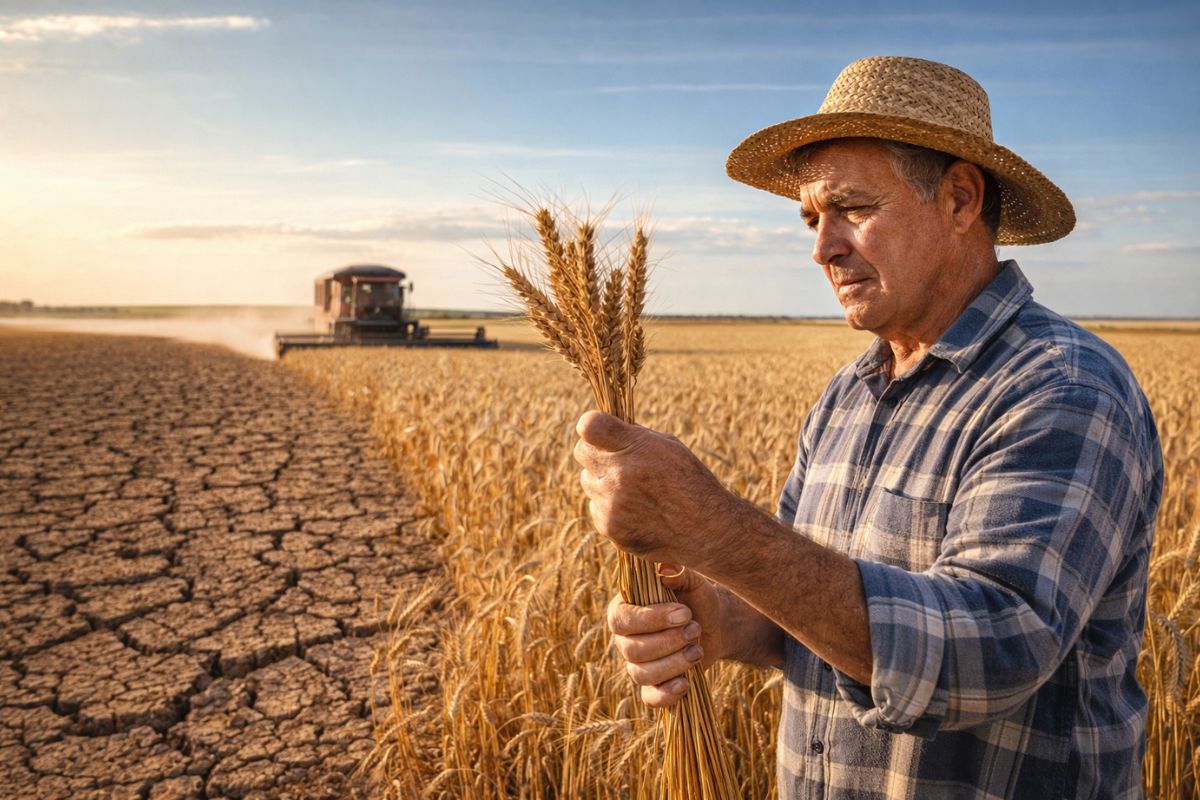
The drought of the cerrado was considered an enemy of wheat, but Brazilian scientists turned the lack of rain into a competitive advantage by creating a grain with quality that is already attracting the attention of international mills around the world.
-
THE OWNER of Brazil: a farmer who came from laundries, created an ’empire’ and today runs a company valued at R$ 42 billion after tripling its value in less than a year and receiving a billion-dollar investment from the USA.


On the last day of October 7, the date celebrated as World Cotton Day, Brazil reaffirms its prominent position in the global scenario.
Cultivation, which occupies more than 2 million hectares, represents not only a significant source of income but also an example of innovation applied to agriculture.
From the field to the textile and energy industries, cotton plays an essential role in the economy and in generating value throughout the production chain.
Agricultural Expansion and Productivity in Brazilian Cotton Production
Cotton production in Brazil has shown consistent growth, driven by the use of modern technologies and the expansion of planting areas.
According to the report “Prospects for Agriculture 2025/2026” from the National Supply Company (Conab), the area planted with cotton surpassed 2 million hectares, more than double that of previous cycles.
The states of Mato Grosso, Bahia, Piauí, Minas Gerais, and Tocantins stand out for their productive capacity and technical advancement, ensuring an average yield of 1.89 tons of lint per hectare.
Even with a slight reduction of 2.7% in productivity, total production is expected to grow by 0.7%, reaching a historical record of 4.09 million tons.
These results reflect the planning and modernization of agriculture, allowing Brazil to maintain its cotton production as one of the five most profitable crops in the country.
The high profitability and the possibility of early sales make cotton one of the main options for producers seeking financial stability.
Record Exports and Strengthening of the International Market
Cotton production in Brazil occupies a prominent place in foreign trade. The country is currently the largest cotton exporter in the world, accounting for 30.7% of global imports and generating US$ 5.2 billion in 2024.
By August 2025, exports had already totaled nearly R$ 3 billion, with highlights in markets such as Vietnam, Turkey, China, India, Indonesia, and Egypt, according to data from Mapa’s Agrostat system.
This performance reinforces the strategic role of Brazilian cotton production in the trade balance and in generating foreign exchange.
The Minister of Agriculture and Livestock, Carlos Fávaro, highlighted that cotton symbolizes the strength of the national agribusiness, combining technology, sustainability, and innovation.
Each cultivated hectare represents, according to him, employment, income, and international credibility, consolidating Brazil as a global reference in the production and export of the product.
Sustainability and Innovation in the Cotton Chain
Cotton production in Brazil stands out not only for its quantity but also for its quality and commitment to agricultural sustainability.
The practices adopted in the fields prioritize the rational use of natural resources, proper soil management, and reduction of environmental impacts.
Embrapa Cotton plays a fundamental role in this process, developing research aimed at the integral use of the plant.
The short fibers and cotton seeds are rich in cellulose, a substance used in the production of paper, fabrics, and food additives.
The oil extracted from the seeds is used for the food industry and for the production of biodiesel, reinforcing the energy and ecological potential of the sector.
Furthermore, cotton meal and cake are widely used in animal feed, providing high-quality protein, especially for ruminants such as cattle.
This versatility extends the reach of cotton production and makes it essential for different economic segments.
Regional Growth and Socioeconomic Impact of Cotton Production
Cotton production in Brazil has driven the development of strategic regions, such as the Central-West and MATOPIBA (Maranhão, Tocantins, Piauí, and Bahia), where the crop holds a prominent position, ranking just behind soybeans.
In these areas, cotton represents a solid alternative for agricultural diversification and increased income in the countryside.
The growth of cotton production also has positive effects on the national textile industry, which uses a large part of domestic production to supply the domestic market and strengthen exports.
Technological advancements, the use of modern machinery, and investment in research result in products with high added value, enhancing Brazilian competitiveness in the global arena.
Thus, cotton is not just a crop; it is a vector of innovation, employment, and sustainability, consolidating itself as one of the main forces of the Brazilian agribusiness in 2025.








Seja o primeiro a reagir!