





 Portuguese
  English
  Spanish
  3 min of reading
  0 comments


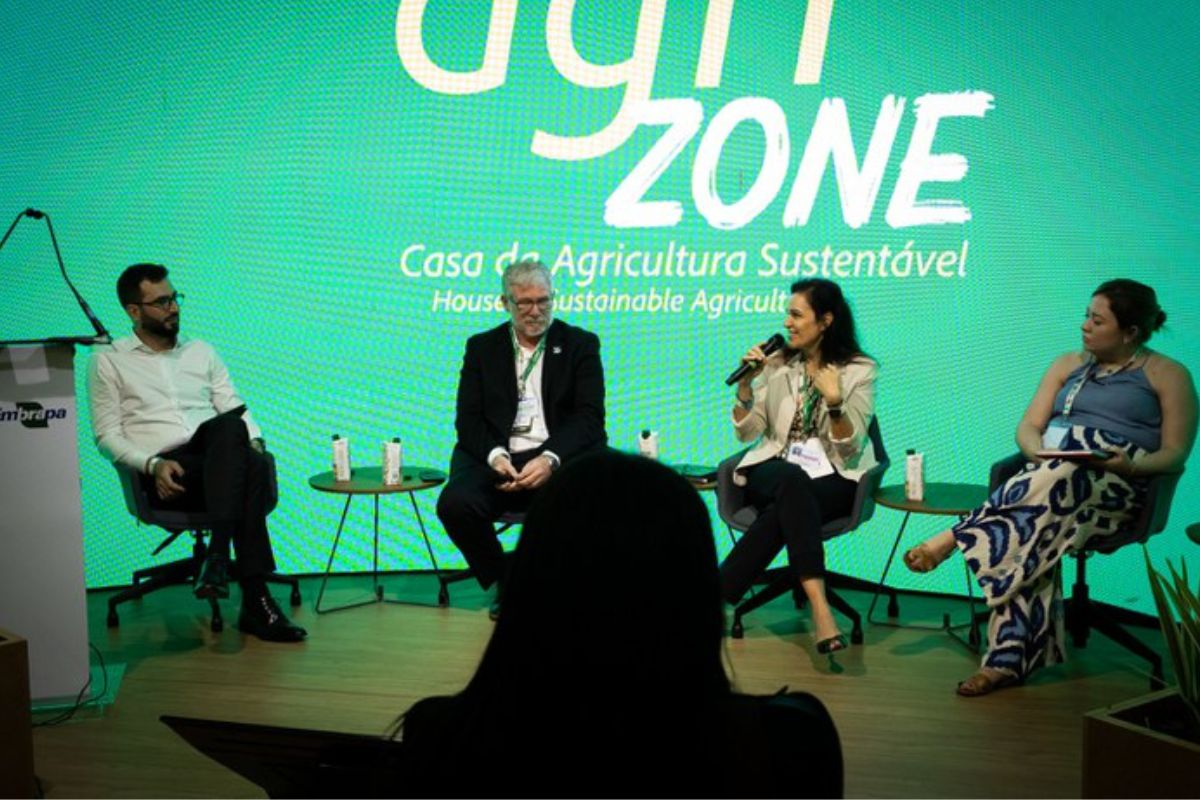
Brazil Consolidates A Sustainable Model That Unites Food Production And Clean Energy, Highlighting Biofuels, Regenerative Agriculture, And Green Innovation Presented During COP30 In Belém (PA)
Brazil presented to the world, during COP30 in Belém (PA), an innovative model that integrates food production and clean energy in a balanced and sustainable manner, according to a report published.
The panel “Cultivating The Future: Food And Energy Security Walking Together”, held in AgriZone, a space organized by Embrapa and the Ministry of Agriculture and Livestock (Mapa), showcased how the country has become a global reference in the union between food and energy security.
The General Coordinator of Sustainability and Regulation at Mapa, Andrea Moura, highlighted that the Brazilian agri-energy system not only ensures food on the table but also renewable energy for the planet.
-
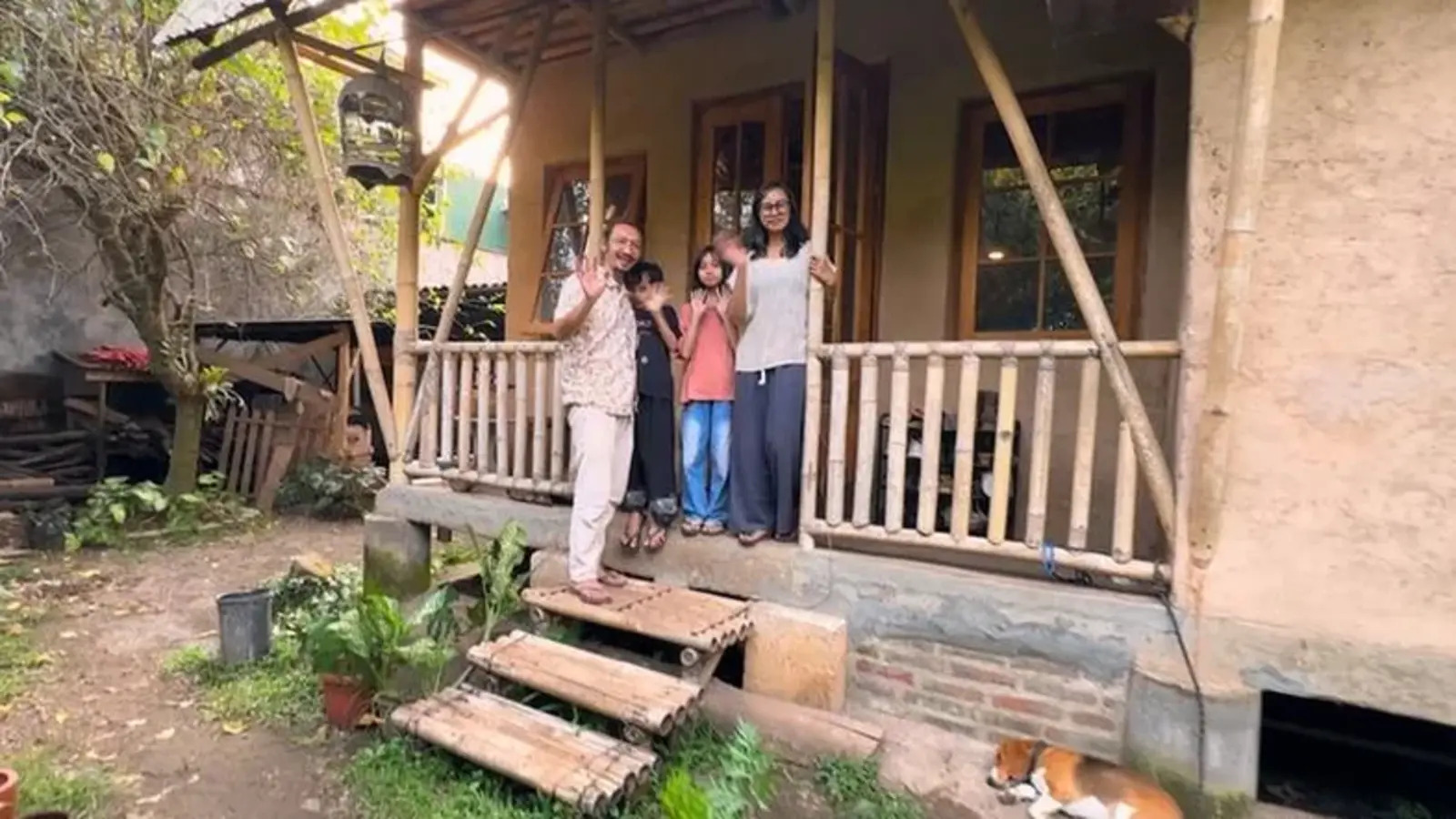
With earth, bamboo, straw, and lime mortar, a specialist builds a house for just over $460 and draws attention for its cost being much lower than traditional construction.
-
Rodrigo de Freitas Lagoon advances in environmental recovery with sanitation, elimination of irregular sewage, and the resumption of water sports in Rio de Janeiro.

-
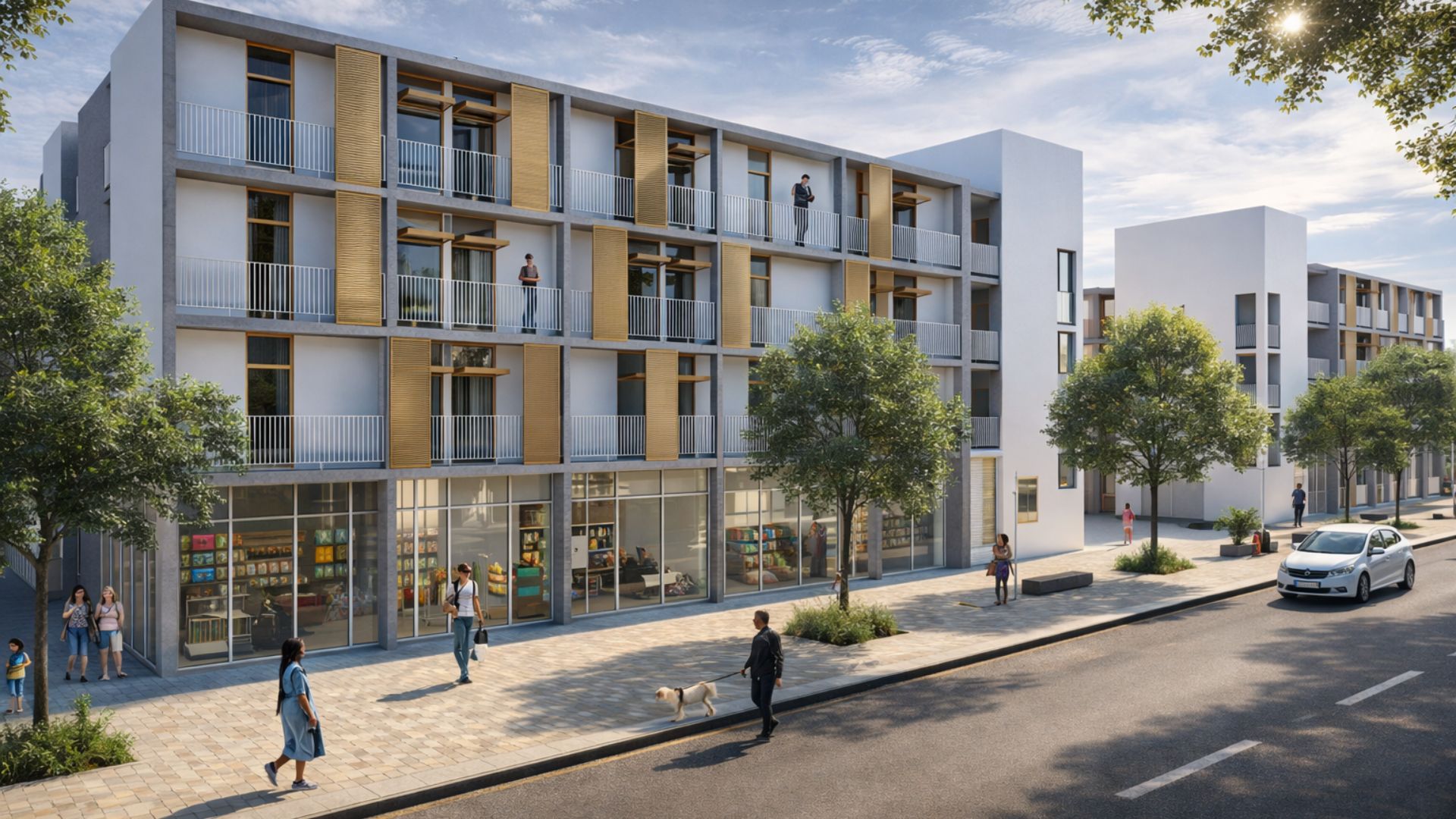
Sustainable housing gains strength with a nationally awarded project in Campo Grande, highlighting innovative solutions that combine sustainability, urban integration, and efficiency in the use of natural resources.
-
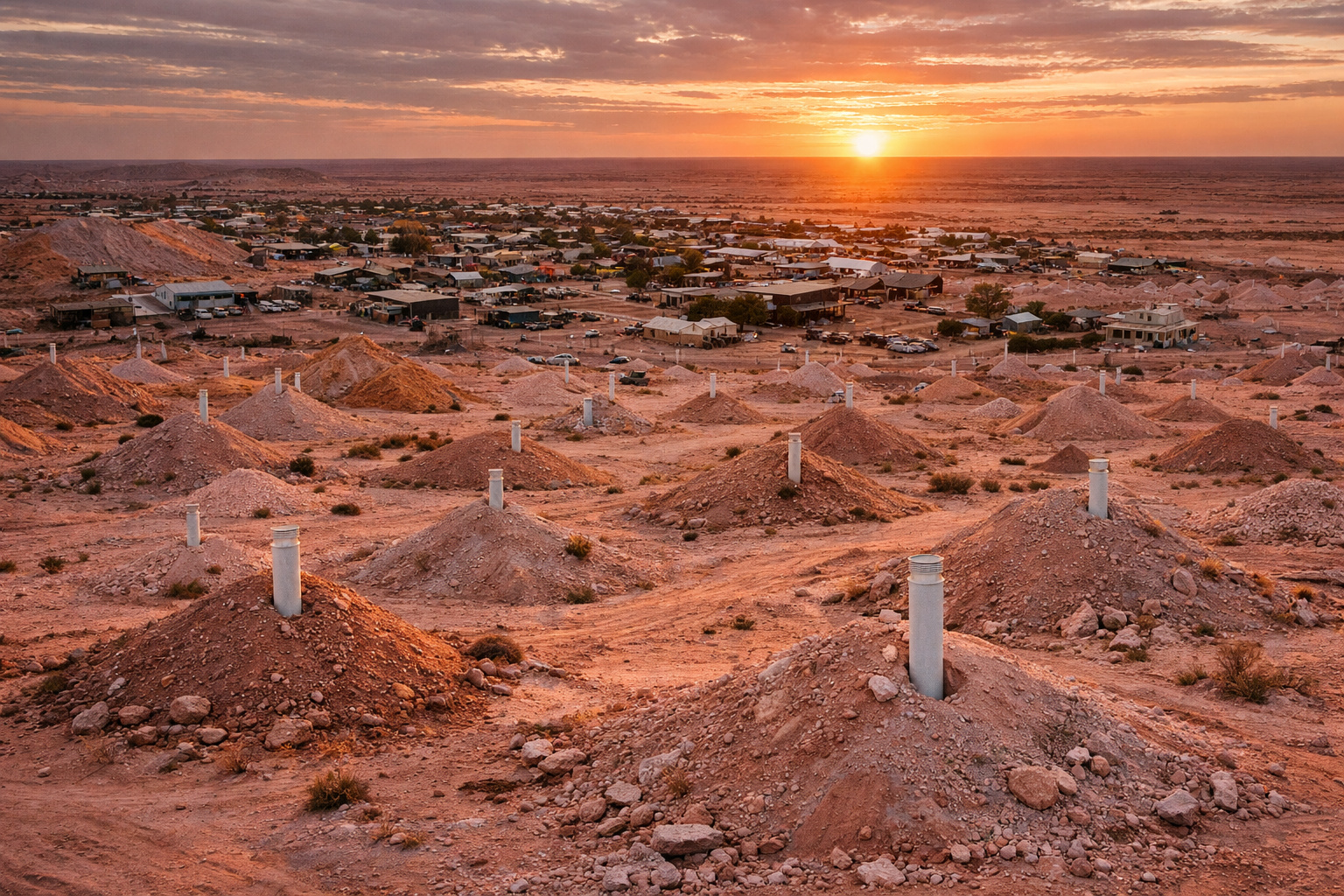
City Where Residents Live Underground to Escape 52°C May Be a Picture of the Future on an Increasingly Hot Planet

With integrated agricultural practices, such as soybean cultivation followed by corn, the country demonstrates that it is possible to produce grains and biofuels without competition between production chains.
Regenerative Agriculture And Biofuels Ensure Food Security In Brazil
During the debate, Andrea Moura emphasized that the success of food production and clean energy in Brazil is linked to the efficiency of land use and the integration of agricultural chains.
She explained that the crops intended for food and biofuel production coexist harmoniously, strengthening regenerative agriculture, a practice that preserves soil fertility and maintains high productivity.
This approach ensures food security, allowing the country to continue exporting grains without reducing its internal supply.
According to the Mapa representative, the second-crop corn cultivation after soybeans is an example of intelligent management that increases soil utilization and reduces environmental impacts.
This practice, increasingly common in the Central-West and South regions, represents one of the pillars of Brazilian regenerative agriculture, which combines productivity and sustainability.
Technological Innovation Drives Green Economy And Renewable Energy
Another highlight was the role of technological innovation in the expansion of food and clean energy production.
Andrea Moura stated that Brazilian biofuels, produced from renewable sources such as corn, sugarcane, and oilseeds, have a strategic role in the transition to a green economy.
The gradual substitution of fossil fuels with ethanol, biodiesel, and bio-kerosene represents a concrete advance toward a cleaner energy matrix.
Brazil, according to data presented at the event, has the capacity to increase its biofuel production by up to 30% in the coming years, serving sectors such as civil aviation and maritime transport.
This expansion reinforces national leadership in providing sustainable energy and creates job and income opportunities in rural areas, consolidating the country as a key player in the global green economy.
Sustainability And International Cooperation Strengthen The Agro-Energy Model
The AgriZone space, organized by Embrapa and Mapa during COP30, showed that the Brazilian model of food production and clean energy is a direct result of public policies aimed at sustainability and cooperation between governments, producers, and research institutions.
The event brought together experts and representatives from various countries to discuss solutions that reconcile productivity with environmental preservation.
Coordinator Andrea Moura emphasized that Brazil is an essential part of the solution to global challenges regarding food and energy security.
She noted that the country exports sustainable agricultural technology and shares experiences in soil management, biofuels, and rural innovation.
Integrated action between the public and private sectors strengthens the commitment to low-carbon agriculture, which reduces emissions and increases the use of renewable energies.
Food production and clean energy were therefore presented as a model of balance and efficiency, capable of responsibly ensuring food and energy for the world.







Seja o primeiro a reagir!