





 English
  Francês
  Alemão
  Italiano
  Japonês
  Norueguês
  Portuguese
  Spanish
 3 min of reading
  2 comments


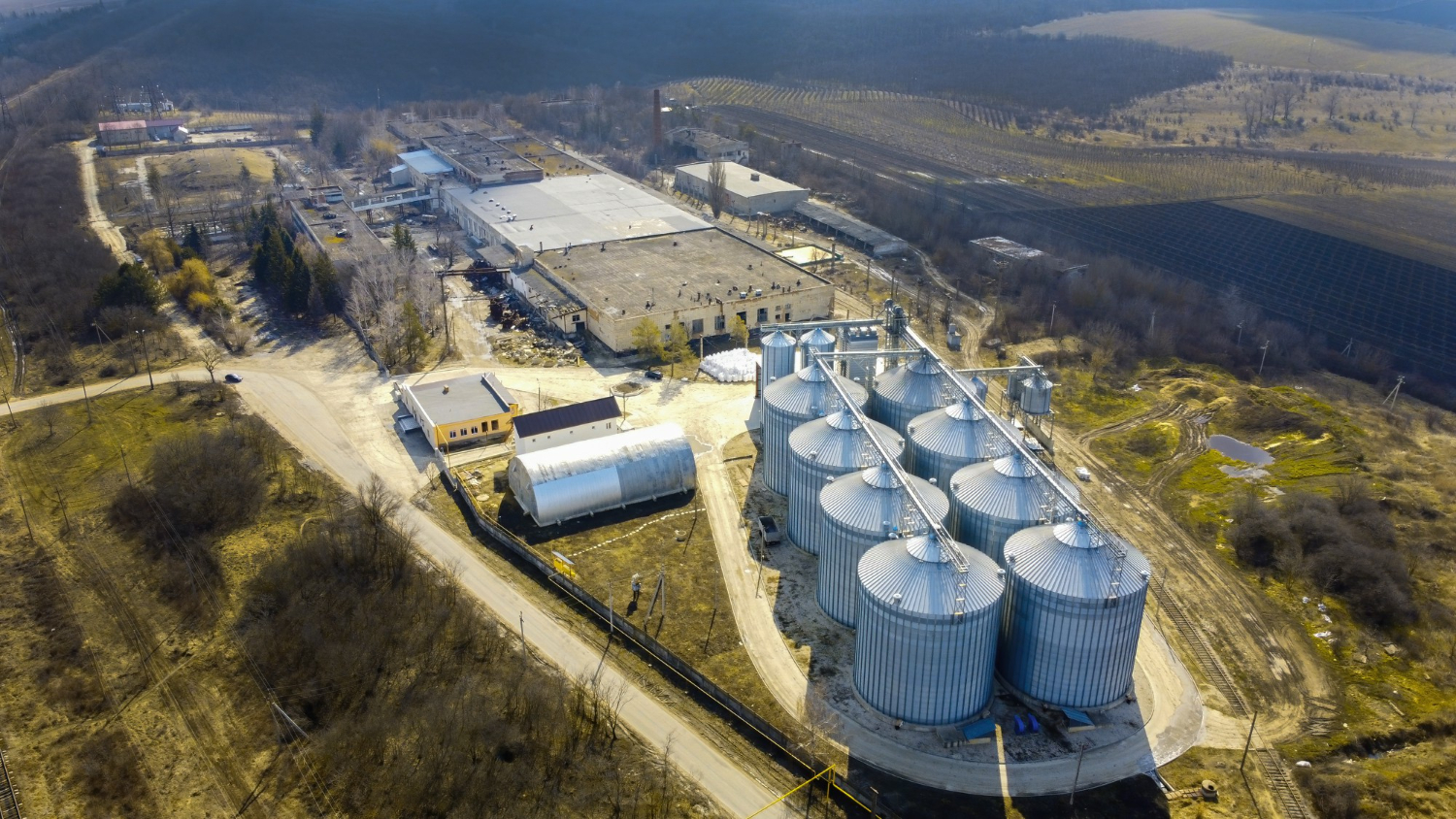

The Ministry of Mines and Energy Opened Public Consultations on Biomethane and the Use of Oils and Residual Fats to Increase Biofuel Production and Reduce Emissions in the National Energy Sector
The production of biofuels returns to the center of Brazilian energy discussions with the recent opening of two public consultations by the Ministry of Mines and Energy (MME) on October 17, according to a report published.
The initiatives aim to encourage the use of sustainable raw materials and the utilization of waste that is currently discarded, such as oils and residual fats (OGR), in addition to establishing clear targets for the reduction of greenhouse gas (GHG) emissions in the natural gas sector.
The proposals, available on the Participa + Brasil Portal and the official MME website, are part of a joint effort to accelerate the energy transition and promote a cleaner and more efficient matrix in the country.
-
With earth, bamboo, straw, and lime mortar, a specialist builds a house for just over $460 and draws attention for its cost being much lower than traditional construction.

-
Petrobras announces new oil discovery in the pre-salt of the Campos Basin and reinforces Brazil’s prominence with high-quality reserves that can increase production and energy revenues.

-
Alert in the fuel market: Analysts and a former director of ANP warn that oil prices may worsen in the coming months due to global instability.

-
Brazil accelerates decarbonization in the South: International forum in Foz do Iguaçu gathers leaders to discuss the advancement of biomethane in the energy matrix and the potential of “caipira pre-salt.”
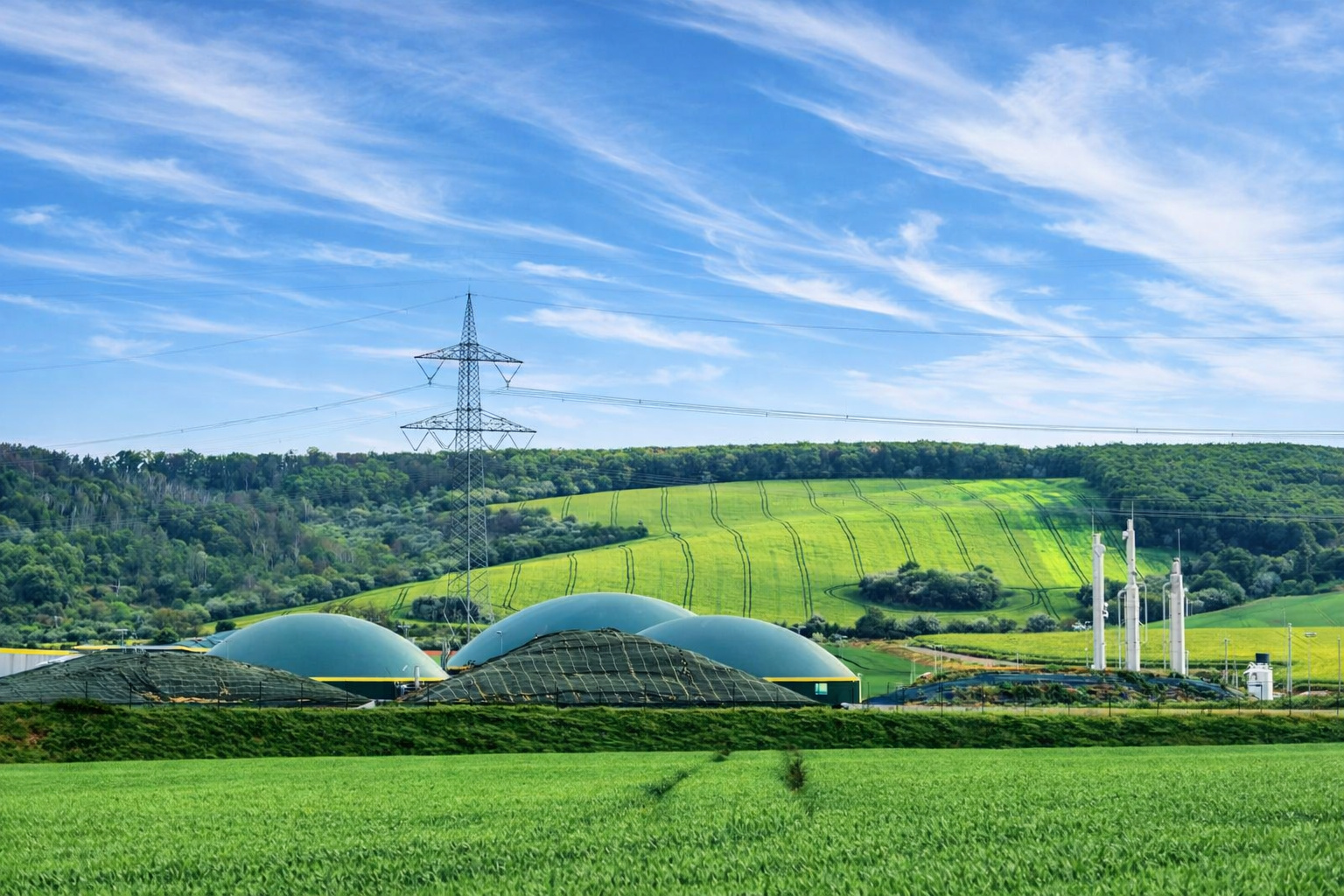

Biomethane and Sustainable Natural Gas Highlighted in the Transition Plan
The first area of debate opened by the MME focuses on defining targets for reducing emissions in the natural gas market.
This initiative is aligned with the so-called Future Fuel Law, which established Article 17 to guide decarbonization policies for the sector.
Among the measures are the National Sustainable Aviation Fuel Program (ProBioQAV), the National Green Diesel Program (PNDV), and the National Decarbonization Program for Natural Gas Producers and Importers and Incentives for Biomethane.
Contributions can be submitted until December 2, 2025, reinforcing the commitment to integrate biomethane into biofuel production and sustainable natural gas policy.
Reutilization of Waste Oil in the Production of Biodiesel and Green Diesel
The second public consultation by the MME proposes to define the minimum proportion of Oils and Residual Fats in the raw materials used to produce biodiesel, sustainable aviation fuel (SAF), and green diesel.
These waste products, of vegetable or animal origin, are collected after use in food cooking and undergo pre-treatment processes before being reused.
The use of OGR in biofuel production was established by CNPE Resolution No. 13, dated December 10, 2024, which consolidated the role of energy reuse in combating emissions and enhancing sustainable production chains.
Contributions on this topic can be submitted until November 17, 2025 via the Participa + Brasil portal.
Decarbonization and Clean Energy: Pathways to a Sustainable Future
These public consultations mark a decisive step to enhance Brazil’s role in the global energy transition.
By integrating biomethane, sustainable natural gas, and waste reutilization into its strategy, the country strengthens decarbonization policies and stimulates investment in clean technologies.
The production of biofuels from renewable sources, such as OGR and biogas, contributes to diversifying the energy matrix, reducing dependence on fossil fuels, and creating opportunities for innovation in agribusiness, industry, and mining, which are sectors directly impacted by the pursuit of environmental and energy efficiency.
Public consultations and official documents are available on the MME website and the Participa + Brasil platform, ensuring transparency and broad social participation in decisions that will shape the country’s energy future.
The production of biofuels thus emerges as an essential pillar for sustainable development, combining economic efficiency, environmental responsibility, and public commitment to reducing carbon emissions.








Your blog has quickly become one of my favorites. Your writing is both insightful and thought-provoking, and I always come away from your posts feeling inspired. Keep up the phenomenal work!
thanks