





 Portuguese
  English
  Spanish
 3 min of reading
  0 comments


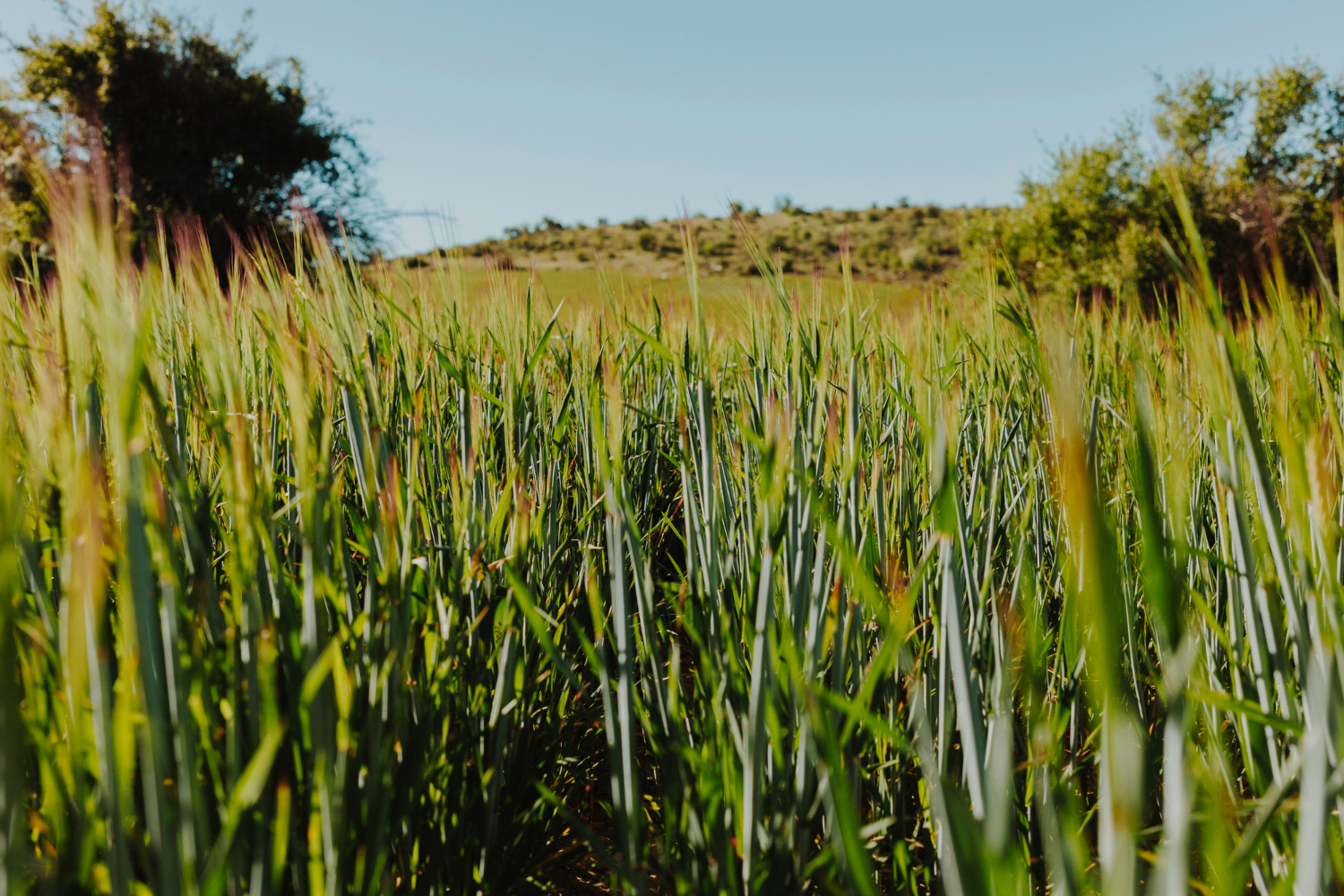
The Modernization of Sugarcane Production in Santa Catarina Advances with Credit, Training, and New Structures, Expanding Activity in Penha and Strengthening Regional Marketing
The sugarcane production in Santa Catarina has taken on new contours on rural properties in Penha, where access to public policies has paved the way for investments, training, and activity expansion, according to an article published
The experience of local farmers shows how adequate structures, frequent technical assistance, and specific financing can change the pace of work in the field, especially when there is a solid partnership with rural support institutions.
Recent advances reveal a movement that combines tradition, adaptation to sanitary regulations and market strategies to meet a growing demand, especially in the summer, when the search for garapa increases in coastal regions.
-
While Russia dominates the global wheat market, Brazil emerges as an unexpected competitor in the Cerrado, offering grain available in July and August when stocks in the Northern Hemisphere are at their lowest point of the year.

-
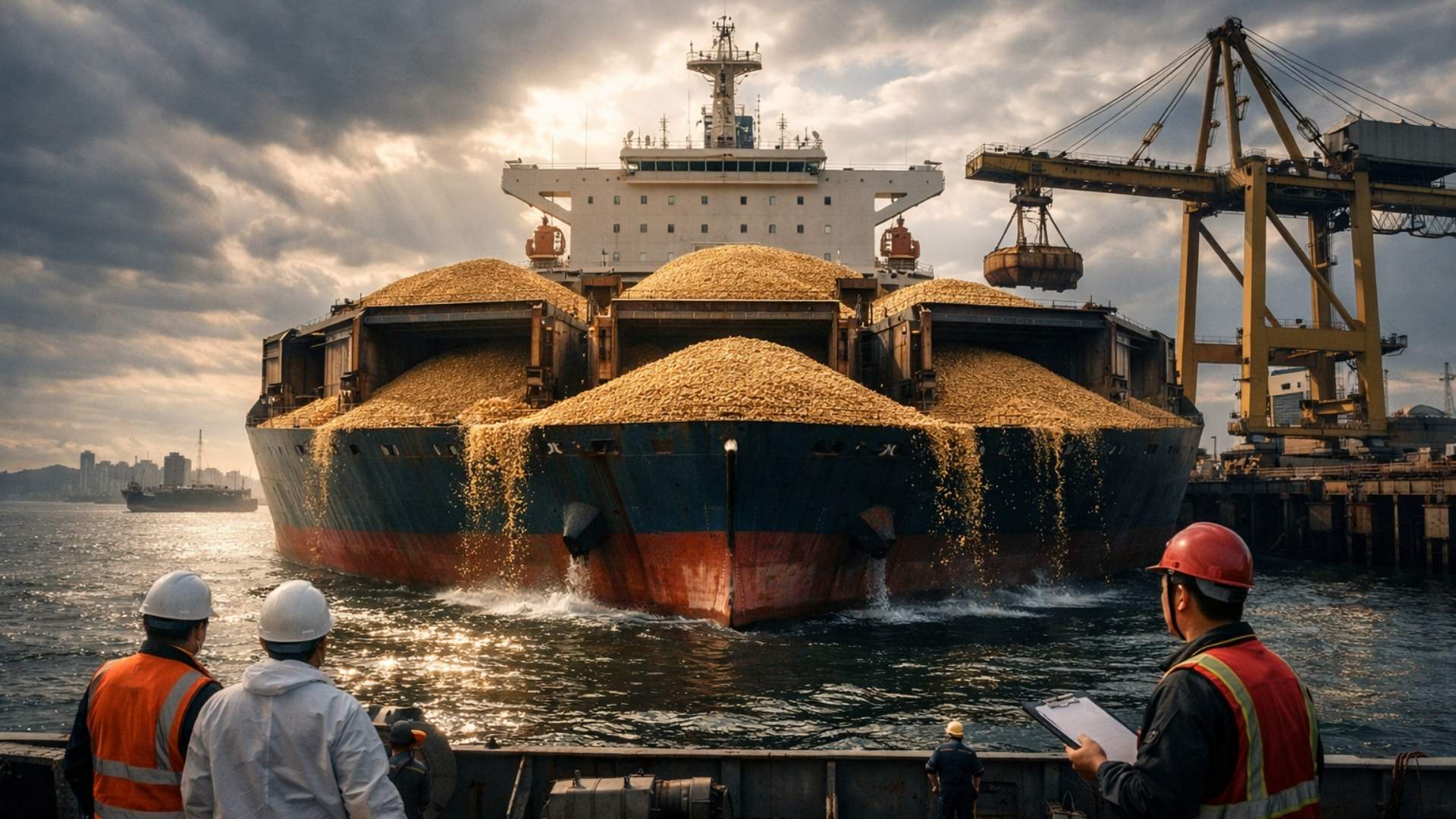
China returned almost 20 Brazilian ships with soybeans, but now everything could change: the country that buys 80% of the grain is considering relaxing regulations after impurities held up shipments of thousands of tons and caused million-dollar losses.
-
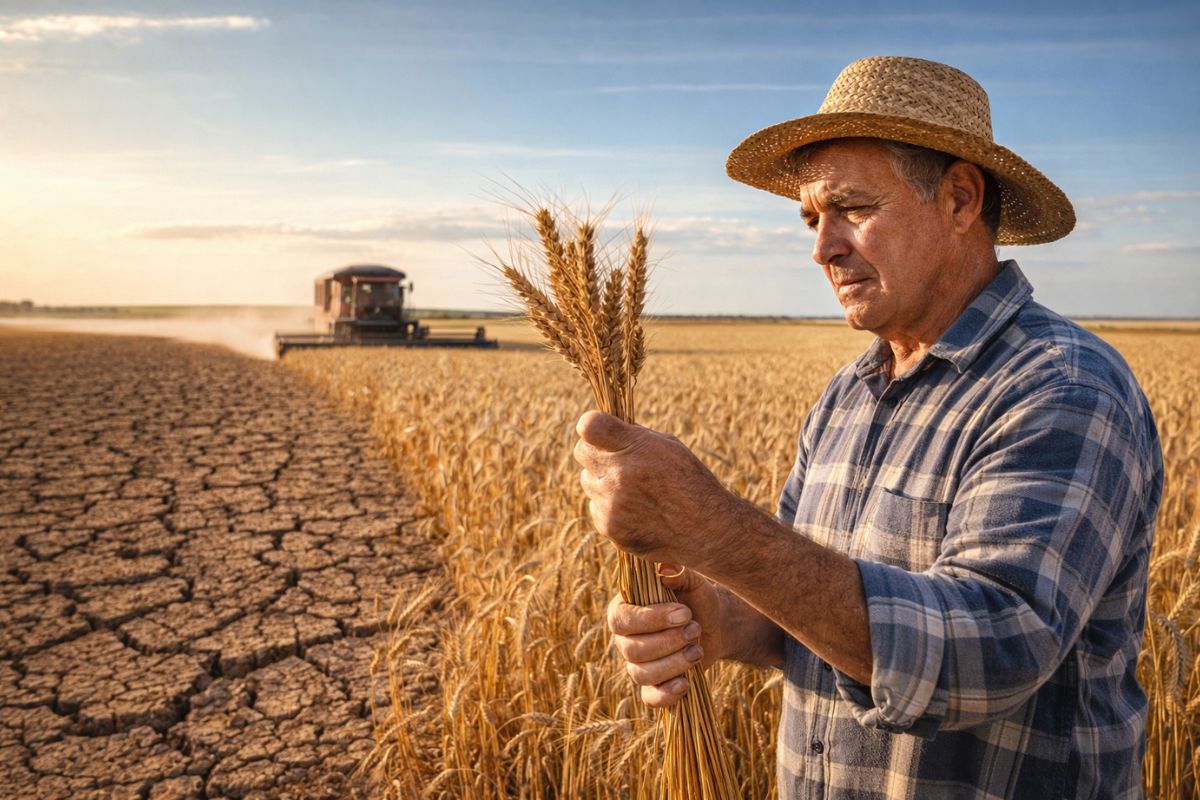
The drought of the cerrado was considered an enemy of wheat, but Brazilian scientists turned the lack of rain into a competitive advantage by creating a grain with quality that is already attracting the attention of international mills around the world.
-
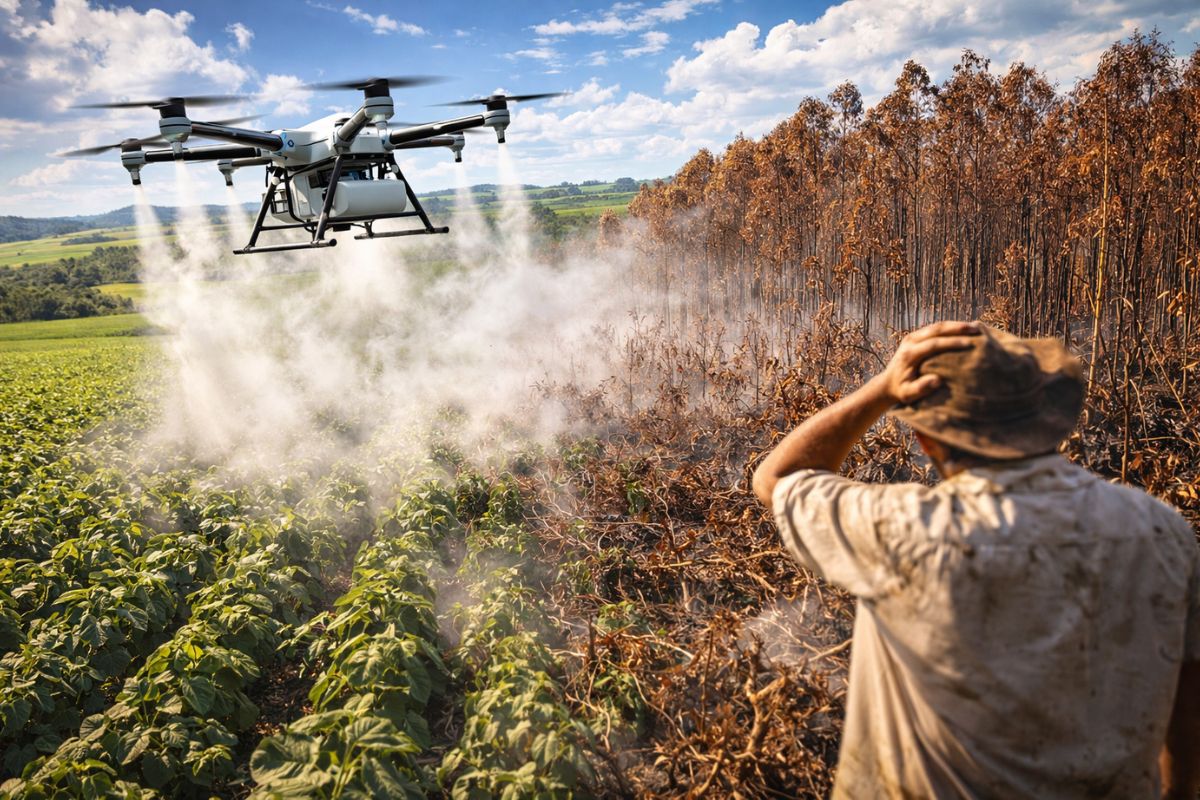
THE OWNER of Brazil: a farmer who came from laundries, created an ’empire’ and today runs a company valued at R$ 42 billion after tripling its value in less than a year and receiving a billion-dollar investment from the USA.


In this scenario, Penha registers initiatives that articulate family, planning, and public policies, resulting in safer and more regulated processes.
Access to Structured Agricultural Credit to Expand Activity
The relationship of families with access to agricultural credit gained strength after technical visits identified urgent needs in cultivation and processing.
A striking example is the work started in 1995, when the guidance to diversify production led a group of farmers to shift from cucumber planting to sugarcane.
Over the years, the commercialization of garapa consolidated along the BR-101, in the São Nicolau neighborhood, where a small store served those passing by the highway.
The turning point occurred in 2005, when the move to the Nossa Senhora de Fátima neighborhood allowed for the cultivation of 3.5 hectares and the monthly supply of three tons to over 100 sales points in cities such as Itajaí, Navegantes, Penha, and Balneário Piçarras.
The process gained new scale with the participation of six employees and expansion to Paraná, showing how public policies facilitated the formalization and regularity of production.
Sustainable Technical Training as the Basis for Growth
Qualification has been crucial in consolidating improvements in sugarcane production in Santa Catarina.
The courses offered by public institutions strengthened property organization, guiding everything from sanitary regulations to the management of processed products.
In 2019, this approach resulted in the project of a 150m² shed designed by a food engineer, ensuring compliance with sanitary requirements for peeling, cutting, packaging, and transporting sugarcane.
Financing came through Pronaf, which also allowed for the purchase of a van used for deliveries made three times a week.
In the same year, a business plan developed in the Flor-E-Ser course indicated the need for refrigerated storage.
The acquisition of a cold storage facility, financed by the Rural Development Fund (FDR) through the Realiza Program, reinforced product quality until it reached sales points, responding to the growing demand for greater durability.
Improvement of Sanitary and Logistical Conditions in the Sugarcane Production Chain
The advancement of sugarcane production in Santa Catarina was directly impacted by the improvement of sanitary conditions.
Before the financing, peeling was manual, transportation occurred in bales, and there was no sanitary permit. With the current structure, the sugarcane arrives from the field, is peeled, cut and packaged in 20kg bags, ensuring standardization.
Logistics was reorganized with the new shed, designed according to regulations, which reflected in greater safety for marketing and the expansion of the reach of the brand created by the family in 2020.
Today, planning even involves the return of family members to the field, as happened with Maicon, who resumed rural activities after working in the tire repair sector.
These adjustments show how public policies carry decisive weight in the continuity of agricultural activity, encouraging new generations and ensuring the structure to meet market demands.
The journey demonstrates how sugarcane production in Santa Catarina strengthens when there is access to credit, training, and constant technical support.








Seja o primeiro a reagir!