





 Portuguese
  English
  Spanish
  3 min of reading
  0 comments


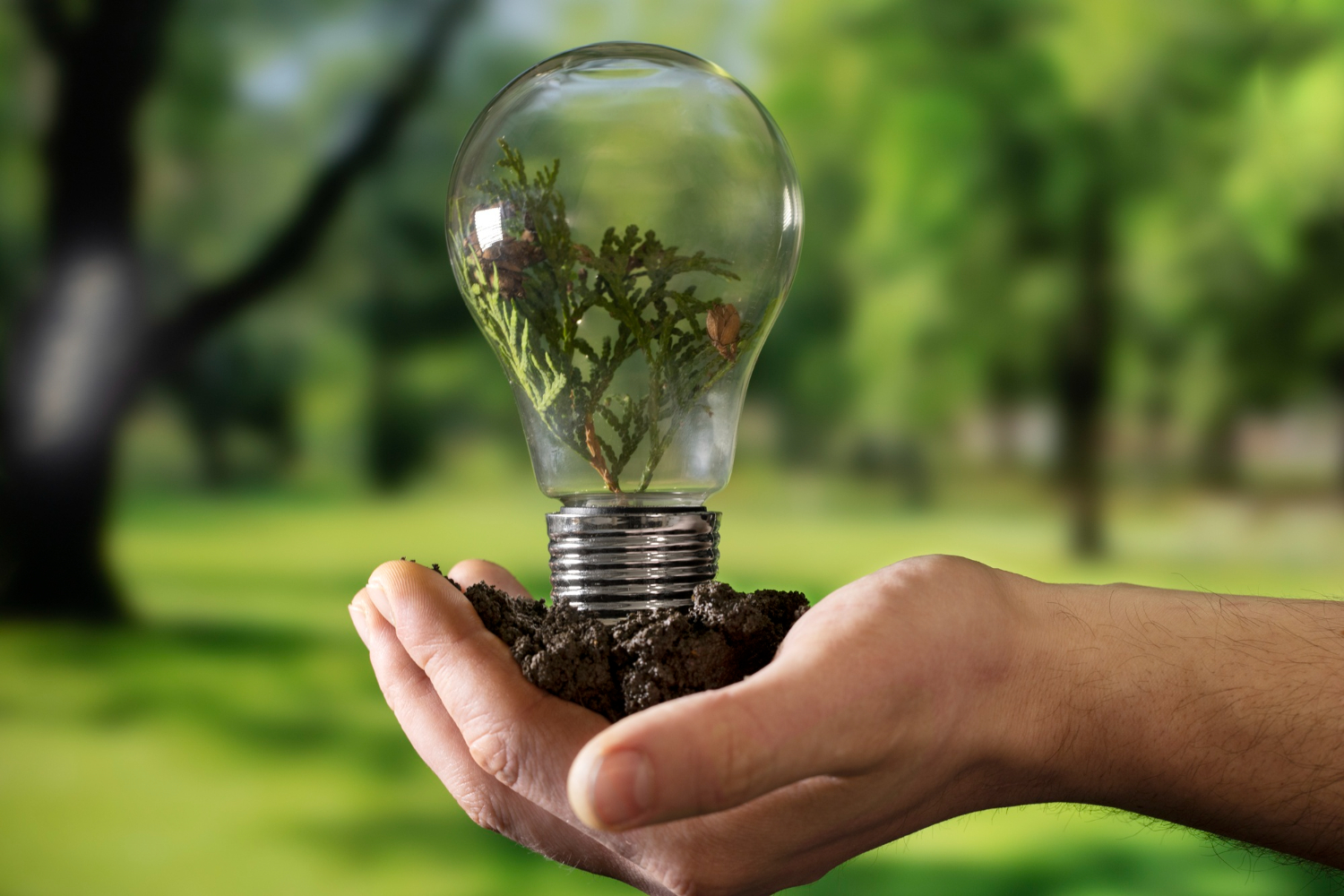
With Lula and Macron, Alexandre Silveira Highlighted Brazil’s Role in Clean Energy Production, Strengthening Nuclear Cooperation and Innovation in Sustainable Hydrogen During COP30 in Belém
The clean energy production was the central point of the meeting between President Luiz Inácio Lula da Silva, Minister of Mines and Energy Alexandre Silveira, and French President Emmanuel Macron, which took place on November 6, during the Leaders’ Summit of COP30 in Belém (PA), according to a news article published.
The meeting symbolized the strengthening of cooperation between Brazil and France in nuclear energy, biofuels, and strategic minerals, reaffirming Brazil’s role as a global player in the energy transition.
Silveira emphasized that the country seeks to “ensure safety, efficiency, and competitiveness in electricity,” reinforcing that the energy transition must be accessible to all.
-
Equatorial adopts new national number for consumer units on electricity bills starting in April, following ANEEL standards and modernizing energy bills in several states.
-
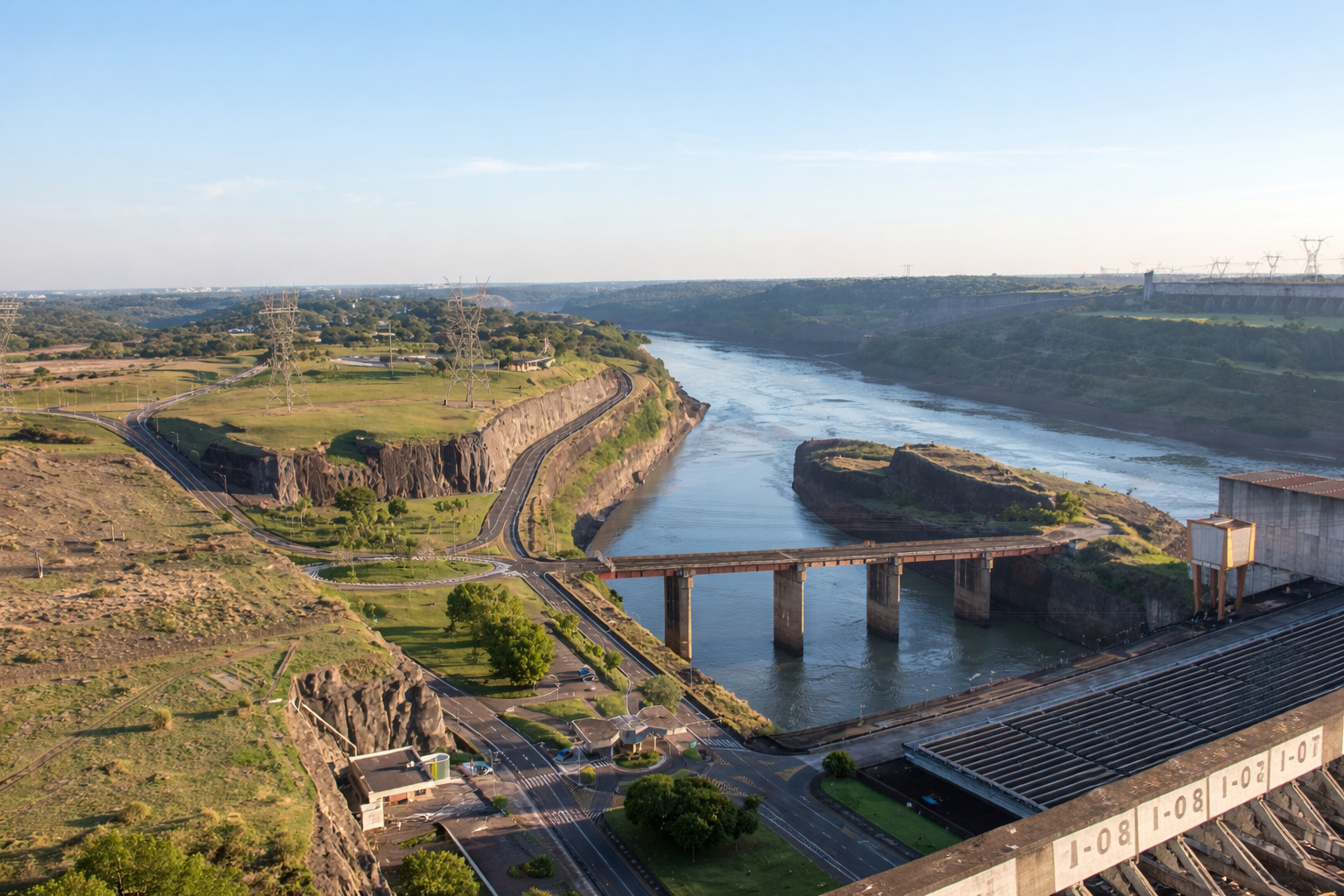
Itaipu Impresses the World: Hydroelectric Plant with 20 Turbines and 14,000 MW Generates Over 2.9 Billion MWh and Leads Global Clean Energy Production
-
Aneel Revokes CMAA Thermal Power Plants After Network Restrictions and Excess Energy in the System
-
13-Year-Old Scientist Creates Clean Energy Device For Just R$ 16, Wins $25,000 Prize And Surprises The World With Affordable Solution


The bilateral agenda highlighted Brazil’s leading role in building low-carbon solutions and strategies to mitigate renewable generation cuts.
During the meeting, measures to encourage French investments in sustainable energy technologies and the industrialization of critical raw materials were also discussed.
Nuclear Energy and Technological Cooperation Focused on Brazilian Strategic Minerals
One of the main topics addressed was the expansion of nuclear cooperation, deemed essential for the completion of the Angra 3 plant.
France, a global reference in atomic energy, is expected to increase its technical and financial participation in the project, boosting Brazil’s capacity for clean and safe generation.
At the same time, the conversation included the creation of joint mechanisms for the development of technologies aimed at the exploration of Brazilian strategic minerals, such as rare earth elements and graphite, sectors in which the country holds the second largest reserve in the world.
These resources are vital for the production of solar panels, electric vehicle batteries, and wind turbines, consolidating Brazil as a competitive hub in the global green energy chain.
According to Minister Silveira, technological integration with international partners can transform Brazil’s mineral potential into a vector for industrial and scientific growth, directly contributing to the advancement of clean energy production.
Biofuels and Sustainable Hydrogen Expand Leadership in Clean Energy Production
The dialogue between the leaders also addressed the expansion of biofuel and low-emission hydrogen policies.
Silveira highlighted E30 (ethanol with 30% blend), B15 (biodiesel with 15% blend), and the SAF mandate (sustainable aviation fuel) set for 2026 as fundamental milestones of the new green cycle of the national economy.
These initiatives position the country among the leaders in the global race for decarbonized energy alternatives, with great potential to attract investments from France and other European partners.
Currently, Brazil has the most renewable electric matrix in the G20, with 89% of its energy coming from clean sources, a figure well above the global average.
The National Interconnected System (SIN), the largest in the world, connects all Brazilian states, ensuring a balance between supply and energy demand and allowing greater stability during periods of climate fluctuations.
Understand What Clean Energy Is and Its Main Benefits
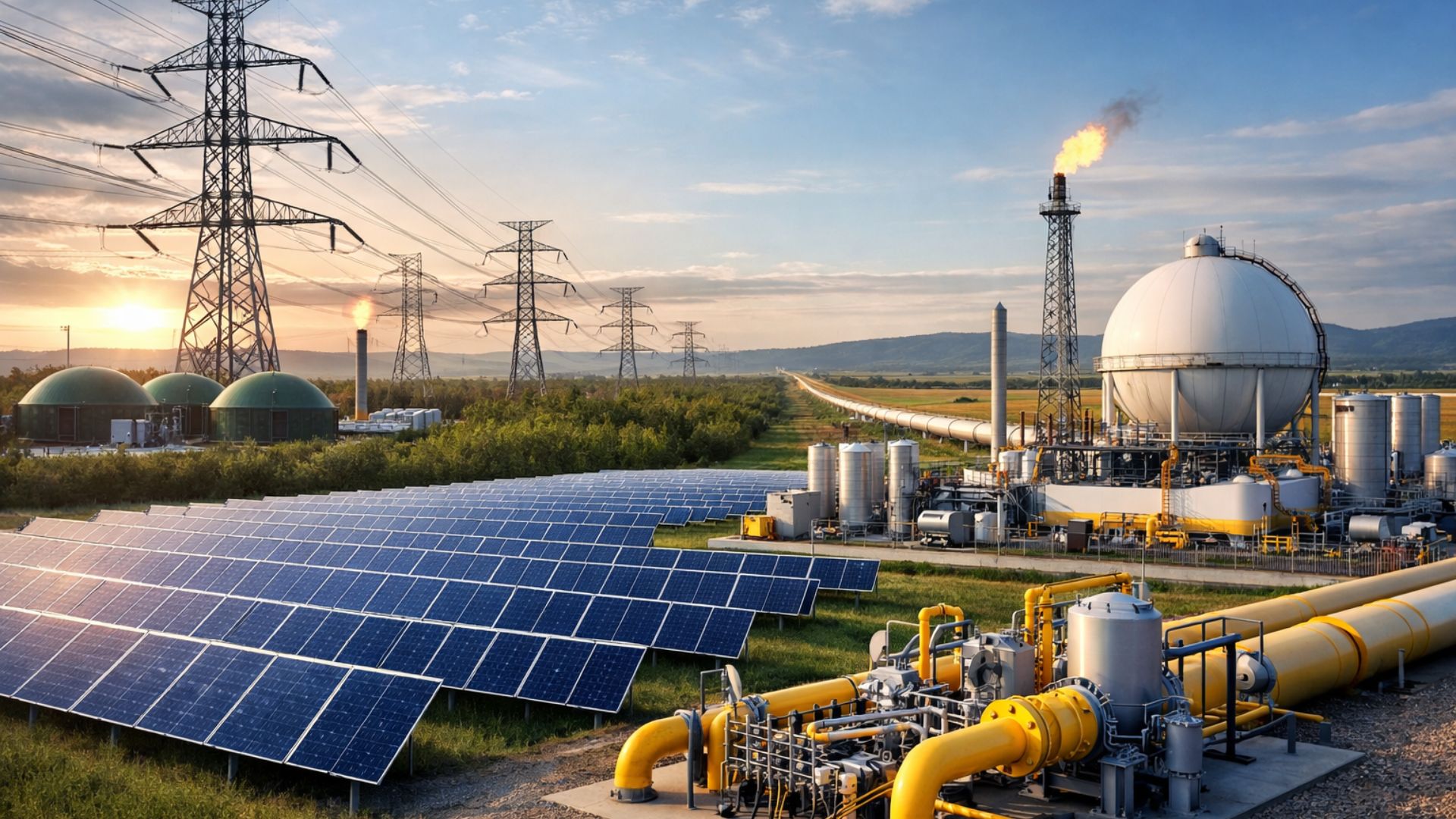
The concept of clean energy is directly linked to electricity generation without significant emissions of greenhouse gases or atmospheric pollutants.
Sources such as hydropower, solar, wind, biomass, and nuclear are examples of this sustainable matrix that promotes economic growth with lower environmental impact.
Main benefits of clean energy:
- Reduces carbon emissions and combats climate change;
- Generates green jobs and stimulates technological innovation;
- Reduces dependence on fossil fuels;
- Enhances local economies and attracts foreign investments;
- Promotes sustainable development in rural and urban communities.
These advantages make Brazil one of the world leaders in low-carbon energy policies.
Alongside France, the country expands its strategic presence in innovation, research, and infrastructure sectors, consolidating South America’s leadership in the transition to a more balanced and accessible energy model.
Based on this agenda, Minister Alexandre Silveira reinforced that clean energy production will be the central axis of national policies in the coming years, aligning sustainability, technology, and social inclusion in favor of a safer and more efficient energy future for all Brazilians.







Seja o primeiro a reagir!