





 Portuguese
  English
  Spanish
  3 min of reading


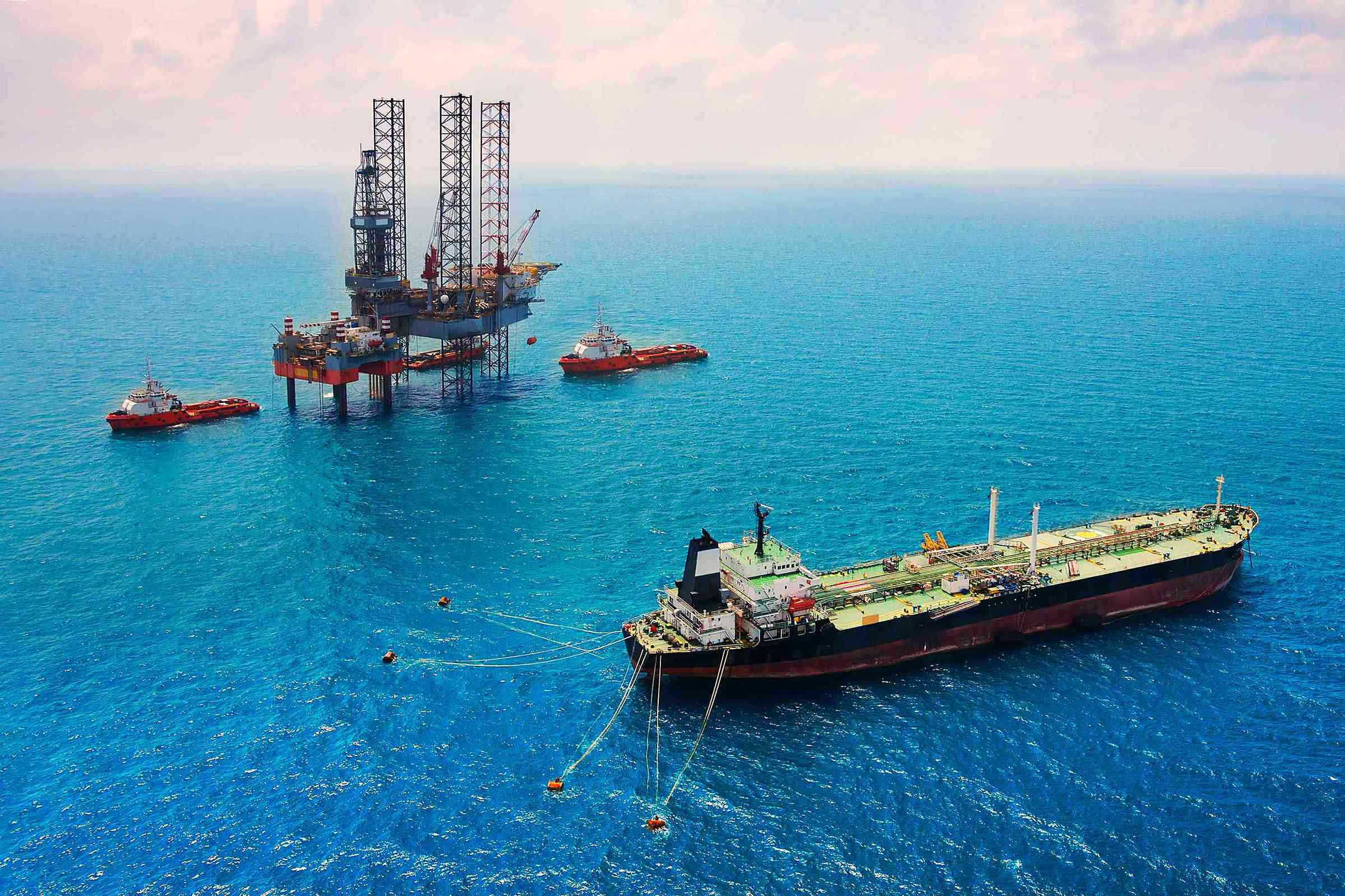
In ANP’s Official Note, Many Factors Contributed to This Decline in Oil and Natural Gas Production During the Period. Understand What They Were and Their Impacts on the National Productive Chain
The National Agency of Petroleum, Natural Gas and Biofuels (ANP) reported on May 5, 2023, the consolidated data of oil and natural gas production for March 2023. During this period, national production reached 3.987 million barrels of oil equivalent per day (boe/d), comprising 3.115 million barrels per day (bbl/d) of oil and 138.531 million cubic meters per day (m³/d) of natural gas.
Compared to the previous month, there was a 4.5% decrease in oil production and a 5.5% decrease in natural gas production. However, compared to March 2022, oil showed an increase of 4.5% and natural gas a growth of 3%.
Decline in Production and Influencing Factors
The decline in production was mainly caused by scheduled shutdowns at Petrobras production units 77 (Búzios field) and FPSO Guanabara (Mero field), located in the pre-salt layer of the Santos Basin. Variations in production can occur due to several factors, such as scheduled maintenance shutdowns, the start of well operations, shutdowns of wells for maintenance or cleaning, and the commissioning of new production units. These actions aim to ensure stable and continuous operation, as well as to increaseproduction over time, despite the challenges.
-
The rise in oil prices could ensure an extra revenue of R$ 100 billion for the Federal Government, indicates a recent economic study.

-
Naturgy begins an investment of R$ 1.6 million to expand the gas network in Niterói and benefit thousands of new residences and businesses.

-
A major turn in the Justice system suspends tax increases and directly impacts oil and gas companies in Brazil by affecting costs, contracts, and financial planning, leaving uncertain what could happen to the sector if these costs had increased.

-
Brava Energia begins drilling in Papa-Terra and Atlanta and could change the game by reducing costs in oil while increasing production and strengthening competitiveness in the offshore market.

Interactive Access to Production Data
In addition to the traditional publication in PDF format, the bulletin data can be consulted interactively using Business Intelligence (BI) technology. This tool allows the user to change the reference month, select different periods for consultation, and apply specific filters for fields, states, and basins. The interactive version of the bulletin also offers the possibility to check the variation in production compared to the previous month by field and offshore installation (pages 33 and 34).
Production in the Pre-salt
In March 2023, production in the pre-salt accounted for 75.4% of Brazilian production, totaling 3.007 million boe/d. A total of 2.363 million bbl/d of oil and 102.43 million m³/d of natural gas were produced through 142 wells. Compared to the previous month, there was a reduction of 8%, while the annual comparison showed an increase of 4.6%.
Utilization of Natural Gas
The utilization of natural gas in March was 97.4%. 48.04 million m³/d were made available to the market, while flaring totaled 3.60 million m³/d. There was a reduction of 5.5% in flaring compared to February and an increase of 20.9% compared to March 2022.
Source of Production
In March 2023, offshore fields were responsible for 97.7% of oil production and 86% of natural gas production. The fields operated by Petrobras, either alone or in consortium with other companies, represented 90.16% of the total produced. The production originated from 5,564 wells, with 505 offshore and 5,059 onshore.
Highlighted Fields and Installations
In March, the Tupi field, located in the pre-salt of the Santos Basin, was the largest producer of oil and gas, recording 850.44 thousand bbl/d of oil and 40.55 million m³/d of natural gas. The installation with the highest oil production was FPSO Carioca in the shared Sépia field, with 167.188 thousand bbl/d, and the one with the highest natural gas production was Polo Arara, in the fields of Arara Azul, Araracanga, Carapanaúba, Cupiúba, Rio Urucu, and Sudoeste Urucu, with 7.95 million m³/d.
In summary, the data released by ANP shows the evolution of oil and natural gas production in Brazil in March 2023, highlighting the participation of the pre-salt and the performance of specific fields and installations. The numbers reflect the common fluctuations in the sector, influenced by factors such as maintenance, the start of well operations, and the commissioning of new production units.
Also see the challenges Petrobras is facing with Ibama.









Seja o primeiro a reagir!