





 Português
  Inglês
  Espanhol
  2 min de leitura


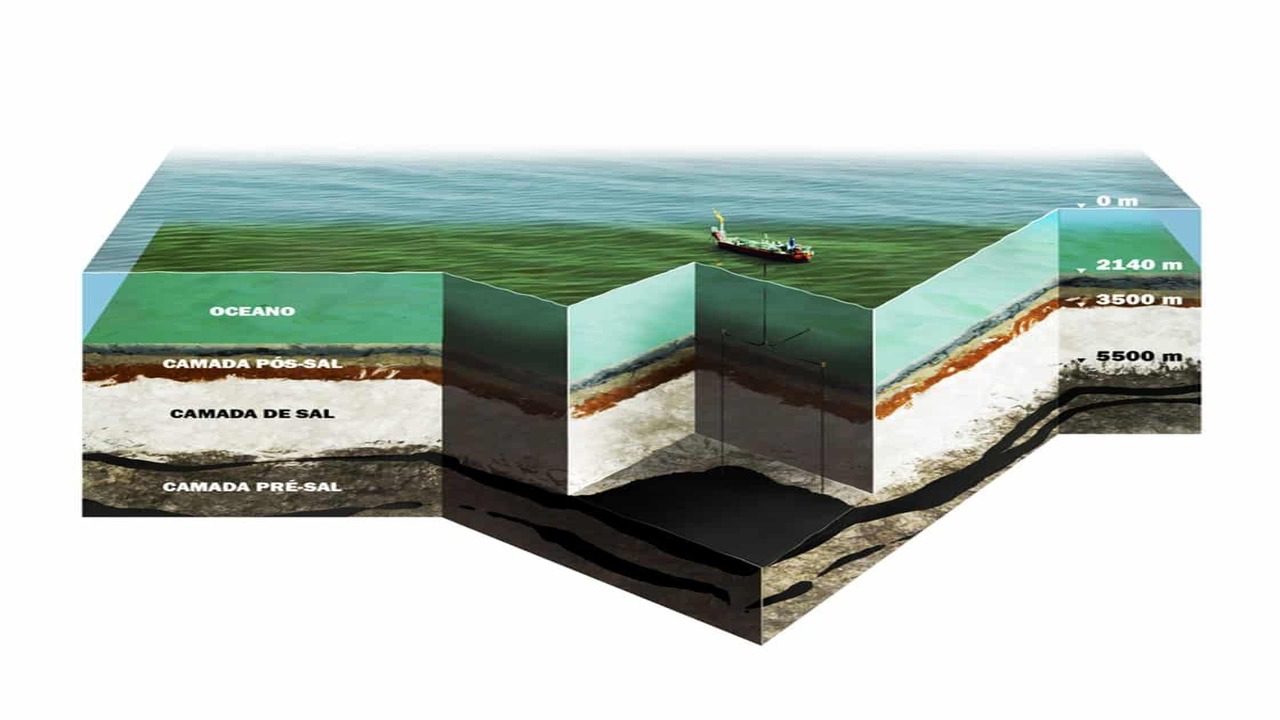
The Production of Brazilian Pre-Salt Significantly Grew in February of This Year, According to Information Released by Pré-Sal Petróleo S.A (PPSA) on Thursday, April 13.
The total oil production in oil fields with production-sharing contracts grew 3% in February compared to the previous month, totaling 868 thousand barrels of oil per day (bpd). Compared to the same period last year, there was an increase of 86% in pre-salt production, reaching a total of 465 thousand bpd produced more.
According to PPSA, the Union had the right to an average production of 43.9 thousand bpd in pre-salt contracts in February, which represents an increase of 2.07% compared to the average in January and a difference of 155% in the annual comparison.
Production-Sharing Contracts in Pre-Salt
The production-sharing contracts involve seven fields in the Brazilian pre-salt, namely: Atapu, Búzios, Entorno de Sapinhoá, Mero, Tartaruga Verde Sudoeste, Sépia, and Itapu. These contracts have allowed for the increase of pre-salt production in the last year.
-
Offshore industrial demand in Macaé skyrockets with the recovery of oil and gas and could grow by up to 396% by 2026 in the Campos Basin.
-
Offshore industrial demand in Macaé surges with the recovery of oil and gas and could grow by up to 396% by 2026 in the Campos Basin.
-
Brazilian giant expands borders in the Southeast: Petrobras confirms new oil discovery in ultra-deep waters in the pre-salt of the Campos Basin.

-
Alert in the global energy market: Severe tropical cyclone hits the coast and disrupts gas production at major plants in Australia, threatening global supply.


The production of oil in Brazil, in general, has been increasing every year. According to the National Agency of Petroleum, Natural Gas and Biofuels (ANP), only in the first three months of this year there was a 5.1% increase in oil production compared to the same period last year. The pre-salt is one of the main sources of this production, precisely because it has substantial oil reserves that help drive the Brazilian economy.
Natural Gas Production in Pre-Salt
In addition to oil production, the pre-salt has been notable for natural gas production. According to PPSA, in three of the seven production-sharing contracts, the average natural gas production was 1.20 million cubic meters per day (m³/d), with most coming from Búzios, totaling 1.02 million m³/d. However, there was a 47% decrease in the average compared to the previous month due to an operational halt in the Búzios field.
The average total surplus of the Union in natural gas available was 43 thousand m³/d in February, below the 54 thousand m³/d in January. In the same period last year, this average was 113 thousand m³/d.
The production of the pre-salt has proven to be strategic for the development of the Brazilian economy, as it highlights oil and natural gas production. Even with the operational halt in Búzios, there was a significant increase in oil production, with an 86% increase in the annual comparison. Therefore, it is important for the country to continue investing in this sector to ensure economic growth and job generation.










Seja o primeiro a reagir!