Portuguese
  Spanish


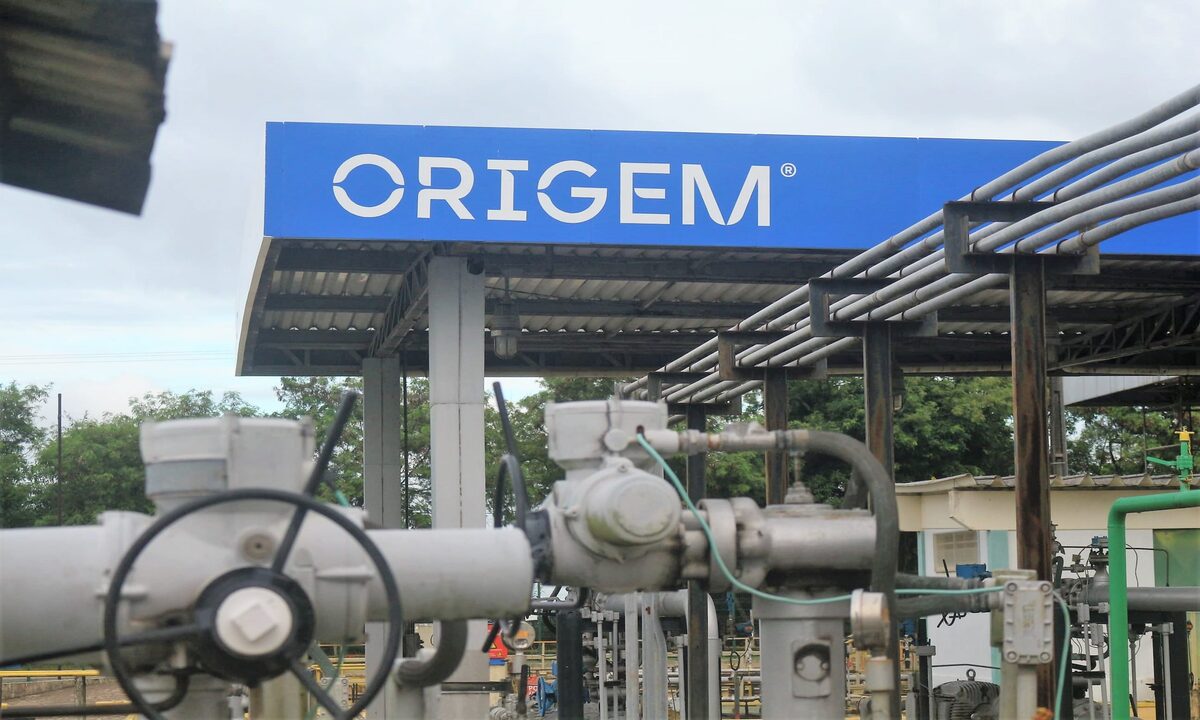

Origem Energia Included in Its New Development Plan for the Pilar Field in Alagoas the Underground Natural Gas Storage Project.
Project awaiting authorization from the National Agency of Petroleum, Natural Gas and Biofuels (ANP). The proposal will be analyzed by the agency’s board in conjunction with the Development Plan (PD) for Pilar.
The company expects to invest R$ 916 million in the asset recovery, increasing production to 11.7 million barrels/day of oil and 5.4 billion m³ of natural gas, in addition to the pilot project for gas storage.
Increase in Processing Capacity of Pilar’s UPGN
The company forecasts that, with underground natural gas storage, the processing capacity of the natural gas processing unit (UPGN) in Pilar will need to be expanded, as the current capacity of 1.8 million m³/day is reaching its limit.
-
The Chamber releases R$ 10 billion to hold the price of diesel until December and proves that Brazilian fuel remains tied to Congress.

-
It’s official: Petrobras takes 75% of block 3 in São Tomé and Príncipe and debuts as an offshore operator outside South America.
-
With a record production of nearly 3 million barrels per day, Petrobras resumes importing diesel in July, highlighting the bottleneck in Brazilian refining.
-
Qantas and Airbus Invest in Company Aiming to Convert Unsorted Household Trash into Jet Fuel


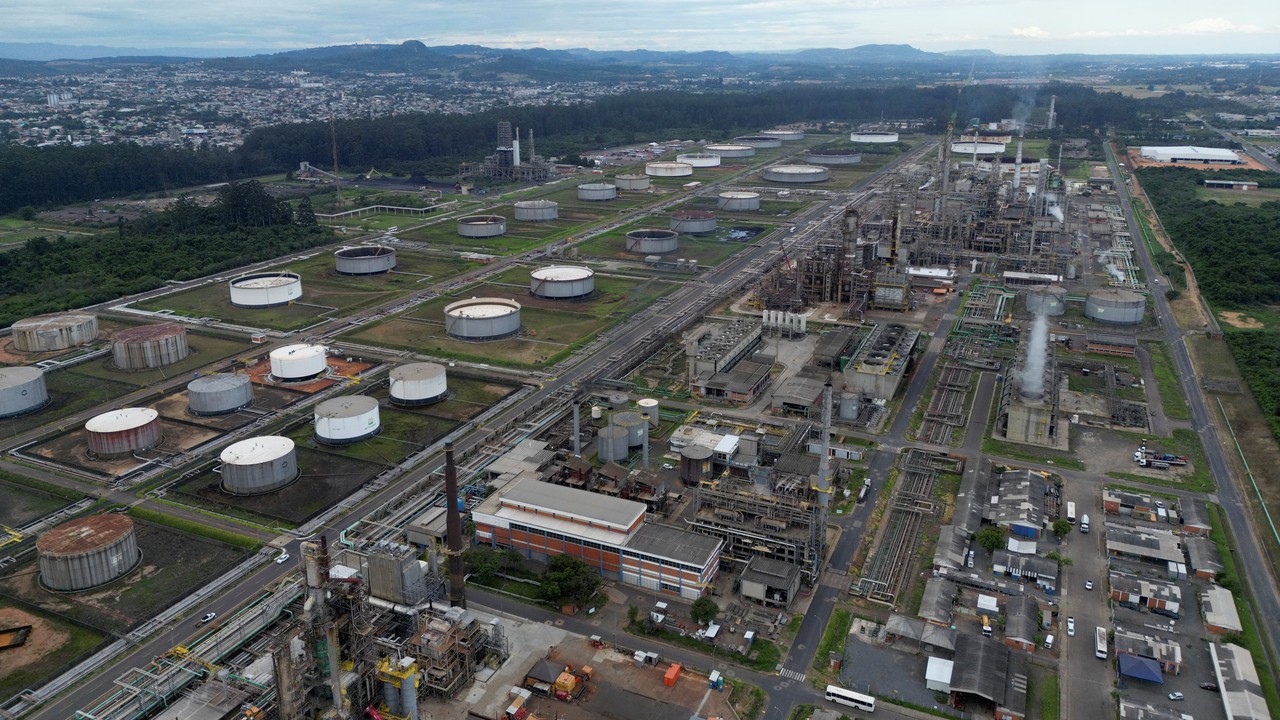

According to Luiz Felipe Coutinho, President of Origem, the expansion of the UPGN is planned in the company’s business plan for next year. He emphasizes that the company’s infrastructure is capable of supporting local demand growth, but there is also the possibility of receiving gas from other producers.
Brazilian Government Invests in Natural Gas Storage
The Brazilian government is also interested in natural gas storage, and therefore, the Energy Research Company (EPE) will map the most promising areas for this type of underground storage, taking into account even carbon capture, storage, and utilization (CCUS).
The state-owned company hired an external consultancy for this work, which includes a policy and regulation study, inventory of areas for storage in depleted fields, and evaluation of targets for CCUS.
Thus, it is possible to notice that underground natural gas storage is a very viable alternative, in addition to being able to boost the economy and the natural gas market in the country. The potential of Origem’s natural gas storage could be a significant technological advancement for the area, allowing it to grow even further and meet more market demands. This will also lead to greater gas consumption, generating more job opportunities and increasing tax revenues for the government.