





 English
  Francês
  Alemão
  Italiano
  Japonês
  Norueguês
  Portuguese
  Spanish
  3 min of reading


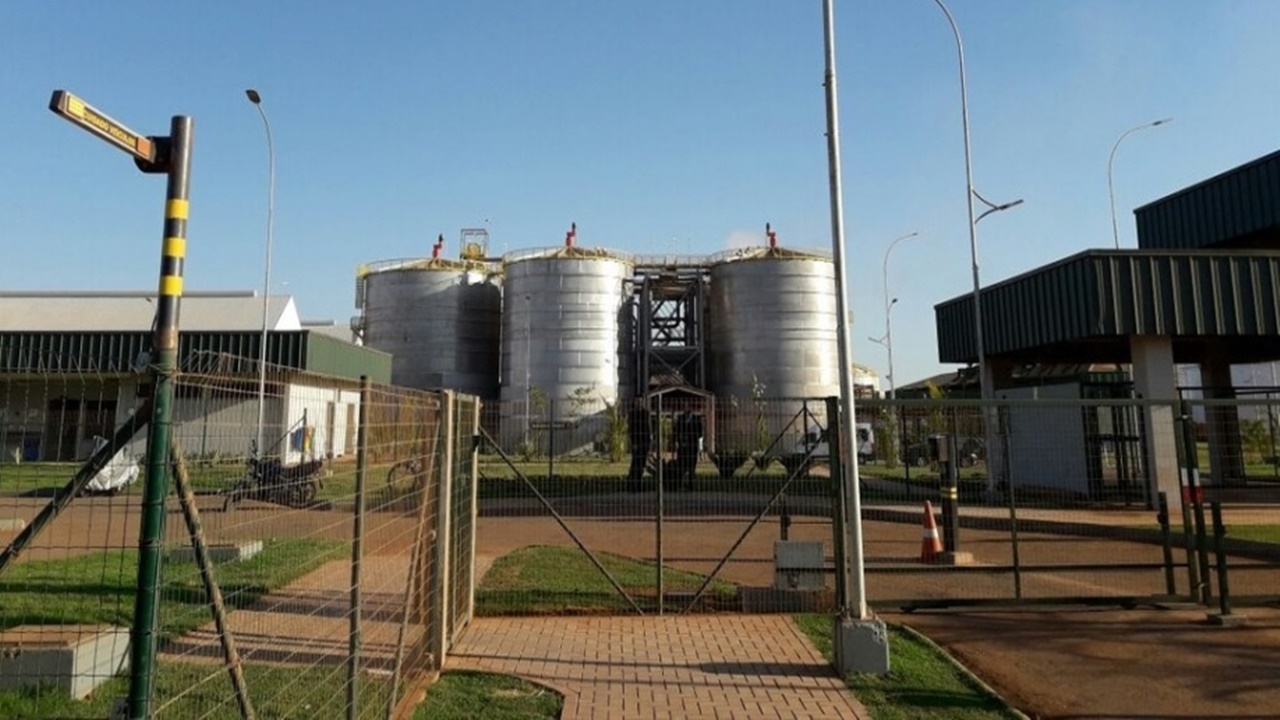
Price And Exchange Rate Lead Mills To Reduce Ethanol Production And Manufacture More Sugar – Which Had Much Greater Compensation
Cane ethanol mills in the central-south of Brazil saw their production plummet due to circulation restrictions caused by the coronavirus crisis and turned to sugar production. Be aware, the Direct Sale Of Ethanol From Mills Will Stimulate Competition And Curb The Rise In Gasoline Prices At Fuel Stations
Read Also
- Raizen, The Giant Ethanol Producer In Brazil, Invests R$ 345 Million In Agricultural Fleet To Increase Production And Reduce Costs
- Ethanol Price Reacts At Mills And Distributors After Consecutive Drops
- Brazil, The World Leader In Ethanol Production, May Benefit From The Increase In Ethanol Blend In Gasoline To 20% Adopted By India
- Ethanol And Gasoline Prices Skyrocket, Petrobras Raises CNG By 39% And Adjustment May Further Impact Brazilians’ Budgets In The Coming Weeks
The 2020/21 cane harvest reached 605.4 million tons (the third highest volume in the last ten years), which represents 2.56% more than the 590.36 million tons from the 2019/20 harvest. The total number of mills in operation until this week is expected to reach 170, compared to 180 in the same period last year.
Increase In Exports And Good Sugar Prices Increase Sugar Production
With more attractive sugarcane prices, a larger share of the input was directed to sugar production, which reached 38.46 million tons. The volume of ethanol was 30.37 billion liters, including anhydrous (which is mixed with gasoline before reaching the stations), hydrated (sold directly at the stations), and fuel from corn — which reached 2.57 billion. In the previous harvest, the supply was 33.25 billion liters, a historical record for the sector.
-
While Russia dominates the global wheat market, Brazil emerges as an unexpected competitor in the Cerrado, offering grain available in July and August when stocks in the Northern Hemisphere are at their lowest point of the year.
-
China returned almost 20 Brazilian ships with soybeans, but now everything could change: the country that buys 80% of the grain is considering relaxing regulations after impurities held up shipments of thousands of tons and caused million-dollar losses.
-
Chinese giant worth nearly R$ 4 billion that manufactures cables for electric cars, solar energy, and robotics wants to open a factory in SC.

-
Many employers do not know, but the law guarantees domestic workers a 25% increase in salary during trips, 50% for overtime, 20% for night shifts, and 17 additional benefits that can lead to labor lawsuits if not paid.


Although most of the sugarcane (53.9%) continues to be used for ethanol production and the other 46.07% for sugar manufacturing, the difference shrank compared to the previous harvest, reaching the lowest percentage in the last 23 years.
“The issue of the exchange rate and pricing meant that sugar had much higher compensation than ethanol, but ethanol was not bad either. We faced a difficult year, but the harvest was record-breaking; we have never had such an offering of products in this harvest relative to ATR [Total Recoverable Sugars], along with almost two tons of sugarcane more per hectare,” said Antonio de Padua Rodrigues, technical director of Unica (Union of the Sugarcane Industry).
The harvest achieved 144.72 kilos of ATR per ton of sugarcane, compared to 138.57 kilos in the 2019/20 harvest, which represents an increase of 4.44% and the highest in history.
The reference price for a ton of sugarcane in Consecana (Council of Sugarcane, Sugar, and Ethanol Producers of the State of São Paulo), for example, is above R$ 110. “No one can complain about pricing. Both sugar and ethanol, to have a good sugarcane price, need good prices for sugar and ethanol,” he said.
Strong Increase In Hydrated Ethanol Exports
There was also a strong increase in hydrated ethanol exports, up 137%, to be used for non-fuel purposes — such as 70% alcohol or gel alcohol, in the fight against the new coronavirus pandemic. For the internal market, sales of ethanol for non-fuel purposes increased by 30%.
“In general, while there was a reduction due to mobility in both gasoline as well as anhydrous and hydrated, there were compensations in these new segments, which made the harvest end up balanced between supply and demand.”
Mills And Sugarcane Suppliers Lock Horns Over The Division Of Revenues From The Federal RenovaBio Carbon Credits Program
Ethanol mills and sugarcane suppliers are battling over the division of revenue from the carbon credits of the federal RenovaBio program, the Decarbonization Credits (CBios). Despite the program being in force for a year, requiring distributors to purchase CBios from biofuel producers, the rules for dividing this revenue are the responsibility of private agents, who do not reach a consensus.
The Organization of Sugarcane Producers Associations of Brazil (Orplana) claims that farmers should be paid 100% of the CBios generated from ethanol produced from sugarcane, given that if the mills stop processing the supplier’s cane, the eligible ethanol production of the program also decreases, which in turn reduces the mills’ capacity to issue CBios.








Seja o primeiro a reagir!