





 English
  Francês
  Alemão
  Italiano
  Japonês
  Norueguês
  Portuguese
  Spanish
  4 min of reading
  0 comments


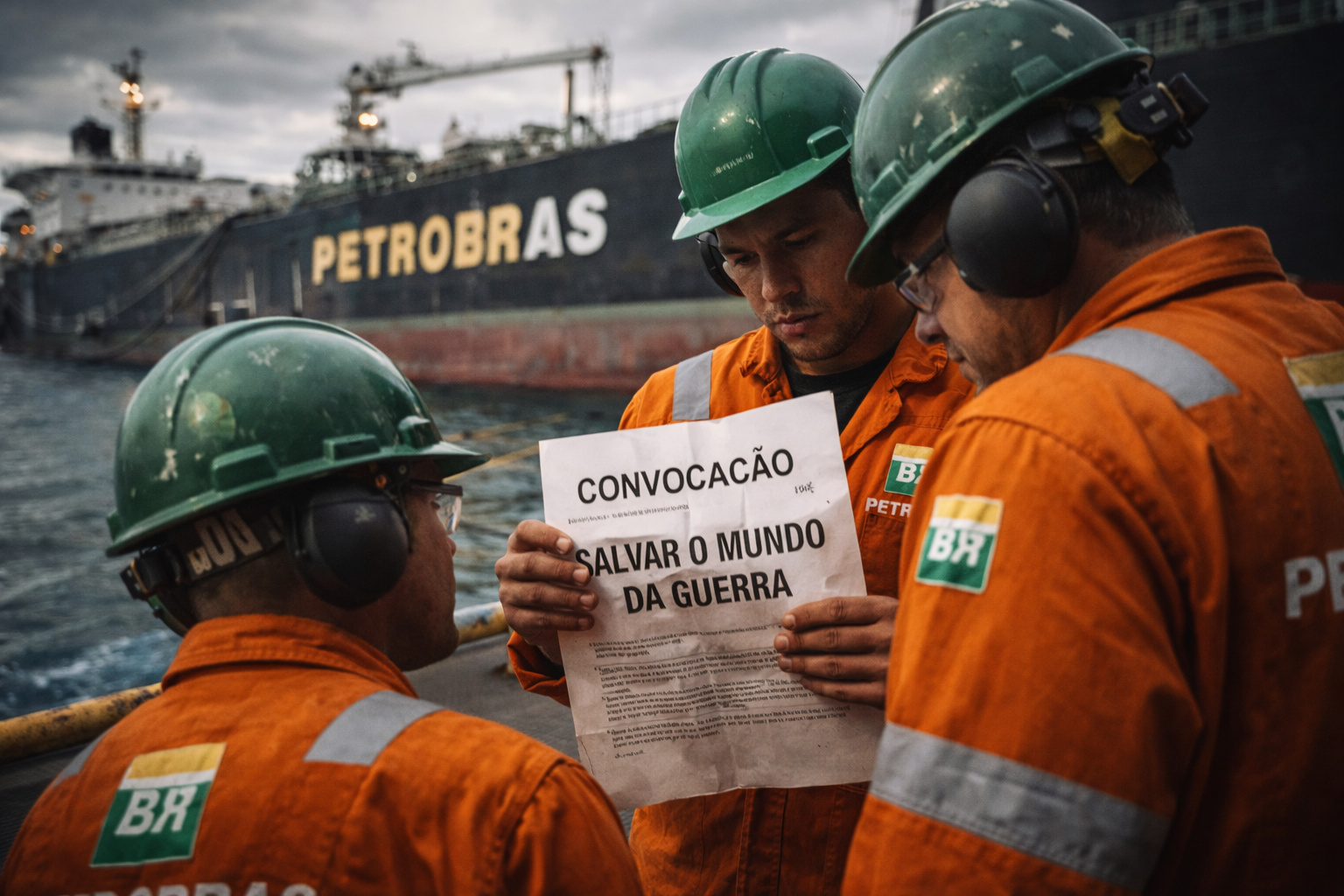
Report Released on March 11 Indicates That the State Company Has Financial Margin to Cushion International Pressures from Oil in the Brazilian Fuel Market
The escalation of the war in the Middle East has once again pressured the international oil market and reignited the debate on possible fuel price increases in Brazil. However, according to an analysis released on March 11, 2026 by the Institute of Strategic Studies on Oil, Natural Gas, and Biofuels (Ineep), Petrobras has the ability to reduce part of this impact on the domestic market. According to the institute’s report, the state company recorded record production and an increase of about 200% in net profit throughout 2025, which enhances its ability to absorb external fluctuations.
Thus, as highlighted in the technical document, this financial performance creates room to cushion pressures on gasoline and diesel, at least momentarily. According to Ineep, the international situation reinforces Petrobras’s strategic importance for the balance of the Brazilian fuel market. Therefore, the institute assesses that the company can still serve as a relevant tool to reduce external impacts on the domestic market.
War Movements Trigger Surge in Oil Prices
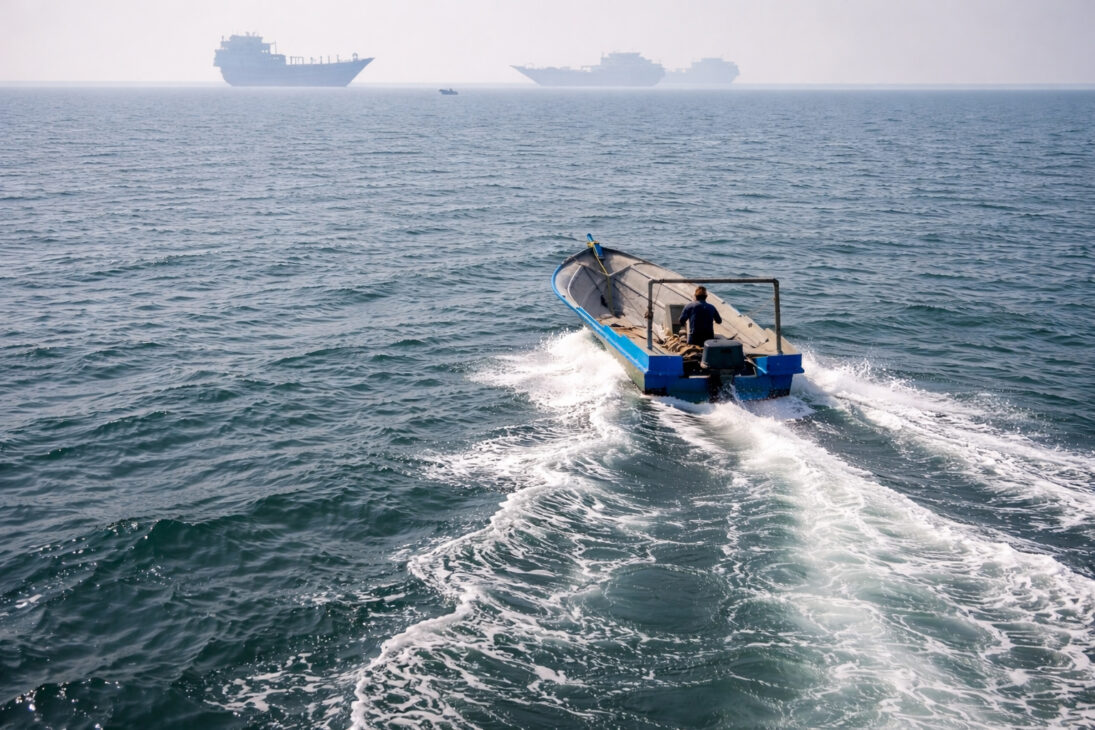
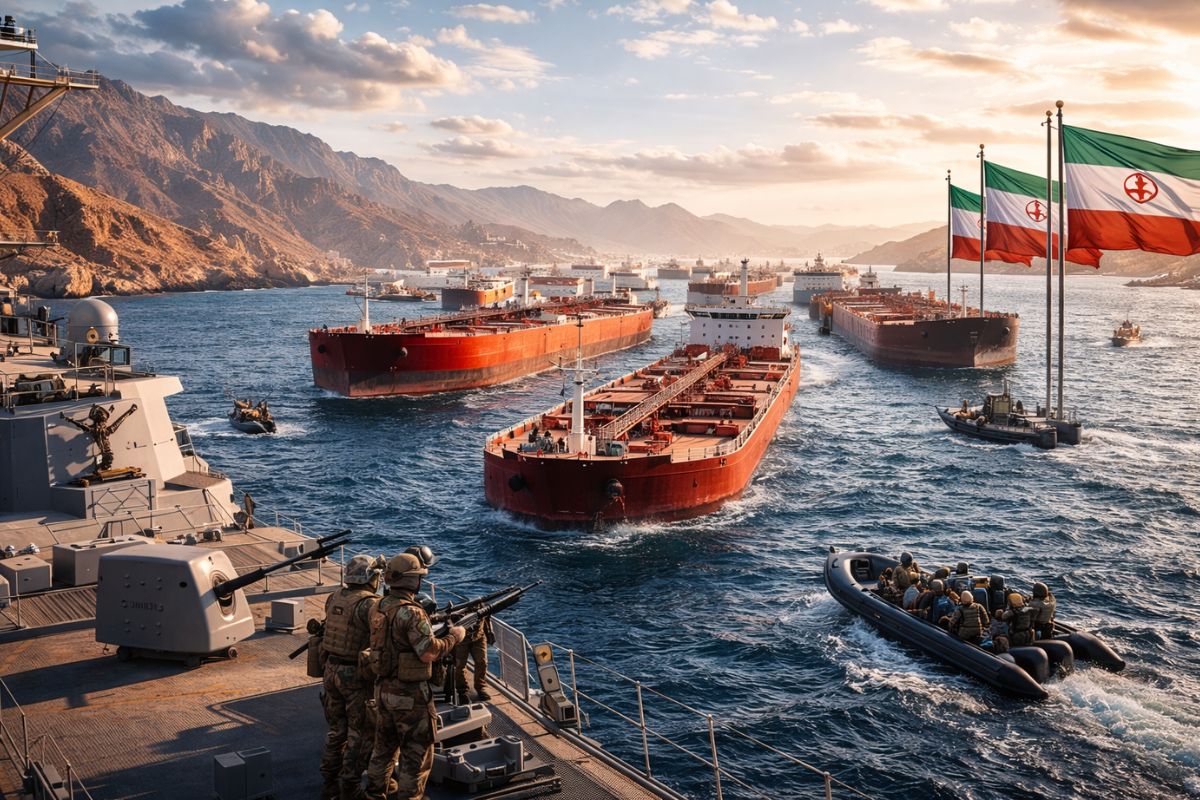
Meanwhile, the global market underwent strong volatility following the escalation of the conflict in the Middle East. This scenario intensified especially after the closure of the Strait of Hormuz, one of the main routes for the circulation of oil and gas on the planet. Consequently, Brent oil, the international benchmark for fuel pricing, experienced a strong surge in recent weeks.
-
If the USA were to go to war with Brazil, Washington’s greatest fear would not be the attack itself, but facing a vast territory, prolonged resistance, and a costly, chaotic, and unpredictable occupation.

-
In 2013, Nicaragua sold the concession for a canal to rival Panama to a Chinese billionaire who lost 85% of his fortune, disappeared, and was declared bankrupt. Now the project resurfaces with a new route, a new Chinese partner, and a cost of $64.5 billion.

-
The USA announces a mysterious billion-dollar vault project to store critical minerals, but what intrigues experts is not just the plan itself, but why Latin America, including Brazil, has entered the center of this global dispute against China.

-
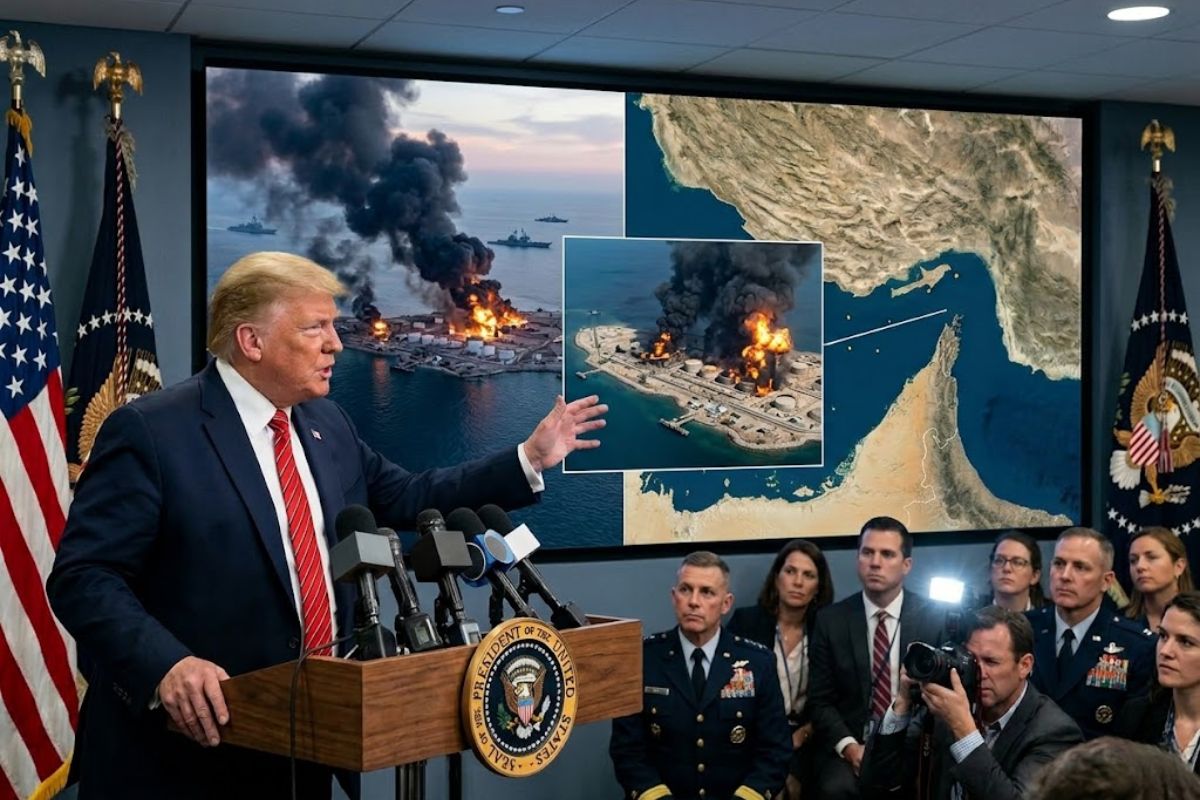
Trump Announces Bombing of U.S. Military Targets on Iranian Island Responsible for About 90% of Iran’s Oil Exports, Warns of Further Attacks if Navigation in Strategic Strait of Hormuz Is Threatened

According to data cited in the Ineep report, on February 27, 2026, the barrel was being traded at around US$ 72, while on Sunday, March 8, the price reached close to US$ 120, indicating a significant appreciation in the international market. Thus, the price accumulated a rise of approximately 66% following the attacks by the United States and Israel against Iran.
Subsequently, on Monday, March 9, Brent fell back to below US$ 100, although still at a high level. This behavior reveals the high instability of the global energy market in light of the advancing conflict. Therefore, the international scenario remains characterized by uncertainties and rapid price fluctuations.
Brazilian Market Has Not Fully Passed on the Increase
Despite this international turbulence, the impact on fuels in Brazil has still been limited as of February, according to Ineep. According to the report, domestic prices have shown more moderate movements in recent weeks, indicating a more gradual transmission of international fluctuations to the Brazilian consumer.
During this period, fuels exhibited distinct behaviors. Diesel and cooking gas saw an increase in January, reflecting initial adjustments in prices. However, they experienced slight declines in February, which mitigated part of the impact.
Meanwhile, gasoline saw a drop following a price adjustment made at Petrobras refineries. Thus, as the institute notes, the international variation of oil has not been passed on with the same intensity to the Brazilian consumer. This movement demonstrates a difference between the global dynamics of oil and the behavior of the domestic market.
Petrobras Can Serve as a Barrier Against Inflationary Pressure
In light of this scenario, Ineep states that preserving internal market protection instruments becomes essential. In this context, according to the report, Petrobras plays a strategic role in mitigating inflationary pressures caused by fuels.
Even without direct involvement in the distribution sector, the state company still has the capacity to influence price behavior in the country. According to the document, it is possible to maintain refinery prices for a certain period, avoiding the immediate transmission of international fluctuations.
Consequently, the impact of the war on the Brazilian consumer’s wallet can be reduced. Thus, Petrobras continues to be regarded as a relevant instrument in national energy policy, especially during times of instability in the global oil market.
International Measures Aim to Curb Price Surge
Additionally, the report also mentions initiatives adopted in the international scenario to reduce pressure on oil. In this regard, the International Energy Agency (IEA) decided to release 400 million barrels of emergency strategic reserves.
The aim of the initiative is to increase global oil supply and reduce price pressure in the short term. With greater availability in the international market, it is hoped that volatility will temporarily decrease.
Still, as Ineep emphasizes, the measure may alleviate part of the momentary pressure, but it does not completely eliminate the risks. Should the conflict in the Middle East prolong, new fluctuations in the oil market may still occur.
Brazilian Government Monitors Scenario Developments
Meanwhile, the federal government closely monitors the developments of the international energy crisis. On Tuesday, March 10, 2026, Finance Minister Fernando Haddad stated that the government is evaluating different scenarios before making any decision.
According to the minister, the guidance from the Palácio do Planalto is to avoid hasty measures in light of the volatility in the global market. Thus, economic authorities continue to observe the evolution of the conflict and its possible impacts on fuel prices in Brazil.
The international scenario remains unstable and subject to rapid changes. In light of this, how much longer can Petrobras cushion oil pressures and protect the Brazilian consumer?









-

-

2 pessoas reagiram a isso.