





 Portuguese
  English
  Spanish
  3 min of reading
  0 comments


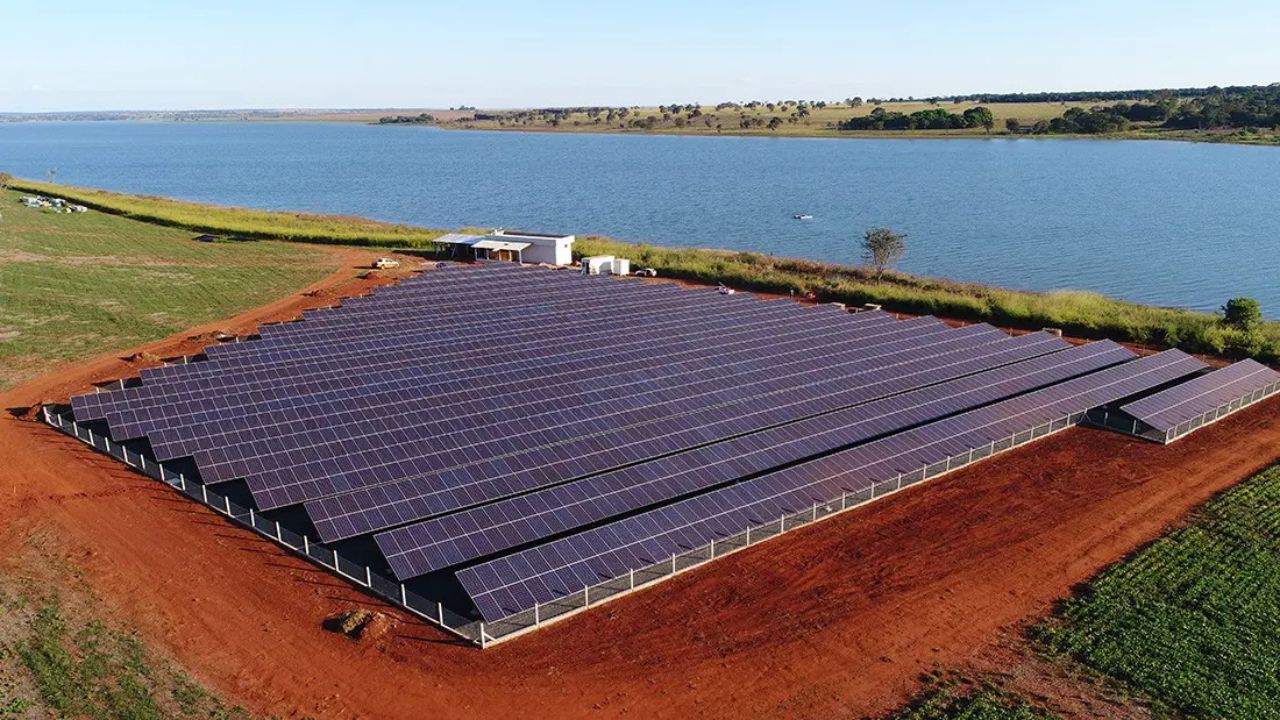
In The Field, The Bet On Clean Energy Becomes More Profitable Than Traditional Crops, Ensuring Income And Stability For Rural Producers In States Like Paraná And Mato Grosso Do Sul.
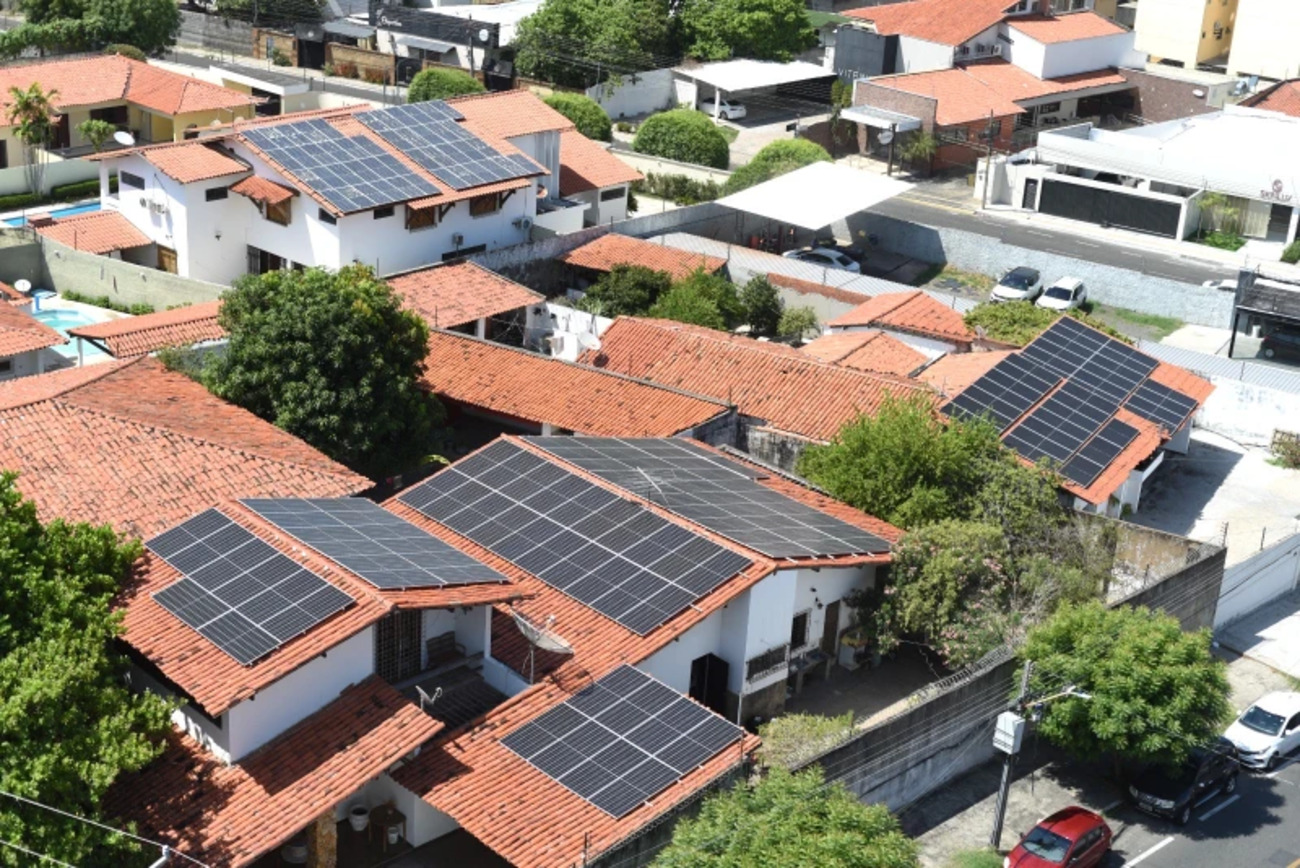
The Brazilian agribusiness discovers a new and profitable crop: solar energy. Rural producers are replacing traditional crops, such as soy and cattle, with the installation of solar panels. This change not only generates a new source of income but also addresses a chronic issue in the field: instability in energy supply. With investments exceeding R$ 15 billion since 2012, the movement gains momentum and turns the agribusiness into a protagonist of the energy transition.
The New “Crop” Of Solar Panels In Paraná
In the northwest of Paraná, rows of photovoltaic panels occupy the space previously dedicated to crops and pastures. Producer Mauro Dias Lima, from Paranavaí, is an example of this transformation. “It’s one more option for income,” he says, who leased part of his land to a solar plant. “Before, we leased it for sugarcane, soy, cassava. Today, we have solar panels producing energy instead of crops.”
The initiative reflects a state trend. Paraná is already the third largest producer of solar energy in Brazil, accounting for 8.7% of national generation, behind only São Paulo (15.5%) and Minas Gerais (12.2%). According to Liciany Ribeiro from Absolar, the northwest of the state stands out due to its favorable climate and proximity to distribution networks. The sector has already generated more than R$ 15.2 billion and created around 99,000 jobs in the region since 2012.
-
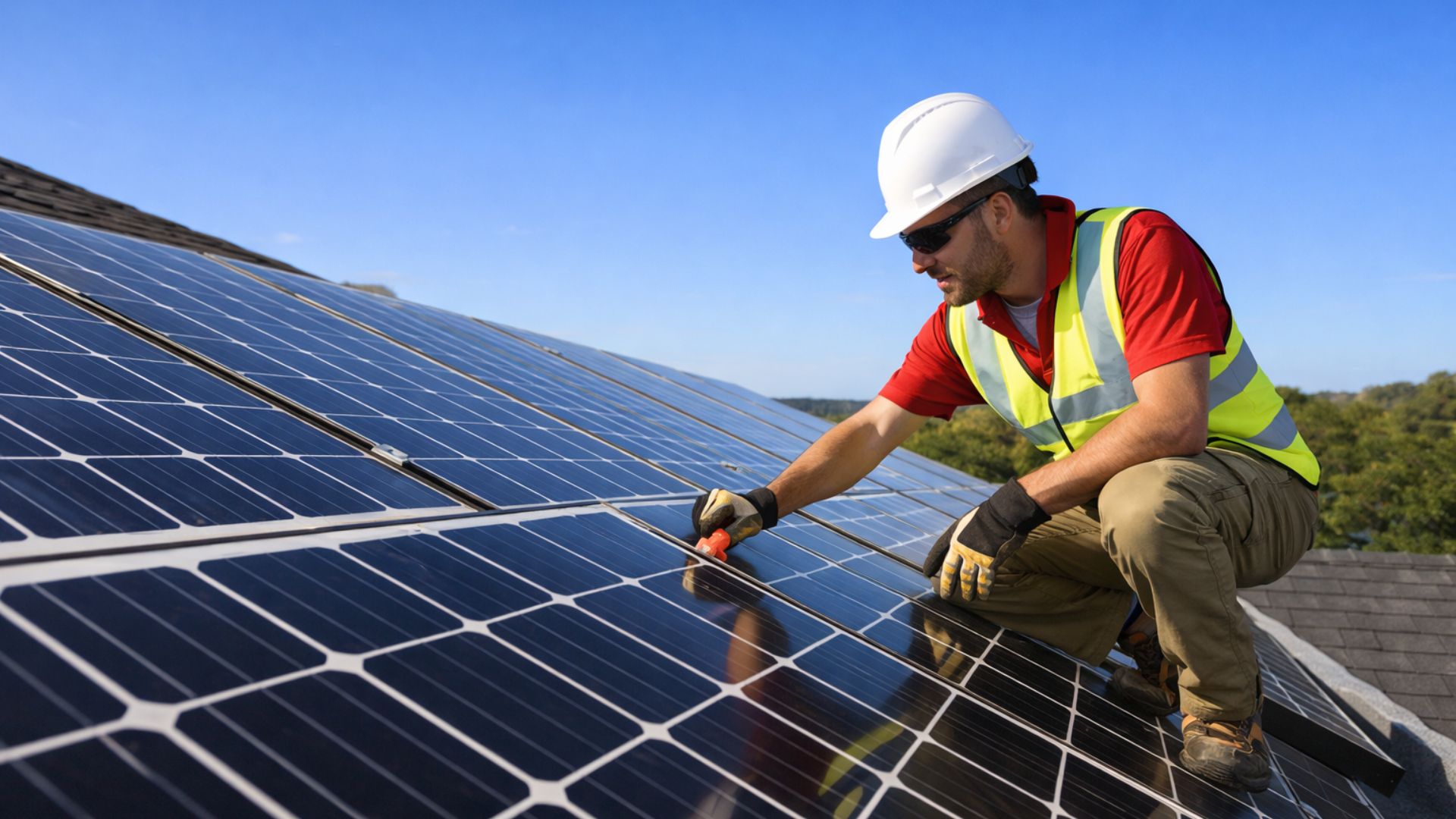
Seagri’s headquarters invests in solar energy with Neoenergia Coelba and promises to cut electricity costs, highlighting a strategic advance in sustainability and energy efficiency within state public administration.
-
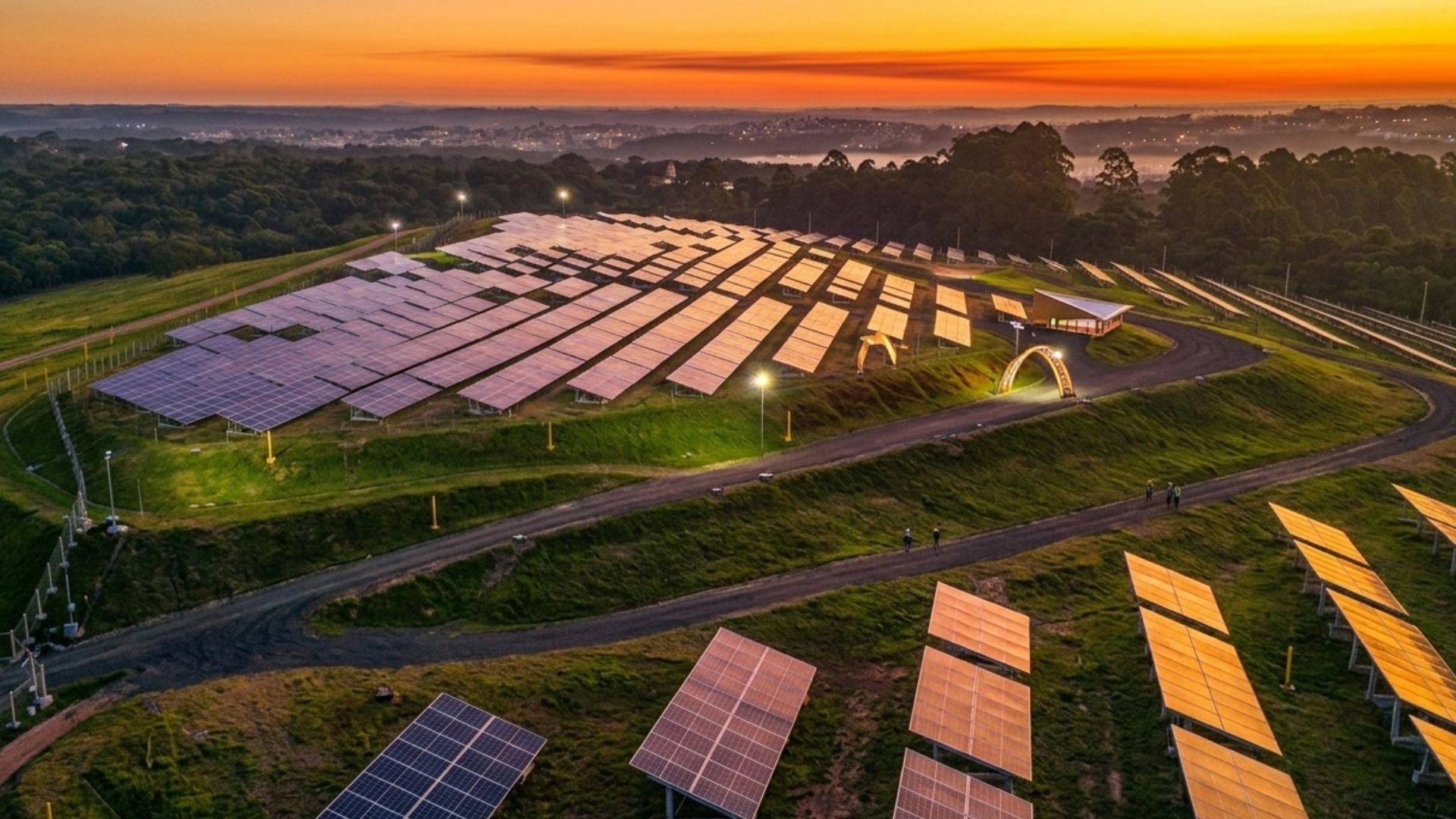
Solar Pyramid draws attention by converting solar energy into million-dollar savings and repositioning the City Hall of Curitiba as an example of innovation, sustainability, and intelligent use of public resources.
-
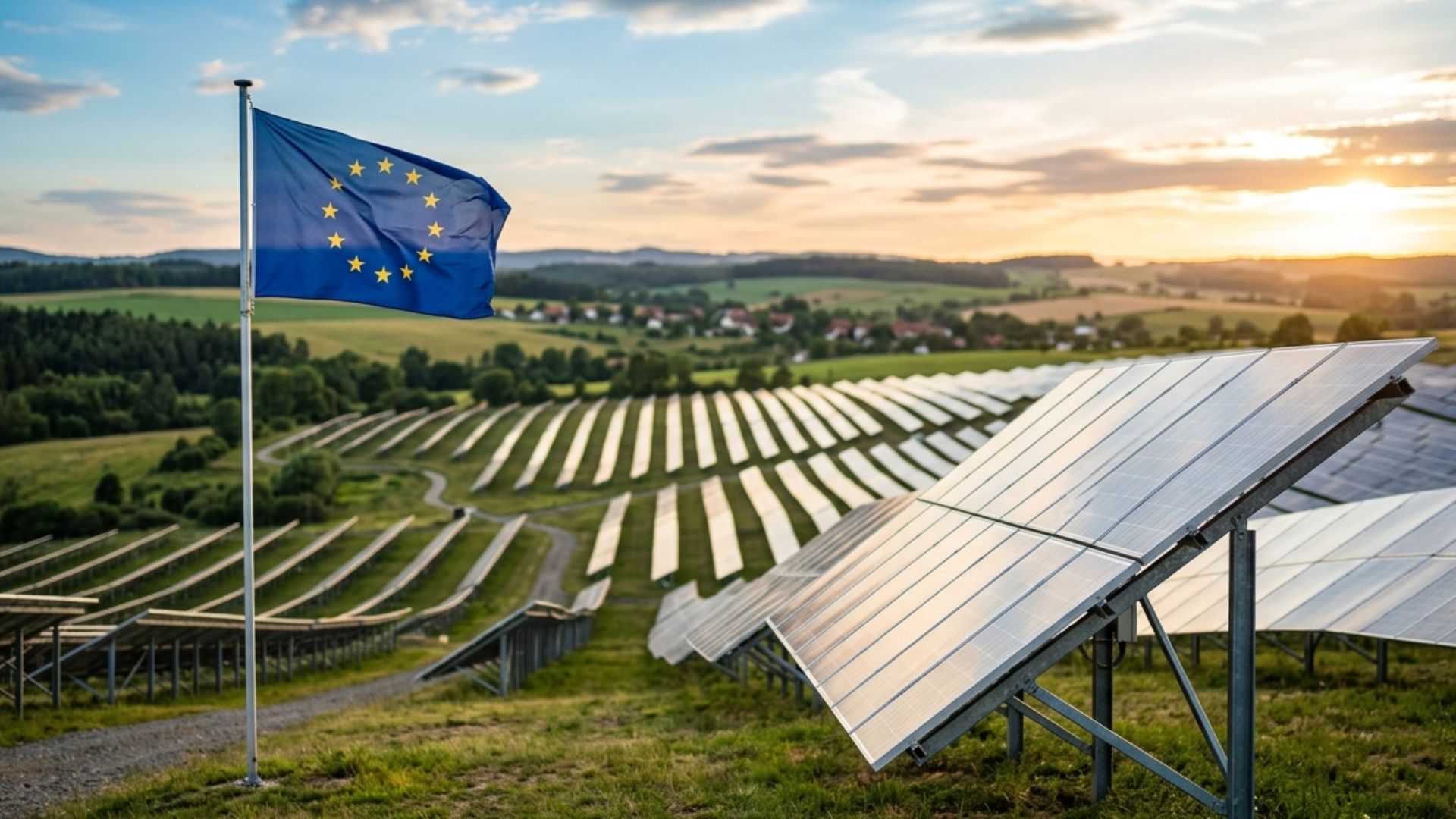
Europe records strong euro economy with solar energy in March and sparks curiosity about which country leads growth that redefines the energy market and reduces costs.
-
Piauí reaches a historic milestone in energy transition: State records nearly 160,000 households powered by solar energy and leads growth in the Northeast.

Agribusiness Leads The Adoption Of Solar Energy
The scenario is similar in Mato Grosso do Sul, which leads the national ranking for the adoption of distributed solar generation. The growth is directly driven by agribusiness. Germano Lima Rodrigues Caires, president of the South Mato Grosso Front for Distributed Generation, explains that producers of milk, pigs, and poultry suffer from fluctuations in the electrical grid. For them, solar energy ensures stability and prevents losses.
In addition to instability, the state has one of the highest electricity tariffs in the country. This factor increases the attractiveness of solar panel systems, especially in rural areas.
The Solution For Energy Stability In The Field
The expansion of solar energy in the field opens the door for new technologies, such as hybrid systems. They combine solar panels, batteries, and special inverters. This technology allows for storing energy generated during the day for use at night or during low generation periods.
“It’s an essential advancement for agribusiness,” explains engineer Marcelo Niendicker. The use of batteries reduces dependence on the public grid and eliminates the need for diesel generators, making operations more sustainable and profitable.
Batteries And Solar Panels Transform The Sector
Brazil follows a global trend in renewable energies, including batteries and solar panels. An example of this is Germany, where energy storage capacity grew 50% in 2024. At The Same Pace, consulting firm Greener estimates that the hybrid inverter market in Brazil will grow between 30% and 40% this year.
The economic viability of this technology has significantly increased. According to the International Energy Agency (IEA), the price of batteries has dropped by 85% in the international market in recent years. The expectation is that the adoption of lithium batteries in the country will grow 30% per year until 2030. Companies like multinational SolaX Power lead this innovation.
From Food Barn To Protagonist Of Clean Energy
According to Compre Rural, for the rural producer, solar energy with hybrid systems is a strategic tool. “Having uninterrupted energy is not a luxury; it’s a necessity for the productive chain of milk, pork, and poultry,” highlights Germano Caires. The technology ensures constant refrigeration and increases productivity.
The Brazilian field is transforming. It is no longer just a food barn but is also becoming an energy barn. The replacement of crops with solar panels symbolizes a new era of innovation, where sustainability generates more income, safety, and prominence for agribusiness in Brazil’s energy future.







Seja o primeiro a reagir!