





 Portuguese
  English
  Spanish
  3 min of reading
  0 comments


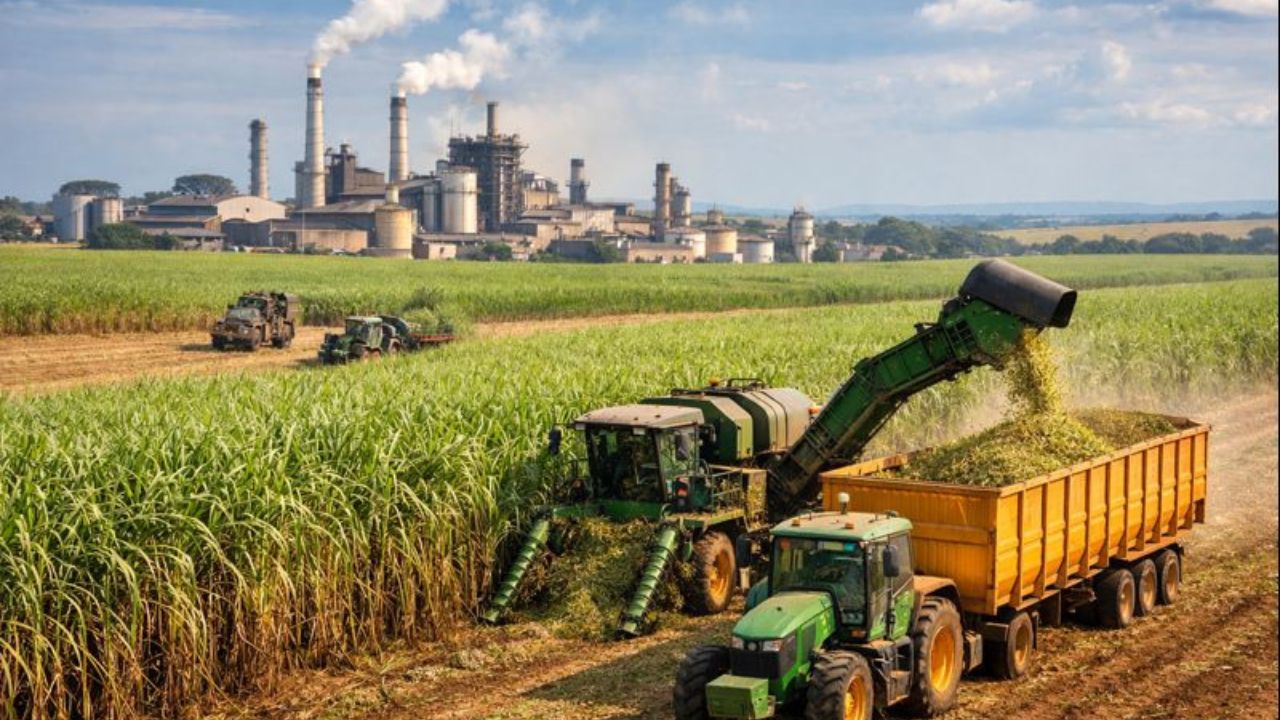
Sugarcane Productivity Grows 26.6% in the South-Central Region in December and Strengthens the Advance of Biofuel in the 2025/26 Harvest.
Sugarcane productivity in the South-Central region of Brazil recorded a strong advance in December, with an increase of 26.6% compared to the previous year, according to data released by the Sugarcane Technology Center (CTC).
The result was observed throughout the 2025/26 harvest, at a crucial moment for planning sugar and biofuel production, especially ethanol.
The growth occurred due to better agronomic conditions and greater efficiency in the field, although the accumulated harvest still presents challenges.
-
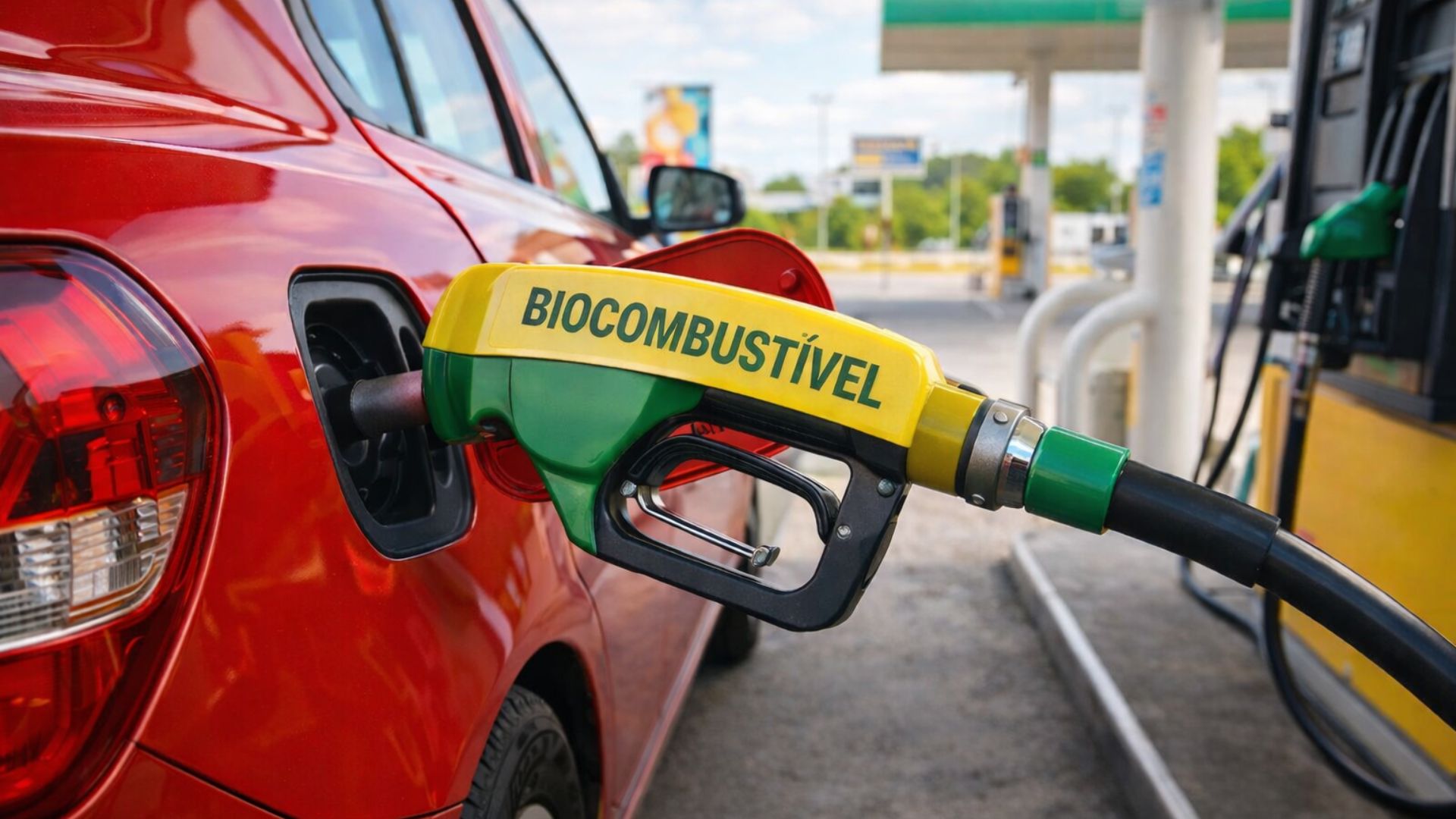
CNPE strengthens policy and prevents imported biodiesel from being mixed with diesel, aiming to strengthen the Brazilian industry and protect jobs by reducing external dependence amid tensions in the global market.
-
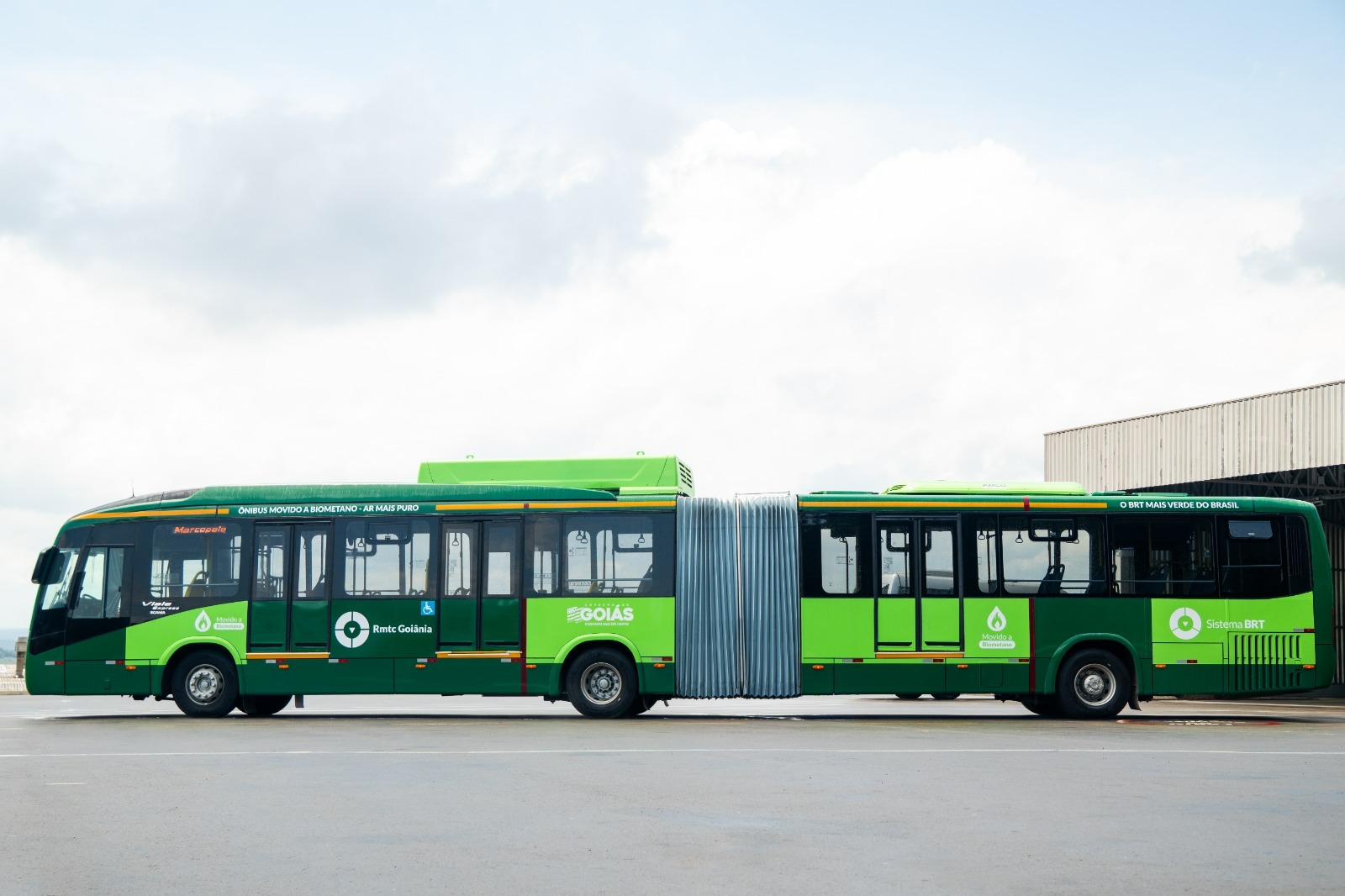
Revolution in public transport: Goiânia puts into circulation the first articulated buses powered by biomethane in Brazil and promises to drastically reduce pollution on the Anhanguera Corridor.
-
From the field to the pipelines: Mato Grosso do Sul accelerates the energy transition and consolidates a new axis in renewable energy with the arrival of a giant biogas plant.

-
The Economist states that Brazil has a “secret weapon” against expensive oil and highlights how the country can reduce economic impacts even in international scenarios of high volatility.

See more: Trump Effect Dominates Davos 2026 and Deepens Cracks in the Global Economy
Monthly Productivity Surprises in the South-Central Region
According to the De Olho na Safra bulletin, prepared by the CTC based on benchmarking data, the average productivity of sugarcane in December reached 73.4 tons per hectare.
In the same month of the previous cycle, the yield was 58 t/ha.
This performance represents a significant leap and indicates a point recovery of the field in the South-Central region, the country’s main sugar-energy hub.
In addition, the advance helps to partially offset the losses recorded in previous months of the harvest.
See more: Ports of Paraná Move Billions and Become an Economic Engine in 2025
Sugarcane Quality Also Shows Improvement
Another highlight of the survey is the evolution in the quality of the raw material. The Total Recoverable Sugar (ATR) content, an essential indicator for industrial profitability, rose from 104.4 kg per ton to 117.9 kg per ton in December.
This growth of 12.9% reinforces the combined gain of productivity and quality, decisive factors for the performance of the mills, especially in a scenario of greater direction of sugarcane for biofuel production.
Harvest Still Accumulates Decline in Average Yield
Despite the good monthly result, the accumulated 2025/26 harvest, between April and December, shows a retraction.
According to the CTC, the average productivity in the period was 74.7 t/ha, a decrease of 4.6% compared to 78.3 t/ha observed in the same interval of the previous cycle.
The accumulated ATR also showed a slight decrease, falling from 137.3 kg/t to 135.9 kg/t, a reduction of 0.9%.
The data indicates that, although December was positive, the sector still faces the effects of irregular weather and operational limitations throughout the harvest.
Crushing Falls with Advancement of End of Mills
Research by the Union of the Sugar Cane Industry and Bioenergy (Unica) shows that the units in the South-Central region processed 5.920 million tons of sugarcane in the first half of December.
The volume is 32.83% lower than that recorded in the same period of the 2024/25 harvest.
In the first half of the month, only 90 units were in operation, compared to 127 in the same period of the previous cycle.
By December 16, 208 mills had already closed operations, while another 36 signaled the end of crushing in the second half of the month.
Sugar Production Falls with Focus on Ethanol
The lower crushing directly impacted sugar production. In the first half of December, the volume produced totaled 254.24 thousand tons, a drop of 28.66% year-on-year.
This movement reflects a strategic shift by the mills. The proportion of sugarcane destined for sugar fell from 36.28% to 31.47%, highlighting a greater direction of the raw material towards ethanol production.
Biofuel Gains Space at the End of the Harvest
With strong demand and more attractive margins, biofuel continues to gain prominence in the South-Central region.
The productivity growth in December reinforces this trend, by providing higher quality raw material precisely when the sector adjusts its production mix.
Thus, although the accumulated harvest still shows more contained numbers, the recent performance of sugarcane productivity indicates a positive signal for the closing of the cycle and for planning the next agricultural year.










Seja o primeiro a reagir!