





 Português
  Inglês
  Espanhol
  4 min de leitura
  0 comentários



Water Use in Agriculture Will Have a New Fee and May Cost R$ 250 Thousand per Year. The choice for water use in agriculture will have a new fee already worries producers in Piauí and may compromise the viability of small and medium farms.
The water use in agriculture will have a new fee starting in May 2025, according to Resolution No. 02/2025 of the State Council on Water Resources (CERH). The measure affects all rural producers who use surface or groundwater collection in Piauí. Although presented as a low initial charge, sector entities warn that the change could generate accumulated costs of up to R$ 250 thousand annually for medium and small farms.
Representatives of Aprosoja Piauí claim that the water use in agriculture will have a new fee is a concerning milestone for agricultural competitiveness, as it creates more bureaucracy for licensing and burdens properties that already face high expenses with electricity, well drilling, and maintenance.
What Changes with the New Charge
The water use in agriculture will have a new fee affects any form of extraction, whether from rivers, lakes, or underground wells. The payment will be directly linked to the issuance or renewal of permits and authorizations. Producers who do not install water meters will be charged for the authorized volume, even if they consume less, which may create distortions and unnecessarily increase costs.
-
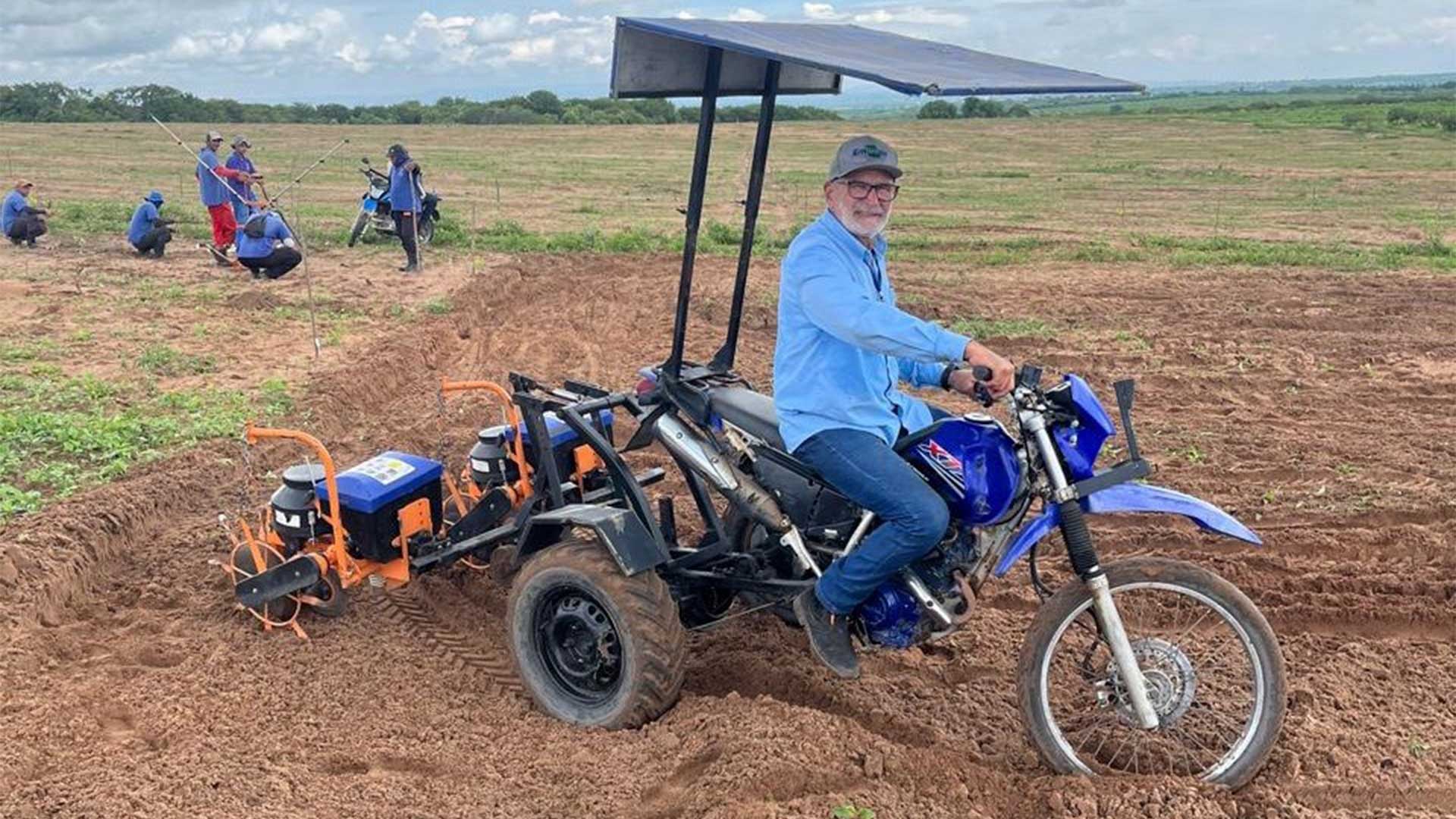
With tractors out of reach for small producers, a tricycle created by Embrapa Algodão becomes a cheap and efficient solution and gains national prominence.
-
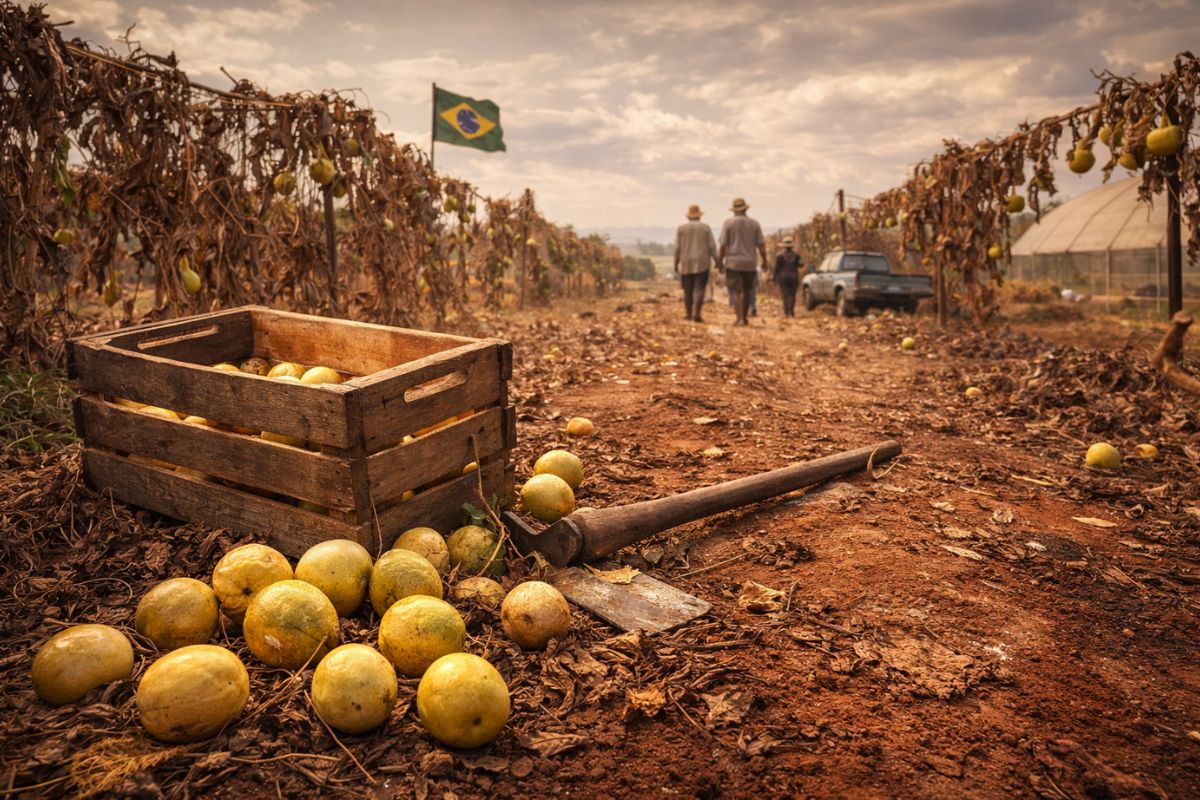
From 130 producers in the year 2000 to just 15 today: the dramatic decline of passion fruit in Araguari shows how the lack of labor in the Brazilian countryside is killing a decades-old agricultural tradition, even with Brazil being the largest producer in the world.
-
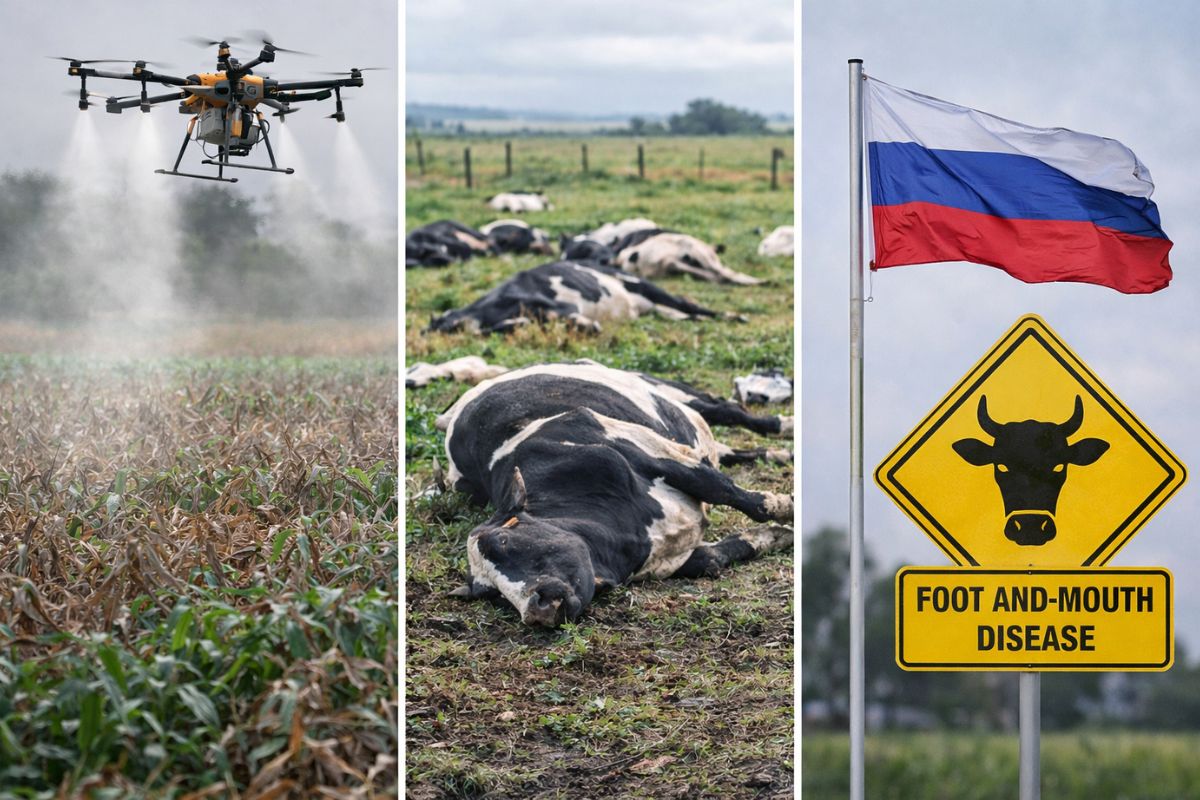
Agricultural drone sprayed poison into the air and destroyed the neighbor’s crops, causing 1 million in damages; 48 cows died from nitrite poisoning in the pasture, and Russia is hiding a possible outbreak of foot-and-mouth disease: the week was brutal for the rural sector.
-
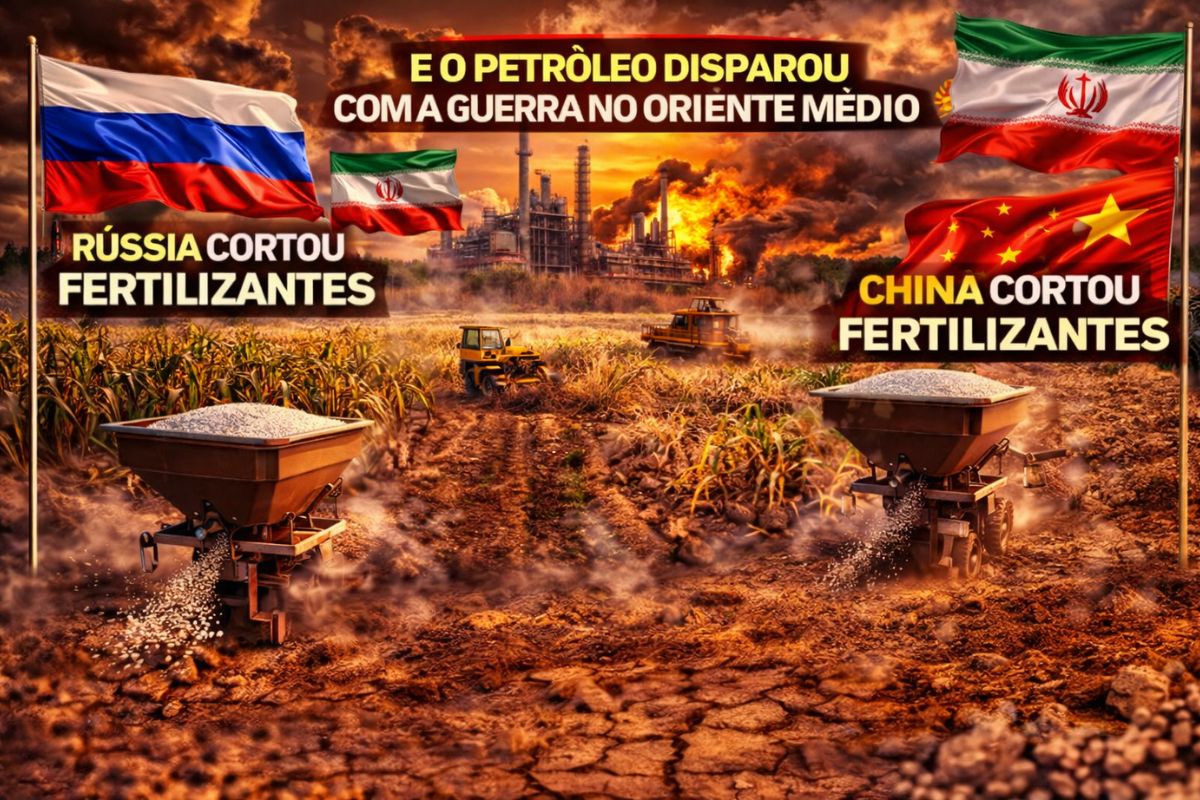
Russia cut fertilizers, China cut fertilizers, and oil prices soared with the war in the Middle East: sugarcane producers in the interior of São Paulo are seeing costs explode from all sides and warn that the effects will take months to be absorbed.

According to Aprosoja, the charge is not voluntary but mandatory in the bureaucratic process of operation. This means that even those who consume little will have to bear the fee to keep their activities regular in the field.
How Much Producers Can Pay
Simulations presented by Aprosoja show that the water use in agriculture will have a new fee can directly impact producers’ cash flow. An average producer, who consumes about 1,000 m³/day, will have an additional cost of R$ 1,500 monthly. In irrigated areas, the estimated impact is R$ 25 per hectare/year.
In properties of 10 thousand hectares, the annual amount can reach R$ 250 thousand just with the new fee. This amount adds to already high costs with electricity and well drilling, which range from R$ 800 thousand to over R$ 1 million in the savannah.
History of Tax Increases in Piauí
The water use in agriculture will have a new fee is not an isolated case. In recent years, the productive sector in Piauí has already faced increases in taxes and the creation of new charges:
- Three increases in ICMS, from 17% to 22.5%;
- Creation of the Infrastructure and Logistics Development Fund (FDI), with a contribution of 1.2% on grain production;
- Charge for the crop registration fee (DAP) per hectare.
This history reinforces the fear that the measure may be expanded in the future, increasing the burden on production costs.
Risk for Irrigation Investments
Irrigation is considered one of the main strategies to expand agricultural production in Piauí. However, sector leaders state that the water use in agriculture will have a new fee may discourage new projects.
For Janailton Fritzen, president of Aprosoja Piauí, irrigation is still small in the state, but has enormous growth potential. He warns that the charge creates insecurity for investments, potentially limiting income generation and job creation.
Who Will Be Exempt from the New Fee
Not everyone will be affected by the water use in agriculture will have a new fee. The resolution establishes exemptions for:
- Small family farming groups that use up to 1,000 liters/hour for up to 8 hours a day;
- Settlers from land reform;
- Individuals registered in CadÚnico;
- Traditional communities.
These exceptions aim to reduce the impact on farmers in greater vulnerability situations, but do not alleviate the burden on medium and large producers, who account for the bulk of grain production in the state.
Concern for the Future
Although the initial amount is considered manageable, sector entities warn that the water use in agriculture will have a new fee sets a precedent for future increases. A similar situation has already occurred with ICMS and other charges, which started at low levels and then advanced significantly.
For experts, the lack of comprehensive debate and guarantees of stability may compromise the trust of rural producers. Without predictability, irrigation projects and agricultural expansion may be shelved, hindering regional development.
The water use in agriculture will have a new fee represents a turning point for agricultural practices in Piauí. While the government advocates for sustainability in water management, producers warn that the measure may jeopardize small and medium businesses, reduce investments, and stifle the growth of a strategic sector for the state.
Do you agree with this charge? Do you think that water use should have a fee or that this discourages production? Leave your opinion in the comments — we want to hear from those who live this reality in the field.









-

-

-

-

-

24 pessoas reagiram a isso.