





 Portuguese
  English
  Spanish
  4 min of reading
  0 comments


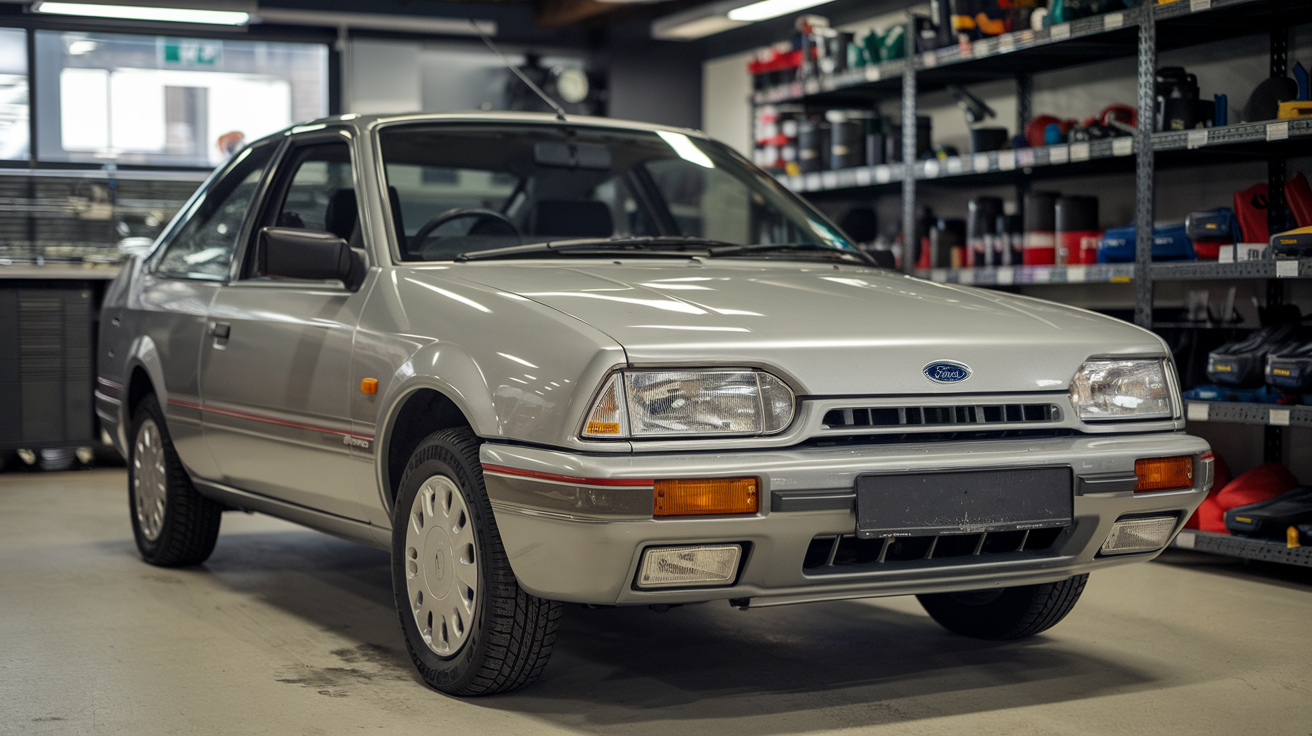
A Brazilian Teacher Drove Over 1 Million Km With a 1990 Ford Verona, Documenting Every Detail. The Feat Impressed Even Ford, Which Recognized the Achievement. The Secret? Strict Maintenance and Planning!
Is it possible for a car made in 1990 to drive over 1 million kilometers without losing steam? A Brazilian engineer proved that it is!
The incredible journey of Creso Peixoto and his Ford Verona GLX 1.8 not only tested the limits of durability of a vehicle but also shocked Ford, which recognized the feat as a demonstration of automotive resilience.
What he learned over 27 years could transform the way we think about car maintenance and longevity.
-
Italian researchers have detected what appears to be a second Sphinx buried under the sands of Egypt, and satellite scans reveal a gigantic underground megastructure hidden beneath the Giza Plateau for over 3,000 years.

-
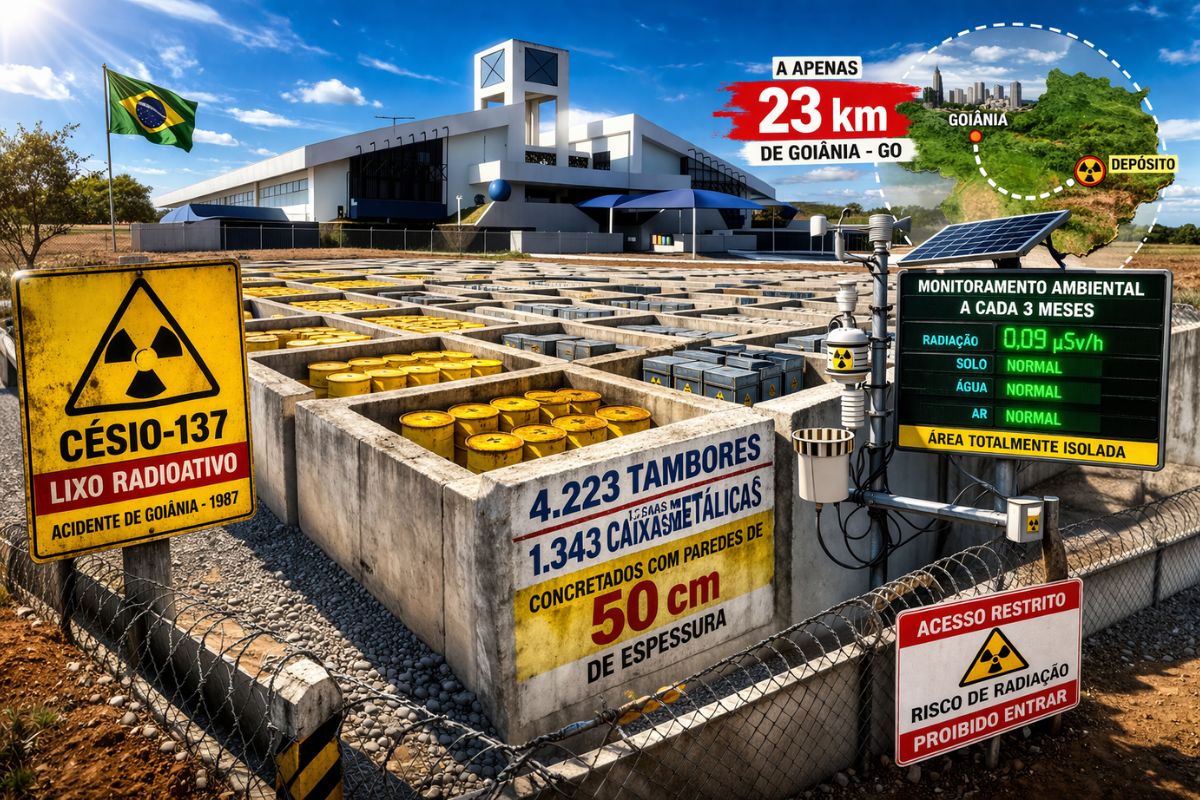
There are 4,223 drums and 1,343 metal boxes concreted with 50-centimeter walls that store the radioactive waste from Cesium-137 in the worst radiological accident in Brazil, just 23 kilometers from Goiânia, with environmental monitoring every three months.
-
Giant Roman treasure found at the bottom of Lake Neuchâtel in Switzerland reveals an advanced trade system, circulation of goods, and armed escort in the Roman Empire about two thousand years ago.

-
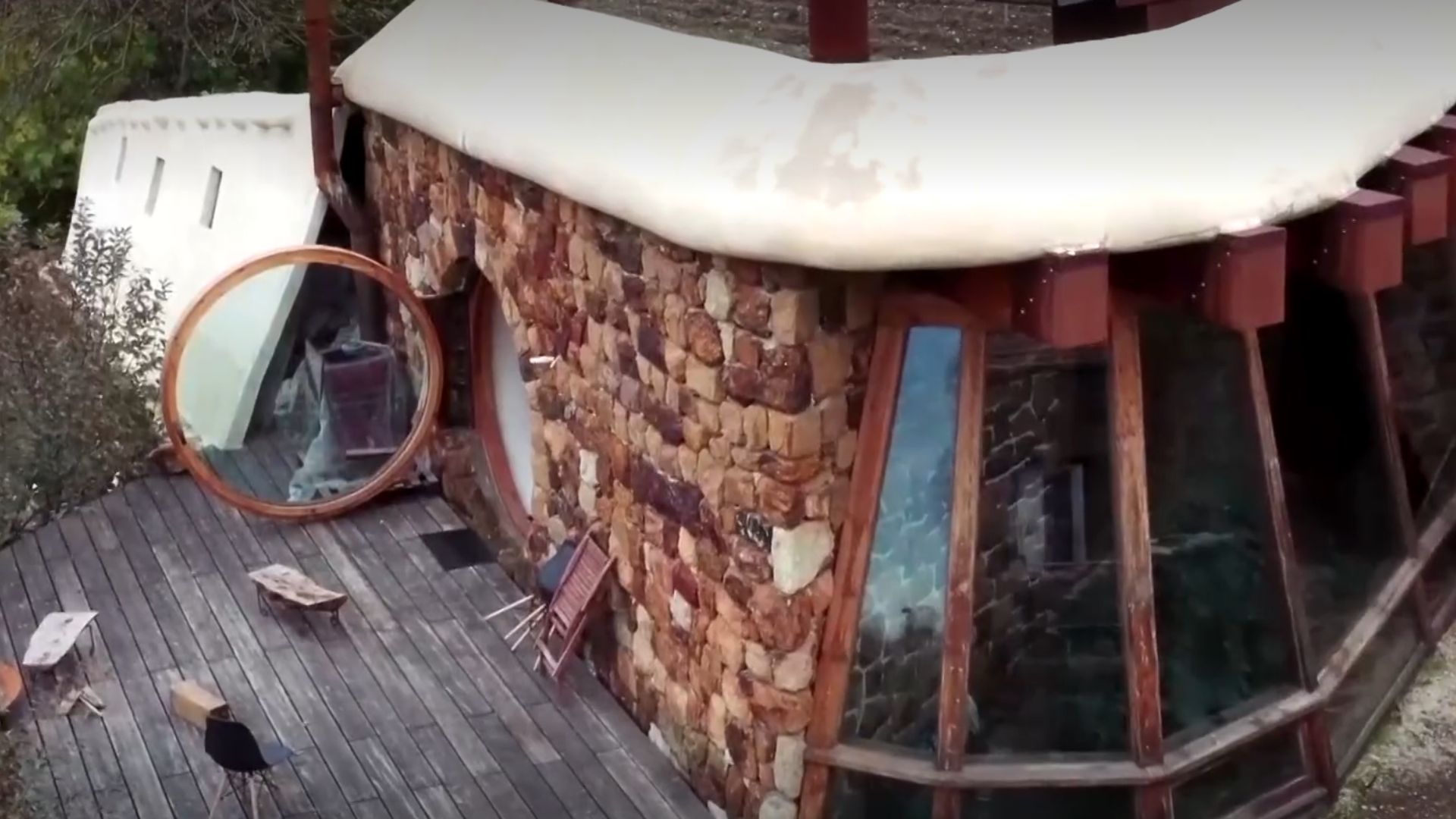
He buried 1,200 old tires in the walls to build his own self-sufficient house in the mountains with glass bottles, rainwater, and an integrated greenhouse.

The Story Behind the Challenge
Creso acquired the Verona in 1992, with only 18 thousand kilometers on it, and decided that it would not be just another car in his garage.
The ambitious goal was to drive 1 million kilometers with the vehicle, documenting every detail of the experience.
The Verona, which has already covered 1,077,948 km, is now retired, but not without teaching valuable lessons about durability and cost-effectiveness.
Throughout this period, the teacher recorded all usage data in detailed spreadsheets, from fuel costs to maintenance expenses.
For him, the Verona was more than just a means of transportation: it became a lab on wheels.
Impressive Cost-Effectiveness
The numbers are mind-blowing. The cost per kilometer driven was calculated at only US$ 0.14 (approximately R$ 0.72).
Over the years, Creso spent around R$ 810 thousand (US$ 140 thousand) on the car, including fuel, maintenance, and replacement parts.
Among the expenses, highlights include the consumption of 100 thousand liters of ethanol, 235 liters of lubricating oil, and 46 tire changes.
Even after two engine overhauls – performed at 247 thousand km and 531 thousand km – the original engine, a product of the Autolatina partnership between Ford and Volkswagen, remained functional until the end of the journey.
“It was worth it because the goal was to understand if the costs would explode. I found out that, with good maintenance, that does not happen. The spending curve stabilizes,” explains Creso.

The Secret to Durability
Caring maintenance and planning were Creso’s main allies. He drove, on average, 4 thousand kilometers per month, with 90% of that distance on highways, which reduces vehicle wear.
The engineer also performed regular preventive checks, prioritizing original parts and avoiding savings that could compromise the car’s lifespan.
For him, the success of the venture is also a lesson on how well-maintained cars can compete in durability and economy with modern models.
Recognition from Ford
In 2019, the story caught the attention of Ford itself. Lyle Watters, then president of Ford South America, invited Creso to the company’s headquarters in São Paulo and presented him with a commemorative plaque for the achievement.
For the automaker, the professor’s achievement was a living proof of the Verona’s quality and the engineering of that time.
Creso says that this recognition was one of the high points of the journey. “It was emotional to see my work and dedication being valued by those who created the car.”
Comparison with Modernity
Currently, the engineer is conducting an experiment with his wife’s Hyundai HB20S 2014, seeking to compare the maintenance cost and fuel consumption with the Verona’s data.
The goal now is to reach 300 thousand kilometers with the HB20S, analyzing how modern technologies impact ownership costs.
Preliminary results show that, despite advances in efficiency and safety, the Verona still stands out in cost-effectiveness, especially at high mileages.
Examples of Resilience Around the World
Creso’s journey places the Verona among cars with impressive mileage, but there are other notable examples.
The world record belongs to the 1966 Volvo P1800, which drove over 5 million kilometers with Irv Gordon, a retired teacher from the United States.
Another highlight is the Mercedes-Benz 200D W115, which covered 4.6 million kilometers as a taxi in Greece.
Even electric cars are entering the fray. The German Hansjörg von Gemmingen logged nearly 2 million kilometers with his Tesla Model S P85 until April 2024, highlighting the durability of electric vehicles.
The Future of the Verona
Despite all the success, Creso is considering retiring it for good. He emphasizes that, although the cost-effectiveness is evident, the lack of modern safety features, such as airbags and collision protection systems, weighs in on the decision.
“Technology advances, and that makes us question how far it’s worth insisting. Comfort and safety also need to be taken into account,” he reflects.
Now, he wonders: is it worth continuing to insist on old cars, or is it time to embrace technological innovations?








Seja o primeiro a reagir!