





 English
  Francês
  Alemão
  Italiano
  Japonês
  Norueguês
  Portuguese
  Spanish
  4 min of reading


Access To Sustainable Energy Is Being Achieved In Brazil, Other South American Countries, And Beyond In Africa, Middle East, And Southeast Asia
To expand access to and universal distribution of electricity in a modern and sustainable way, Schneider Electric, a global leader in digital transformation, energy management, and automation, has strengthened its Energy Access program. With this, the company expects to empower more than 1 million economically and socially vulnerable people in the energy sector by 2025. In addition, it aims to support 10,000 low-income entrepreneurs working in this segment and to provide access to renewable energy for more than 50 million people globally.
Read Also
- Bricklayer, Watchman, Painter, General Services Assistant, Driver, and More PWD Professionals With Elementary Education Are Called For Job Vacancies On This Day (07/26) By An Engineering Company
- Multinational Offers Hundreds Of Job Vacancies For Candidates Without Experience From São Paulo, Rio de Janeiro, Minas Gerais, Pernambuco, And Paraíba Who Want To Enter The Technology Career
- The Powerful Brazilian Ethanol Market Becomes A Wild Card For The Industry At A Turning Point For Vehicle Electrification
- Brazil Gains The First And Largest Graphene Production Plant In South America, Able To Produce Up To 5,000 Kg Per Year That Along With Niobium Will Revolutionize The Fate Of Humanity
- SENAI Has 18,800 Openings In Technical Training And Professional Development Courses In Both In-Person And Distance Learning Formats (EAD)
In the short term, for 2022, the goal is to develop partnerships with small entrepreneurs and technical education institutions, mainly in the regions of the Legal Amazon and the Northeast, so that the organization’s solar energy products reach those in need and help develop qualified labor.
Watch The Video Below And Discover Why Our Innovative Solutions Are So Robust And Sustainable
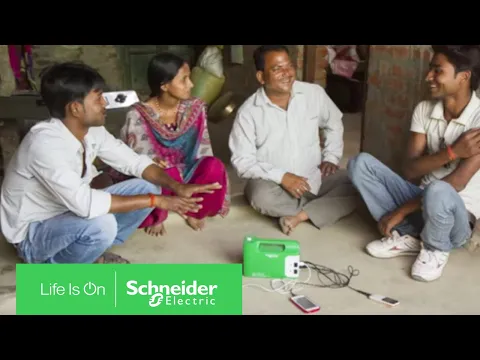

759 Million People In The World Do Not Have Access To Electricity
“Sustainable and modern electricity is essential for improving people’s quality of life and health conditions, but it is also a key factor in promoting economic development because it leverages access to education, increases the productivity of entrepreneurs and farmers, and their respective incomes, contributes to health and quality of life improvements, and facilitates the transition to renewable energy,” says João Carlos Salgueiro de Souza, Senior Sustainability Manager for Schneider in South America.
-
With 160,000 m² of collectors, an area larger than 20 football fields, Silkeborg, in Denmark, hosts a solar thermal plant that heats 19,500 homes and could become the largest solar heating plant in the world.

-
A study reveals the expansion of renewable energy procurement in Brazil and shows how companies are taking advantage of opportunities to reduce expenses, ensure energy efficiency, and strengthen strategic environmental commitments.

-
Mato Grosso do Sul excels in the sugar-energy sector: the state reaches a milestone of 22 operating mills and accelerates the production of clean energy in MS with a focus on sustainability.

-
National energy dilemma: Brazilians support clean energy but reject increases in tariff costs to finance the sustainable transition.
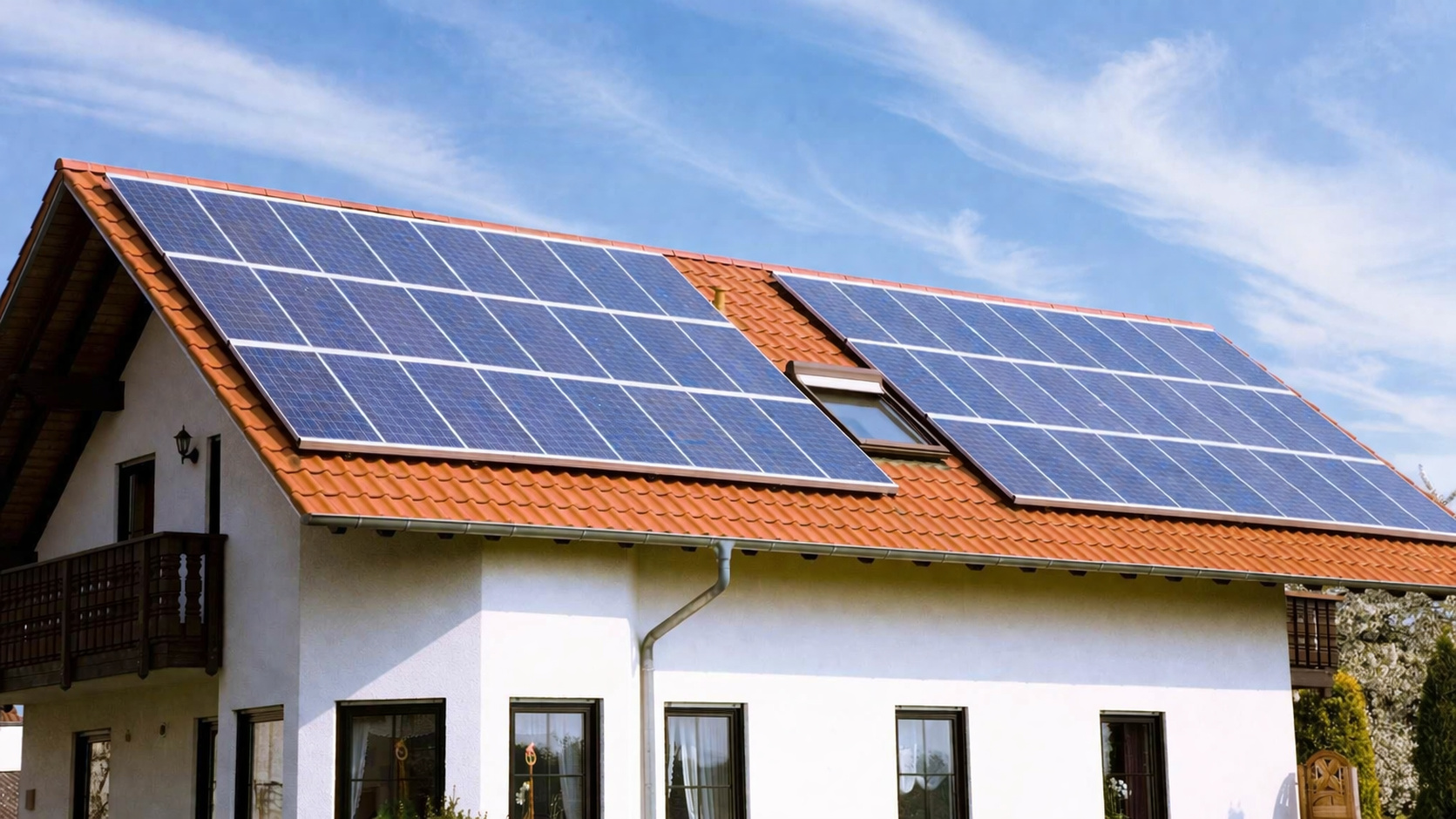

According to data from the study Tracking SDG 7: The Energy Progress Report (2021) — conducted by the International Energy Agency (IEA), International Renewable Energy Agency (IRENA), United Nations Department of Economic and Social Affairs (UN DESA), World Bank, and World Health Organization (WHO) — currently, there are 759 million people in the world without access to electricity, including 990,103 from the Legal Amazon, according to the Energy and Environment Institute (IEMA). In Brazil alone, according to data from the last demographic census by the Brazilian Institute of Geography and Statistics (IBGE), this number exceeded two million individuals.
Schneider’s initiative has existed since 2009 and covers regions of Africa, the Middle East, Southeast Asia, and South America. The program combines three complementary dimensions:
Schneider Electric Offered Free Electricity Training In Partnership With SENAI To Underprivileged People Across Brazil
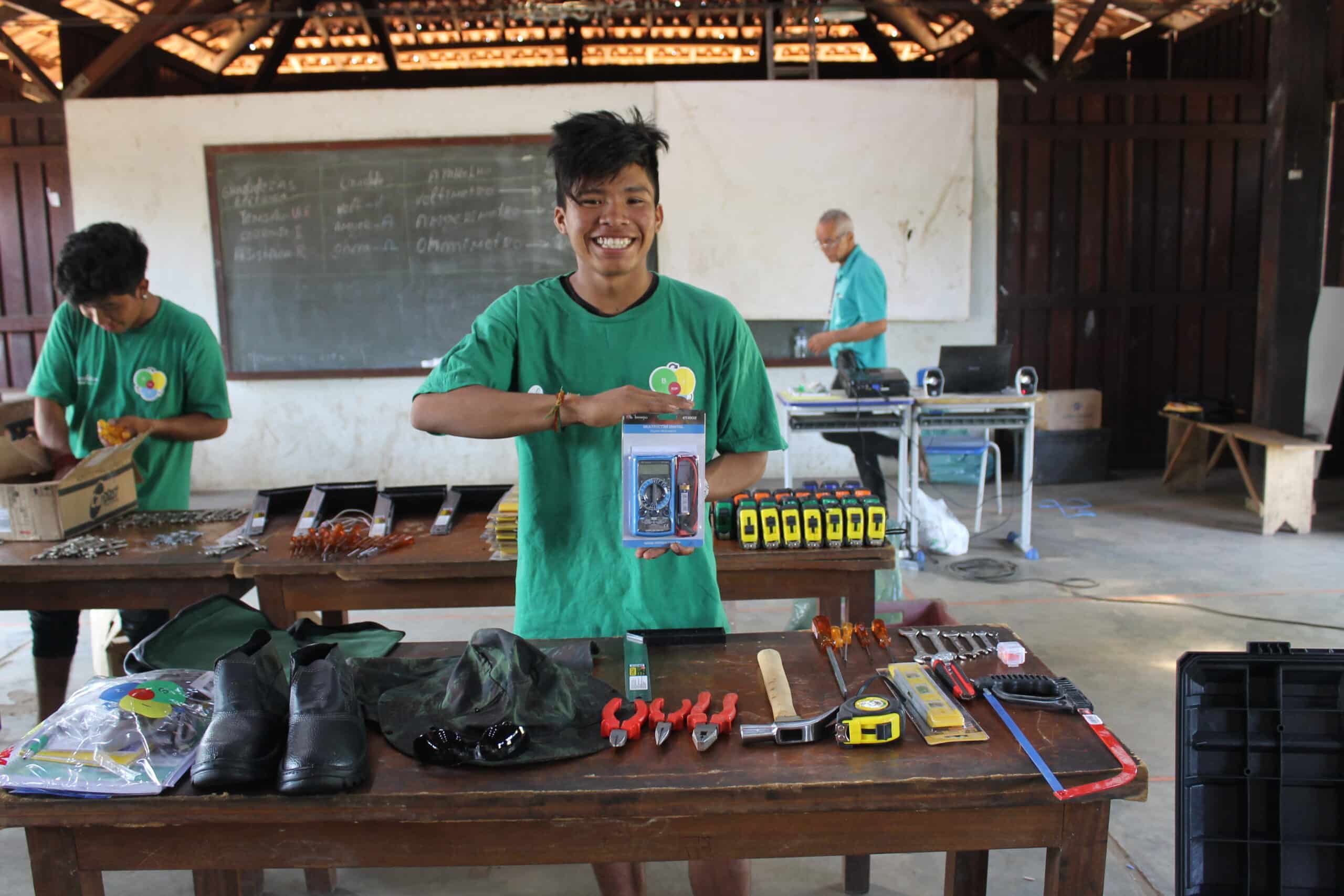
>The goal is to develop skills in the energy sector and support entrepreneurs in this area, particularly women, as a necessary condition for creating an energy value chain and sustainable and inclusive local development. In 2009, the company partnered with SENAI (National Service for Industrial Learning) to offer free training on electricity to underprivileged people throughout the country through the course “Introduction To Basic Residential Electricity.” In total, more than a thousand people from 14 states participated in the course in the first year. The course was expanded in 2010, and to date, more than 30,000 students have been trained with the institution and other partners.
The initiative aims to ensure collective and individual rural electrification through quality products, such as solar lanterns, home solar systems, water pumping solar systems, and microgrid solutions. This allows for contributing to job creation related to the distribution of products, energy services, agriculture, among others. Launched in 2012 in Brazil, the initiative originated from a public-private partnership between Schneider Electric and the Amazonas Sustainable Foundation, SENAI, and CONIM, which installed photovoltaic systems in riverside communities in the Amazon that were suffering from a lack of energy. Since then, a series of electrification projects, water access initiatives, and donations and sales of portable solar lighting solutions have been carried out in traditional communities, mainly located in northern Brazil.
Schneider Electric Supports Small And Medium Enterprises That Develop Innovative Solutions For Energy Access
To impact energy access and further support local economies and businesses working towards this cause, as well as reforestation, solidarity or impact investment funds for energy access or carbon have been created and mobilized in Africa and Southeast Asia. They are:
Schneider Electric Energy Access Fund (SEEA) – supports small and medium enterprises that develop innovative solutions for energy access;
Energy Access Ventures Fund (EAV) – invests €60 million to transform communities across Africa and stimulate economic development through energy access solutions.
Scope Of The Energy Access Program
Since its launch, the global sustainability objectives program has empowered 287,737 people in the energy sector, supported more than 900 entrepreneurs, and granted access to energy to more than 27 million people thanks to Schneider Electric’s products and solutions.
“The purpose of Schneider is to maximize the use of our energy and resources, ensuring progress and sustainability for all. We call this Life is On. We believe that access to energy and digital technology is a basic human right. This program was our way of sharing our knowledge to contribute positively to society and the environment,” concludes Salgueiro.








Seja o primeiro a reagir!