





 Portuguese
  English
  Spanish
  5 min of reading
  0 comments


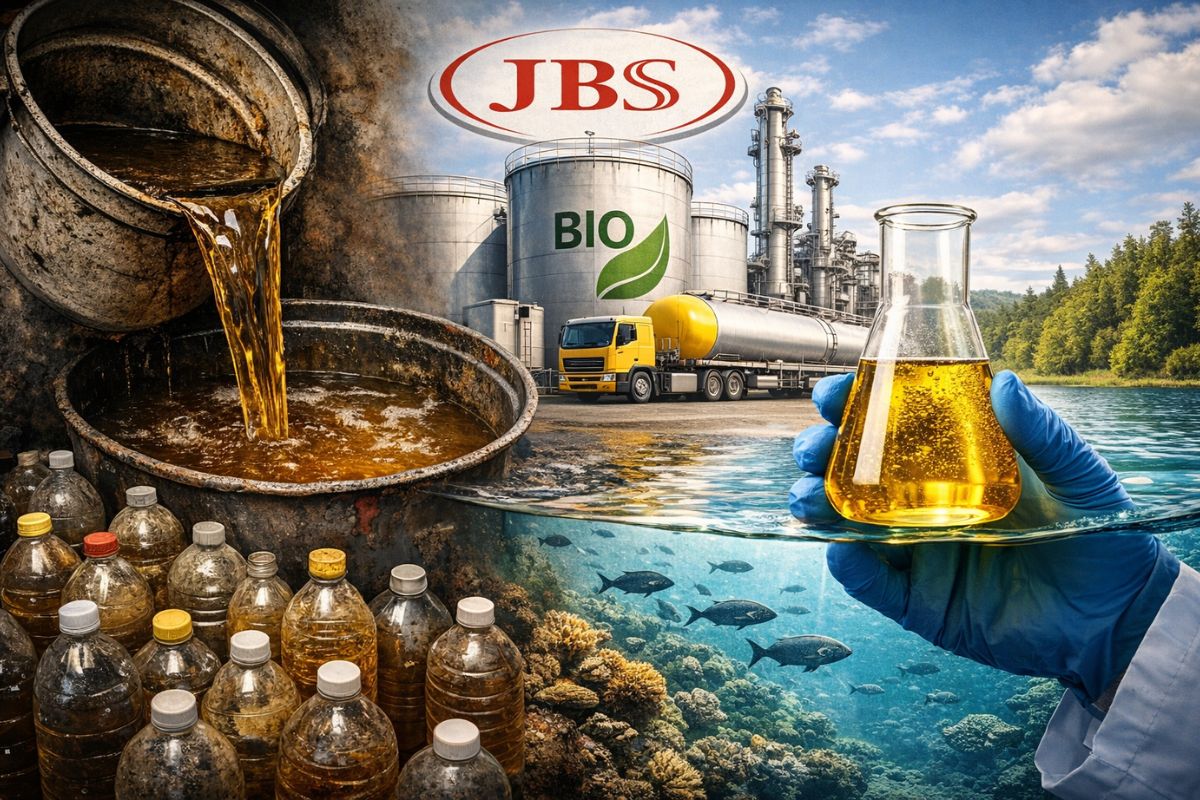
JBS Expands Circular Economy Strategy by Collecting Used Cooking Oil in Hundreds of Municipalities and Converting It into Biodiesel Through Biopower, Preventing the Contamination of Approximately 1 Trillion Liters of Water and Strengthening Renewable Energy Production in Brazilian Agribusiness.
JBS Established a Significant Milestone in Waste Management and Renewable Energy Production by Transforming 50 Million Liters of Used Cooking Oil into Biodiesel Through the Óleo Amigo Program. According to the Compre Rural portal, the volume collected over a decade represents not only a logistical advancement but also a measurable environmental impact by preventing approximately 1 trillion liters of water from being contaminated.
The initiative connects urban collection, reverse logistics, and energy production within a circular economy model. By Converting Household Waste into Renewable Fuel, JBS Creates a Cycle that Reduces Pollution, Generates Economic Value, and Expands the Role of Biofuels in Brazilian Agribusiness.
How JBS Transformed Cooking Oil into Biodiesel and Reduced Environmental Impacts
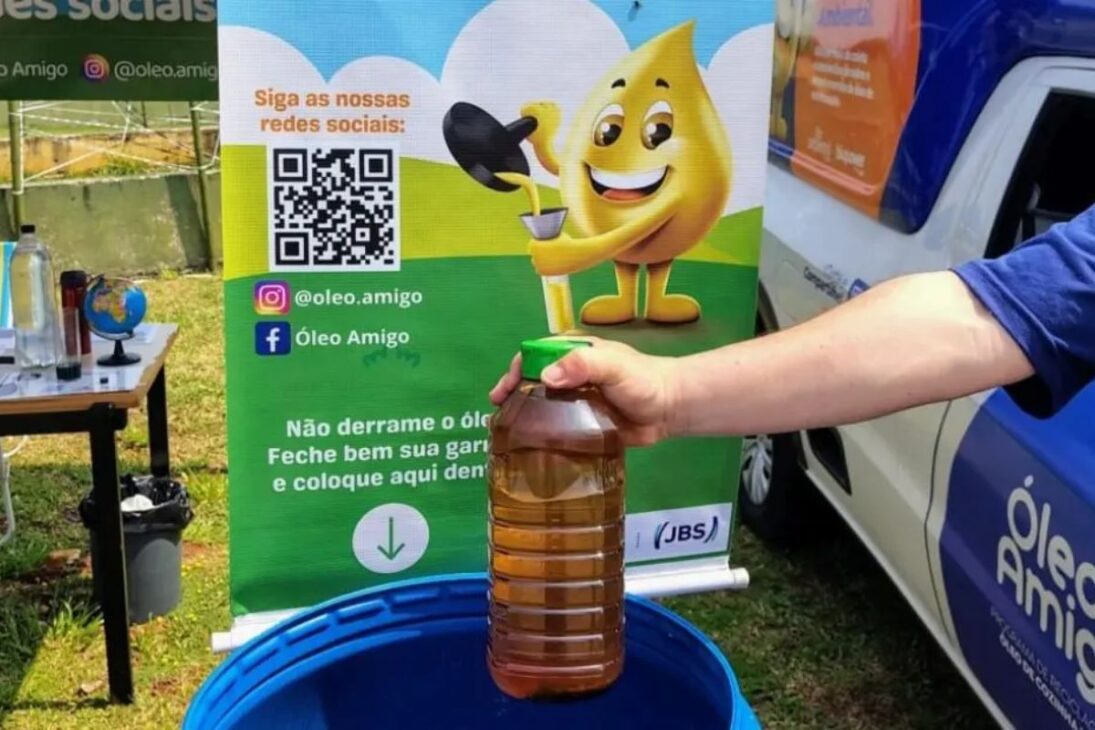
The Óleo Amigo program operates on a simple principle: waste that would normally be discarded improperly is treated as energy raw material. Used cooking oil, collected from restaurants, businesses, condominiums, and institutions, is directed to Biopower’s operations, a JBS division specialized in renewable energy.
-
Unable to pass through Hormuz, Brazil activated a plan B that uses Turkey as a gateway to the Middle East: the route through Gibraltar and the Mediterranean is longer and more expensive but ensures that chicken, beef, and corn continue to reach Arab markets.

-
You grew up hearing that the good coffee from Brazil goes all abroad and the bad coffee stays for Brazilians, but this story has completely changed, and the numbers show that in the 1980s, thirty percent of the coffee sold here was adulterated with corn and barley.
-
Engineer creates reforestation method that transforms small plots into dense forests in a few years using local biomass and can reduce environmental recovery costs.
-
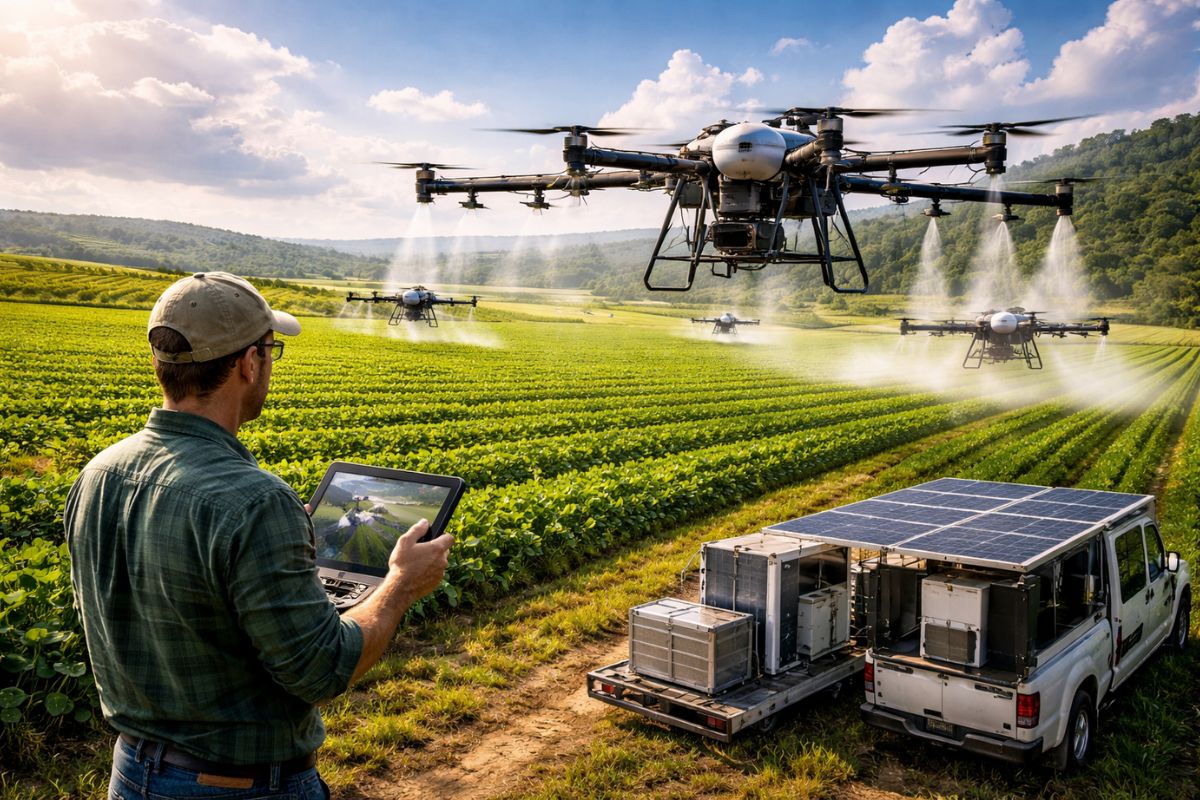
Alone, the producer applies 7,400 hectares with the T100 drone in an optimized structure, replaces the generator with a silent battery, and demonstrates how technology reduces costs, increases productivity, and even challenges the uniport in the field.

This process addresses a recurring environmental problem. When poured down sinks or sewer systems, oil can contaminate large volumes of water and compromise treatment systems. The structured collection interrupts this pollution cycle, allowing the material to be reused in biodiesel production.
The transformation takes place in industrial stages at Biopower’s plants, where the waste undergoes filtering and chemical conversion processes that result in the biofuel. The final product can replace part of the fossil fuels used in engines and transportation systems, increasing the use of renewable sources.
Collection Record and Logistical Expansion of the Program
After ten years of operation, the program achieved its highest performance in 2025. During this period, 11.3 million liters of used oil were collected in just one year, the largest volume ever recorded by the initiative since its inception.
This advance was driven by the expansion of the collection network. One of the new operational fronts was set up in Campo Verde, Mato Grosso, which quickly became a relevant point of the operation and contributed approximately 2 million liters collected in just twelve months.
JBS’s logistical structure combines its own fleet and regional partnerships. Currently, the network reaches approximately 115 municipalities distributed across five Brazilian states: São Paulo, Minas Gerais, Paraná, Mato Grosso, and Santa Catarina.
This reach is crucial for ensuring the program’s scale. The greater the territorial reach of collection, the larger the volume of waste removed from the environment and converted into renewable energy.
The Industrial Structure of Biopower and Biofuel Production
The transformation of collected oil into biodiesel occurs at Biopower’s industrial facilities. The unit operates three plants in different regions of the country, located in the states of São Paulo, Mato Grosso, and Santa Catarina.
With this structure, JBS’s energy division achieves production capacity exceeding 900 million liters of biodiesel per year. This volume positions the company among the largest biofuel producers in Brazil.
Since its inception, the operation has put more than 4 billion liters of biodiesel on the market, helping to reduce greenhouse gas emissions. Estimates indicate that replacing fossil fuels with biodiesel has avoided the emission of about 9 million tons of carbon dioxide.
This result demonstrates that the repurposing of waste can become a strategic component of the energy matrix.
Circular Economy and Total Repurposing in the Production Chain
The conversion of used oil into biodiesel is not an isolated initiative within the company’s strategy. The concept of circular economy is present at different stages of JBS’s production system.
Today, approximately 99% of each cattle processed by the company is utilized in different industrial chains. Materials that were previously discarded are now transformed into value-added products such as collagen, gelatin, leather, and biofuels.
This logic enhances the utilization of natural resources and reduces the generation of industrial waste. The transformation of by-products into new economic inputs becomes one of the pillars of the sustainable model adopted by the company.
At the same time, the Óleo Amigo program also drives a social chain. Cooperatives and independent collectors participate in the collection and supply system of the waste.
Since 2015, over 430 million liters of used oil have been acquired from these partners, creating economic opportunities for recycling workers and strengthening the reverse logistics network.
How Companies and Institutions Can Participate in the Program
The model created by JBS allows for the participation of different types of institutions. Restaurants, condominiums, schools, and businesses can integrate the collection system and ensure the proper disposal of the cooking oil used in their operations.
Participation works through scheduled collections, conducted with the support of the program’s own fleet in certain regions. This system prevents large volumes of oil from being disposed of improperly, while also increasing the supply of raw materials for biodiesel production.
The greater the participation of establishments in the network, the larger the amount of waste repurposed. This process creates a continuous cycle that connects urban consumption, recycling, and renewable energy generation.
The advancement of the program demonstrates how JBS transformed a common household waste into part of a sustainable energy chain, connecting urban collection, reverse logistics, and the industrial production of biodiesel.
By removing millions of liters of used oil from the environment and converting it into renewable fuel, the project shows that circular economy solutions can create environmental, social, and energy impact simultaneously.
An important reflection now arises: if just one program has managed to prevent the contamination of around 1 trillion liters of water, what would be the impact if similar initiatives were adopted at a national scale?
Did you already know that cooking oil can cause so much pollution when improperly discarded?
Is there a collection point for this waste in your city? Share your experiences and opinions in the comments.







Seja o primeiro a reagir!