





 Portuguese
  English
  Spanish
  4 min of reading
  0 comments


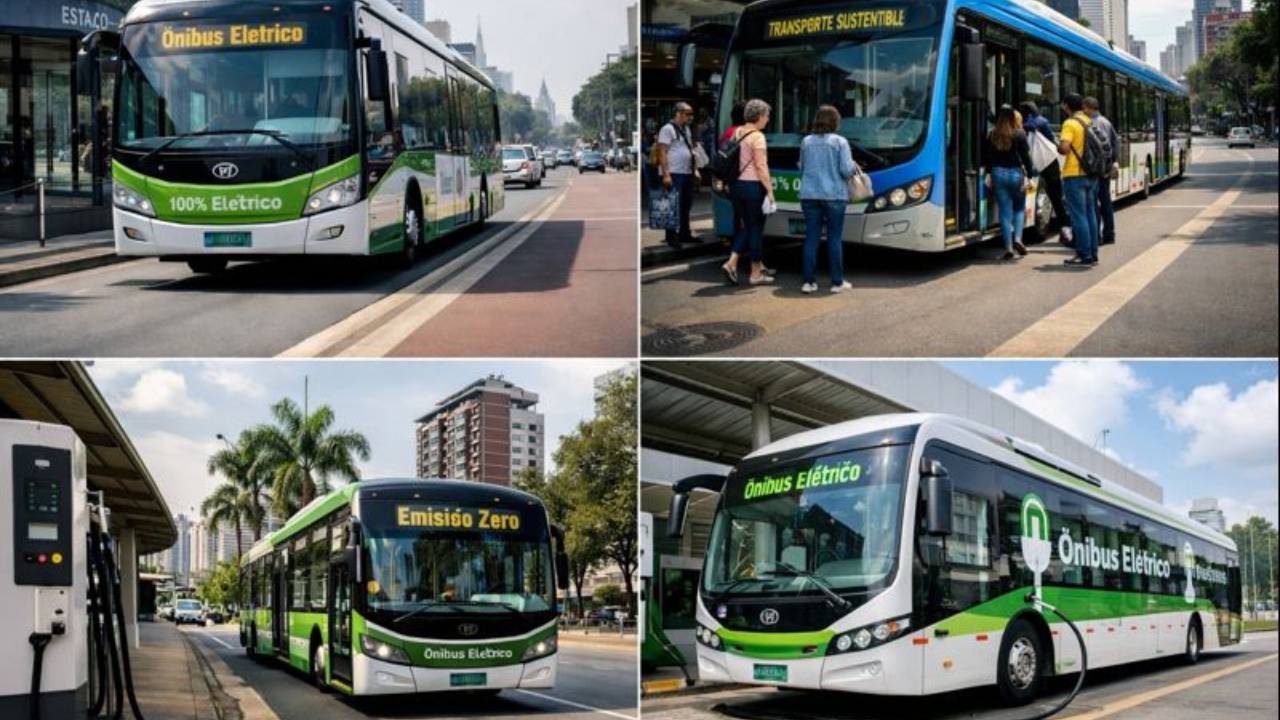
Program Will Finance 540 Electric Buses, Boost Decarbonization, and Transform Urban Mobility in Public Transport.
Brazil has taken a decisive step towards decarbonization of public transport with the approval of an international program that will finance 540 electric buses and the necessary infrastructure for their operation.
The initiative, approved on Monday (22) by the World Bank, plans an investment of US$ 500 million, will be executed by the Caixa Econômica Federal, and aims to accelerate the energy transition, reduce emissions, and improve urban mobility in Brazilian cities.
The project will be implemented through credit lines aimed at municipalities and transport operators, allowing for the gradual replacement of diesel buses with electric vehicles, as well as the construction of charging stations, modernization of garages, and reinforcement of the urban power grid.
-
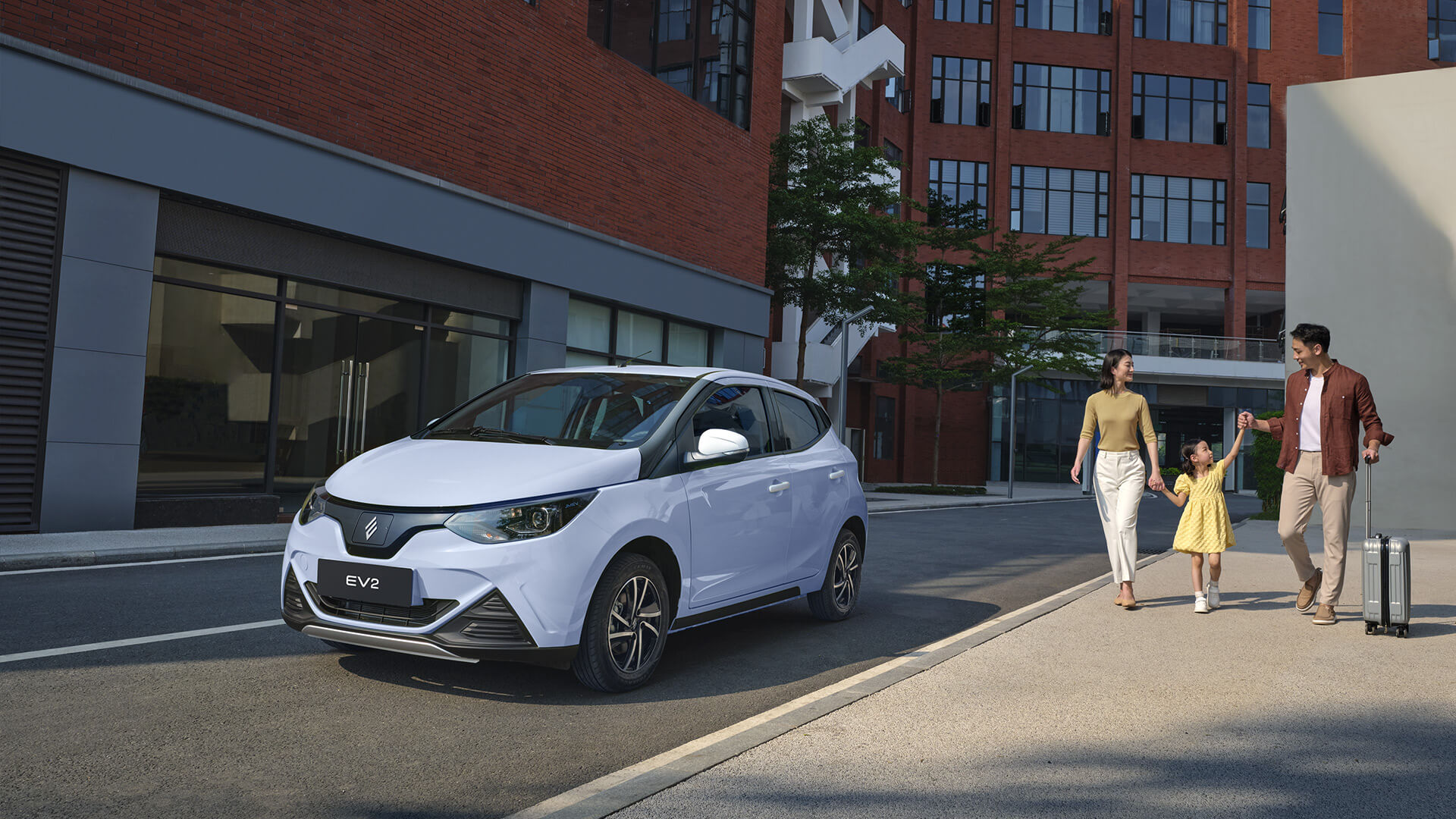
Goodbye expensive popular car: electric vehicle for less than R$ 70,000 starts being sold in Brazil with a range of 200 km and targets those looking to escape gasoline.
-
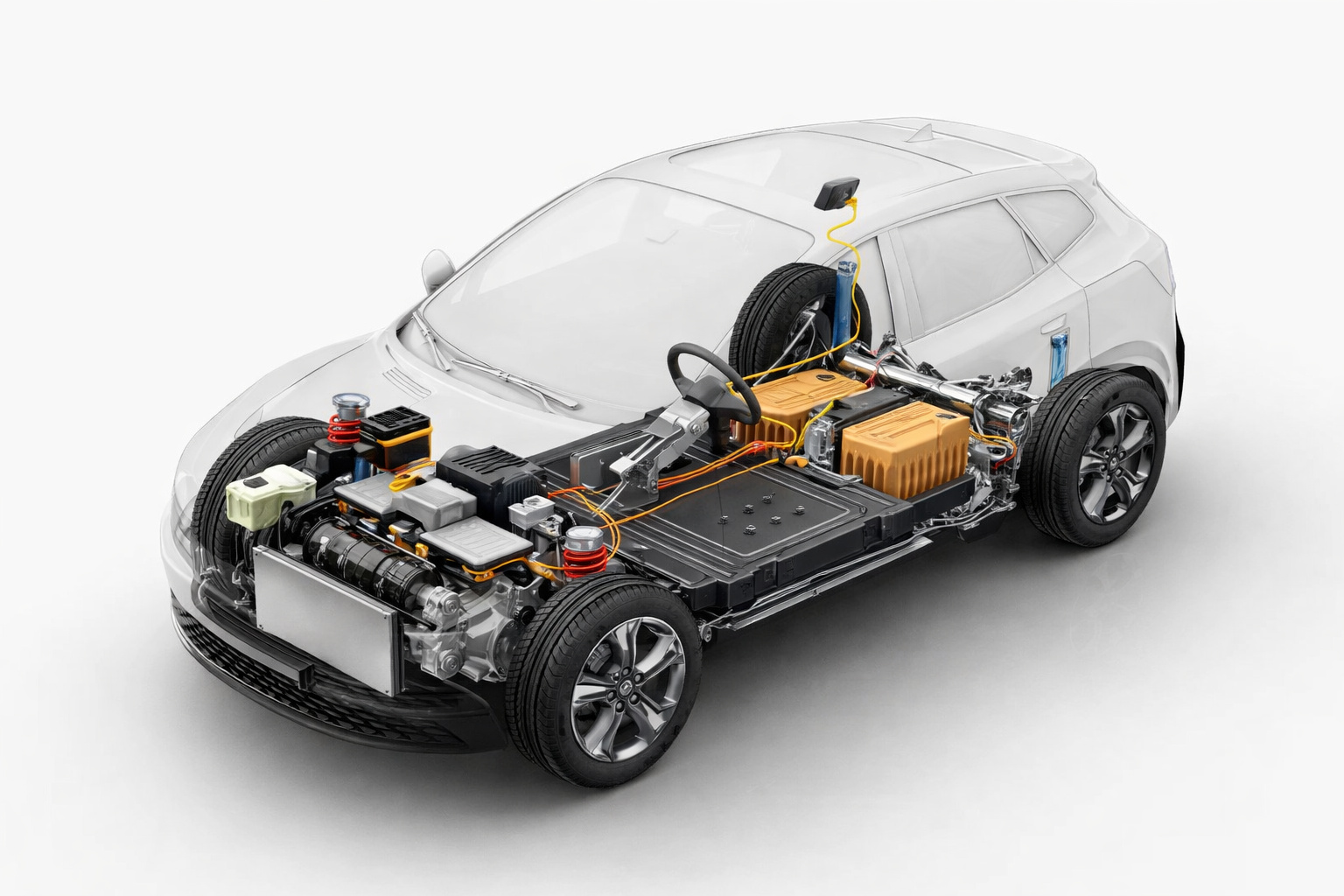
China Surprises Automotive Industry With Battery That Promises Electric Car Able to Run Up to 1,000 km Without Recharge
-
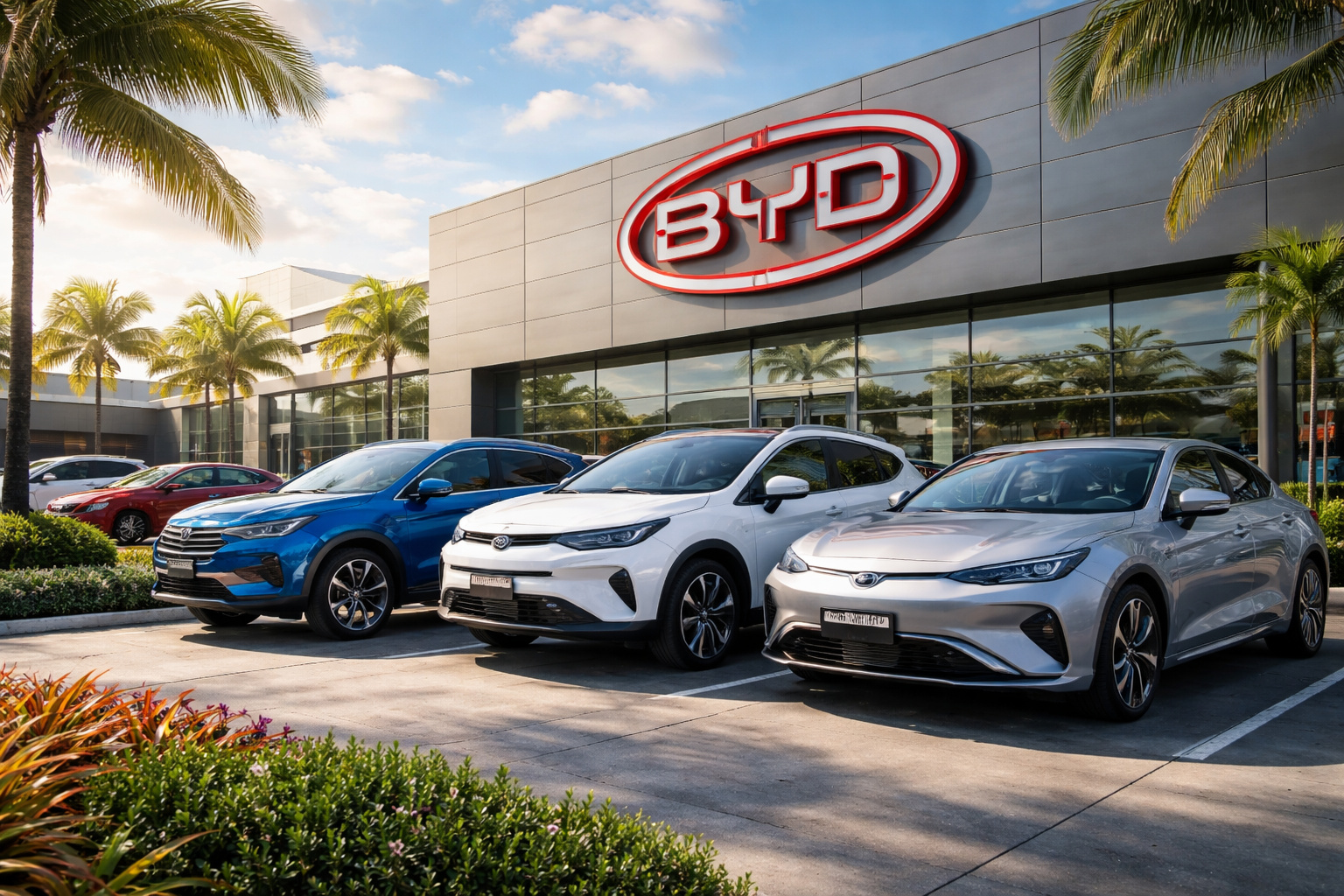
Why BYD Grew So Fast in Brazil and How Blade Batteries, Electric Cars, and Industrial Incentives Shaped This Expansion in the National Automotive Sector
-
Electric Cars Make Progress in Brazil in 2026 and Promise to Reduce Drivers’ Costs with Cheaper Energy, While Infrastructure Grows Slowly Across the Country
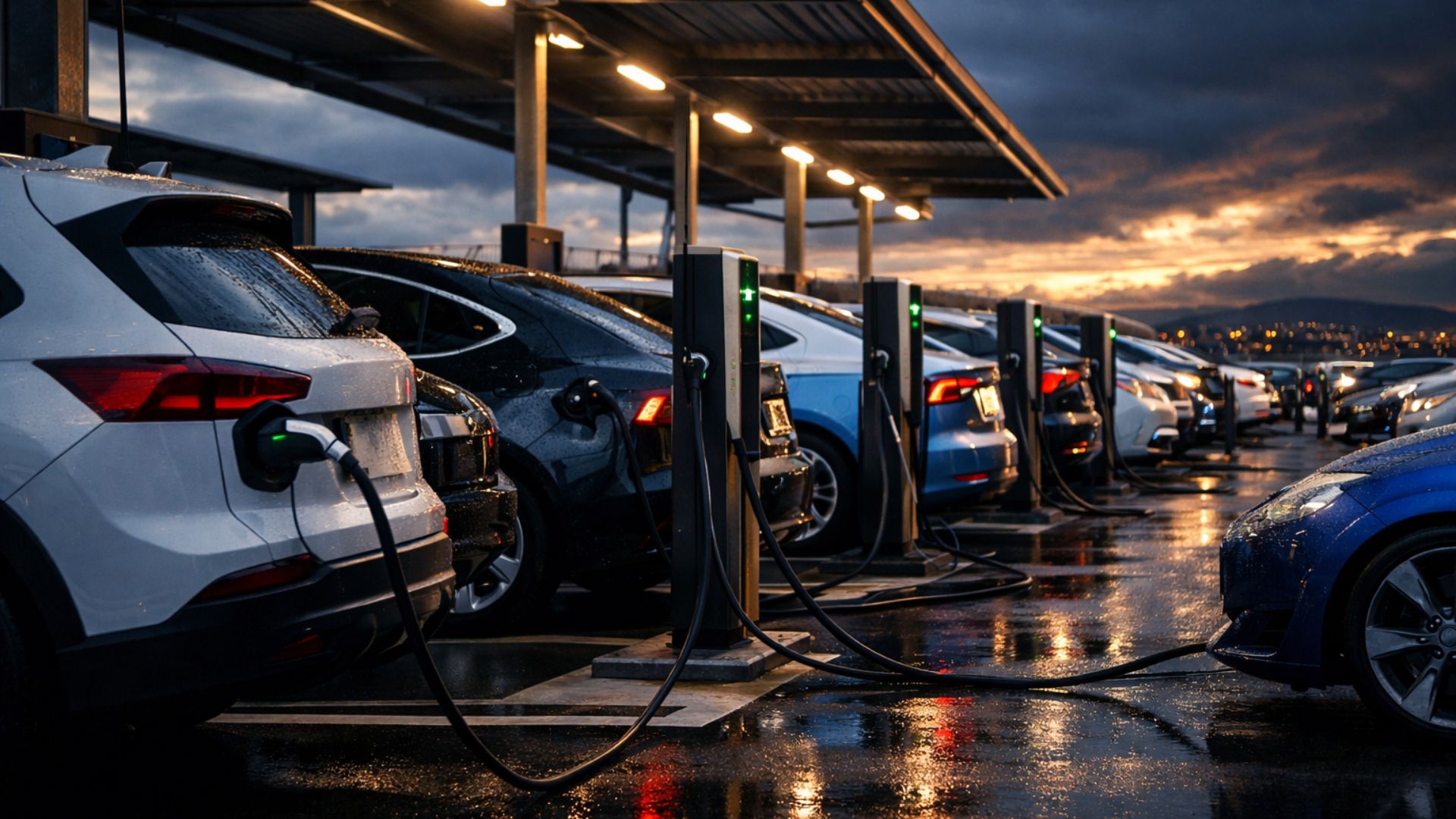

Thus, the expectation is to directly benefit 1.3 million residents living near transport corridors and 280 thousand regular users and drivers.
Public Transport at the Center of the Climate Agenda
Responsible for about 10% of greenhouse gas emissions in Brazil, the transport sector holds a strategic position in meeting national climate targets.
For this reason, the electrification of public transport appears as one of the most effective measures to reduce emissions in the short and medium term.
In addition to the environmental impact, the structural change brings relevant economic gains.
According to data from the Economic Commission for Latin America and the Caribbean (ECLAC), the complete transition of the fleet could generate an increase of R$ 300 billion in the Brazilian economy and create more than 500 thousand jobs by 2050, strengthening the productive chain linked to the energy transition.
How the Financing of Electric Buses Will Work
In the initial phase, the program prioritizes the acquisition of electric buses and the implementation of the necessary infrastructure for their efficient operation.
Thus, Caixa will act as a financial intermediary, offering structured credit to local governments and private operators.
For Jean Rodrigues Benevides, the acting vice president of Caixa, the project represents a milestone for the sector.
“The initiative ensures investments, technical assistance, and innovation to accelerate the energy transition and align the country with national climate goals”, he highlighted in a statement.
Furthermore, the new vehicles directly contribute to reducing urban noise and air pollution, factors that impact public health and quality of life in large cities.
Electric Buses Gain Ground in Brazil
The program arrives at a time of strong expansion of electrification in the country. Brazil recently surpassed the mark of one thousand electric buses in circulation, a significant advance, although still below countries like Chile and Colombia.
Data from the Brazilian Electric Vehicle Association (ABVE) shows that 306 electric buses were registered in the first half of 2025, a growth of 141% compared to the same period in 2024.
This advance reinforces the role of sustainable urban mobility as an irreversible trend.
São Paulo leads this movement, with 841 electric buses, equivalent to 6.3% of the municipal fleet.
Thus, the capital’s goal is to reach 20% of the electrified fleet by 2028, consolidating public transport as a central axis of urban decarbonization.
National Industry and Job Creation
The expansion of the electric fleet also boosts the industry. BYD has recently announced the construction of a new electric bus chassis factory in Brazil.
Thus, the forecast is to increase annual production to up to 7 thousand units over the next three years.
The program also incorporates a relevant social agenda.
Carbon Credits and Financial Sustainability
Another differentiator is the development of a carbon credit market associated with the projects.
Thus, the measure can generate additional revenues, contributing to the financial sustainability of operations and expanding the reach of the energy transition in the transport sector.
For Cécile Fruman, director of the World Bank for Brazil, the moment is crucial.
“It is a turning point for urban transport in Brazil”, she stated.
Climate Challenge Remains on the Horizon
Despite the advancements, the Climate Plan indicates that transport still represents a structural bottleneck.
Thus, the strong dependence on road transport compromises energy efficiency and hinders decarbonization, making the sector one of the few with a projected increase in emissions by 2030.
In an interview with EXAME, Aloisio de Melo, national secretary for Climate Change at the Ministry of the Environment and Climate Change.
In this scenario, the expansion of electric buses emerges as one of the most effective solutions to align urban mobility, economic development, and energy transition in Brazil.









Seja o primeiro a reagir!