





 Portuguese
  English
  Spanish
 3 min of reading
  2 comments


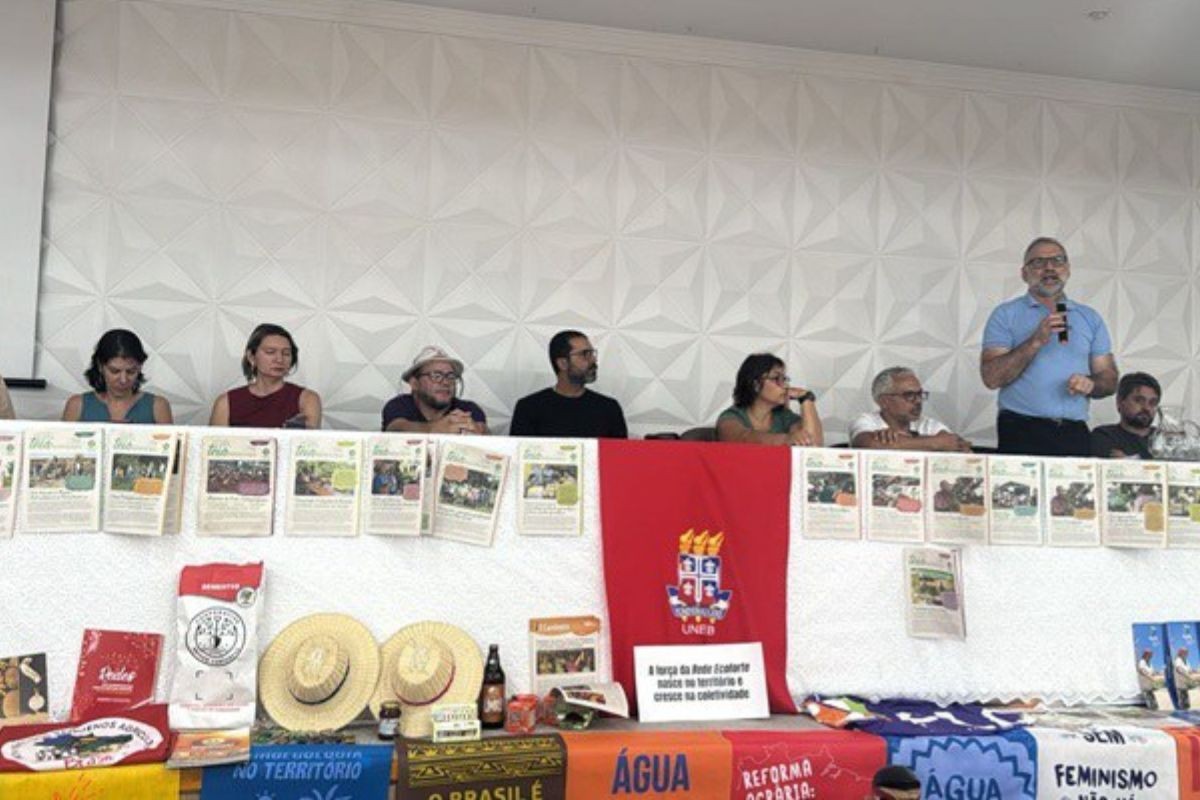

With Support from the Government and Civil Society, the Ecoforte Program Establishes a Participatory and Sustainable Monitoring Model, Expanding the Impact of Agroecological Policies in Brazil
The Ecoforte Program has been consolidating itself as a milestone in the transformation of public agroecology policies in Brazil, according to a report published.
During the Networks Meeting, held in Juazeiro (BA) on October 14 and 15, representatives of 41 territorial agroecology networks, extractivism, and organic production discussed a new model of participatory monitoring, focusing on social inclusion and sustainability.
The event, promoted by the National Commission for Agroecology and Organic Production (CNAPO) and the Banco do Brasil Foundation (FBB), marked the resumption of the program, which has become a strategic axis of the National Policy for Agroecology and Organic Production (PNAPO).
-
While Russia dominates the global wheat market, Brazil emerges as an unexpected competitor in the Cerrado, offering grain available in July and August when stocks in the Northern Hemisphere are at their lowest point of the year.

-
China returned almost 20 Brazilian ships with soybeans, but now everything could change: the country that buys 80% of the grain is considering relaxing regulations after impurities held up shipments of thousands of tons and caused million-dollar losses.

-
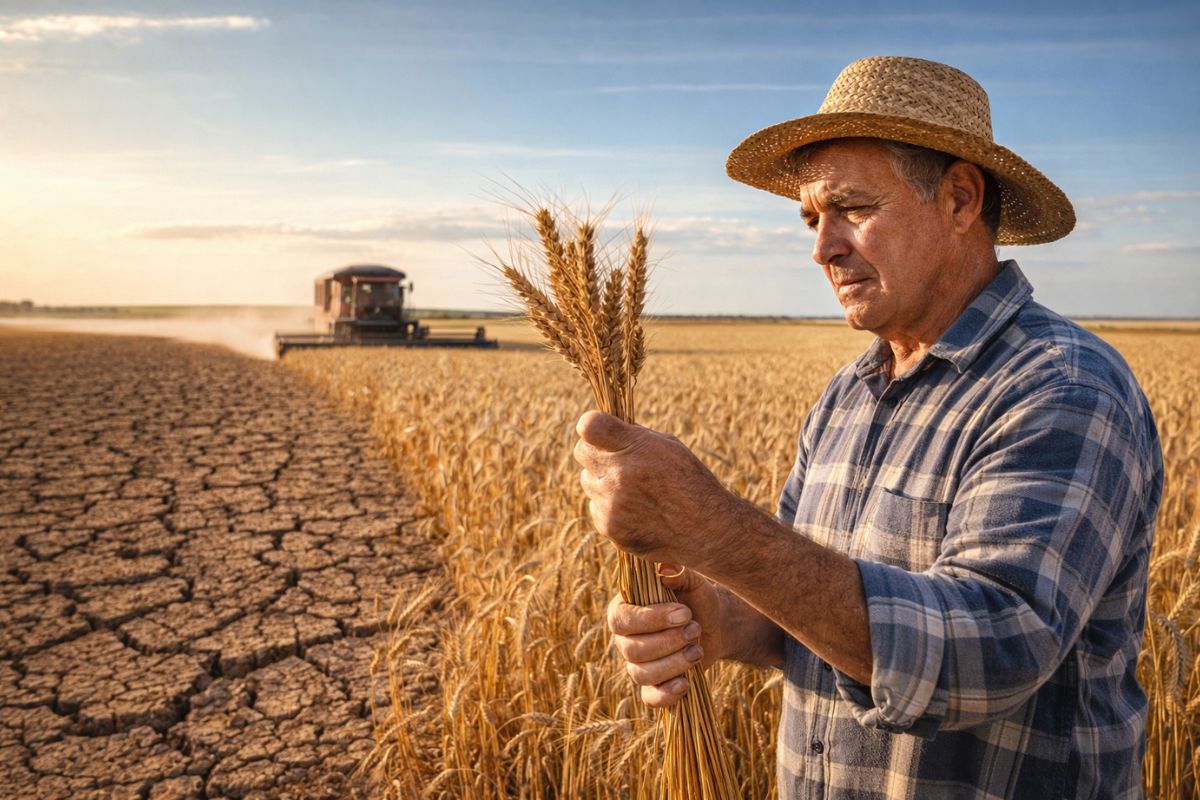
The drought of the cerrado was considered an enemy of wheat, but Brazilian scientists turned the lack of rain into a competitive advantage by creating a grain with quality that is already attracting the attention of international mills around the world.
-
THE OWNER of Brazil: a farmer who came from laundries, created an ’empire’ and today runs a company valued at R$ 42 billion after tripling its value in less than a year and receiving a billion-dollar investment from the USA.


With an investment of R$ 84.5 million, the initiative will support 37 projects across all regions of the country, directly benefiting 15,000 farming families and approximately 60,000 people indirectly.
Participatory Monitoring and Agroecology Networks Strengthen Sustainable Development
During the meeting, public managers and representatives of civil society highlighted the importance of participatory monitoring as an instrument of social control and evaluation of public policies.
Rogério Dias, from CNAPO, emphasized that strengthening agroecology networks is essential to ensure that the actions of the Ecoforte Program reflect local needs.
This model allows farmers and communities to be protagonists in building solutions that respect the environment, increase productivity, and generate income.
The new approach proposes a decentralized management, where local knowledge and traditional wisdom combine with science, creating a cycle of innovation and collective learning.
Ecoforte Program and the Agroecological Transition Driven by Family Farming
The Secretary of Family Farming and Agroecology, Vanderley Ziger, highlighted that the Ecoforte Program is a public policy built in a network focused on agroecological transition.
By supporting local projects, the program increases access to credit, technical assistance, and encourages sustainable production practices.
Among the examples presented at the meeting, the Agroecology Network of Cariri Seridó Paraibano, coordinated by Glória Batista, has 95% of women working in agroecological fairs and in food production.
The project has strengthened women’s autonomy and expanded access to fair markets, such as the Food Acquisition Program (PAA) and the National School Feeding Program (PNAE), strengthening responsible consumption and food security.
Innovation, International Partnerships, and Social Impact of the Ecoforte Program
In addition to its social dimension, the Ecoforte Program is advancing with new strategic partnerships with the Amazônia Fund and the French Development Agency (AFD).
These institutions will support the creation of a national monitoring and evaluation system for agroecological policies, integrating territorial analysis technologies and socio-environmental impact indicators.
According to Marcelo Fragozo, from the General Secretariat of the Presidency of the Republic, the program represents a concrete innovation by combining social participation, transversality, and territorial approach.
He reinforced that the Brazilian government is committed to building structuring policies that consolidate agroecology as a core of sustainable development.
The Ecoforte Program also strengthens the protection of socio-biodiversity, the use of heirloom seeds, and dialogue between communities and universities, promoting a model of participatory governance that values collective knowledge.








In recent years, Tips for Parents has become a focus for many professionals and families. Creating awareness about proper habits and healthy practices helps promote better outcomes for children everywhere. When discussing Tips for Parents, it’s essential to consider how daily routines and consistent habits shape a child’s future. Parents can play a major role by offering patience, structure, and encouragement that helps their child grow both mentally and emotionally.
Best Places to Visit Before You Turn 30