





 Portuguese
  English
  Spanish
 3 min of reading
  0 comments



The New Law Modernizes the Guarantee Safra Program, Expanding Productive Inclusion, Sustainability, and Income Security for Family Farmers Throughout Brazil
The Guarantee Safra Program is undergoing one of the largest transformations since its creation, with the sanctioning of Law No. 15,236/2025 by President Luiz Inácio Lula da Silva on the last day of October 16, according to a report published.
The new legal framework modernizes the policy of support for family farmers, expanding its social, productive, and environmental reach.
This initiative strengthens income security in rural areas and integrates actions to address climate change, consolidating a fairer and more predictable public policy.
-
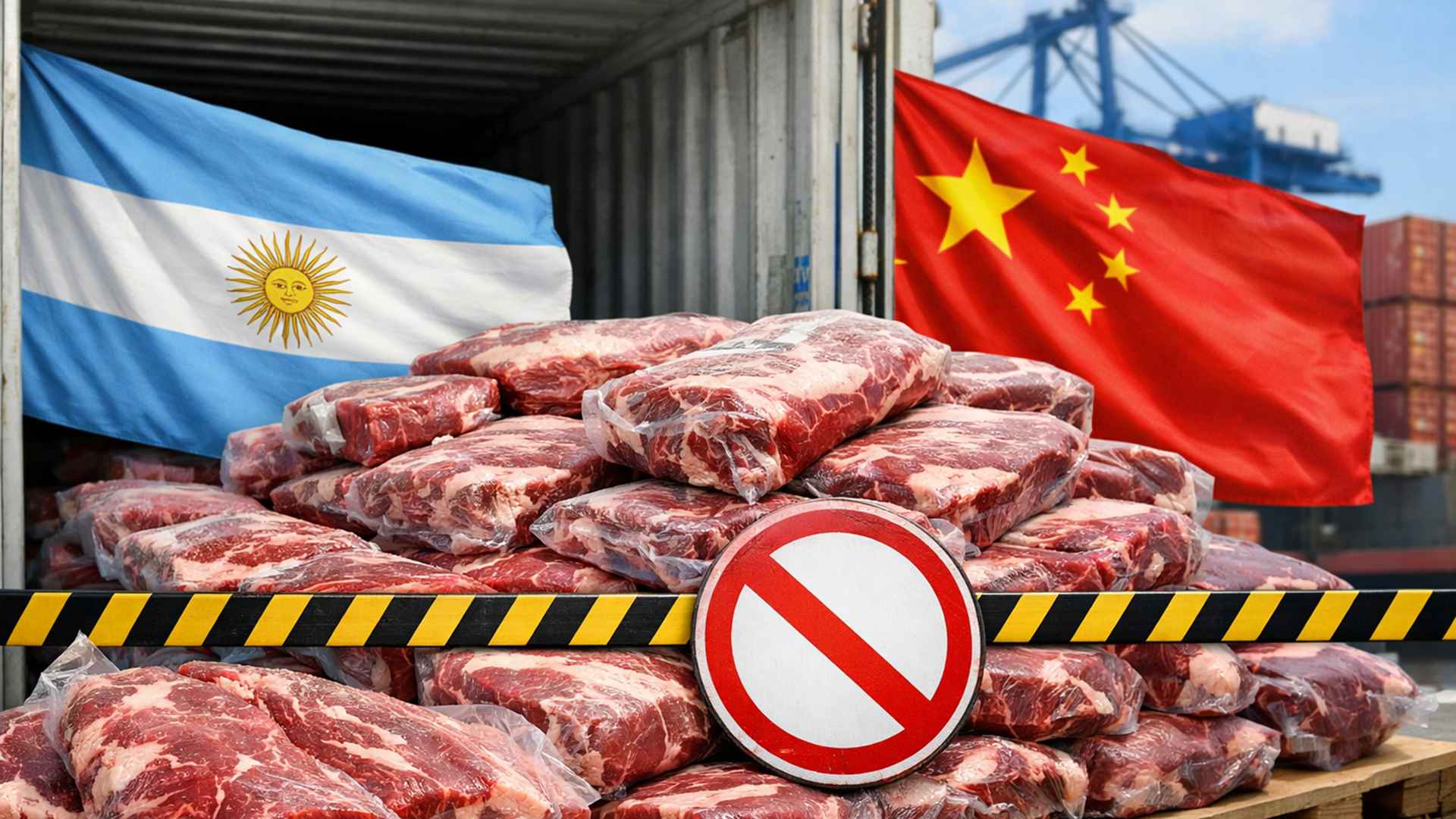
China banned the export of 22 tons of meat from Argentina.
-
While Russia dominates the global wheat market, Brazil emerges as an unexpected competitor in the Cerrado, offering grain available in July and August when stocks in the Northern Hemisphere are at their lowest point of the year.

-
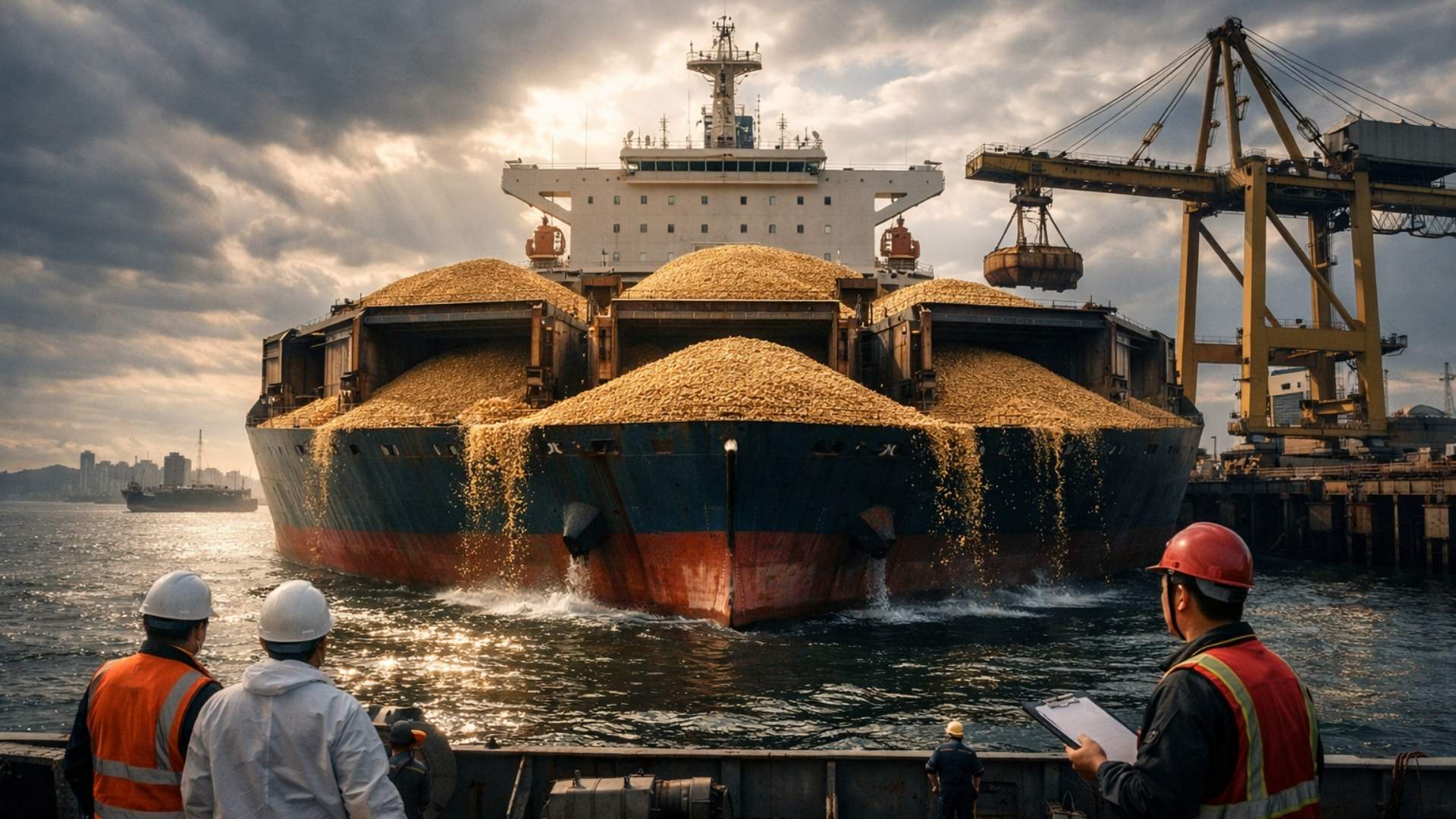
China returned almost 20 Brazilian ships with soybeans, but now everything could change: the country that buys 80% of the grain is considering relaxing regulations after impurities held up shipments of thousands of tons and caused million-dollar losses.
-
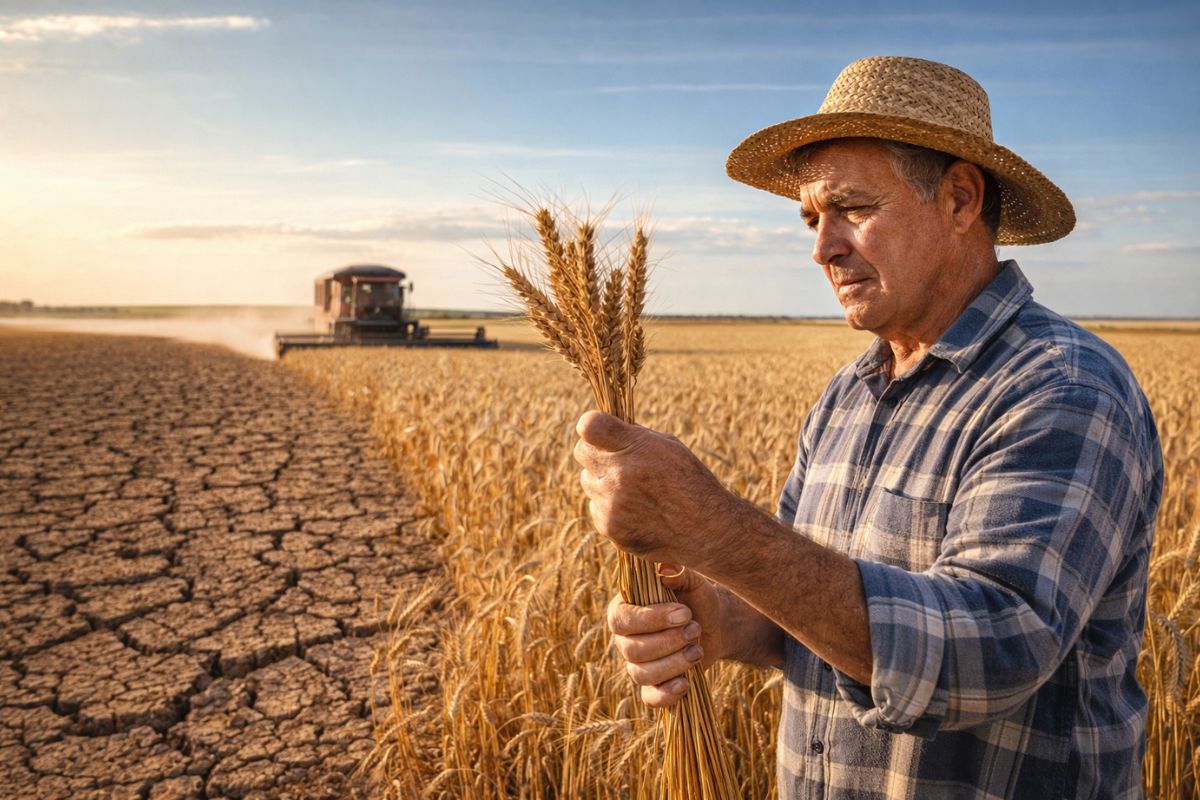
The drought of the cerrado was considered an enemy of wheat, but Brazilian scientists turned the lack of rain into a competitive advantage by creating a grain with quality that is already attracting the attention of international mills around the world.
This update also reflects the commitment of the Government of Brazil to sustainable development, productive inclusion, and the fight against hunger, repositioning the country prominently on the global food security agenda.
Productive Inclusion and Sustainability in the Field
With the new format, the Guarantee Safra Program ceases to be merely a mechanism for compensating agricultural losses and begins to incorporate strategies for productive inclusion and rural sustainability.
Now, farmers who prove a minimum loss of 40% of production will be able to access the benefit, ensuring greater predictability and fairness in the allocation of resources.
This change expands the number of families served, especially in the semi-arid region, historically affected by droughts and extreme climatic events.
Part of the Fund’s resources will be allocated to climate adaptation actions, productive innovation, and strengthening local supply chains, boosting the development of rural communities and promoting greater economic autonomy in the field.
Transparent Management and Institutional Strengthening of the Guarantee Safra Program
The implementation of the new phase of the Guarantee Safra Program will be under the responsibility of the Ministry of Family Agriculture and Agroecology (SAF/MDA), which is working on the development of a transparent and participatory regulatory framework.
According to Secretary Vanderley Ziger, the goal is to consolidate a solid national reference policy based on dialogue and public responsibility.
The law, authored by Congressman Carlos Veras (PT-PE), also reinforces the need for efficiency in resource management and integration with other agricultural policies, creating synergy between income, healthy food production, and climate resilience.
This improved governance aims to ensure predictability in the release of benefits and greater control over the use of public resources.
Food Security and Progress of Rural Resilience Policies
The strengthening of the Guarantee Safra Program is occurring at a strategic moment for the country.
After years of retraction, Brazil has returned to the Map of Hunger, a result of a set of policies that value family agriculture and ensure the supply of healthy food.
By incorporating the climate and productive agenda, the program contributes to a new dynamic in the field, where sustainability and income go hand in hand.
The allocation of resources for resilient and inclusive practices demonstrates the government’s commitment to preparing farmers for future environmental challenges and reducing the vulnerability of rural families.








Seja o primeiro a reagir!