





 Portuguese
  English
  Spanish
 3 min of reading
  0 comments


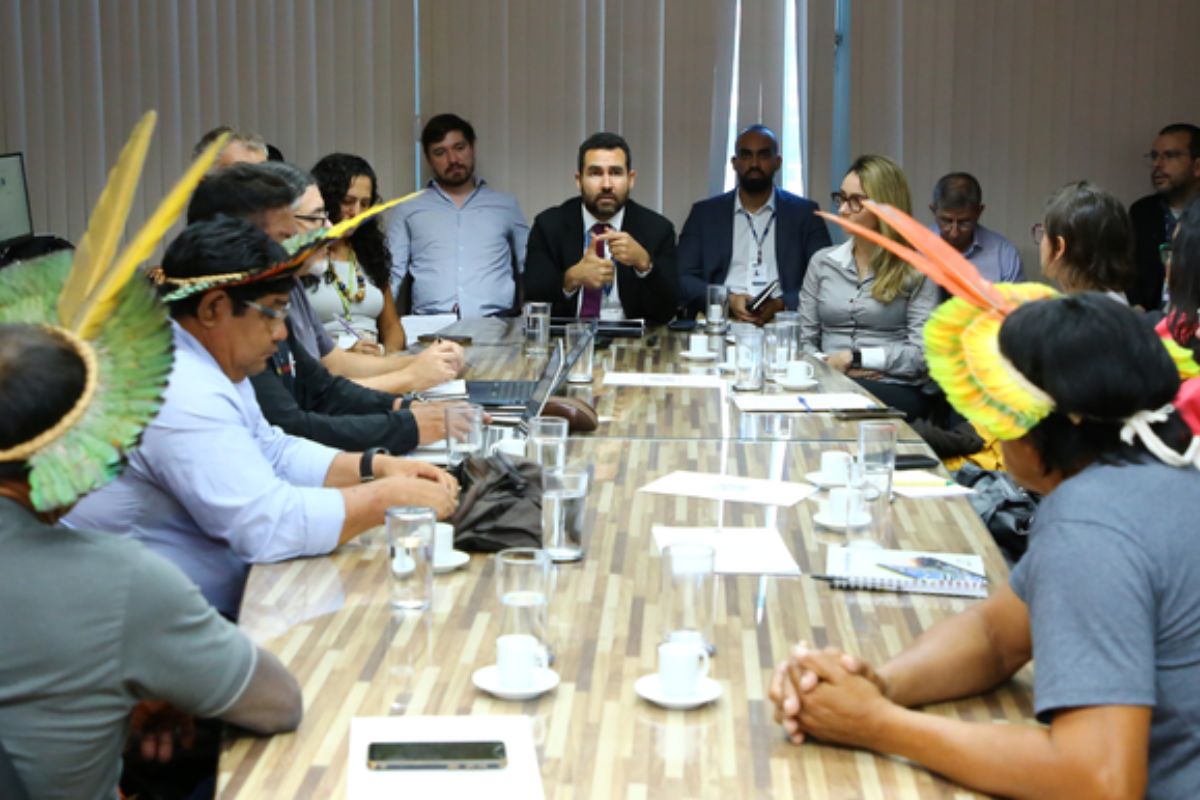
The Ministry of Mines and Energy Reinforces Dialogue with Leaders of Xingu, Expanding the Light for All Program and Promoting Indigenous Training to Ensure Secure and Sustainable Energy
The Light for All Program has been a milestone for energy and social inclusion in Brazil, according to a report published.
In a new stage of dialogue, the Ministry of Mines and Energy (MME) met on October 8 with indigenous leaders from the Xingu territory in Mato Grosso to discuss advancements and challenges of the program.
The meeting reinforced the government’s commitment to respecting the traditions, culture, and autonomy of local communities.
-
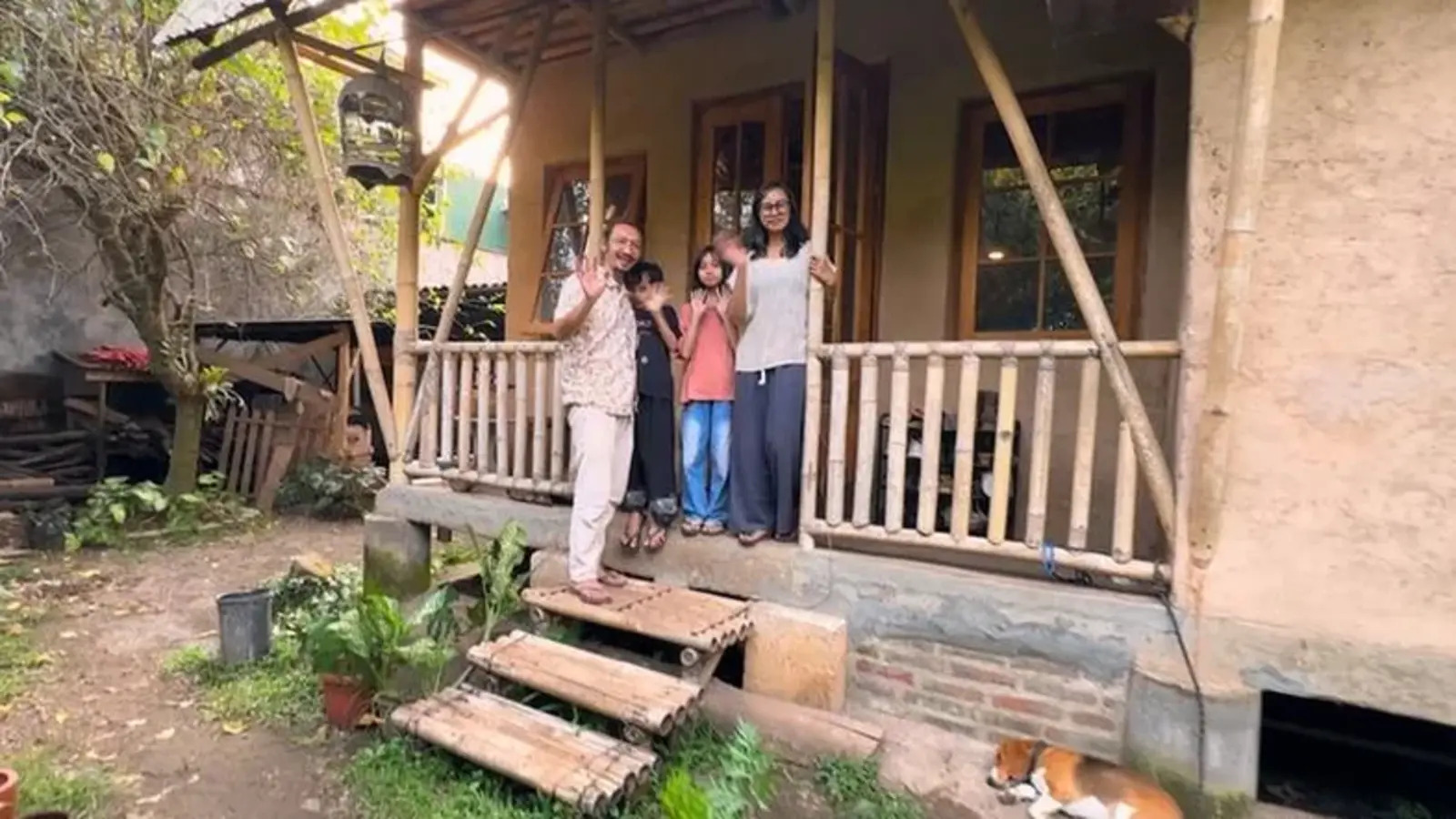
With earth, bamboo, straw, and lime mortar, a specialist builds a house for just over $460 and draws attention for its cost being much lower than traditional construction.
-
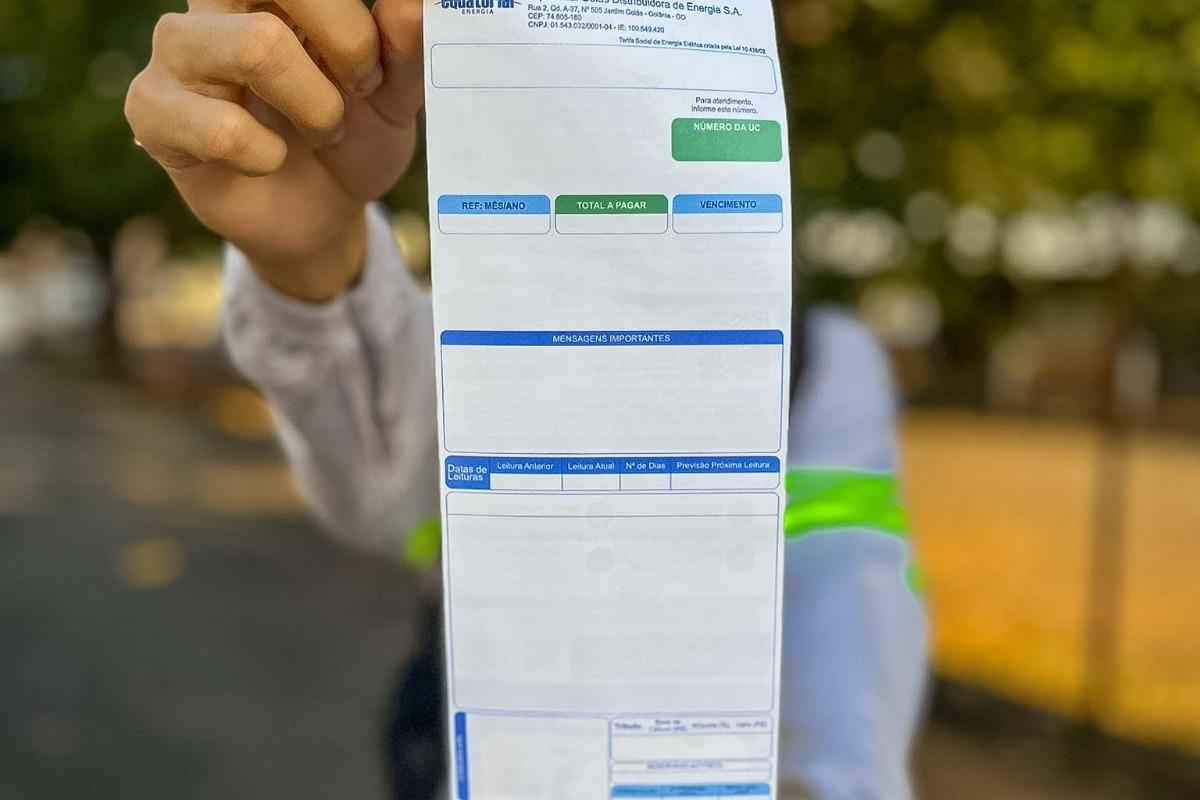
Equatorial adopts new national number for consumer units on electricity bills starting in April, following ANEEL standards and modernizing energy bills in several states.
-
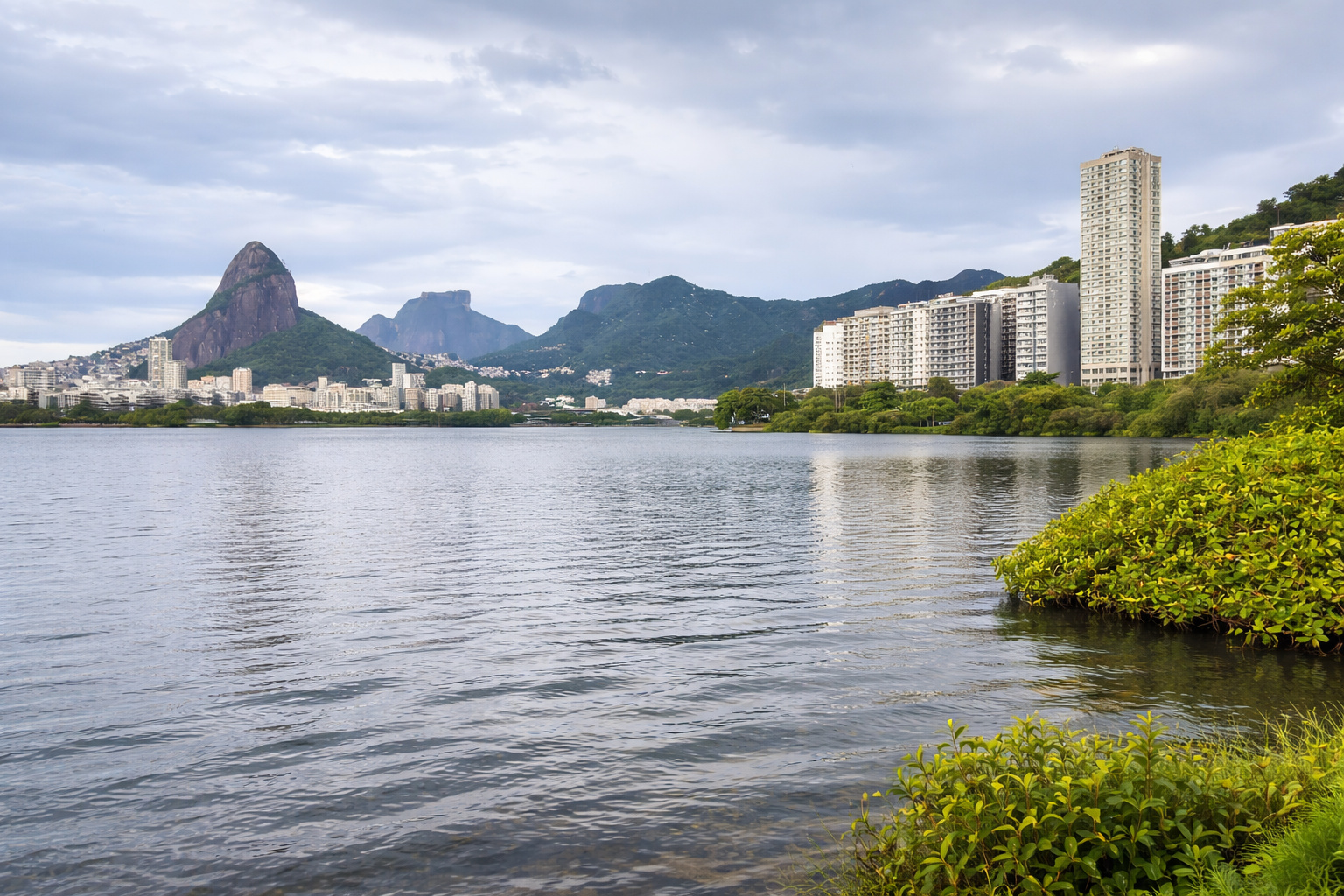
Rodrigo de Freitas Lagoon advances in environmental recovery with sanitation, elimination of irregular sewage, and the resumption of water sports in Rio de Janeiro.
-
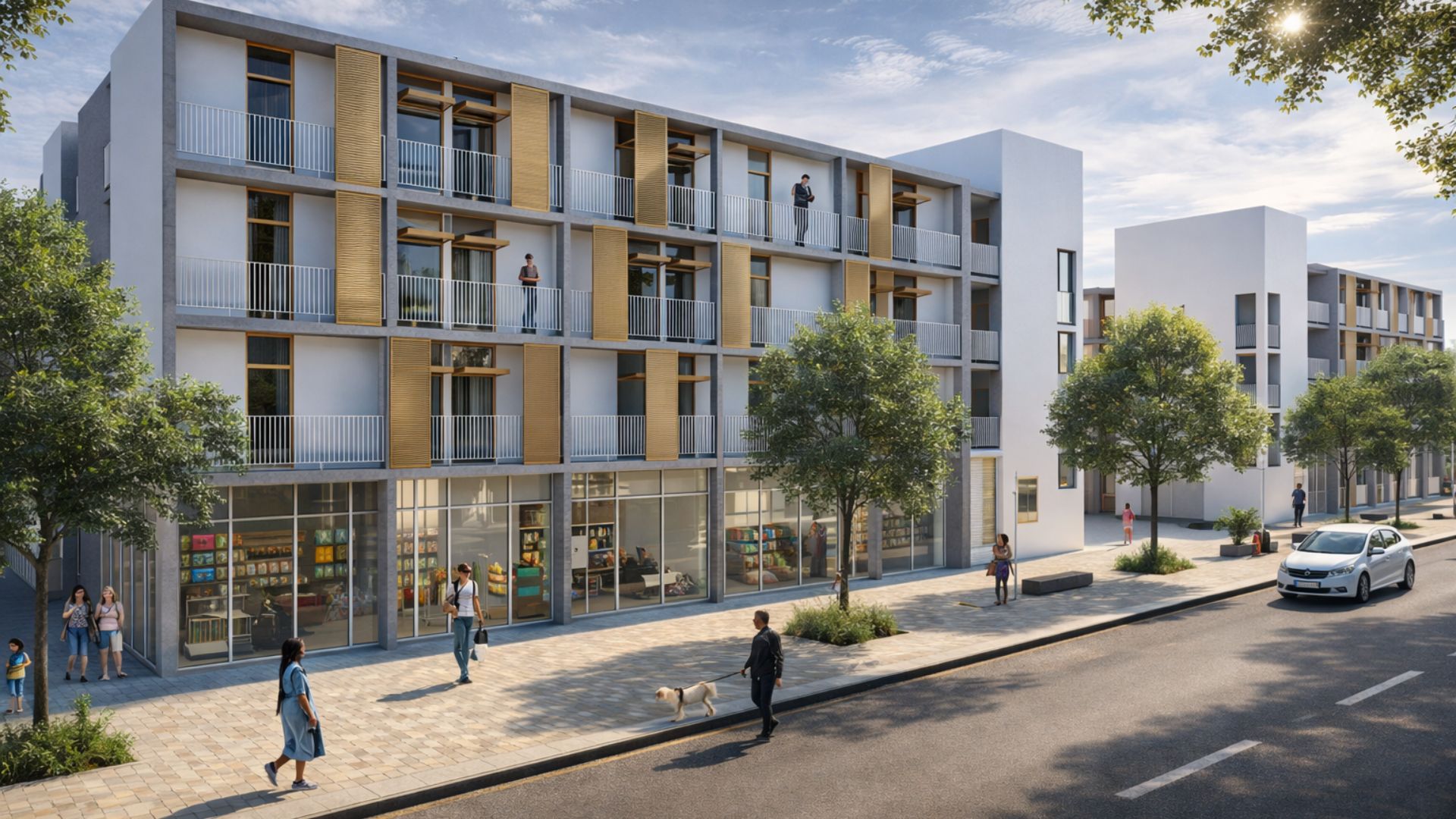
Sustainable housing gains strength with a nationally awarded project in Campo Grande, highlighting innovative solutions that combine sustainability, urban integration, and efficiency in the use of natural resources.

The aim was to hear the demands presented in the Letter of the Xingu Peoples and align solutions to ensure safe, continuous, and regionally adapted electricity supply.
The meeting also solidified partnerships between public agencies, sector companies, and indigenous representatives, strengthening dialogue and sustainable development within traditional lands.
Expansion of the Light for All Program in Indigenous Lands Xingu
The expansion of the Light for All Program in indigenous lands Xingu has been treated as a priority by the MME, according to André Dias, director of the Department of Electrification and Social Policies.
He emphasized that the program seeks more than just delivering energy: it aims to promote dignity and inclusion.
Among the actions presented at the meeting are the technical review of ongoing contracts and strengthening the monitoring of already installed systems.
Furthermore, the MME has forwarded measures to improve energy efficiency and the safety of installations, considering the cultural and environmental context of the communities.
This expansion aims to serve new families and ensure that access to energy contributes to the quality of life and the strengthening of local activities.
Secure Electricity Supply for Indigenous Communities
During the meeting, the MME reaffirmed that providing secure electricity is a central commitment of the Light for All Program.
Representatives from ANEEL, ENBPar, and Energisa presented concrete results, such as the replacement of equipment and inverters, and improvements in service quality.
Another important advancement was the creation of an official communication channel with indigenous communities, allowing direct and accessible dialogue in languages compatible with regional traditions.
This measure aims to strengthen the autonomy of local leaders in managing demands and promote greater transparency in the execution of program actions.
Training Indigenous Technicians for Energy Use
One of the most relevant initiatives of the Light for All Program in Xingu is the training of indigenous technicians for energy use.
The training and hiring of these professionals are essential to ensure local support to families and strengthen the sustainability of the installations.
This action, conducted in partnership with public agencies and technical education institutions, seeks to value traditional knowledge while promoting technological autonomy.
The presence of these technicians in the villages ensures continuous maintenance, conscious energy use, and greater integration between communities and the national electricity system.
Respect for Cultural Specificities in the Light for All Program
Respect for cultural specificities is one of the pillars of the Light for All Program, especially in indigenous territories.
The MME and its partners emphasized that all actions in Xingu are planned based on dialogue and active listening to local leaders.
This approach ensures that electricity supply does not negatively interfere with cultural practices and the communities’ relationship with the territory.
The participation of entities such as FUNAI, the Socio-environmental Institute (ISA), WWF, the POLIS Institute, and IEMA reinforces the commitment to sustainable, inclusive, and socially responsible energy solutions.








Seja o primeiro a reagir!