





 Portuguese
  English
  Spanish
 3 min of reading
  2 comments


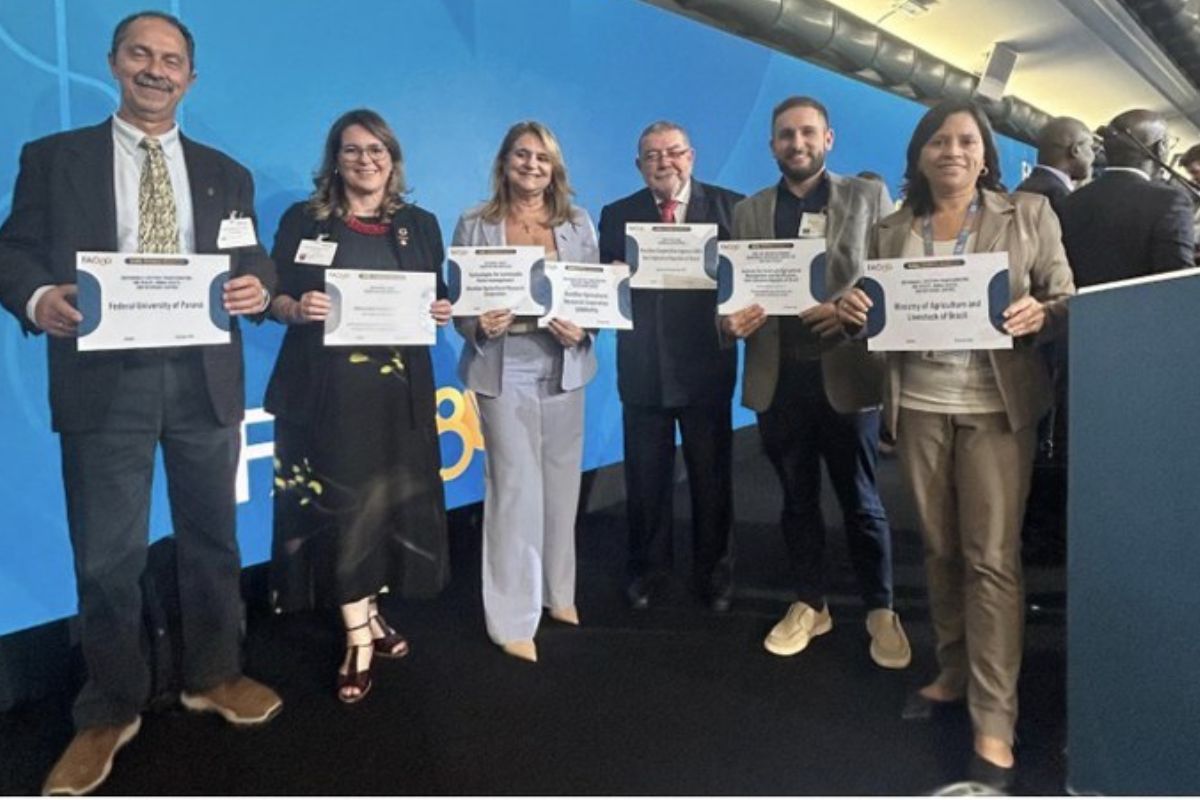

Recognized by FAO, the More Healthier Milk Program Transforms Dairy Farming in Brazil with Sustainable Innovation, Public-Private Investments, and Training of Producers Across the Country
The More Healthier Milk Program has just gained international recognition from the Food and Agriculture Organization (FAO) as one of the leading global references in sustainable practices in dairy farming, according to an article published.
The initiative from the Ministry of Agriculture and Livestock (Mapa), created in 2015, stands out for uniting sustainability, technology, and productive inclusion, reinforcing Brazil’s commitment to ecological transition in agribusiness.
The announcement was made during the World Food Forum (WFF) in Rome, a global event that brings together leaders and experts to discuss solutions aimed at food security and sustainable development.
-
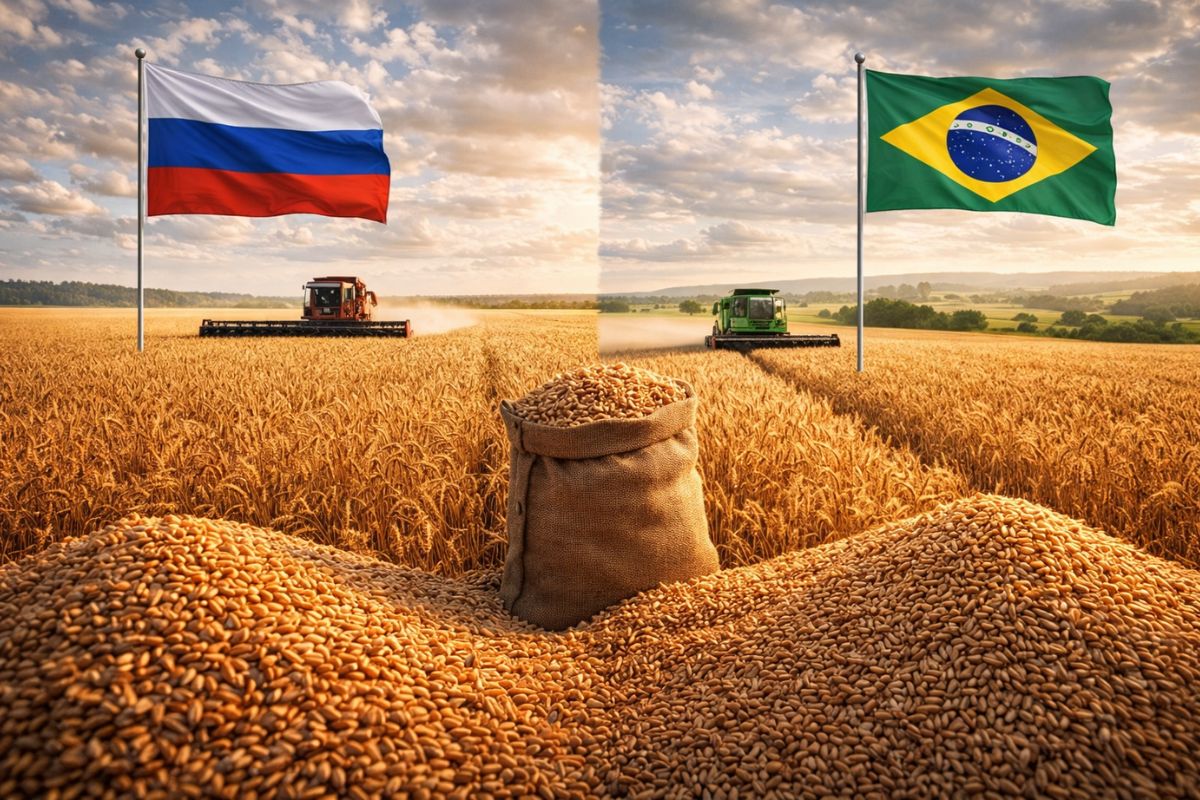
While Russia dominates the global wheat market, Brazil emerges as an unexpected competitor in the Cerrado, offering grain available in July and August when stocks in the Northern Hemisphere are at their lowest point of the year.
-
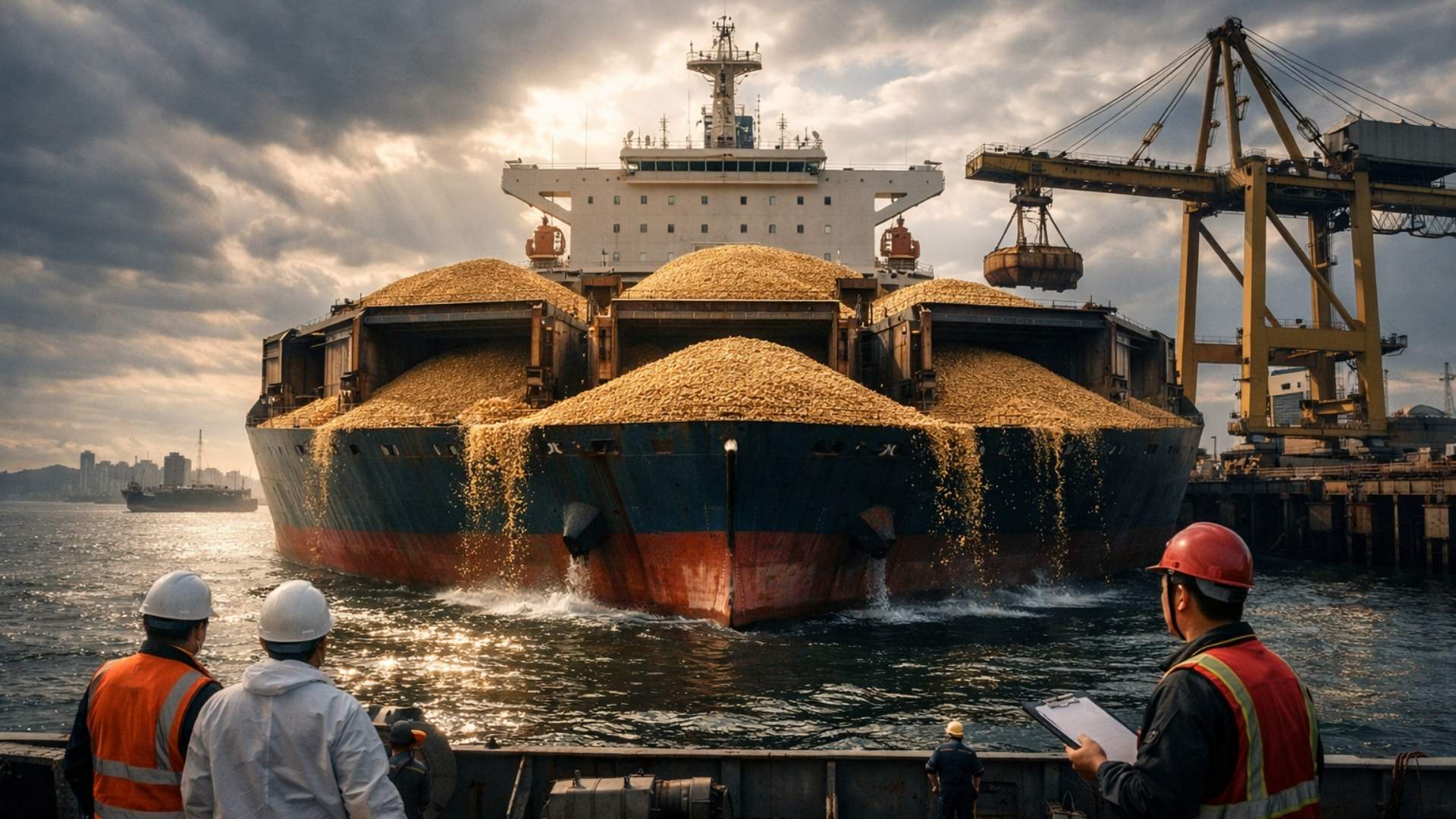
China returned almost 20 Brazilian ships with soybeans, but now everything could change: the country that buys 80% of the grain is considering relaxing regulations after impurities held up shipments of thousands of tons and caused million-dollar losses.
-
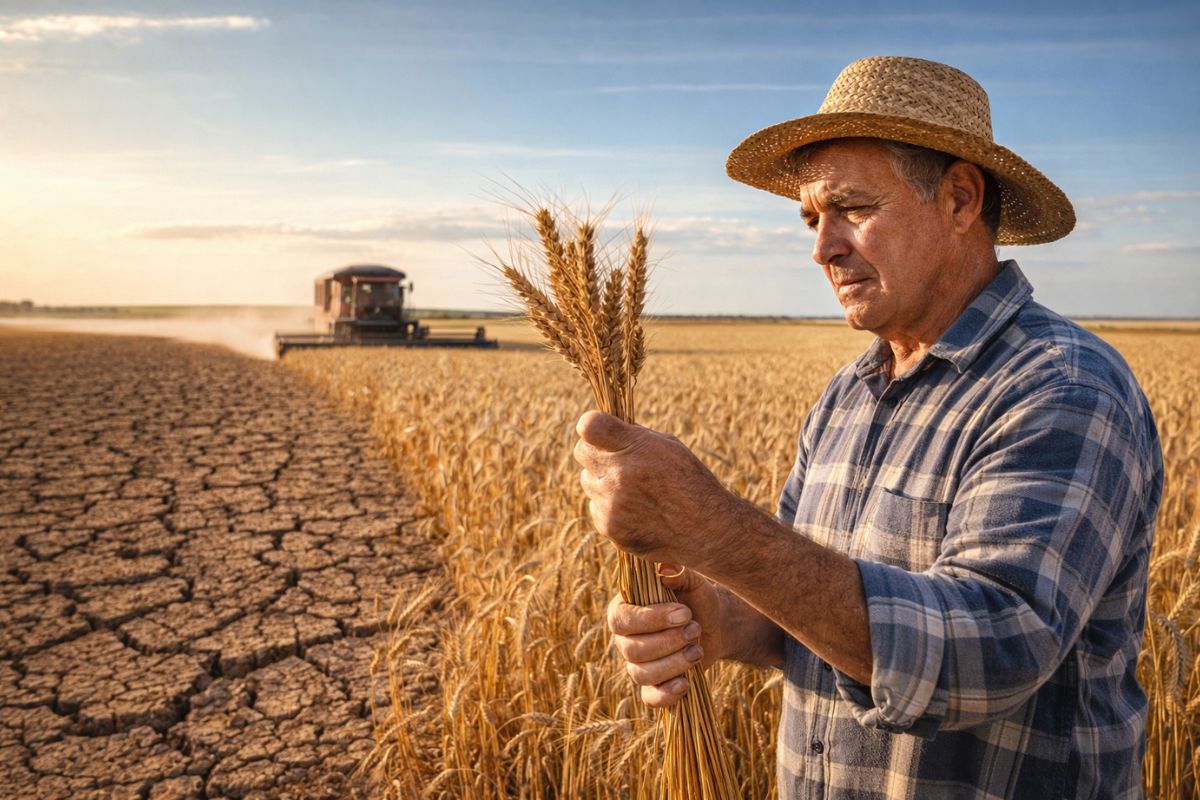
The drought of the cerrado was considered an enemy of wheat, but Brazilian scientists turned the lack of rain into a competitive advantage by creating a grain with quality that is already attracting the attention of international mills around the world.
-
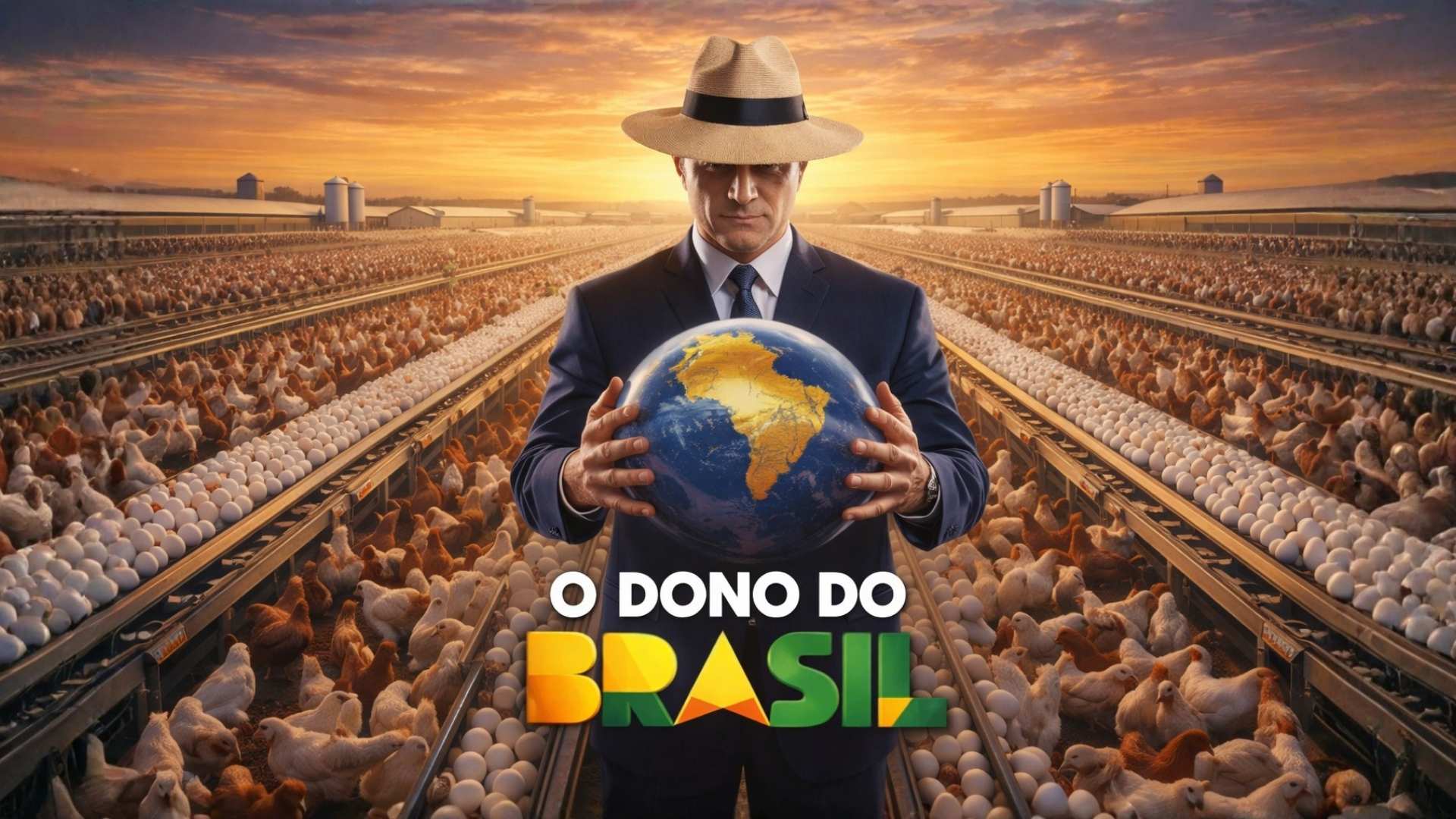
THE OWNER of Brazil: a farmer who came from laundries, created an ’empire’ and today runs a company valued at R$ 42 billion after tripling its value in less than a year and receiving a billion-dollar investment from the USA.

Since then, the program has established itself as an efficient model of public-private investment capable of financing the sustainable transformation of dairy farming, increasing productivity, quality, and income for Brazilian rural producers.
Sustainability in Dairy Farming and the Role of Responsible Investment
With an innovative structure, the More Healthier Milk Program allows industries and cooperatives in the dairy sector to use presumed credits from PIS/Pasep and Cofins in projects focused on technical assistance, innovation, and sustainability.
This incentive model makes the program one of the main financing mechanisms for low-environmental-impact milk production.
According to the General Coordinator of Animal Production at Mapa, Bruno Leite, the initiative demonstrates how it is possible to align public and private resources to ensure an economically viable and environmentally responsible dairy farming.
Being recognized by the FAO strengthens Brazil’s image as a leader in green transition policies in agribusiness and inspires other productive chains to adopt similar sustainability and efficiency strategies.
More Healthier Milk Program: Innovation and Rural Training as Pillars of Sustainable Development
Technological innovation and training for rural producers are central points of the More Healthier Milk Program, which has already benefited more than 185 thousand producers in over 3 thousand Brazilian municipalities.
So far, more than 2 thousand projects have been approved and about 900 companies have joined the initiative.
The program focuses on disseminating good management practices, water resource management, and quality improvement of milk, directly contributing to increased productivity and family income.
This integration between technology, rural education, and environmental sustainability reinforces the importance of structured public policies that encourage productive transformation in the field and ensure competitiveness in the global market.
FAO and the Recognition of Good International Practices in Sustainable Livestock
The FAO’s recognition of the More Healthier Milk Program took place during the celebrations of the organization’s 80th anniversary, in a selection that highlighted the most relevant innovations in agricultural sustainability.
Brazil was cited as an example of a country that combines economic development and environmental conservation in the dairy sector.
The program’s model, by promoting a network of cooperation among government, industry, and producers, has become a global reference in governance and efficiency of public policies.
This result reinforces the capacity of the Brazilian agribusiness to lead the transition to more balanced productive systems while valuing the work of small and medium producers, fundamental pillars of the rural economy.
Official sources:








My firend suggested I might like this website. He was totally right. This post actually made my day. You cann’t imagine just how much time I had spent for this information! Thanks!
Thanks my friend