





 Portuguese
  English
  Spanish
 6 min of reading



Via PUC-RIO – On the afternoon of November 24, the technical team from the Department of Industrial Engineering at the Scientific and Technical Center of PUC-Rio (CTC/PUC-Rio), together with the president of BRASILCOM, Mauricio Rejaile, the executive vice president of BRASILCOM, Abel Leitão, and federal deputy Christino Áureo (president of Freper – Parliamentary Front for Sustainable Development of Oil and Renewable Energies), presented the results of the study “Future of RenovaBio: Comparative Aspects, Functioning, and Its Effects on the Fuel Distribution Sector”.
The study is sponsored by Brasilcom and involved the participation of the following professionals and scientists from CTC/PUC-Rio: Antônio Márcio Tavares Thomé (PUC‐Rio), Allan Cormack (PUC‐Rio / UFRJ), Milena Mansur (PUC‐Rio), Frances Blank (PUC‐Rio), Amanda Chiote Cabral (PUC‐Rio), and Lia Piovesan (PUC‐Rio).
Other News and Projects that PUC-RIO is Involved In
- Study Proposing Improvements in Load Formation for Maritime Shipment of Oil Derivatives, By a CTC/PUC-Rio Student, Wins ABEPRO 2020 Award in the Best Master’s Thesis Category
- Technology Developed by Oil and Gas Company Ouro Negro Promises to Boost Mature Offshore Fields
- Total Invests R$ 15 Million to Develop Groundbreaking Technology in Brazil
Contextualization
-
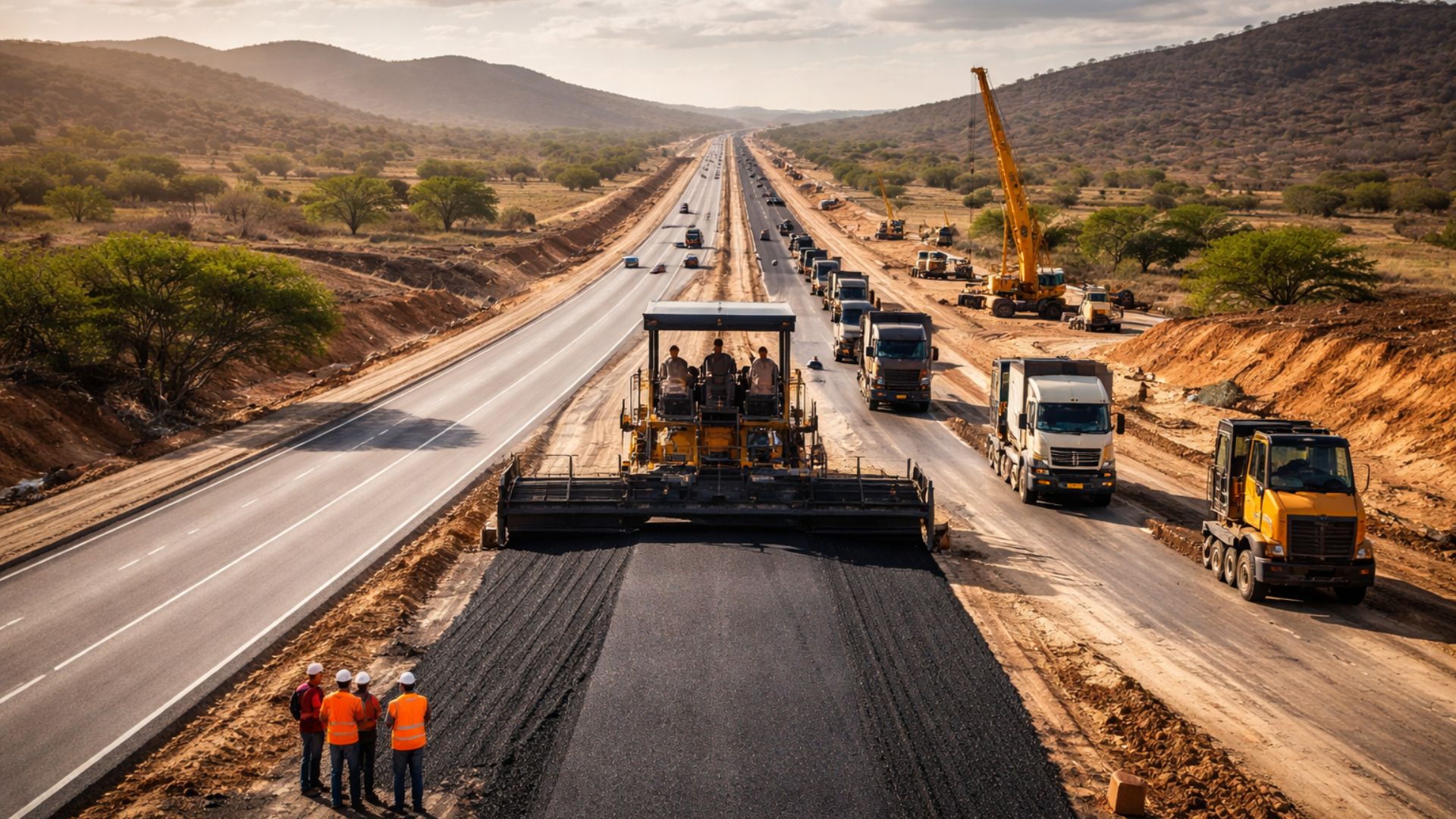
Government unlocks R$ 554 million for a highway that has been requested for decades and accelerates the duplication of BR.
-
Without bricks, without cement, and without endless construction: the cardboard house that is assembled in modules and can be moved.

-
Billions of barrels on the equatorial margin could lead Amapá to double its oil production in Brazil — the state aims to enter the route of companies in the Campos Basin, attract investments, and boost jobs and businesses in the oil and gas sector.

-
Without bricks, without cement, and without endless construction: the cardboard house that is assembled in modules and can be moved.

The contextualization of the study begins by confirming a 2.9% increase in global energy consumption, with fossil fuels meeting most of the demand, leading to a 2% rise in global carbon emissions. Renewable energy, despite growing by 7.2%, still lags behind the 12% growth of the energy system as a whole.
The Brazilian targets set in the Paris Agreement for carbon emission reductions were presented: 37% by 2025 and 43% by 2030. It became clear that Brazil has one of the lowest levels of carbon intensity within the G20, surpassed only by Italy, the United Kingdom, and France, according to PwC data. Transportation accounts for 46% of total emissions in Brazil, and among those using renewable energy sources, industry accounts for 57%, and transportation for 20%. Emissions were measured using the MTCO2 unit, which corresponds to Metric Tons of CO2 Equivalent. This metric compares the emissions of different greenhouse gases based on their global warming potential (GWP).
Methodology
The methodology of the study addressed the topics below, with the following conclusions, recommendations, and guidelines:
Regulatory Mechanisms and Instruments on Climate Policies:
- It is necessary to evolve the initial version of the RenovaBio Program, learning and incorporating best practices from more mature programs/laws/guidelines (for example: checking the possibility of new credit generation mechanisms through projects or alternative means – similar to the LCFS).
- Monitoring and reviewing the targets set in this initial phase of the RenovaBio Program, with involvement from multiple stakeholders (seeking to avoid “asymmetry” and parity between the obligated parties / generating sources).
- It is suggested that the way of generating CBIOs credits through technological innovation projects related to decarbonization (not solely related to biofuels themselves) should be rethought, with a need to identify mechanisms to enable these projects (via public calls, funding announcements, compulsory clauses from regulatory agencies focused on R&D&I, among other mechanisms).
- Public policies and support instruments are needed to promote the development of advanced biofuels projects (for example: “green diesel” / HVO ‐ Hydrotreated Vegetable Oil and “biojet fuel” / SPK ‐ Synthesized Paraffinic Kerosine) until the learning curve is surpassed and the scaling can reduce costs.
- The RenovaBio Program in its initial version lacks alternative mechanisms for generating CBIOs (public calls, technological innovation projects focusing on reducing carbon intensity), which is identified as a differentiator in the LCFS program.
- There is a need to converge efforts with other bodies, institutions, and public policies aimed at effectively reducing GHG emissions and carbon intensity throughout the transport chain.
Decarbonization Credit Trading System (CBIO)
- A significant increase and uncertainty in CBIO prices were identified (sharp increase until early November and abrupt drop after the result of the Brazilcom injunction), ranging from R$16 initially to R$ 65 and reducing again to approximately R$ 48 after the result of the injunction, highlighting the importance of analyzing the possibility of defining a ‘ceiling value’ (similar to the LCFS after the first years of implementation). Furthermore, it underscores that the CBIO price is excessively unstable and sensitive to certain market variations.
- It is necessary to ensure a sufficient quantity of CBIO credits to cover the compliance requirements for obligated parties.
- The RenovaBio Program can act as a catalyst, establishing and enabling alternative means for fulfilling the obligations of the obligated parties (examples: vapor recovery in tank trucks – Phase 1 – and at the pump – Phase 2; enhancing the production of “green diesel” and aviation biofuel; distributors generating CBIOs by mixing biofuels in their products and through the production of clean energy in their facilities – such as energy efficiency projects that effectively reduce energy costs).
- It is necessary to ensure the proper functioning of the CBIO trading market, seeking transparency and adherence to good market practices.
- It is observed that, despite all the benefits highlighted by the RenovaBio Program, there is asymmetry between the involved parties (on one side, the obligated party has a CBIO acquisition target, while on the other, the credit-generating source has no generation target or timeline for availability in the market).
- There is a need for revisions in the modeling:
- Considering that the program is in its initial phase and not all agents have adhered to the certification process, it is recommended to conduct a sensitivity analysis regarding the variation in the length of the intervals of the upper and lower limits of the uniform distribution of the consumption projection model that served as the basis for the target calculations.
- Additionally, to ensure the robustness of the model, an assessment of how the interval variation affects the results would be advisable, since the proposal sets targets for the next decade and the difference in profile among certified agents may undergo considerable changes.
- Furthermore, considering the asymmetric distribution among agents, it is suggested to simulate a beta distribution focused on the lower values of the confidence interval, which would be more aligned with the expected real market distribution regarding the obligated party.
- With respect to certification, attention must be paid to the differences between the parameters of the current ANP Dynamic Panel scenario and the parameters used in the remodeling of the targets.
On the Effects of the RenovaBio Program on the Fuel Distribution Sector:
- Considering the high participation of state taxes in the formation of fuel prices and the tax asymmetry among states that intensifies how the fuel sector is impacted by the RenovaBio Program, consumers from different markets may be subjected to effects of varying dimensions depending on the strategies of the distributing agents.
- In general, in the ten-year scenario, the estimated impact of CBIO costs on the sales of Gasoline C and Diesel Oil B (R$/L) exceeds the average margin of the distribution sector, and it is almost inevitable that the entirety of this cost will be passed on to the final consumer. Thus, even though the proposal of the program is focused on the private sector (in order to spare public coffers), the taxpayer may be bearing much of the expense of the energy transition. The estimated calculation of the CBIO cost in the final price was conducted considering fair and transparent competition among market agents. However, the fuel distribution sector has a history of non-compliant operations.
- With the support of the Legal Fuel Institute, updated estimates of the impact of approximately R$ 7 billion in tax evasion have been made, in addition to another R$ 14 billion in operational diversions in the fuel chain.
- This fact indicates that tax and oversight corrections in the sector to ensure the collection of the full potential tax revenues from fuels would generate an amount greater than the cost of CBIOs, which could be used to enable new projects, expand infrastructure, and promote the energy transition without transferring this additional cost to the Brazilian taxpayer and without generating competitive distortions in the distribution market.
- As Brazil is deficient in fossil fuel production, the Brazilian pricing of diesel oil and gasoline A is based on the PPI (Import Parity Price), which already adds to the price the uncertainty of the cost of commodities in the international market and exchange rates. The CBIO, being predominantly issued by the same producer who determines its sugar/ethanol mix depending on the conditions of the sugar market, will also convey to the pricing of diesel oil and gasoline A the uncertainties associated with the international sugar market.









Seja o primeiro a reagir!