





 Portuguese
  English
  Spanish
  3 min of reading
  9 comments


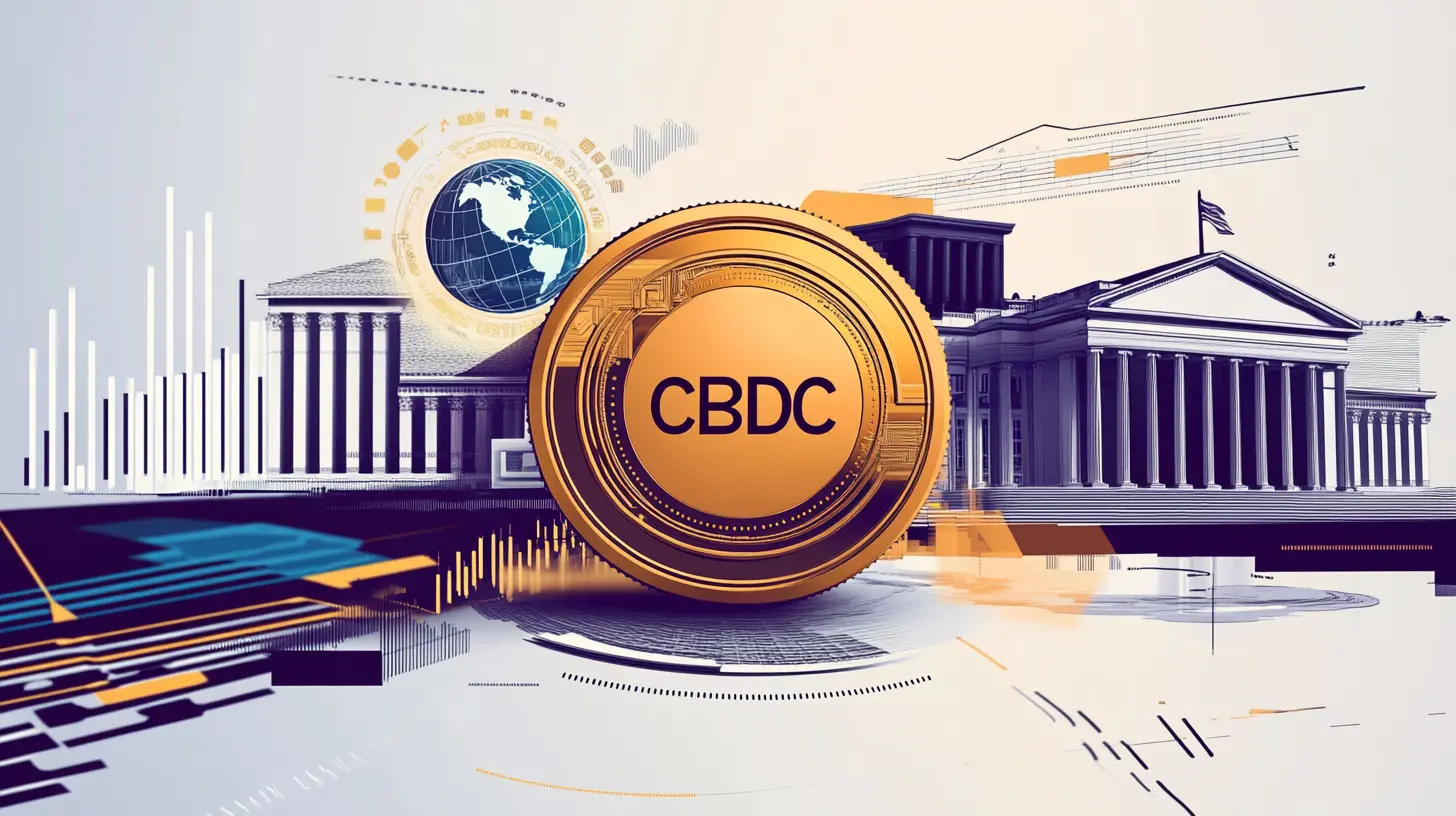


Bill Proposes the Creation of the CBDC of the Real, Replacement of Physical Currency, and Tracking of All Transactions by CPF or CNPJ. See What Changes.
A Complementary Bill (PLP) currently under consideration in the Chamber of Deputies could eliminate the use of cash in Brazil, proposing the adoption of the CBDC of the Real as a digital currency issued by the Central Bank.
The proposal, presented as an amendment to PLP 214/2020, provides for tracking all financial transactions by CPF or CNPJ, both for individuals and companies, as a means of control and transparency.
The measure has been under analysis by the Finance and Taxation Committee since 2025.
-
How investment in technology can revolutionize the national economy and enhance industrial gains, according to a study that highlights the direct impact on productivity, innovation, and wealth retention within Brazil.

-
The largest food company on the planet, JBS, has just opened a 4,000 square meter laboratory in Florianópolis to develop customized proteins that modulate muscle mass gain, immune response, and metabolic performance.

-
After nearly 30 bids and competition among industry giants, a Spanish company purchases one of the largest airports in Brazil for almost R$ 3 billion and takes over the management of Galeão in a concession that will last until 2039.

-
The Federal Revenue Service now automatically cross-references everything you declare with data from banks, credit cards, brokerage firms, and insurance companies, and any discrepancy between your income and your expenses triggers an alert in seconds.


What the Text Foresees About the CBDC of the Real
The proposal establishes that R$ 100 and R$ 200 notes be gradually withdrawn from circulation within up to 24 months after eventual approval.
Over time, all financial transactions would become digital, a process expected to extend for up to five years.
Additionally, all electronic payments and transfers would be required to identify the CPF or CNPJ of the sender (the one who sends) and the recipient.
In other words, each transaction would be clearly linked to a person or company.
Why the Country is Considering the CBDC of the Real
The justification for the PLP includes combating corruption, money laundering, and reducing government expenses related to the issuance and distribution of physical money.
According to the text, the highest denomination bills — R$ 200 and R$ 100 — would primarily be used in informal or illicit activities.
Another reason is to follow international examples of countries that have very low cash usage, such as Sweden, Norway, and Denmark.
These countries are cited in the proposal as references for a future without cash.
How the End of Physical Currency Would Look
- Only lower denomination notes (such as R$ 2, 5, 10, and 20) and coins of some cents would be kept at first.
- Within five years, all financial activities are expected to be conducted via a digital system.
- Institutions authorized by the Central Bank would provide “digital wallets,” equivalent to financial accounts, to operate the new digital real.
Impacts and Concerns About the CBDC of the Real
The proposal generates debate about privacy, given that tracking by CPF or CNPJ would imply complete monitoring of transactions of individuals and companies.
Mandatory identification in all electronic payments raises questions about how to protect personal data.
There are also concerns that many citizens depend on physical cash, whether due to habit, limited internet access, or unequal digital infrastructure.
The transition to a fully digital society may leave out those who do not have regular access to banking services or connectivity.
The text does not detail complete solutions for this, but the issue emerges in public debate.
Expected Stages of the CBDC of the Real PLP
- Approval of the substitute by the National Congress.
- Gradual withdrawal of higher denomination notes (R$ 100, R$ 200), with defined deadlines.
- Establishment of digital wallets by authorized institutions.
- Mandatory identification by CPF/CNPJ in all digital transactions.








Se fosse uma moeda criada em tecnologia blockchaing talvez trouxe um pouco mais de transparência e poderia talvez manter a privacidade com possibilidade da rastreabilidade, mas da forma que estão fazendo querem apenas controlar o dinheiro do povo e o povo. Tempos sombrios caminhamos para uma era comunista, com mistura de **** e socialismo
Bem vindos a **** comunista. Em breve irão cobrar pelo ar que a gente respira.
“” o imperio contra ataca .
.tatayatará ,serão créditos imperiais”